REVIEW · GRAN CANARIA
Gran Canaria: Winery Tour, Wine Museum, and Tasting
Book on GetYourGuide →Operated by Timonfaya Travel Lanzarote · Bookable on GetYourGuide
A winery tour on Gran Canaria can be about more than tasting wine. This one mixes a family-run, organic estate with the only wine museum on the island, plus a cellar walk that smells like fermenting grapes and wooden casks. It’s a focused 90-minute stop that helps you understand what you’re drinking, not just sip it and move on.
I really like how the tour connects the dots from volcanic soil and endemic grape varieties to what ends up in your glass. You’ll also get a straightforward, satisfying tasting of two wines paired with local cheese and toasted bread (and olives as part of the snack set). The setting is scenic, too, so you’re not stuck indoors the whole time.
One thing to plan for: the tour location is fixed, and you’ll be walking your way there without hotel pickup. If you’re arriving by bus or rental car, double-check you’re at Bodega San Juan – Finca El Mocanal, because a couple of visitors noted start-point clarity can be hit or miss.
In This Review
- Key highlights to know before you go
- Gran Canaria Winery at a Family-Run Organic Estate
- Where You Meet: Bodega San Juan – Finca El Mocanal
- Walking the Organic Vineyards and Learning the Volcanic Story
- The 100-Year-Old Stone Lagares: Then vs Now
- The Wine Museum on Gran Canaria: Old Machinery, Real Context
- Modern Facilities and the Smell of Fermentation in Wooden Casks
- The Tasting: Two Wines, Cheese, Toasted Bread, and Olives
- Price and Value for a 90-Minute Wine Lesson
- Who This Tour Suits Best (and Who Might Skip It)
- Should You Book This Gran Canaria Winery Tour?
- FAQ
- How long is the winery tour?
- Where do I meet for the tour?
- What’s included in the tasting?
- Does the tour run in bad weather?
- Is hotel pickup included?
- What language is the guide?
Key highlights to know before you go
- Five generations of a family estate: you’ll hear the story of how the vineyard and winery have stayed in the same hands.
- Organic vineyards on volcanic soil: expect talk about how that ground and sun shape the grapes.
- A 100-year-old stone lagares: you’ll see the old method of grape treading, not just modern equipment.
- Gran Canaria’s only wine museum: old machinery sits alongside explanations that compare then-and-now production.
- Cellar atmosphere: you’ll enter the wine cellar and catch the aroma of fermentation in wooden casks.
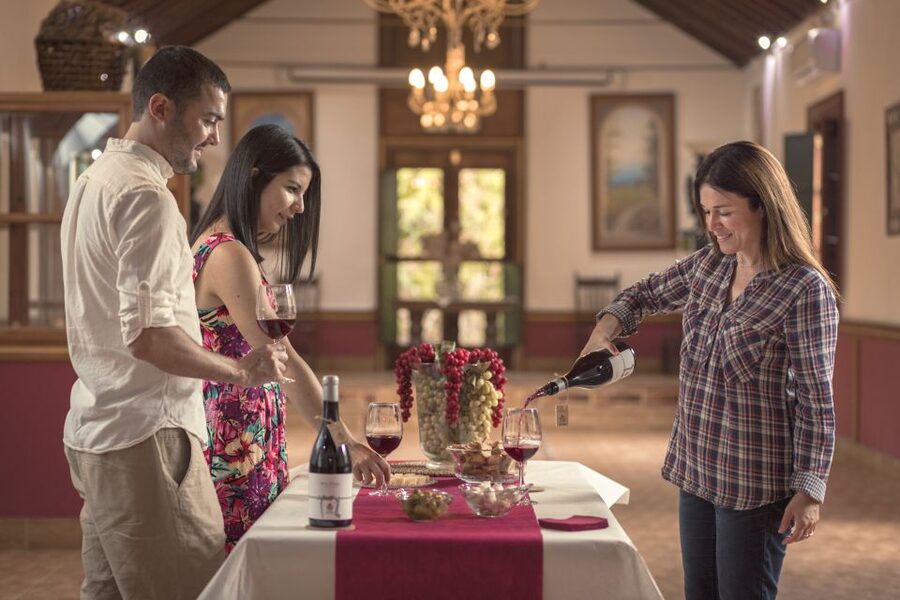
- Tasting with local pairings: two wines plus cheese and toasted bread (with olives in the snack mix).
Gran Canaria Winery at a Family-Run Organic Estate
This is the kind of wine experience that feels personal, not performative. You’re visiting an estate that goes back over a hundred years and has been part of one family line for five generations, which changes the tone of the tour right away. Instead of generic vineyard talk, you get context: why they farm the way they do, and how traditions have survived alongside updates.
What matters for you is that this is not a long, exhausting day trip with multiple stops. You’re spending about 1.5 hours at one place, learning as you go, then finishing with a practical tasting that matches the story you just heard.
And yes, it’s organic. The tour focuses on the work needed to keep vines in good condition, and it brings in specifics like endemic grape varieties and the role of volcanic soil. Even if wine isn’t your main hobby, this gives you something to remember because it ties the local environment to the flavor in a clear way.
You can also read our reviews of more tours and experiences in Gran Canaria.

Where You Meet: Bodega San Juan – Finca El Mocanal
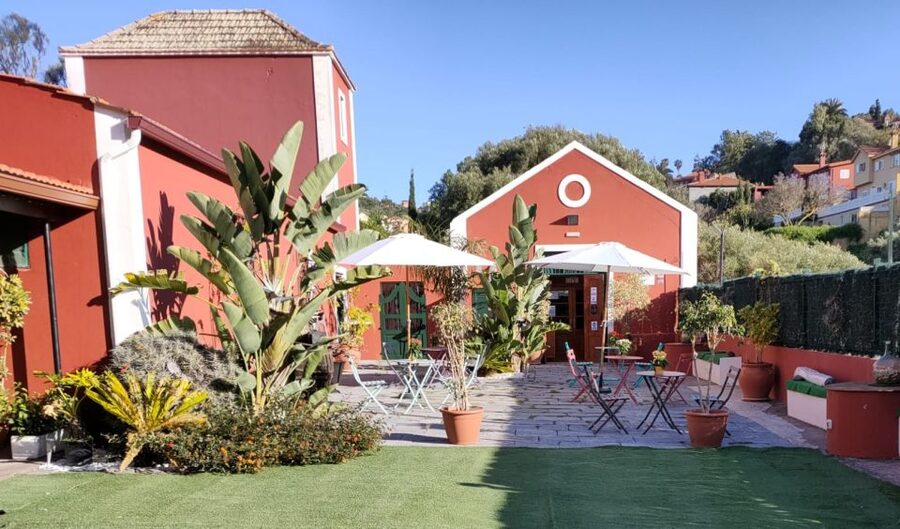
The tour meeting point is Bodega San Juan – Finca El Mocanal, and there’s no hotel pickup or drop-off. That means you’ll want to think about transportation before anything else. If you’re staying in an area where taxis are easy, you’ll likely have a smoother time. If you’re relying on public transport, plan extra buffer time so you don’t feel rushed.
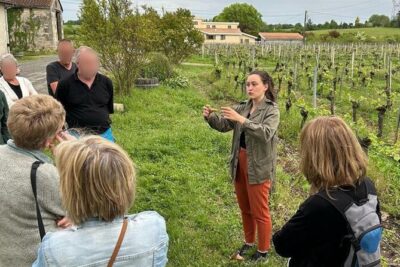
Once you’re there, you’ll meet the English host/greeter and get started. A guide named Maria appears in many accounts as friendly, funny, and very informative, and you’ll likely feel the difference between a script-based tour and a guide who actually knows the place.
Because the group is only together for 90 minutes, punctuality matters. You don’t want to miss the first part—especially the vineyard walk—since that’s where the big-picture “why” is explained.
Walking the Organic Vineyards and Learning the Volcanic Story
Early on, you’ll learn the family background before stepping into the vineyards. It starts with history—old photos and the evolution of the estate—so you understand you’re not just looking at rows of grapes. You’re looking at a living site that has been managed over time, with decisions made generation after generation.
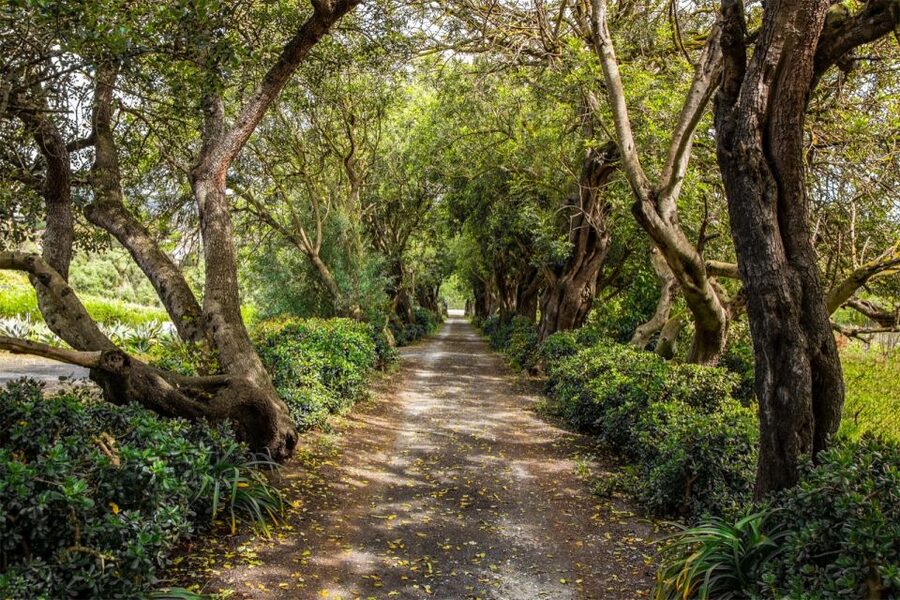
Then comes the vineyard stroll. You’ll walk among organic vineyards where grapes ripen in the sun, and you’ll hear how the volcanic soil influences the vines. Volcanic ground often changes drainage and mineral character, and the tour frames it in a way that’s meant to be useful—how that environment affects grape quality and ultimately what you taste.
You’ll also hear about the effort it takes to keep the crop in top shape. That’s one of the quieter but important parts of the experience: vineyards aren’t maintained on vibes. If you pay attention here, the tasting at the end will feel less random.
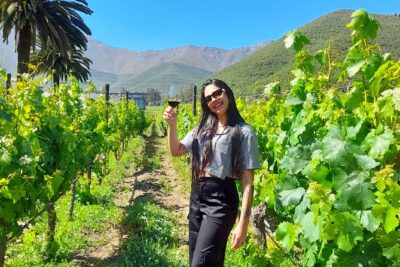
And don’t underestimate the photo factor. The estate includes rolling vineyard views, so you’ll have plenty of moments to grab pictures without hunting for a perfect angle like you might in a city tour.
The 100-Year-Old Stone Lagares: Then vs Now
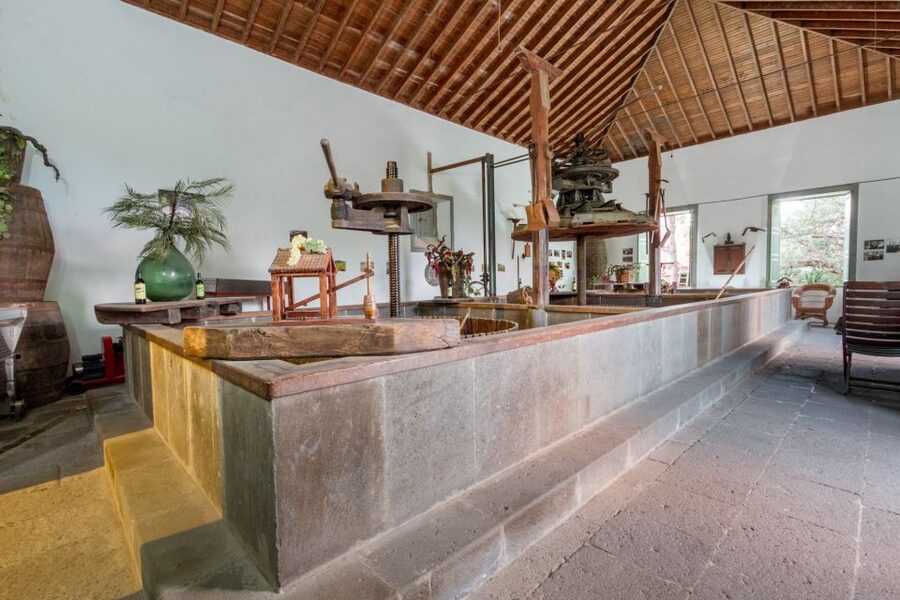
This is where the tour becomes more than wine. You’ll view a 100-year-old stone lagares, a traditional press/treading area where grapes were once crushed by foot. Seeing a working-sized piece of that past makes it easier to picture how winemaking used to happen—slower, more labor-heavy, and more local.
The guide compares that old method with modern production, and that comparison is the real value here. It helps you understand why today’s wine-making equipment exists and what it preserves (and what it changes). You’re not just collecting facts; you’re building a mental timeline from grape to bottle.
If you like history, this stop is the kind that turns a tasting into a story you can tell later. If you don’t care about history, it’s still worth your attention because it explains why wine culture developed the way it did on islands like Gran Canaria.
The Wine Museum on Gran Canaria: Old Machinery, Real Context
Next up: the wine museum. It’s described as the only wine museum in Gran Canaria dedicated to wine, and the experience fits that claim. You’ll see older machinery used in wine-making and learn how the process evolved over time.
This part works well because it gives you a framework. When you walk through a museum-style room, you’re seeing components and tools that represent different eras of production. That means when the guide talks about fermentation, storage, and bottling, the ideas land faster.
You’ll also get a sensory hint of what’s coming: the smells of the old wine cellar. Even without being a wine expert, your nose is an immediate guide. You’ll likely notice the layered aromas that show up around stored wine and fermenting grapes, especially with wooden casks involved.
For me, the best museum moments are the ones that connect objects to human decisions. Here, the museum isn’t just decoration. It supports the talk about how their organic approach and equipment choices fit together.
Modern Facilities and the Smell of Fermentation in Wooden Casks
A lot of winery tours do either “old” or “new.” This one gives you both. After the museum, you’ll compare the past with what they do now in the modern facility. That then-and-now contrast is important because it stops the experience from turning into nostalgia only.
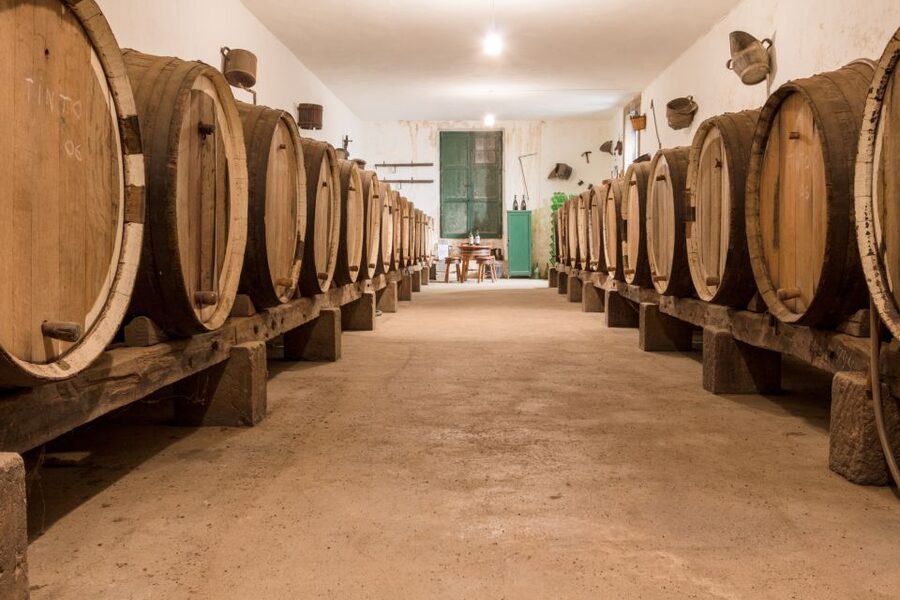
You’ll also enter the cellar, where the guide helps you notice the aromas associated with fermenting in wooden casks. This is the kind of detail that sounds small, but it changes how you taste later. When you’ve smelled fermentation up close, the wine tasting becomes more than flavor—it becomes a process you’ve already witnessed.
If you’re the type who hates slow tours, you might like the pacing here. It stays practical and story-driven, with a clear flow: history → vineyard → equipment → cellar → tasting.
The Tasting: Two Wines, Cheese, Toasted Bread, and Olives
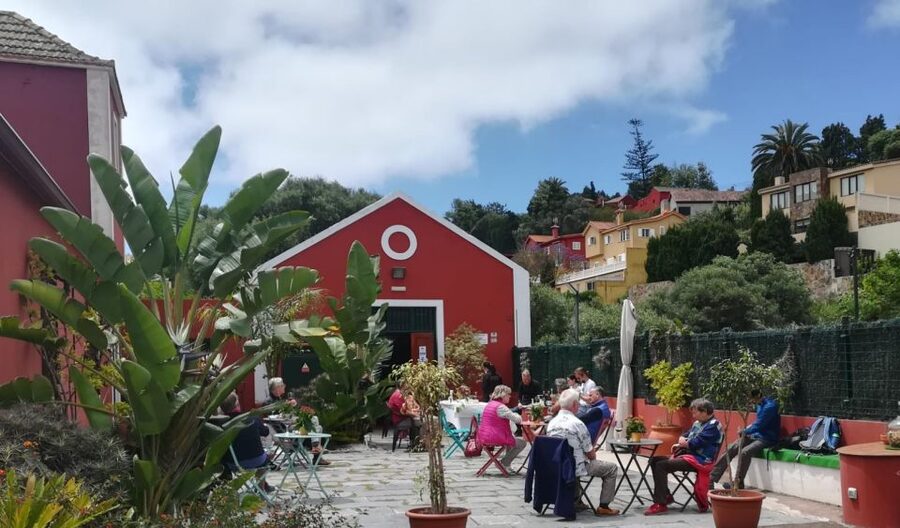
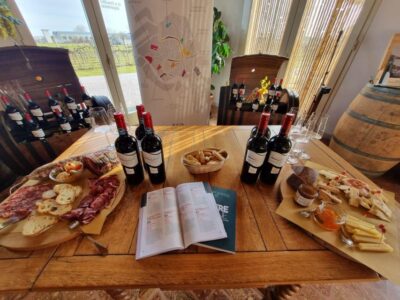
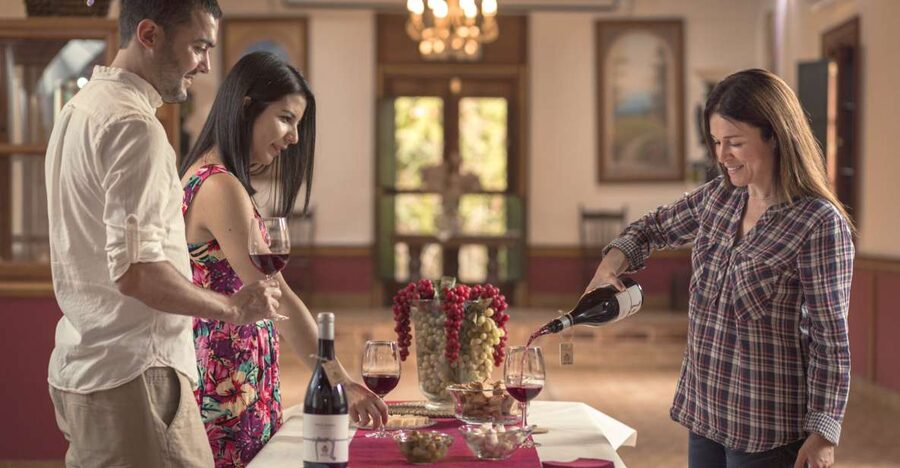
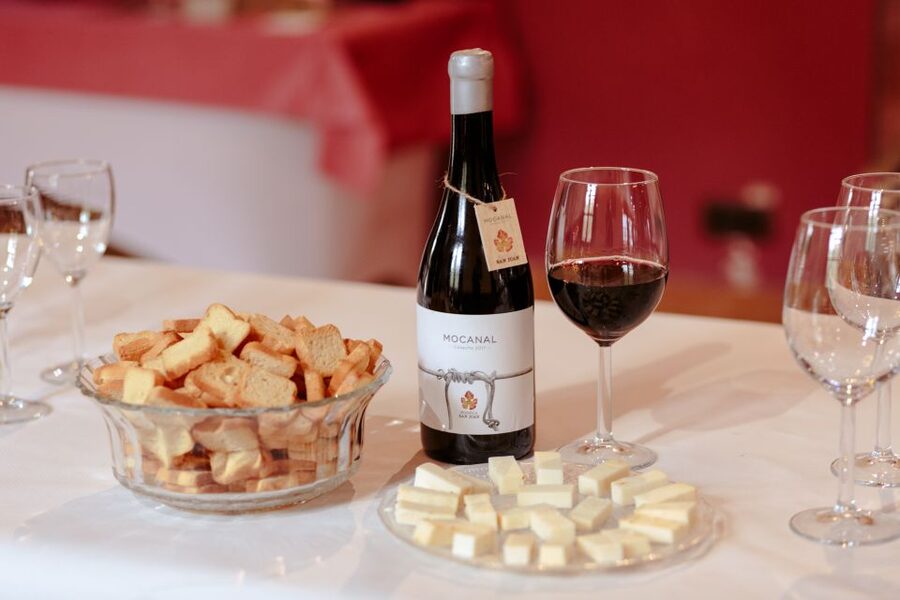
The tour ends in the tasting area with two fine wines. They come with local cheese and toasted bread, and the included snack set also mentions olives along with cheese and toast. This pairing approach is the heart of the value: you’re not paying only for a sip, you’re paying for a guided food-and-wine match.
The way this tasting is set up also matters. Some experiences describe tasting in a garden-like outdoor setting with butterflies nearby, which makes the whole finish feel calm rather than rushed. Even if you don’t catch the exact same conditions on your date, the intention is clear: don’t turn the end into a cafeteria transaction.
You don’t need to be a sommelier. The guide’s job is to help you connect what you see—volcanic soil, endemic grapes, fermentation and storage—to what you taste. If you’ve ever walked away from tastings thinking, Okay, I liked it, but why, this style is built to reduce that gap.
And if you want to take something home, you might be able to buy a bottle—but availability can vary by what’s in stock on the day. One visitor noted that their preferred in-bodega red wasn’t available at the time, so don’t assume every label will be on the shelf every day.
Price and Value for a 90-Minute Wine Lesson
At $34 per person for about 1.5 hours, this is priced like a small, focused experience rather than a full-day wine excursion. What makes the value hold up is the combination: vineyard walking, museum time, cellar atmosphere, and a tasting that includes pairings.
If you’ve paid more for tours that are mostly scenic driving and a short pour, you’ll likely appreciate what’s included here. You get structured learning plus food. And the fact it’s tied to an organic estate with multi-generation ownership means you’re paying for access to a specific place, not a generic production story.
Also, the duration is realistic. Ninety minutes is enough to learn the basics and taste without eating your whole day. It’s a great fit when you want a culture stop that doesn’t become your entire schedule.
The only price-linked caveat is simple: you must handle your own arrival since there’s no hotel pickup. If transport costs or time throw off your schedule, the overall value changes a bit. But if you can get to the meeting point easily, the $34 feels fair for what you’re getting.
Who This Tour Suits Best (and Who Might Skip It)
This tour is a strong match if you:
- want Gran Canaria wine that feels tied to place, not just a label
- enjoy seeing how old and new winemaking relate
- like tastings paired with local cheese and bread
- want a short, well-paced activity that still has substance
You might consider skipping it if you:
- want a longer, multi-winery route with lots of variety
- need transportation with pickup included
- prefer wine tasting without any museum/history component
If you’re traveling with someone who doesn’t drink much wine, the history and museum side can still keep things interesting. And if you do drink, the cellar and fermentation focus gives you extra context to enjoy the tasting more.
Should You Book This Gran Canaria Winery Tour?
I think this is a smart booking if you want a compact, high-signal wine experience. The biggest reasons to say yes are the family-run organic estate, the presence of Gran Canaria’s only wine museum, and the way the tasting is paired with food rather than treated like an afterthought.
Book it if you can get to Bodega San Juan – Finca El Mocanal without stress, and if you’re okay with a rain-or-shine format. It’s not a huge time commitment, so even if you’re on a tight schedule, you’ll likely leave with something more than a few sips: you’ll leave with a clearer sense of how island grapes become wine.
If you’re shopping for your first Gran Canaria wine stop, this one’s a practical, value-friendly choice.
FAQ
How long is the winery tour?
The tour lasts 1.5 hours.
Where do I meet for the tour?
Meet at Bodega San Juan – Finca El Mocanal (Bodega San Juan – Finca El Mocanal).
What’s included in the tasting?
You’ll enjoy two wines, plus snacks including cheese and toasted bread (and olives).
Does the tour run in bad weather?
Yes, it takes place rain or shine.
Is hotel pickup included?
No. Hotel pickup and drop-off are not included.
What language is the guide?
The host or greeter provides the tour in English.