REVIEW · GRAN CANARIA
Winery Tour, Wine Museum, and Tasting in Gran Canaria
Book on Viator →Operated by Curioseety SRLS · Bookable on Viator
Wine grows better with a story. This Gran Canaria winery visit mixes vineyard time, a stop in the wine museum, and an easygoing tasting hosted by a real local family. You get a countryside break without committing to a whole day.
I love the two-wine tasting paired with locally made bread and cheese, and I like how the pace stays friendly and not rushed. The guide also brings the story alive with family photos and hands-on winemaking context, so it feels more like being shown around than sitting through a lecture.
One possible drawback: getting there takes planning. The meeting point is in Sta Brígida, and the ride from Las Palmas can take a little over an hour, so figure out your transport before you go.
In This Review
- Key Points You’ll Care About
- A Vineyard Break in Sta Brígida (Not Far, Just Different)
- The Family Winery Walk: Photos, Volcanic Soil, and Organic Vines
- The Wine Museum and Cellar: Old Tools Meet Modern Facilities
- The Tasting: Two Wines, Real Local Pairings
- Family-Friendly Details That Make a Difference
- Price and Value: Why $34.75 Can Make Sense
- Logistics That Actually Matter on Gran Canaria
- What Could Feel Off for Some People
- Should You Book This Winery Tour?
- FAQ
- FAQ
- How long is the winery tour?
- What’s included in the tasting?
- Is the tour offered in English?
- Is it family-friendly?
- How big are the groups?
- Where does the tour start and finish?
- Can I cancel for a full refund?
Key Points You’ll Care About
- 90 minutes, in a real vineyard setting: enough time to feel the place, not enough to drag.
- Two local wines plus bread and cheese: a simple tasting that still feels like a proper snack-and-sip moment.
- Small group size (max 20): better chances for questions and a more personal tour.
- Wine museum stop: old winemaking tools, plus a look at how tradition meets modern production.
- Family-friendly option: fruit juice available for kids who are not doing wine.
- Mobile ticket, English available: straightforward plan for most visitors.
A Vineyard Break in Sta Brígida (Not Far, Just Different)
This tour lands you in the countryside near Sta Brígida, with the address starting at Ctra. Bandama, 68, 35310 Sta Brígida, Las Palmas, Spain. The main idea is a relaxed afternoon that still feels purposeful: walk the vines, see the winemaking setup, then sit down for a tasting.
You’re looking at about 1 hour 30 minutes from start to finish, and the tour ends back at the same meeting point. That matters. It keeps the day simple, especially if you’re trying to fit this around beaches, dinners, or a late-morning sightseeing block.
Getting there is the big practical detail. Gran Canaria has a “drive time reality,” even when it doesn’t look far on a map. Expect roughly a little over an hour from Las Palmas on local buses, and if you’re using a taxi, it’s usually the more direct way to save time and energy.
You can also read our reviews of more tours and experiences in Gran Canaria.


The Family Winery Walk: Photos, Volcanic Soil, and Organic Vines
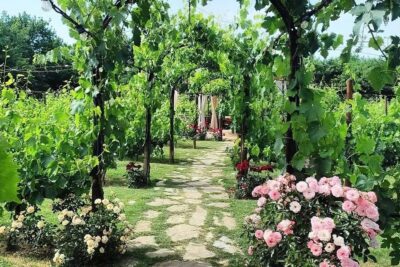
The tour starts with your local host welcoming you at a historic family winery tucked among rolling vineyards. The first part isn’t just steps and facts. It’s a family story—old photos, generational knowledge, and the way tradition keeps showing up in what gets made today.
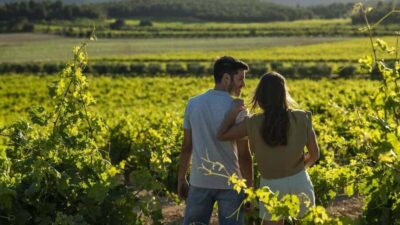
As you move through the vineyard area, you get to experience what the guide connects to the wine: sun, breeze, and the feel of volcanic soil that shapes local growing conditions. You’ll also get a look at organic vineyards, which is one of those details that’s easy to mention, but you’ll notice the difference in how the whole place feels—less industrial, more hands-on.
If you like tours that treat wine as part of everyday life (not just a product), this portion hits the right note. You’re not trapped indoors. You’re outdoors long enough to reset your brain and slow down.
The Wine Museum and Cellar: Old Tools Meet Modern Facilities
Next comes the small museum, where you can see old winemaking tools and learn how traditional methods are still shaping the process. It’s not a huge museum maze. It’s focused, so you’re not wasting time wandering while hungry.
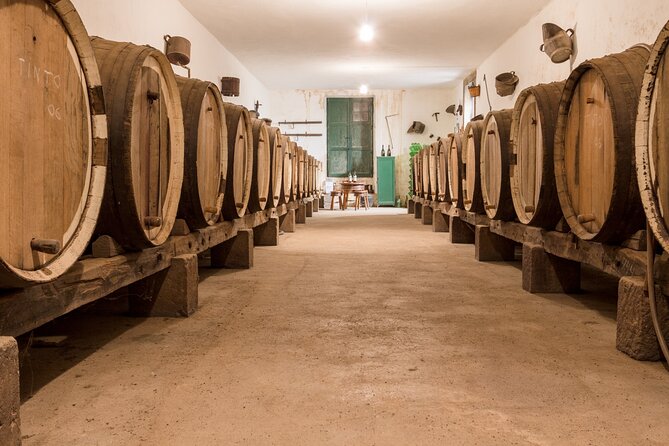
Then you move into the centuries-old cellar area. The smell is part of the experience—think oak and aged wine. That’s the kind of sensory clue that makes the “how” of winemaking feel real, even if you’re not a wine nerd.
What I like here is the balance. You get the charm of the past, but you also see how the family works with today’s facilities. That comparison helps you understand why the wines taste the way they do: tradition sets the foundation, and modern choices support consistency and creativity.
One note: if you’re only after cutting-edge, high-tech wine production, this museum/cellar setup may feel old-school. The tour is built around history and family practice, not flashy gadgets.
The Tasting: Two Wines, Real Local Pairings
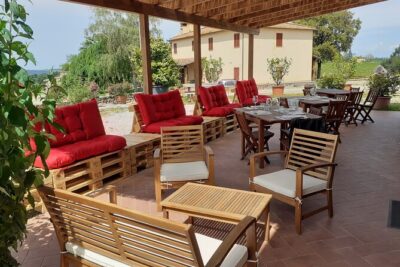
The tour ends in the tasting area with the best part for most people: a sit-down tasting of two local wines. You also get toasted bread and Gran Canaria cheese, both sourced locally.
This pairing approach is practical. Bread and cheese don’t just fill the gap between sips; they also help you notice differences between the wines without overwhelming your palate. It’s a clean way to taste more than one style in a short time.
Your host will guide you through what you’re drinking, and the tasting experience is presented as more than a quick sample. You’re learning what to look for—how the wine’s character connects back to the vineyard conditions you saw earlier.
If you’re worried about whether you’ll enjoy it, don’t overthink it. Even people who don’t drink much often leave happy because the tasting is small, paired, and paired with food.
Family-Friendly Details That Make a Difference
This one is family-friendly, and that’s not just marketing language here. Fruit juice is available for children, which means families aren’t forced into the awkward “everyone waits while adults taste” rhythm.
The total time—about 90 minutes—also helps. It’s long enough to feel like you did something, and short enough that kids (and adults who pretend they don’t mind schedules) usually handle it well.
If you’re traveling with a mix of wine drinkers and non-wine drinkers, this setup works because the focus stays on local flavors and the overall story, not on getting everyone to swallow something they hate.
Price and Value: Why $34.75 Can Make Sense
At $34.75 per person, the value depends on what you want from a Gran Canaria afternoon.
Here’s what you get for that price:
- A guided vineyard visit with story and context
- A wine museum stop plus cellar time
- A tasting of two local wines
- Bread and cheese pairings
For a short tour, the food-and-drink component matters. Many wine experiences in tourist areas either charge for the tasting but skip substantial pairings, or they pack too much structure into too little time. This one lands closer to a “proper tasting with a snack” model, which feels fair for the duration.
Also, the group stays capped at 20 people. Smaller groups don’t automatically mean better tours, but they usually mean a more conversational guide experience. That’s the difference between tasting being a script versus tasting being a chat.
If you want a simple, value-leaning plan for a half-day, this is the kind of tour that fits.
Logistics That Actually Matter on Gran Canaria
To make this tour feel easy, think about two things: timing and transport.
1) Timing: Aim for a relaxed afternoon. The tour is built for this vibe, and you’ll enjoy the pacing more if you aren’t rushing to catch dinner or squeeze in one more stop.
2) Transport: The start location in Sta Brígida means you’ll need a plan from Las Palmas. Expect the ride to be a little over an hour by bus, or choose a taxi if you prefer direct and less waiting.
One other practical upside: you’ll use a mobile ticket, and the tour is offered in English. Confirmation comes at booking, which keeps the pre-trip stress low.
What Could Feel Off for Some People
There’s one review pattern worth taking seriously: a couple of people felt the museum part was somewhat old-school and didn’t add much for them.
That doesn’t mean it’s bad. It means you should know what you’re signing up for. This is a family-run set-up with history-forward stops: tools, photos, and a cellar that leans traditional. If your ideal wine tour is all about modern design, high-energy storytelling, and lots of wow-factor tech, you might want to compare options before booking.
But if you like the slow, grounded feeling of vineyards and family craft, the “old-school” angle is likely the reason you’ll enjoy it.
Should You Book This Winery Tour?
Book it if:
- You want a relaxed 90-minute countryside experience.
- You like story-driven tours with real family context.
- You’re happy with a tasting that includes two wines plus bread and cheese.
- You’re traveling with kids and want juice options.
Skip it (or compare) if:
- You mostly want modern, flashy museum design over traditional winemaking tools.
- You dislike transport time from Las Palmas and don’t have an easy way to get to Sta Brígida.
If your goal is an enjoyable, low-pressure afternoon that connects wine to place, this is a solid pick. And if you’re lucky enough to meet Maria—which several people specifically praised—your tour experience is likely to feel extra friendly and well explained.
FAQ
FAQ
How long is the winery tour?
It’s about 1 hour 30 minutes.
What’s included in the tasting?
You’ll taste two local wines, plus Gran Canaria cheese and toasted bread.
Is the tour offered in English?
Yes, it’s offered in English.
Is it family-friendly?
Yes. Fruit juice is available for children.
How big are the groups?
The experience has a maximum of 20 travelers.
Where does the tour start and finish?
It starts at Ctra. Bandama, 68, 35310 Sta Brígida, Las Palmas, Spain, and it ends back at the same meeting point.
Can I cancel for a full refund?
Yes. You can cancel up to 24 hours in advance for a full refund.