REVIEW · HEALDSBURG
Healdsburg: Guided Electric Bike Wine Tour with Winery Stops
Book on GetYourGuide →Operated by Bike Tour Sonoma · Bookable on GetYourGuide
That first push on an e-bike feels like cheating. You’ll pedal with throttle and pedal assist and still cover big ground through Sonoma’s wine country, then slow down on purpose for two winery tastings and lunch in between. It’s a fun way to see Healdsburg-area vineyards without turning your day into an all-day sweat test.
I especially like the small-group feel. With a maximum of 8 riders, you get real attention on safety and route pacing, and the guide can adjust if someone’s new to e-bikes. Another big win: the guide role actually matters, and Chris stands out for being patient with less-experienced riders and for sharing useful winery-area context as you ride.
One consideration: wine tasting fees are not included. Plan on paying extra at each stop (often $25–40 per winery), so the final spend depends on how much you taste and where your palate lands.
In This Review
- Key highlights worth getting excited about
- Meeting up in Healdsburg and getting your e-bike set
- Why an electric bike makes wine country feel more doable
- The pace that fits a wine-tasting morning
- Stop 1: first winery tasting (75 minutes)
- Stop 2: second winery tasting (75 minutes)
- Lunch at a winery (30 minutes) and what to do with that time
- The ride back: turning wine knowledge into real memories
- Safety and support that let you focus on the day
- Price and value: what you’re paying for (and what you’re not)
- Who this e-bike wine tour suits best
- Quick practical checklist before you go
- Should you book the Healdsburg e-bike wine tour?
- FAQ
- How long is the guided electric bike wine tour?
- Where do I meet the tour?
- What’s included in the tour price?
- Are wine tasting fees included?
- How many winery stops are there?
- What should I bring?
- Is the tour refundable if my plans change?
Key highlights worth getting excited about
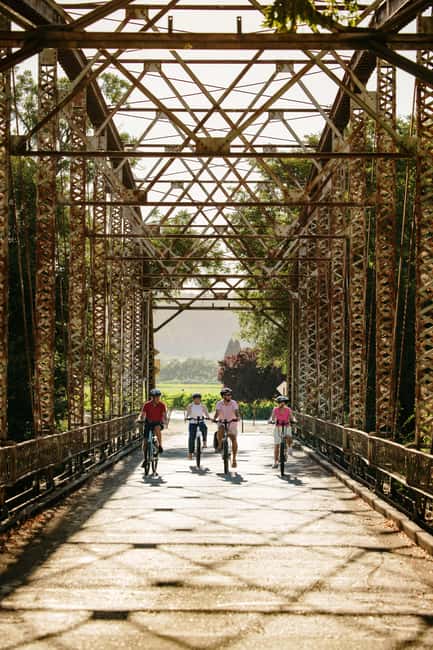
- E-bike ease: pedal and throttle assist so you can ride comfortably instead of grinding uphill the whole time
- Chris-led energy: the guide experience is a core part of the day, with patient coaching and local recommendations
- Real time at wineries: two tastings with a solid 75 minutes each, plus lunch built into the day
- SAG support: fewer worries if something goes wrong, since help is part of the plan
- Smart small-group pacing: up to 8 people means you spend more time riding and tasting, less time waiting
Meeting up in Healdsburg and getting your e-bike set
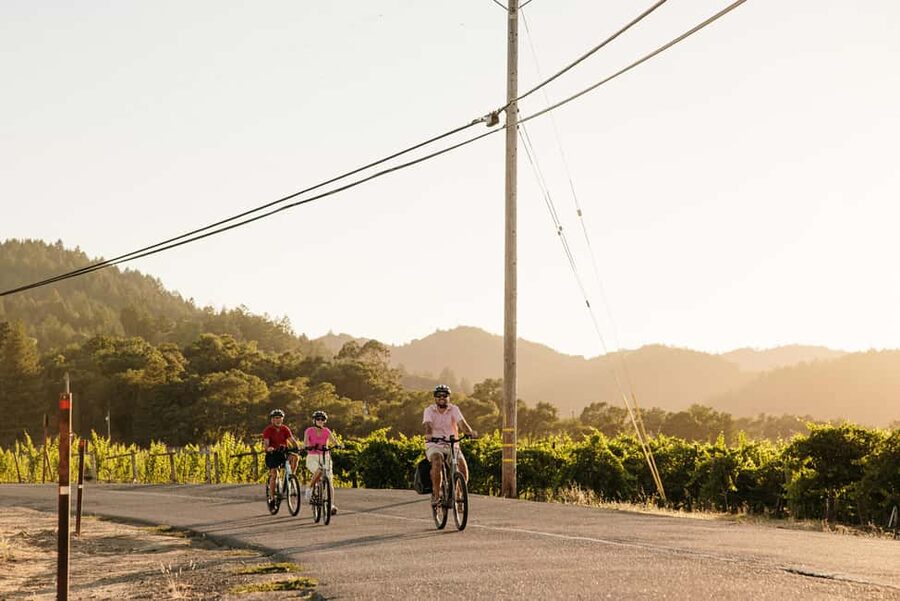
You start at 217 Healdsburg Ave, and the instructions point you to the office just north of the traffic circle. It’s the kind of meeting point that’s easy to find on foot once you’re in the center of town.
When you arrive, you’ll get kitted out with your e-bike and helmet, plus any basic accessories they provide. This matters more than it sounds. A wine tour bike ride works only if you feel stable right away, and the helmets and prep help you settle in quickly.
Then you’ll get a quick run-through and head out. The route moves through Sonoma’s vineyard countryside, and the point isn’t to race. It’s to glide along scenic stretches while your guide keeps the group together and helps you enjoy the pace.
If you’re worried about looking uncoordinated on a new bike, don’t be. This tour is structured for comfort and group riding, and the feedback about Chris is very specific: he’s patient with riders who aren’t totally confident on e-bikes yet. That’s a big deal for first-timers.
Why an electric bike makes wine country feel more doable
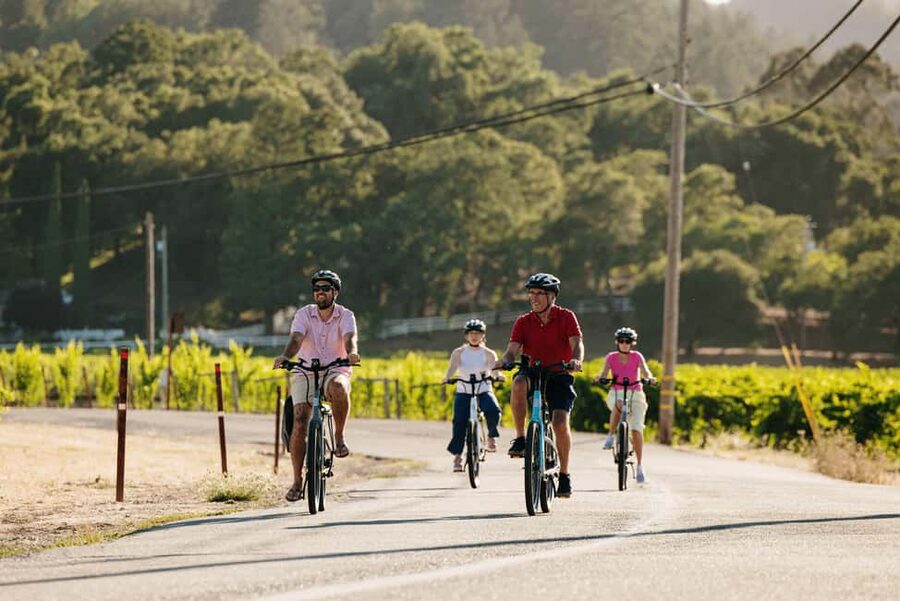
Sonoma County is full of hills, and regular bikes can turn a wine day into a battery-powered workout. The big advantage here is the e-bike with both pedal assist and throttle. In plain terms: you can put in effort when you want, and you can coast when you don’t.
For me, that changes the whole experience. You can arrive at wineries feeling like a person who chose to be there, not someone who just survived a climb and needs recovery time before they taste anything.
The ride is also long enough to feel like a proper day out (you’re looking at 4–6 hours total), but structured enough that you’re not constantly starting and stopping. That balance is what makes the tour fun instead of chaotic.
One more practical perk: you’re not responsible for all the gear logistics. You don’t have to hunt down a bike, sort out a helmet, or figure out where the support vehicle would be. You show up, get ready, and ride.
The pace that fits a wine-tasting morning
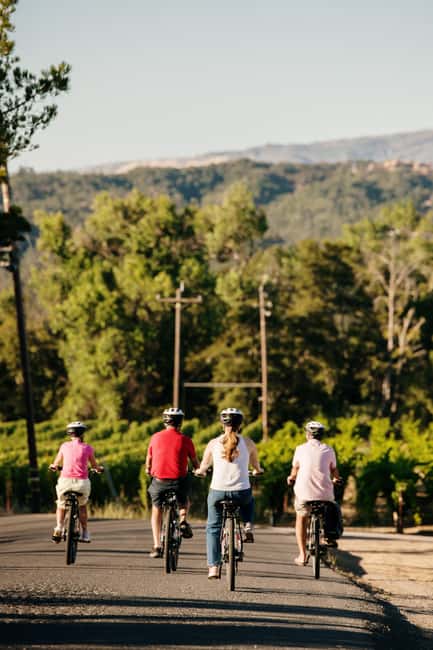
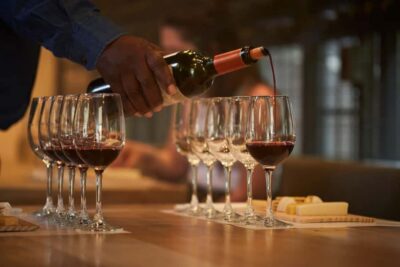
This is not a “hop out, take one sip, and rush away” style tour. You’ll have enough time at each winery to actually taste and talk about what you’re drinking.
You’re also not doing everything in the dark. A guided tour gives you context as you ride—why certain areas are planted, what people are aiming for in different styles, and how the region’s history influences what’s in your glass. Even if you’re not a wine textbook person, it helps your palate because you start tasting with a little more intention.
And because you’re in a group of up to 8, your guide can keep the pace human. You’re not getting dragged along by a fast pack, and you’re not stuck waiting forever for one slow rider.
For the best day, wear comfortable clothes and don’t skip the basics: sunscreen and a hat help a lot on open stretches. Bring a camera too, because the vineyard views are the kind you’ll want to remember later when you’re back home thinking about that rosé.
Stop 1: first winery tasting (75 minutes)
The day’s first winery stop is a proper tasting session with 75 minutes on the clock. That’s enough time to do more than just taste and nod.
At this point, you’ll get a feel for the style the winery is focused on—likely leaning into Sonoma’s strength in rosés, whites, and reds. The tour doesn’t force a rigid script. You can taste, compare, ask questions, and move at your own rhythm inside the tasting room.
Here’s the practical takeaway: treat this first tasting as your calibration. If you start with lighter styles (like crisp whites or rosé), you’ll be better able to notice what changes when you go fuller later. If you start with red, you’ll quickly learn which flavors you actually enjoy today.
Also remember: wine tasting fees are not included. So decide in advance what “too much tasting” means for you. You’re welcome to share tastings, which can help keep costs down without reducing your variety.
Stop 2: second winery tasting (75 minutes)
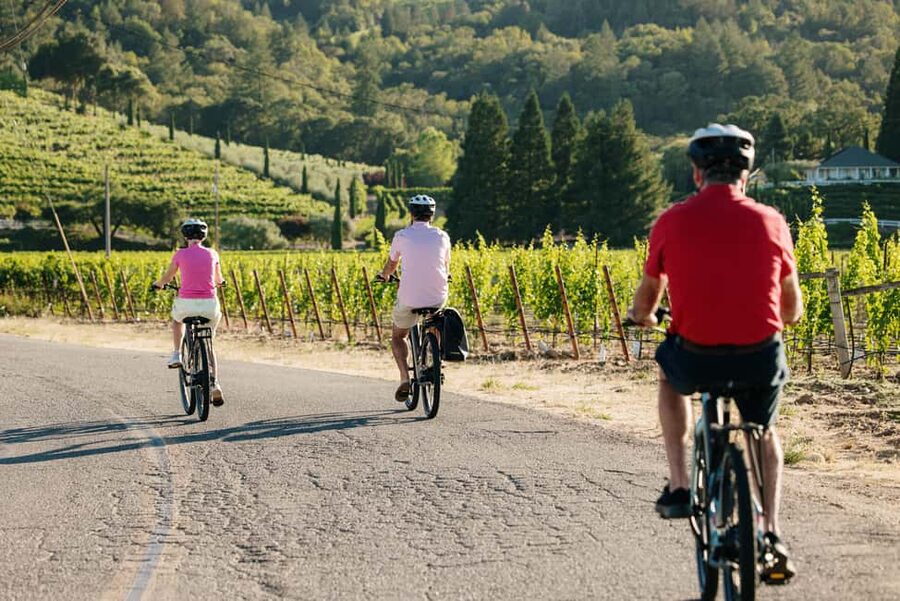
Your second tasting is also 75 minutes, and that equal time slot is intentional. It gives you a fair comparison instead of rushing through the second place because you’re tired or because you’re behind.
This stop is where you can refine your preferences. If Stop 1 leaned more toward bright and crisp, Stop 2 might push you toward something with more structure. Or vice versa. Either way, you’re getting a clearer picture of what each winery is doing.
If you’re traveling with friends who think they know what they like, this is the moment you can turn the day into a fun experiment. Taste something you normally skip, then compare notes while you’re still fresh and not five sips into a blur.
The guide helps here too. Chris’s attention to detail is the kind of thing that keeps the tour from feeling generic. He’ll point out interesting things along the route and answer questions, and that same local context tends to make the second tasting more meaningful.
Lunch at a winery (30 minutes) and what to do with that time
The itinerary includes a winery lunch stop with 30 minutes. Short lunch windows can be a downside on some tours, but on this one, it works because you’re not trying to fit a full meal and a long tasting back-to-back.
Lunch is included, which is a real value-add. You don’t have to budget for an extra meal on top of tasting fees, and it keeps the day moving at a steady pace instead of turning into a scavenger hunt for food.
Here’s the smartest way to use your lunch time: eat first, then decide if you want to buy additional tastings or not. Since tasting fees aren’t included, you’ll want to be deliberate rather than feeling pressured to sample everything.
The bonus is that lunch at a winery isn’t just about food. It’s also a break from the bike and a chance to reset your brain so the rest of the ride feels pleasant, not stressful.
The ride back: turning wine knowledge into real memories
Once tastings are done and lunch is complete, you head back to 217 Healdsburg Ave. This return leg is part of what makes the day feel like a cohesive experience instead of scattered stops.
You’ll probably notice something subtle on the way back: you’re more relaxed. Earlier, you were focused on getting set up and figuring out how much assistance you need. After the first and second tasting, you’re in a better mood to enjoy the ride for what it is—scenery, conversation, and a break from planning.
If you like to log trips with photos, this is a good time to do it. You’ll remember the taste, but the ride details can fade unless you capture a few vineyard moments.
Also keep in mind the tour rules: no smoking and no alcoholic drinks in the vehicle. It’s clearly designed to keep the group comfortable and moving safely.
Safety and support that let you focus on the day
This tour isn’t just “here’s a bike, good luck.” You get SAG support, and that’s a big psychological comfort. Even if you don’t need it, knowing it’s there makes the ride feel smoother.
Helmet rental is included, and that’s non-negotiable on a multi-stop e-bike day. You’ll also spend time in a small group, which helps the guide manage traffic and keep riders together.
One more practical point: the tour mentions you should bring comfortable clothes, plus sunscreen and a hat. That’s not filler. Vineyard days can be sunny, and you’ll ride long enough for sun exposure to matter.
And if you want the day to stay stress-free: if you’re not confident riding a bike, consider whether you actually want this challenge. The tour isn’t suitable for people who can’t ride a bike, and it also isn’t listed as appropriate for people with back problems or pregnant women.
Price and value: what you’re paying for (and what you’re not)
At $169 per person, this tour isn’t the cheapest way to taste wine in Sonoma. But it’s also not just paying for access to wineries.
Your price covers:
- Bike rental (including the e-bike)
- Helmet rental
- Accessories rental
- A guide
- SAG support
- A reusable water bottle
- Lunch
What it does not cover is wine tasting. Tastings typically run $25–40 per winery, and the cost adds up based on how many pours you choose and how the winery charges.
So the value equation looks like this: you’re paying for guided riding, equipment, safety support, and time in wineries with lunch included. If you were to rent a bike on your own, figure out routes, and then still pay for a guide-less tasting schedule, the cost can climb in a messy way.
If you prefer one winery to two, or if you’re trying to keep wine spending extremely low, this tour might feel pricey. But if you want a guided day that does the hard planning for you—and you enjoy tasting across multiple stops—it’s a solid use of money.
Who this e-bike wine tour suits best
This tour fits best when you want wine country without turning your trip into a cycling misery story.
You’ll likely love it if:
- you’re comfortable riding a bike and want a little extra help on hills
- you like the idea of two tastings with time to actually talk and compare
- you want a guided experience with someone like Chris who can explain what you’re seeing and tasting
- you prefer a small group and easier coordination
It may not suit you if:
- you have back issues or you’re pregnant
- you’re under 21
- you can’t ride a bike
- you hate the idea of paying additional tasting fees on top of your tour price
Quick practical checklist before you go
Take five minutes to prep and you’ll enjoy the day more.
- Wear comfortable clothes
- Bring a hat and sunscreen
- Pack a camera
- Keep your group vibe friendly; the tour is built around safe riding together
And remember the rule about alcohol: no alcoholic drinks in the vehicle. The day is designed for tastings at wineries, not for drinking during the ride.
Should you book the Healdsburg e-bike wine tour?
Book it if you want a guided, small-group wine day that trades strenuous pedaling for controlled, comfortable riding. The mix of two 75-minute tastings, an included lunch, and SAG support is a strong formula when you want maximum wine-country payoff for the time you’re spending.
Skip it if you’re strictly cost-focused on tastings and you plan to do minimal sipping. Since tasting fees aren’t included and typically run $25–40 per winery, your final cost depends heavily on your tasting choices.
If you’re on the fence about riding comfort, the guide experience is a major plus. Chris’s patience with riders who aren’t fully experienced on e-bikes is exactly the kind of support you want when the day is built around riding between stops.
FAQ
How long is the guided electric bike wine tour?
The tour lasts 4 to 6 hours.
Where do I meet the tour?
Meet at 217 Healdsburg Ave, at the office just north of the traffic circle.
What’s included in the tour price?
Included are bike rental, helmet rental, accessories rental, a knowledgeable tour guide, SAG support, a reusable water bottle, and lunch.
Are wine tasting fees included?
No. Wine tasting fees are not included. Tastings typically run between $25–40 per winery.
How many winery stops are there?
You’ll stop at two to three winery locations. The schedule includes two tastings (75 minutes each) and lunch (30 minutes) at a winery.
What should I bring?
Bring a hat, camera, sunscreen, and comfortable clothes.
Is the tour refundable if my plans change?
Yes. It offers free cancellation up to 24 hours in advance for a full refund.