REVIEW · KOBLENZ
Koblenz: The Living Vineyard, Nature & Wine Enjoyment
Book on GetYourGuide →Operated by Bernd Doetsch - Touren- & Gästeführungen in Koblenz, an Rhein & Mosel · Bookable on GetYourGuide
Wine tastes better when you earn it. This Moselle vineyard walk from Weingut Lunnebach blends a slow uphill nature hike with a welcome Secco and thoughtful wine stops led by Bernd Doetsch. It’s the kind of Koblenz experience that turns a simple stroll into something you’ll remember.
My two favorite parts are how the guide connects what you see to how wine is grown, and the tasting structure: one Secco first, then three selected wines later. The only real drawback is practical—this tour runs rain or shine, the trail climbs a bit (about three kilometers), and it’s German-only.
In This Review
- Quick highlights before you go
- Why this Koblenz wine tour feels different from a standard tasting
- Weingut Lunnebach: the Secco welcome and the Riesling mindset
- The path uphill: 3 kilometers of Moselle habitats for your senses
- Wine growing on slate slopes: what the geology lesson changes about the tasting
- Tasting details: welcome Secco plus three selected wines
- The return view toward Koblenz: why the finish matters
- Who should book this Moselle wine hike (and who might not love it)
- Price and value: is $30 fair for 3 hours of wine and nature?
- Should you book Koblenz: The Living Vineyard, Nature & Wine Enjoyment?
- FAQ
- What’s the duration of the Koblenz living vineyard tour?
- Where does the tour start?
- What will I taste during the tour?
- Is the tour canceled if it rains?
- How long is the walk and is it difficult?
- What language is the tour conducted in?
- Is the tour suitable for wheelchair users or mobility impairments?
Quick highlights before you go
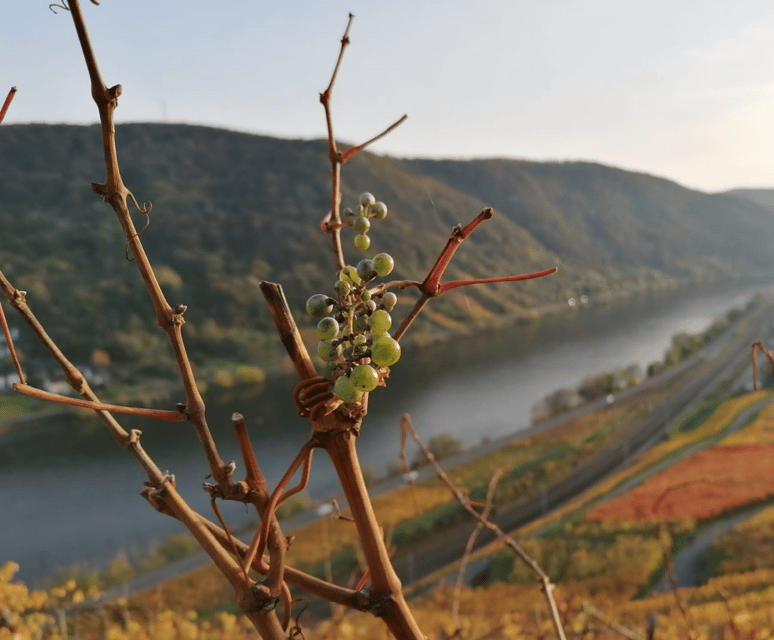
- Napoleon’s footsteps: the route follows a path that Napoleon Bonaparte already walked
- Nature you can actually spot: vineyards, dry stone walls, meadows with fruit trees, and more habitats
- A real vineyard walk, not a photo stop: leisurely uphill with a guide speaking throughout
- Taste plan built in: one Secco welcome plus three selected wines from the cellar
- Big views on the return: a final look over the Moselle valley toward Koblenz
- Rain or shine: expect a trail walk of about three kilometers
Why this Koblenz wine tour feels different from a standard tasting
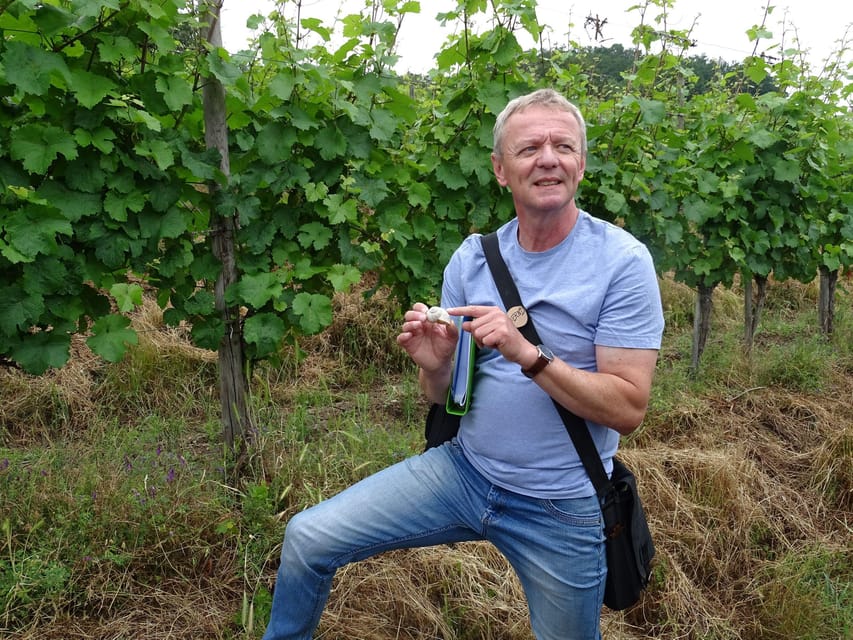
This is not the usual sit-down tasting where you focus on labels and stop. Here, wine is part of the walk. You’ll start at Weingut Lunnebach, then move through the Moselle vineyard world—up close and on foot—so the tastings land in context. The guide links flora, soils, and farming choices to the wines you drink.
I also like that the vibe is hands-on. You’re handed the tools (a wine glass and glass holder) and then you’re guided from station to station. It keeps the pacing easy and makes it harder to get bored. And because it’s structured around nature habitats, you’re not just looking at vines—you’re looking for the living stuff around them.
One more reason it works: the group stays together. On one run, a group of about 20 people was mentioned, and the way the guide spaced comments along the route made it easy to follow without getting stranded behind. That matters more than you’d think, especially if you’re not sure where to look.
Weingut Lunnebach: the Secco welcome and the Riesling mindset
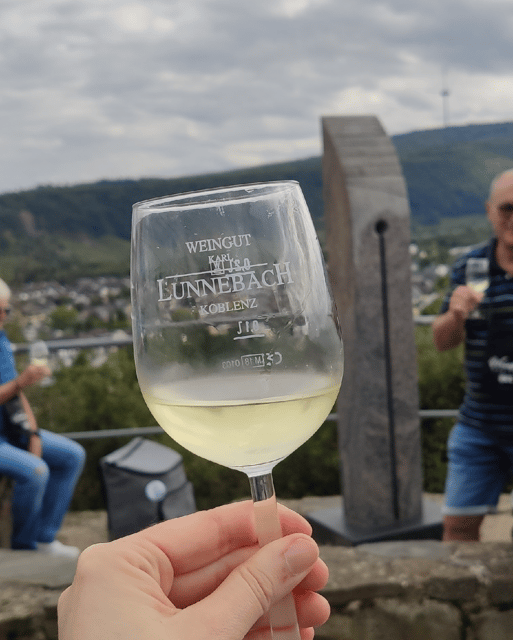
You begin at Lunnebach winery. Riesling is the star grape here, and the tour frames why that matters on the Moselle. The vines grow on steep slopes, and the grapes ripen on slate-shaped soils with the kind of sun exposure that helps produce wines described as fruity and mineral.
Before the walking starts, you’re greeted with a welcome secco. That first pour does two useful things. First, it sets a relaxed tone, so you’re not “warming up” while everyone else is already in tasting mode. Second, it gives you something to focus on while the guide sets up the day’s themes: viticulture, geology, and the natural life that depends on how people farm the hills.
I like that the winery’s approach is explained as near-natural viticulture—meaning the goal isn’t to manage the vineyard like a factory floor. That connects to why the tour talks about biodiversity as more than a buzzword. When farming is done with nature in mind, it usually shows up in the variety of plants and animals around the vines.
The path uphill: 3 kilometers of Moselle habitats for your senses
The walk portion is about three kilometers and goes leisurely uphill. It’s not a punishing hike, but it is a real climb. Comfortable shoes matter, and if you’re sensitive to hills, plan to take your time and let the group set the pace.
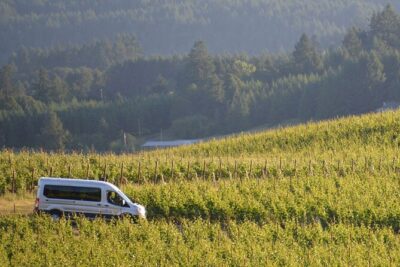
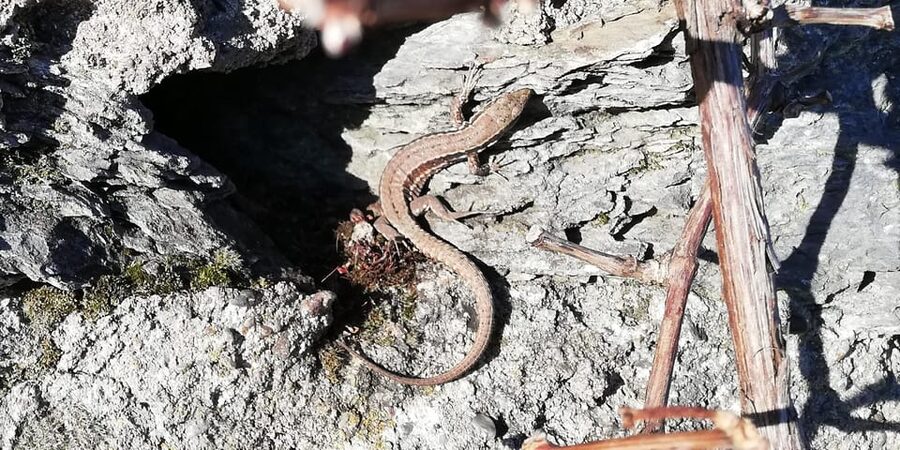
What you’re walking through feels like a guided walk through different micro-neighborhoods. You’ll cover vineyards, dry stone walls, fallow land, meadows with fruit trees, and even the Brauewald area the guide points out. This isn’t just scenic. Each habitat supports different insects, birds, reptiles, and mammals—so the guide can point out what belongs where.
The “for all the senses” part is practical. The guide doesn’t only list facts; they connect sightings and sounds to the vineyard ecosystem you’re moving through. You might look at flowers and herbs, then hear why certain insect activity is important. You might spot a reptile or bird, then learn what the surrounding habitat makes possible.
And yes, there’s also the fun historical twist. The path has a connection to Napoleon Bonaparte, who walked along it. It’s a small detail, but it changes how you see the route. Instead of feeling like you’re walking through a random slope, you feel like you’re walking through an old corridor of travel and work.
Wine growing on slate slopes: what the geology lesson changes about the tasting
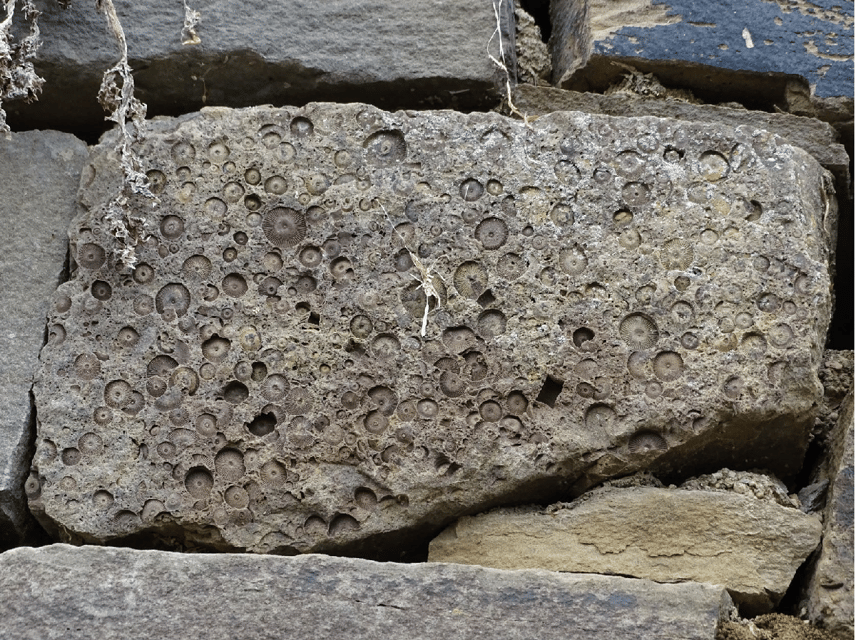
After you settle into the rhythm of the hike, the guide shifts into why Moselle wine tastes the way it does. You get history and geology context tied directly to the vineyard you’re standing in.
The big idea you’ll carry into the tasting: slate-shaped soils and steep slopes are not just trivia. They shape drainage, ripening pace, and the stress the vine experiences. That stress, plus the sun exposure, is part of how Riesling can end up tasting both fruity and mineral, rather than just sweet or flat.
If you’re the type who usually thinks of wine as something you taste in a glass and nothing else, this lesson is worth it. When you understand what the vine is dealing with—slope, soil, exposure—you notice more on the palate. The guide’s explanations give you vocabulary and a mental picture, so you’re not guessing during the pours.
This is also where near-natural viticulture comes back around. If the vineyard is managed in a way that protects nature, it tends to support a more balanced ecosystem. For you, that means the tour keeps returning to biodiversity: what grows, what lives, and how vineyard work can influence it.
Tasting details: welcome Secco plus three selected wines
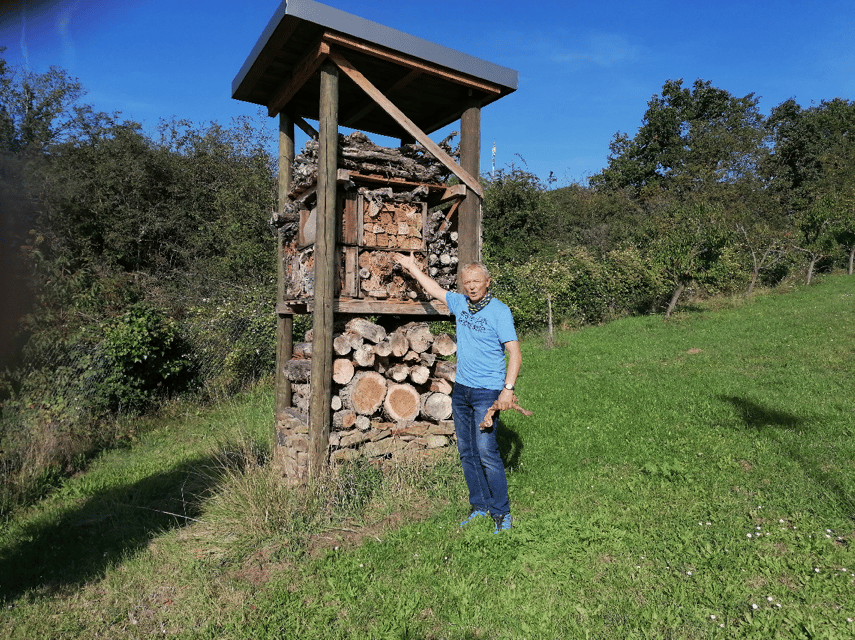
Wine is built into the hike, not tacked on at the end. You start with the welcome secco at Lunnebach. Later, you’ll taste one secco and three selected wines—so four total tasting moments are part of the 3-hour plan.
The tastings are guided, which helps if you don’t know a lot about Moselle varieties or winemaking terms. The guide’s job is to connect each pour to what you just learned in the vineyard. That makes the differences easier to understand. You’ll be tasting from the winery cellar selection, so you’re not just drinking random “tasting flight” labels.
A detail worth knowing: some sessions may include small bites during the last tasting moment. That comes from what’s been described for end-of-tour hospitality, and it’s exactly what you want—something light to keep your taste buds fresh after a walk plus multiple pours.
Also, pace matters. Because you have a glass and holder and the guide schedules the talk around stops, the tasting doesn’t feel like you’re rushing or juggling. You can actually take notes or just enjoy the flavors without the frantic group energy that sometimes happens on wine tours.
The return view toward Koblenz: why the finish matters
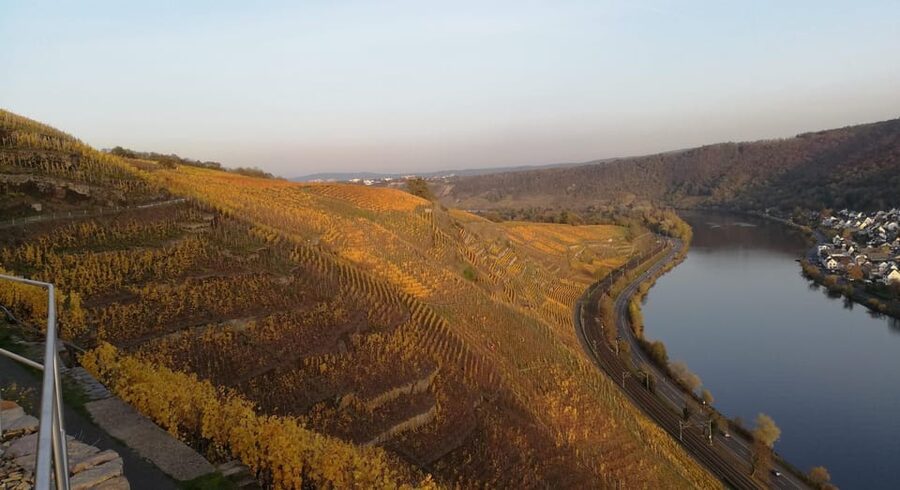
The hike wraps with a view over the Moselle valley to the city of Koblenz. It’s not just a pretty backdrop. This finish turns everything you learned into a final picture.
You’ll have spent the walk learning about soils, habitats, and vineyard structure. Seeing the wider valley at the end helps you understand why the Moselle works as a wine corridor—steep slopes, water influence, sun patterns, and settlement history all come together visually.
This is also a good moment for slowing down. You’re no longer trying to keep up with explanations at every point. Instead, you can let the day’s impressions settle: the notes from the vineyard, the flavor memory from the wines, and the feeling that you actually experienced the region rather than just hearing about it.
Who should book this Moselle wine hike (and who might not love it)
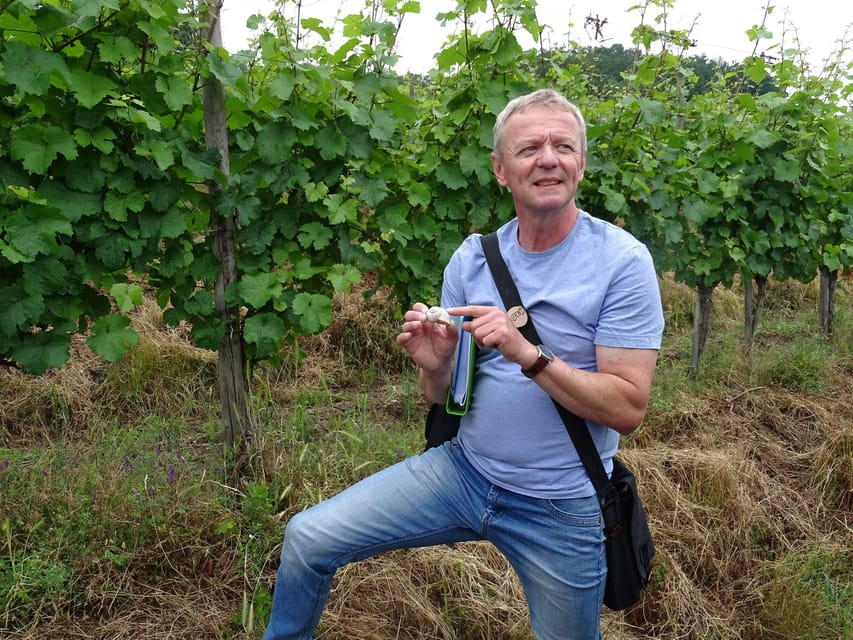
This tour is a strong fit if you want a wine experience with a nature focus. If you like walking, noticing plants, and learning why vineyards are living ecosystems, you’ll get real value. It’s also a great option for people who find wine tastings too formal. The structure is casual, but the information is specific enough to make the tastings meaningful.
It’s also a good choice if you’re traveling with someone who isn’t a “wine nerd.” The nature side gives plenty to talk about even if wine knowledge is limited. And if wine is your thing, the Riesling and soil context give you something more than generic tasting chatter.
Two things could make it less ideal. First, it’s exclusively in German, so you’ll want at least basic German comprehension (or you’ll mostly enjoy the walk and scenery without following every nuance). Second, it takes place rain or shine, and the trail is uphill for about three kilometers. If that sounds like a stressor, consider a different format with less walking.
And based on what’s explicitly stated, it’s not suitable for people with mobility impairments or wheelchair users.
Price and value: is $30 fair for 3 hours of wine and nature?
At about $30 per person for 3 hours, you’re paying for more than three or four pours. You’re paying for a guided walk, vineyard interpretation, and a structured tasting that stays connected to the landscape you’re moving through.
Here’s the value logic that makes this price feel reasonable:
- You get a Secco welcome plus three selected wines from the winery cellar. That’s the core alcohol cost.
- You also get an on-foot guide experience that covers viticulture, geology, and biodiversity. That’s labor and expertise, not just a tasting room.
- The tour includes time outdoors with views toward Koblenz, which you can’t replicate at home with a simple wine purchase.
If your goal is only to drink wine with no walking and no nature focus, then you might find a cheaper tasting-only option. But if you want a day that feels like you actually learned the Moselle—how it’s farmed, what grows around it, and why Riesling here has a particular style—this price is easier to justify.
Should you book Koblenz: The Living Vineyard, Nature & Wine Enjoyment?
Book it if you want a guided Moselle vineyard hike that connects wine to real biology and real terroir. It’s especially worth it if you enjoy outdoors time, don’t mind a gentle uphill walk, and want a tastings-with-context format in German.
Skip it if you need a fully English tour, you can’t handle rain-or-shine walking, or you want something flat and minimal. And if steep slopes sound like a problem for you personally, trust that instinct—this one is built around the climb.
If you do book, go with comfortable shoes, a relaxed pace, and an open mind. You’ll leave with wine in your glass and the Moselle’s living vineyard in your head.
FAQ
What’s the duration of the Koblenz living vineyard tour?
It runs for about 3 hours.
Where does the tour start?
The meeting point is at Weingut Lunnebach.
What will I taste during the tour?
You’ll have a welcome secco, and you’ll also taste three selected wines.
Is the tour canceled if it rains?
No. The tour takes place rain or shine.
How long is the walk and is it difficult?
The trail is about three kilometers and is described as leisurely uphill.
What language is the tour conducted in?
The tour is conducted exclusively in German.
Is the tour suitable for wheelchair users or mobility impairments?
No. It is not suitable for people with mobility impairments or wheelchair users.