REVIEW · MONFORTE D ALBA
Monforte d’Alba: Barolo Tasting, Vineyard & Cellar Visit
Book on GetYourGuide →Operated by Podere Gagliassi · Bookable on GetYourGuide
Barolo tastes different after you walk the rows. At Podere Gagliassi in Monforte d’Alba, you’ll connect the flavors to real hillsides, then finish with a vertical tasting that shows how Barolo changes with time. It’s a smart, compact experience for anyone who wants more than a quick sip and a quick photo.
I love how the guide leads you through the vines and explains the terroir behind Langhe Barolo, including how the winery manages about 19 hectares. I also love the vertical tasting of Barolo from the 2018, 2019, and 2020 vintages, because it makes aging feel practical instead of theoretical.
One consideration: transportation isn’t included, so you’ll want to plan how you’ll get to Località S. Anna, 84 and back. Also, wear comfortable shoes since there’s a guided walk.
In This Review
- Quick highlights
- Barolo at Podere Gagliassi: why Monforte d’Alba matters
- Meeting at Località S. Anna, 84 and finding your way
- The vineyard walk: 30 minutes of terroir you can actually see
- Underground cellar visit: where tradition meets the glass
- Vertical Barolo tasting (2018, 2019, 2020): how aging shows up fast
- Snacking, grissini, and a little time to shop
- What you’re really paying for: $35 for 2 hours of value
- Who this tour fits best (and who might prefer another plan)
- What to do to get the most out of your tasting
- Should you book the Podere Gagliassi Barolo tasting and cellar visit?
- FAQ
- How long is the Podere Gagliassi Barolo tasting and cellar visit?
- What does the tasting include?
- Where is the meeting point?
- What languages are offered for the guide?
- Is transportation to and from the winery included?
- What should I bring?
Quick highlights
- Vineyard tour on ~19 hectares with clear explanations of Langhe terroir
- Historic underground cellar visit tied to how the winery works today
- Vertical Barolo tasting (2018–2020) to spot differences by vintage
- Small group capped at 10 so questions don’t get lost
- Grissini + local snacks during the tasting portion
- Easy 2-hour format that fits well between lunch and dinner plans
Barolo at Podere Gagliassi: why Monforte d’Alba matters
Monforte d’Alba sits in the heart of the Langhe, the part of Piedmont where wine folks go when they want to talk about place—soil, slope, exposure, and the way seasons leave fingerprints on the glass. What makes this stop worthwhile is that it’s not just a tasting room script. At Podere Gagliassi, you start outdoors and you end underground, so the story has a physical rhythm: vines first, cellar second, then tasting while the guide ties it together.
The winery is organic, and that shows up in the way they frame their farming and the emphasis on the vineyards as the engine of the wine. Even if you’re not a farming-nerd, you’ll feel the difference in how grounded the explanations are. Instead of “this is a great bottle,” you get “this is why the bottle tastes like this.”
You can also read our reviews of more tours and experiences in Monforte D Alba.
Meeting at Località S. Anna, 84 and finding your way
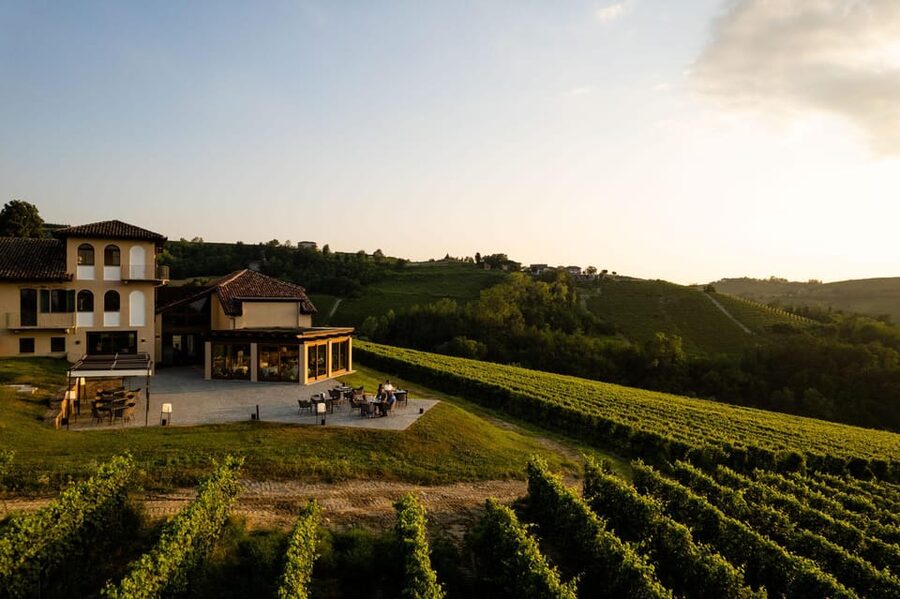
Your experience begins at Località S. Anna, 84, with the winery on the right. That “on the right” detail sounds tiny, but when you’re in rural wine country, it saves time and stress. Bring your camera and keep it handy—this is one of those days where you’ll want photos not just of the wine, but of the viewpoint along the route.
You’re also in a small group limited to 10, which changes the vibe. The guide can pace things without rushing, and you’ll likely get time to ask follow-up questions while you’re still thinking about what you’re seeing.
Finally, the tour runs about 2 hours, so you’re not committing your whole day. That matters if you’re using the Langhe as a base to explore villages, lookouts, and other tastings too.
The vineyard walk: 30 minutes of terroir you can actually see
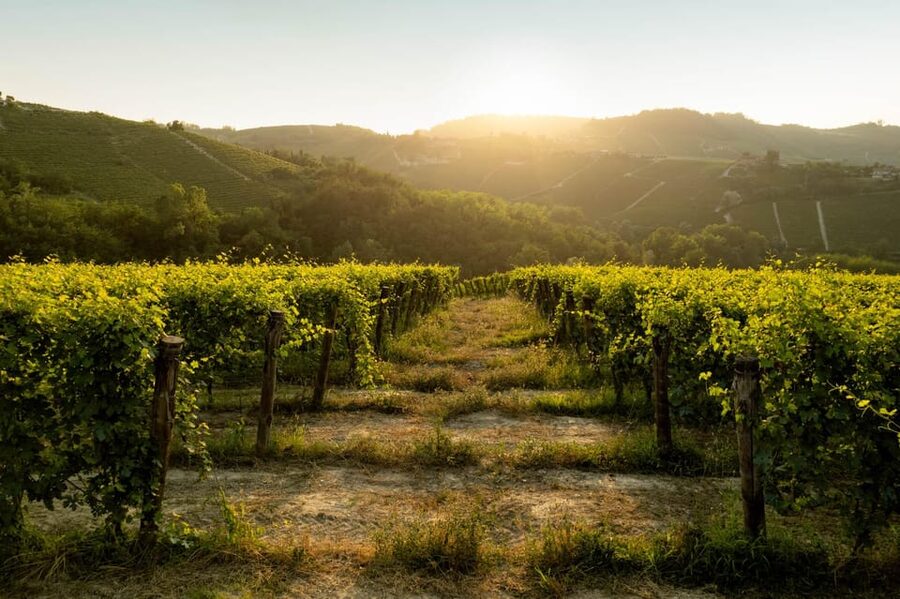
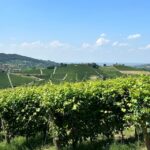
The first on-the-ground segment includes a photo stop and then a guided walk through the vineyards. Expect a mix of scenery on the way plus time to stop and look carefully at what’s around you. This is where the tour earns its keep: the guide doesn’t treat terroir like a buzzword. They connect the vineyard setting—variety of conditions across the property, the way the site is managed, and the logic behind the farming choices—to what you’ll taste later.
Podere Gagliassi manages about 19 hectares, so you’re not just hearing about one tiny patch. You’re hearing about a working landscape and how the winery approaches it. You might not memorize every detail, but you’ll notice the guide’s point: Barolo isn’t only a grape or only a cellar decision. It’s built from the ground up, then shaped as it matures.
Practical advice: wear shoes with grip. Even a short vineyard walk can mean uneven ground, and you’ll want to stay focused on the views and the explanations, not on adjusting your footing.
Underground cellar visit: where tradition meets the glass
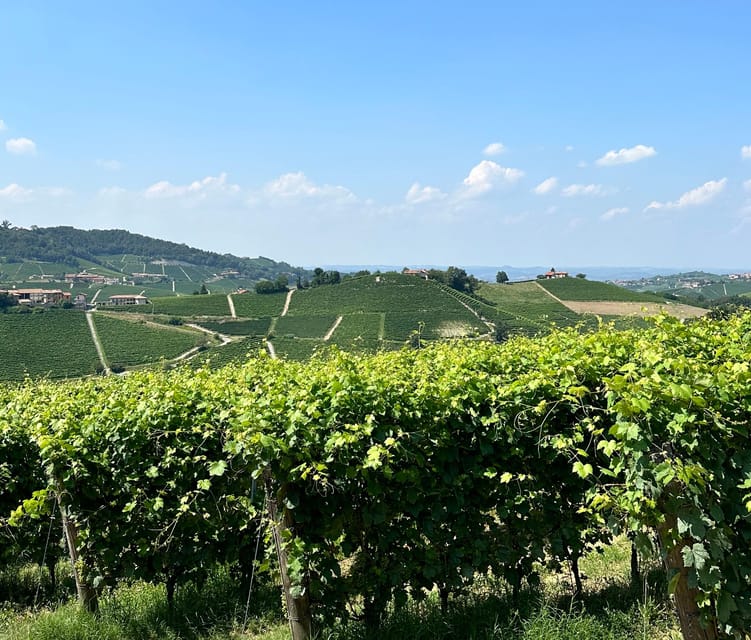
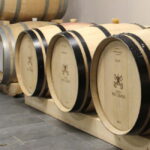
Next you step into the winery for a cellar visit with time for both guided and self-guided exploring. The cellar is historic and underground, and that matters because it affects how you interpret winemaking. When you stand somewhere built to stay stable in temperature and humidity, the process feels less like mystery and more like physics plus craft.
During this portion, you’ll learn how tradition and innovation meet in the winemaking process. The exact technical talk can vary depending on the guide and the group’s questions, but the overall value is consistent: you get context for what happens after the vineyard.
If you’re the type who likes to understand why wine tastes the way it does, this stop is the glue. It sets up your tasting so you can better separate what you’re experiencing in the glass:
- vineyard-driven character (varietal and site)
- cellar choices (how the wine is handled)
- time in bottle (how it evolves)
Vertical Barolo tasting (2018, 2019, 2020): how aging shows up fast
Now for the part that wine people love and non-wine people usually respect: the vertical tasting. You’ll taste Barolo from the 2018, 2019, and 2020 vintages, then the guide walks you through how time and aging shape the wine.
A vertical tasting is valuable because it’s controlled learning. Instead of comparing different producers or different styles, you compare the same wine family across time. That makes patterns easier to spot. You’ll likely notice changes in things like:
- aroma intensity and how it presents itself
- tannin feel and structure
- how the fruit and the more savory notes balance
- whether the wine feels tighter and more reserved or more open
Even in a short session, tasting across three vintages can train your palate quickly. You start noticing that “Barolo” isn’t one single moment—it’s a curve. Some vintages lean toward youth and structure; others can feel more expressive sooner. The guide helps you put language to what your nose and tongue are already sensing.
Also, vertical tasting is ideal for anyone planning future purchases. If you ever wondered how to think about drinking windows, this is the closest thing to a practical cheat code you’ll get in 2 hours.
Snacking, grissini, and a little time to shop
The tasting portion includes grissini and local snacks, which is more than a small perk. Food softens the edges of tannins and makes the tasting sequence more comfortable, especially if you’re sampling more than one pour. It also helps you reset your palate so you can focus on differences between vintages rather than feeling overwhelmed.
After you finish tasting, you get a short window for wine shopping. This is where you can put your new knowledge to work. If a specific vintage clicked for you, this is when you can act on it while it’s still fresh in your mind.
Quick tip: don’t overthink it during the tasting. Pick the bottle that matches what you want to feel when you open it later—lighter and fresher now, or more built-for-time.
What you’re really paying for: $35 for 2 hours of value
At $35 per person for a 2-hour format, you’re paying for four main things: guided vineyard context, cellar access, a structured tasting, and small-group attention. Compared with the “just pour wine and smile” experiences, the value here comes from sequence and explanation. Starting with the vineyard and ending with a vertical tasting makes your $35 feel like education you can taste.
The small-group cap of 10 is part of that value. You’ll spend time with the guide rather than waiting for the group to catch up. That’s especially helpful when you’re trying to understand what makes Barolo Barolo across years.
You should still factor in what’s not included: transportation and meals. In practice, that means this tour works best if you’re staying nearby or you’ve arranged a ride. For meals, plan something before or after so you don’t end up timing your day around hunger.
Who this tour fits best (and who might prefer another plan)
This experience is a strong match if:
- you want a clear, guided introduction to Barolo without spending half a day in a car
- you’re curious about Langhe terroir and how it connects to flavor
- you like structured tasting formats like a vertical approach
- you enjoy small groups and live Q&A
You might consider a different plan if you:
- want a full-day deep dive with multiple stops (this one is compact by design)
- dislike walking, even short walks, since there’s a guided vineyard portion and you’ll want comfortable shoes
- can’t plan transportation to Località S. Anna, 84 (since rides aren’t provided)
What to do to get the most out of your tasting
A few habits make a big difference in a short wine session:
- Bring a camera and use it during the viewpoints and vineyard stops, not only at the end.
- Take two quick notes per vintage: one for aroma and one for tannin feel. You’ll thank yourself later.
- Don’t try to “win” the tasting. Listen to the guide’s explanations, then confirm with your own senses.
- If you’re buying wine at the end, pick based on what you liked in the glass, not on what you think you should like.
The strongest praise tied to this experience tends to be about the quality of the wines and how clear and engaging the visit feels. You’ll likely leave with a better sense of what Barolo does across years, and that’s the kind of knowledge that sticks.
Should you book the Podere Gagliassi Barolo tasting and cellar visit?
If you’re in the Langhe and you want a focused, high-value Barolo experience, I’d book this. The combination of a vineyard tour tied to terroir, a cellar visit in a historic underground setting, and a 2018–2020 vertical tasting makes it feel genuinely educational for the time and price.
Book it especially if you like learning through doing: you see the vines, you visit the cellar, then you taste the aging story in the same 2-hour window. Skip it only if transport is your weak point or if you’d rather spend your time on longer multi-stop wine routes.
FAQ
How long is the Podere Gagliassi Barolo tasting and cellar visit?
The experience lasts about 2 hours.
What does the tasting include?
You’ll do a vertical tasting of Barolo from the 2018, 2019, and 2020 vintages, plus grissini and local snacks.
Where is the meeting point?
The meeting point is Località S. Anna, 84. You’ll find the winery on the right (Podere Gagliassi).
What languages are offered for the guide?
The live tour guide speaks Italian and English.
Is transportation to and from the winery included?
No, transportation to and from the winery isn’t included.
What should I bring?
Wear comfortable walking shoes and bring a camera to capture the scenic views.