REVIEW · DORGALI
Sardinia: Dorgali Winery Tour with Tasting and Local Guide
Book on GetYourGuide →Operated by Escursì · Bookable on GetYourGuide
Winery tours in Sardinia can be hit-or-miss. This one is built for flavor and easy learning, with a vineyard visit and a guided tasting of local specialties that stay connected to place.
I love that you taste three wines from a well-regarded winery, not just one quick pour, and that the tasting is paired with Sardinia staples like cured meats, cheeses, bread, and su frue. I also like how the hosts explain what you’re tasting through the territory, vineyards, and traditional methods, so it feels less like drinking and more like understanding.
One thing to consider: this is a short 2-hour experience at a working winery area reached at the end of a dirt road, so it’s best if you’re comfortable with a rural setting and staying focused through the full tasting.
In This Review
- Key highlights to know before you go
- Finding the Dorgali winery at the end of a dirt road
- Vineyard walk: vineyard rows, winemaking procedures, and a view
- The tasting lineup: Cannonau and Vermentino, plus olive oil
- Minor-friendly approach
- The food pairing you should pay attention to
- The stories behind the flavors: territory, traditions, and what to notice
- Price and value: why $66 can make sense
- Duration and logistics: the pace you should expect
- Who this tour suits best
- Tips to make the most of it
- Should you book the Dorgali winery tour with tasting?
- FAQ
- How long is the Sardinia Dorgali winery tour?
- How much does the tour cost?
- What do I taste during the tour?
- Which wines are included in the tasting?
- What local food is served with the tasting?
- Is the tour guided, and what language is used?
- Is this tour suitable for young children?
- Are pets allowed?
- Do I get advice on nearby places to visit?
Key highlights to know before you go
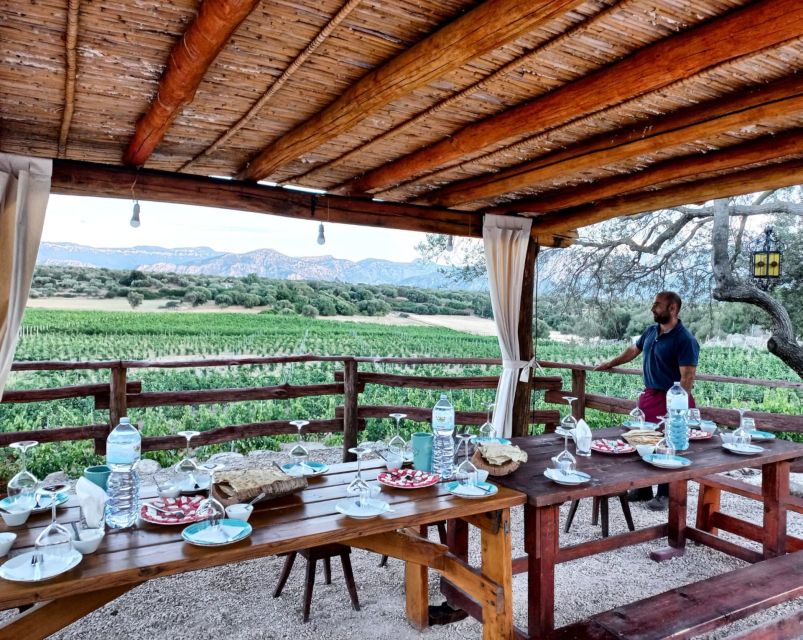
- Three tastings, not one: Cannonau rosé, Vermentino di Sardegna, and Cannonau in two styles
- Olive oil included: Extra virgin olive oil tasting comes alongside the wines
- Food pairing matters: Bread with cured meats and local cheeses like su frue
- Vineyard walk with context: Learn winemaking procedures while looking at the vineyard rows
- Sardinia outdoors views: Green mountains panorama in central Sardinia from the winery area
- Practical local guidance: Advice on archaeological and natural sites you can visit nearby
Finding the Dorgali winery at the end of a dirt road
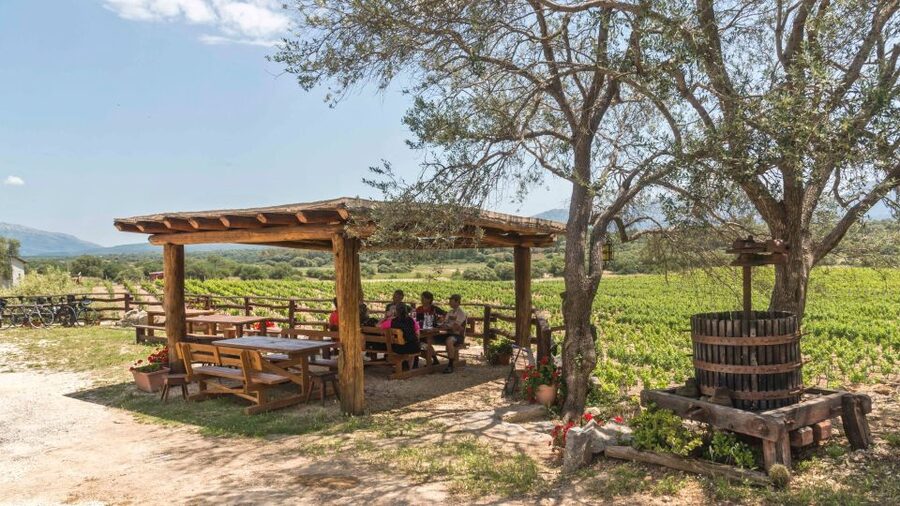
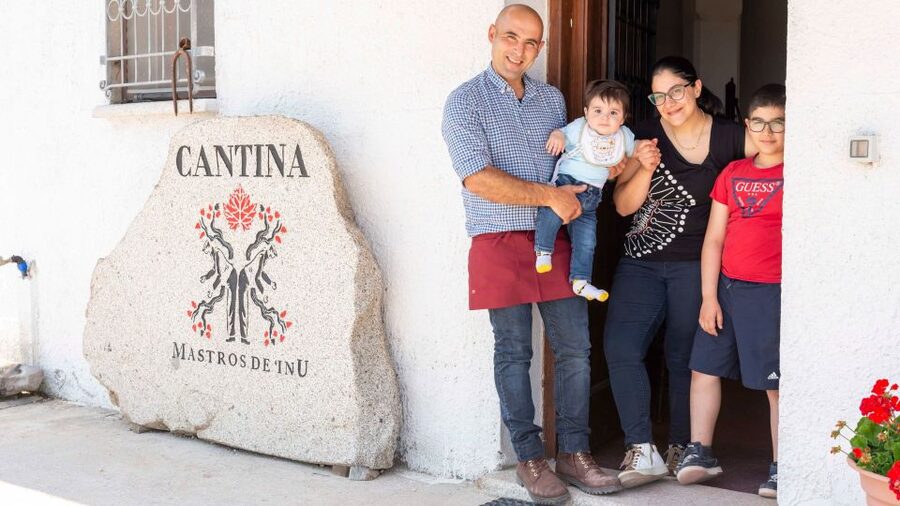
This tour happens in the Dorgali area in central Sardinia, at a family-run winery where you’ll get a close-up sense of how wine and everyday local food culture overlap. The meeting point is at the winery itself, specifically at the end of a dirt road, so plan on slow down-and-smell-the-wine energy as soon as you arrive.
You’ll be welcomed on-site and guided through what the property produces and why it tastes the way it does. That matters because Sardinian wines can feel confusing if you only read labels and sip. Here, you’re given the human context: small-scale traditions, what’s happening in the vineyards, and how the producers think about quality.
If you’re coming with high expectations of fancy city hospitality, adjust your mindset. This is rural, hands-on, and family-oriented. The vibe from the experience feedback is consistent: warm reception, good explanations, and a clear effort to make you feel welcome without turning it into a performance.
Vineyard walk: vineyard rows, winemaking procedures, and a view
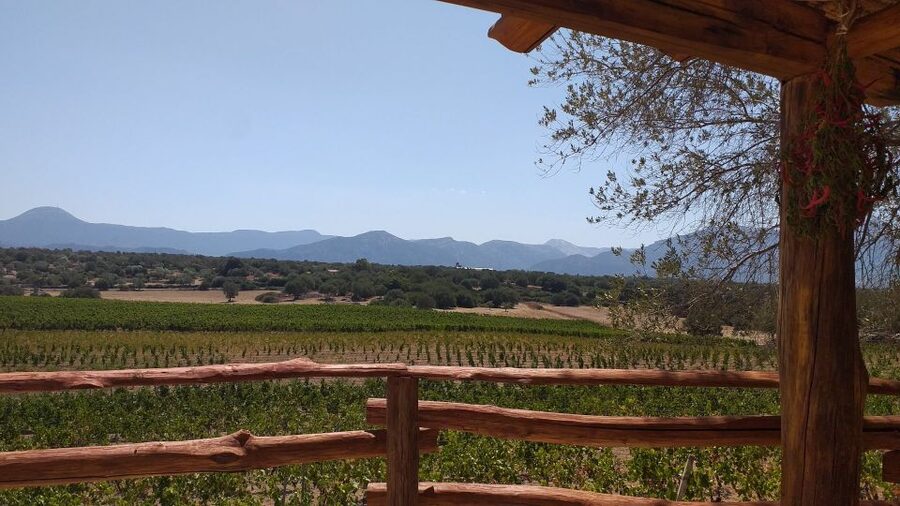
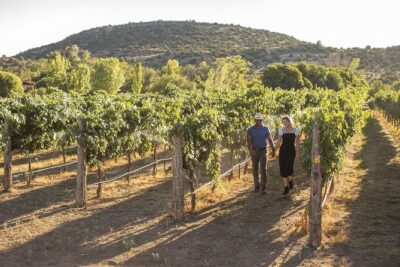
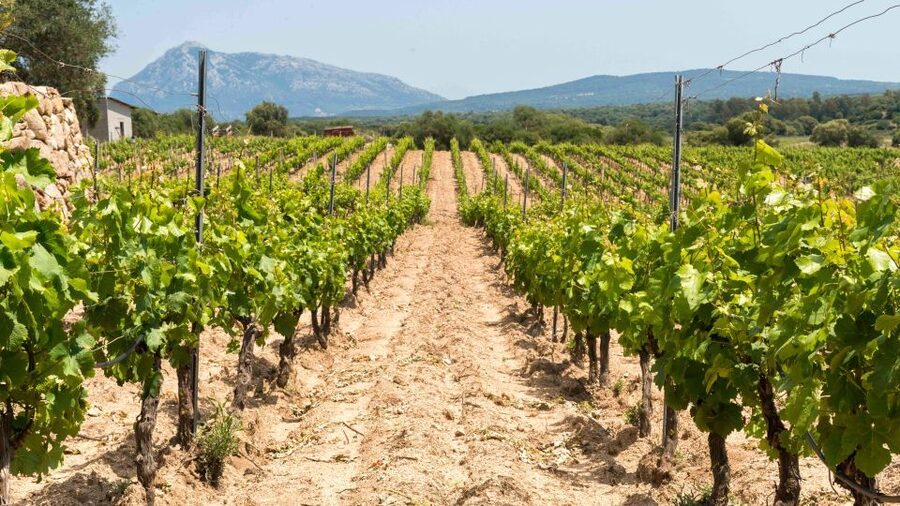
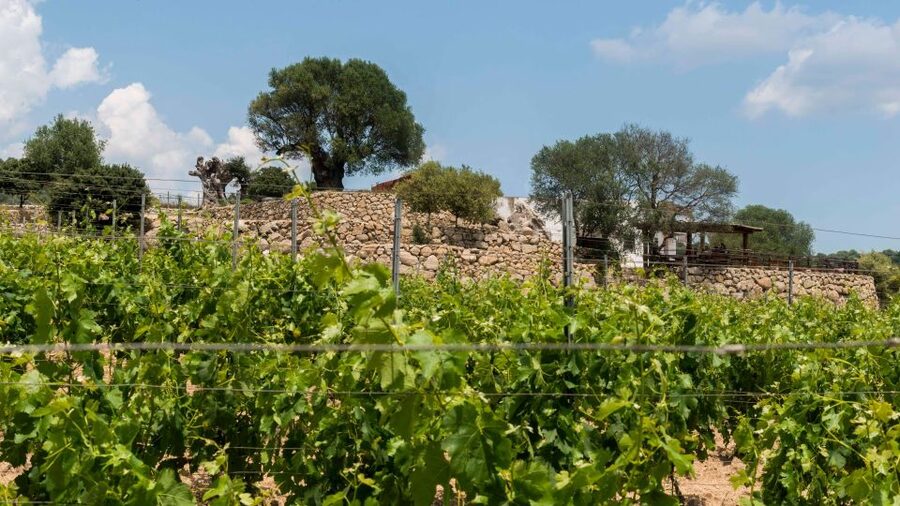
The tour portion starts with a walk around the vineyard where you’ll hear about winemaking procedures. This isn’t a long hike, but it’s long enough to connect the dots between vine, weather, and what ends up in your glass.
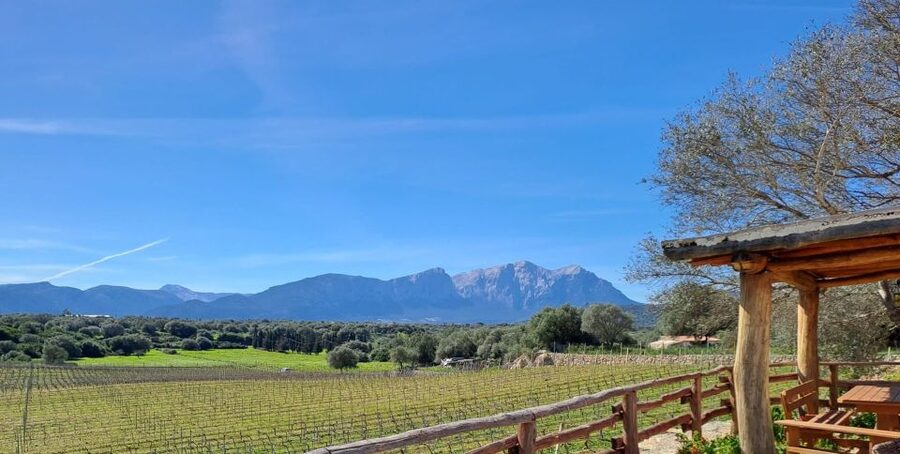
As you move through the property, you’ll also get that classic central Sardinia scenery: green mountains in the distance and tidy rows of vines closer up. Even if you’ve seen vineyard hills before, this setting helps you understand why local producers lean into specific grape varieties and traditional approaches.
What I’d look for during the vineyard portion is the explanation style. The experience is designed around an expert guide telling stories about the territory, history, and authentic traditions of this small but important corner of the island. People also highlight that the owner and hosts explain enthusiastically, which makes the vineyard talk easier to follow even if your Italian level is basic.
The tasting lineup: Cannonau and Vermentino, plus olive oil
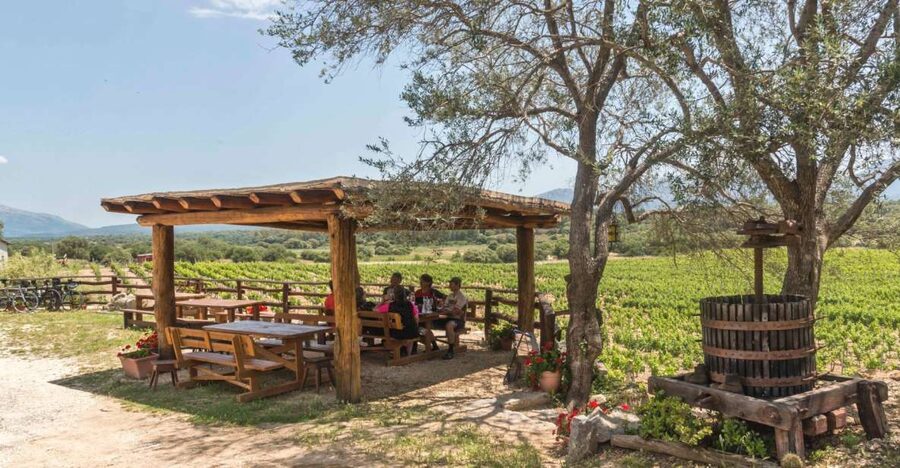
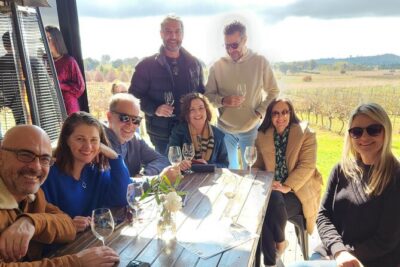
The core of the experience is the tasting, and you’ll taste three wines plus extra virgin olive oil. That’s a smart move for your money and your palate: it gives you a fuller picture of local flavors than a single-wine stop.
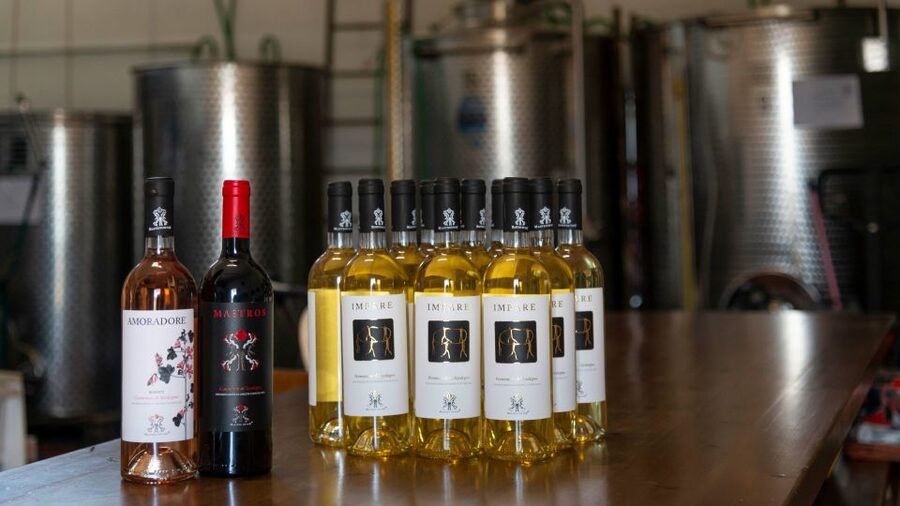
Here are the wines you’ll taste:
- Cannonau Amoradore rosé
- Vermentino di Sardegna Impare
- Cannonau Rosco Mastros
Cannonau is one of the most identified grapes from Sardinia, so tasting it in two expressions (rosé and red) is a practical way to notice how style changes the experience. Then Vermentino di Sardegna gives you a contrasting flavor direction that helps you reset your palate and understand why locals don’t rely on one type of grape character.
You’ll also include a tasting of extra virgin olive oil. Even if you think you already know olive oil, this pairing helps you taste it as a living local product rather than something that just lives in a bottle. It also makes the tasting feel more like Sardinia, not just a wine session.
Minor-friendly approach
If you’re traveling with kids or younger guests, the information says minors will have a soft drink instead of wine. That’s useful because it keeps the experience from being one-size-fits-all.
The food pairing you should pay attention to
Wine is only half the story here. The other half is the food, and it’s the kind of Sardinian snacking that teaches you what locals actually eat day to day.
You’ll be accompanied by typical specialities such as:
- Cured meats
- Cheeses including su frue
- Bread (including traditional bread options)
From the feedback, people consistently note that the variety is generous and that the pairing felt well organized rather than random grazing. One review mentions multiple types of bread, plus plenty of meat and cheese to sample. Another highlights how the hosts talked through what you were eating as well as what you were drinking.
Here’s the practical benefit: you’ll taste how salt, fat, and texture affect wine. Su frue and cured meats, for example, often make wines taste smoother and more rounded, while the bread helps you reset between sips. If you’re someone who tends to focus only on the wine and forget the food, this tasting structure gently forces you to do it right.
The stories behind the flavors: territory, traditions, and what to notice
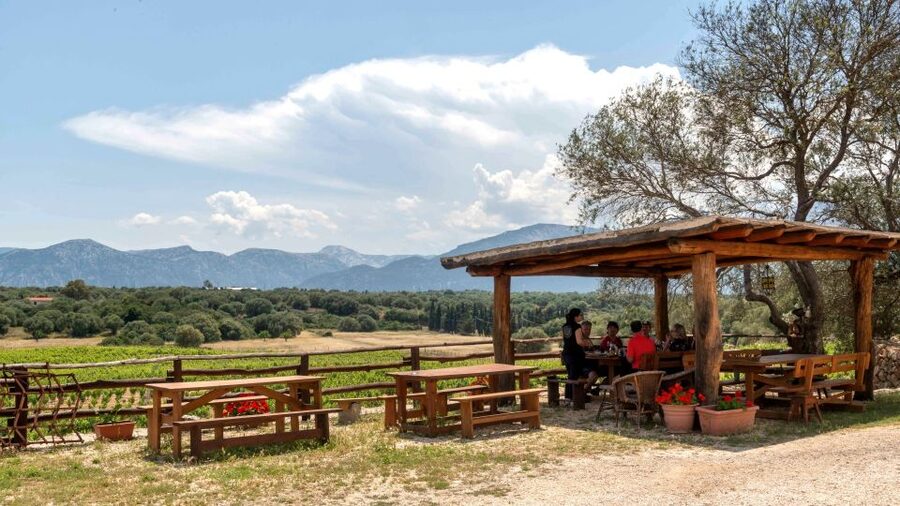
A good winery tour doesn’t just hand you wine; it helps you build a mental map. This experience is built around stories about the territory, history, and authentic traditions of the village and the island.
That shows up in how the guide frames the vineyard walk and then carries it into the tasting. Instead of repeating generic facts, the hosts connect local products and culture to what you’re tasting. If you like tours where you leave with a few clear takeaways—what to look for, what to remember, what to order next—this format fits.
You’ll also get advice on archaeological and natural sites you can visit around the winery. The value here is simple: you’re getting local thinking about what’s worth your time near Dorgali, not a vague list of places. Even if you don’t go to every stop, you’ll get smarter about how to spend your next hours.
Price and value: why $66 can make sense
At $66 per person for about 2 hours, this tour sits in a mid-range price zone for Sardinia experiences. Whether it feels like a deal comes down to what’s included, and here the package is solid.
You’re not just paying for wine tasting. You also get:
- A tour of the vineyard with explanations
- Wine and extra virgin olive oil tasting
- Typical local specialties (bread, cured meats, cheeses including su frue)
- Extra context and advice on nearby sites
If you’ve done short wine tastings elsewhere, you know how easy it is to pay for a couple pours and a tiny bite. Here, the structure is more complete: multiple wines (including two Cannonau expressions), olive oil, and a real local plate. That makes the time feel efficient. It’s the kind of experience you can realistically fit into a day exploring Dorgali without committing to a full afternoon.
Duration and logistics: the pace you should expect
This is a 2-hour tour, confirmed with at least two participants. That short duration is part of why it works: you get a full flavor experience without a long commitment.
The guide is Italian, so if you only speak a little Italian, you may rely on gestures and shared explanations. Based on the feedback, the hosts seem to explain clearly and enthusiastically, which usually makes language differences easier to handle.
Also note what’s not allowed or not suitable:
- Pets are not allowed
- Not suitable for children under 4 years
- For minors, a soft drink is offered instead of wine
None of that is unusual, but it helps you plan if you’re traveling with family or a pet.
Who this tour suits best
This works best if you want:
- A guided, local-driven tasting (not a self-guided stop)
- A chance to learn while you taste
- A balanced plate of wine plus olive oil plus real local food
- A short experience that still feels complete
I’d especially point it to couples, friends, and travelers who like small, family-run places. If you’re traveling solo, it’s still a good fit because the group structure is likely small and the focus is on conversation and explanation rather than rigid pacing.
If you want something like a big bus tour with lots of sightseeing stops, this isn’t that. This is a focused winery experience.
Tips to make the most of it
- Come hungry for the food. The tasting includes bread, cured meats, cheeses, and su frue, so your palate will thank you.
- Ask questions during the vineyard walk. That’s when the wine explanations make the most sense.
- Taste with water-friendly pacing. You’ll sample multiple wines and olive oil; slow down between tastings so you can actually tell the differences.
- Wear comfortable shoes. You’ll be moving around the winery area and likely walking on uneven ground near vineyards.
- Plan your next stop nearby. Since you’ll get advice on archaeological and natural sites around the winery, keep time flexible afterward.
Should you book the Dorgali winery tour with tasting?
I’d book it if you want a genuine family-run winery experience in Sardinia that combines a vineyard walk with a structured tasting: three local wines, extra virgin olive oil, and typical food like su frue. The strongest reasons are the quality of the wines, the warm welcome people highlight, and the fact that you leave with more context than you came in with.
Skip it if you’re mainly looking for a long scenic outing, a museum-style history lesson, or a high-end tasting lounge vibe. This tour’s value is in the rural, practical experience: tasting and learning in a real working setting.
FAQ
How long is the Sardinia Dorgali winery tour?
The tour lasts about 2 hours.
How much does the tour cost?
The price is $66 per person.
What do I taste during the tour?
You’ll taste three wines and extra virgin olive oil.
Which wines are included in the tasting?
The wines listed are Cannonau Amoradore rosé, Vermentino di Sardegna Impare, and Cannonau Rosco Mastros.
What local food is served with the tasting?
The tasting includes typical local specialties such as bread, cured meats, and cheeses, including su frue.
Is the tour guided, and what language is used?
Yes, it’s a live tour with a guide who speaks Italian.
Is this tour suitable for young children?
It’s not suitable for children under 4 years. For minors, a soft drink is offered instead of wine.
Are pets allowed?
No, pets are not allowed.
Do I get advice on nearby places to visit?
Yes, the experience includes advice on archaeological and natural sites you can visit around the winery.