REVIEW · KROV
Kröv/Gut Hermes: Wine tour & tasting through vineyard, winery & champagne factory
Book on GetYourGuide →Operated by Gut Hermes · Bookable on GetYourGuide
The vineyard-to-champagne-factory route is the whole point here. This Gut Hermes experience pairs a guided walk in the vineyard with a hands-on look at how wine and sparkling wine are made, then lands in a long, relaxed tasting of 9 different wines. I like that the guides keep it practical, explaining what happens in the press hall, cellar, and champagne production, and they do it in a way that feels both informative and fun. One heads-up: the vineyard portion is weather permitting, so on a rainy day you may get more time indoors than outdoors.
It’s also a strong value for a 3-hour visit because you’re not just sampling at a counter. You get the full factory and cellar tour, including the Champenoise-style process, plus the chance to ask questions during the tasting without feeling rushed. The setting matters too: the estate and winery grounds feel well cared for, which keeps the mood calm even when the day is busy.
In This Review
- Key highlights in plain terms
- Gut Hermes in Kröv: a focused winery + champagne factory combo
- Meeting in the courtyard: where your tour really begins
- Welcome champagne in the vineyard: small drink, smart start
- Vineyard tour: what to watch for when the weather cooperates
- Press hall and the grape pressing step: where you start seeing cause and effect
- The cellar visit: barrels and stainless steel side by side
- Champagne factory tour: Champenoise method, bottling, and disgorging
- The big payoff: tasting 9 wines with time to ask questions
- Value and price: why $28 feels fair for this mix
- Language, group feel, and how to get the most out of a German guide
- Who should book this tour (and who might skip it)
- Should you book Kröv/Gut Hermes?
- FAQ
- How long is the Gut Hermes Kröv wine tour and tasting?
- Is the vineyard tour always included?
- What’s included in the tasting?
- Where do I meet the group?
- Is the tour guide available in English?
- What’s the cancellation policy?
Key highlights in plain terms
- Vineyard start for a welcome sparkling drink in the adjacent vineyard area
- Press hall and grape pressing explained in a way you can actually picture
- Cellar contrast: traditional wooden barrels alongside gleaming stainless steel tanks
- Champenoise-method production walk-through with bottling and disgorging line views
- 9-wine tasting block with plenty of time to ask questions
Gut Hermes in Kröv: a focused winery + champagne factory combo
If you like your wine tours with a bit of production reality, this one makes sense. Gut Hermes isn’t only about tasting; it’s about showing you the steps, from vineyard work to the sparkling-bottle machinery. The Rhineland-Palatinate region is famous for its grapes, but this tour adds an extra layer by showing you how sparkling wine is made in the classic Champenoise method.
What I appreciate most is the pacing. In three hours, you get outdoor context (the vineyard), then the “where it happens” spaces (press hall, cellar), and finally the technical part (champagne factory). That structure helps you taste with more sense. Instead of just memorizing flavors, you can connect what you’re drinking to what you saw—barrels versus tanks, and the differences behind sparkling production.
You also get a live German guide. That’s a plus if you’re comfortable with German or want to practice. If you’re not, you can still follow along with visuals and the tasting conversation, and you’ll probably pick up key terms as you go.
You can also read our reviews of more tours and experiences in Krov.
Meeting in the courtyard: where your tour really begins
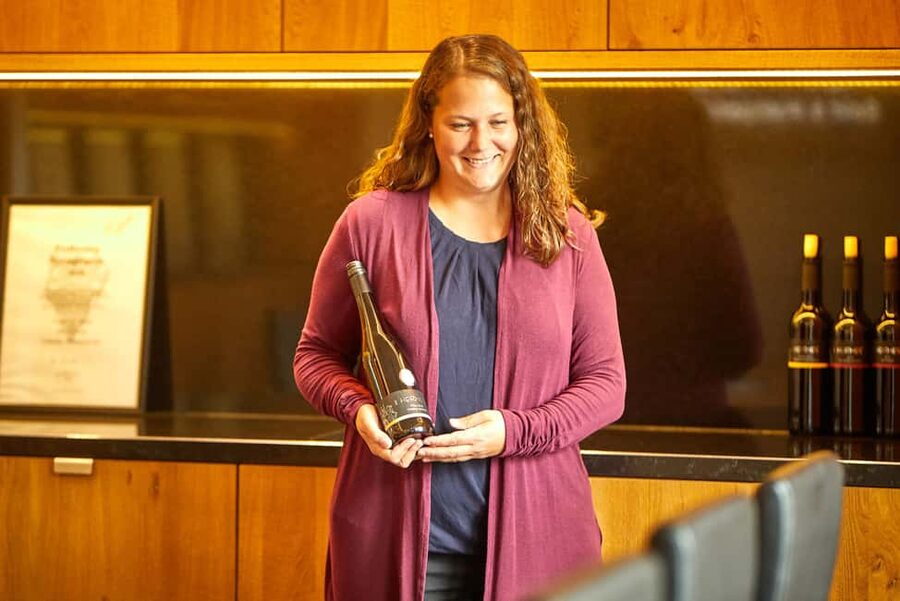
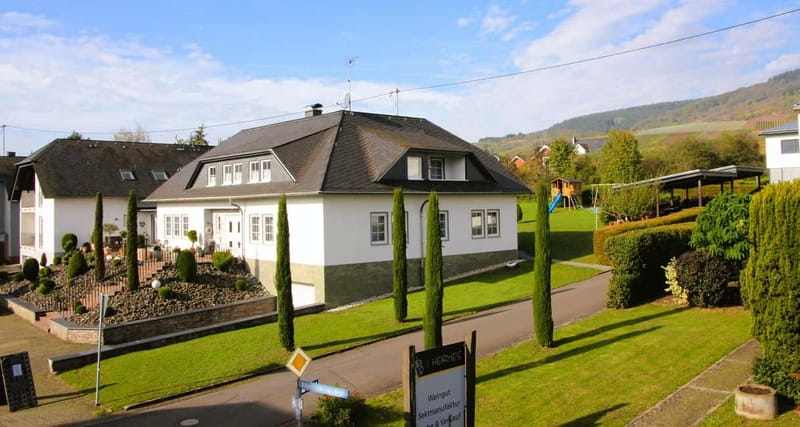
You’ll start at the Hermes winery courtyard. The path is lined with cypress trees, so it’s easy to spot the way in. Arriving a few minutes early helps because the tour begins as a group, and you’ll want time to settle in before the guide starts.
A small detail that matters: the experience includes a separate entrance to help you skip the line. That’s useful in wine country, where waiting around can steal time from the tasting part. Once you’re inside, the tour flow is built around moving from one zone to the next—vineyard first, then production areas, then wine tasting.
If you care about photos, this is one of the better parts of the morning or afternoon to capture the setting. Courtyards and paths are the kind of place you remember later when you look at your bottle photos and think, Oh, that’s where the day started.
Welcome champagne in the vineyard: small drink, smart start
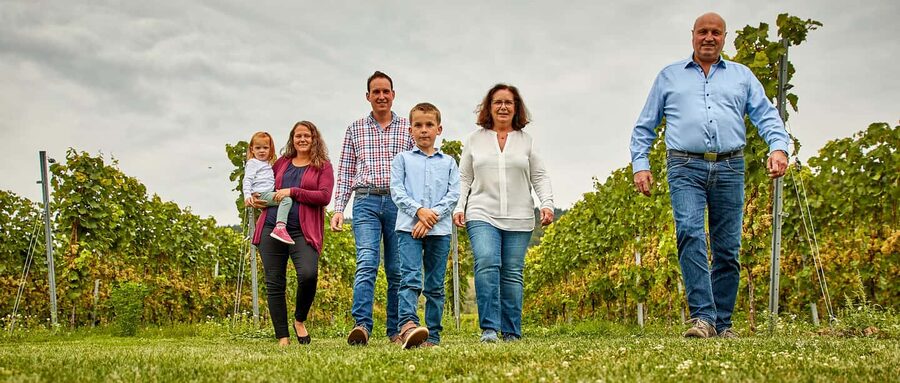
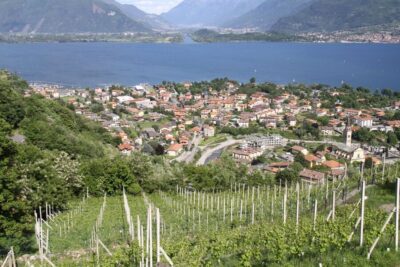
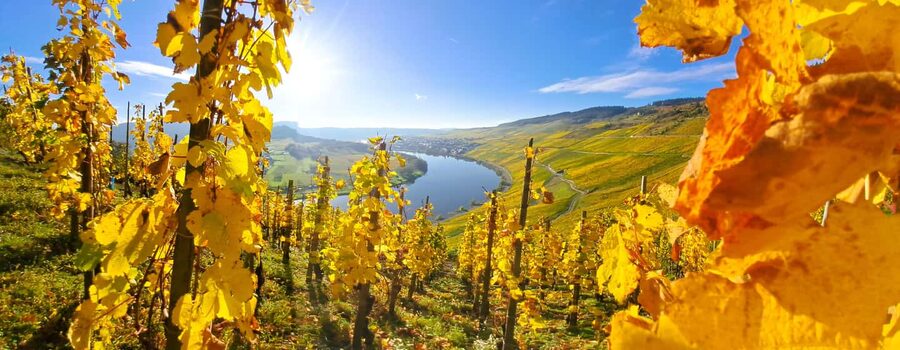
The tour kicks off with a welcome champagne in the adjacent vineyard of Gut Hermes. This is a smart move because it sets your expectations before you see anything technical. You’re standing where the grapes grow, and you start with sparkling wine in hand. That pairing makes the rest of the tour feel less like a lecture and more like a story that unfolds step by step.
During this first stop, your guide points out vineyard work and modern vineyard technology. Even if you don’t know your way around viticulture terms, you’ll get a clear sense of what’s happening before the grapes ever reach a press. The tour also mentions narrow-gauge tractors, which gives the vineyard a more specific, real-world feel than generic postcard scenery.
Weather is the only real variable here, because the guided vineyard walk is weather permitting. If conditions aren’t great, don’t panic—your tasting and indoor production stops are still the core of the experience. Just come prepared with a light layer or rain gear. In this region, the difference between sunny and drizzly can be a lot.
Vineyard tour: what to watch for when the weather cooperates
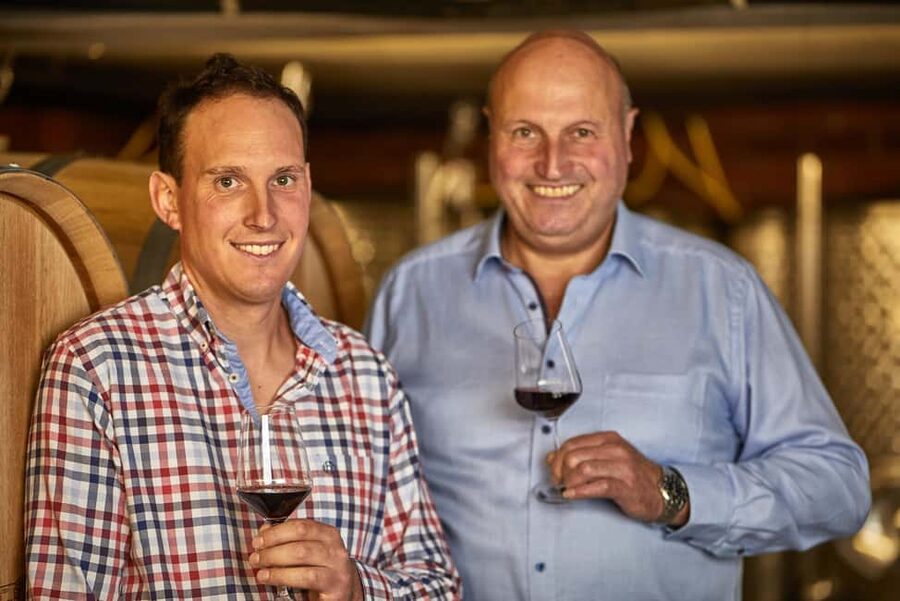
When the vineyard portion is on, you’ll get that guided walk-through view of the estate’s approach. This is where you can watch technology meet tradition: the guide shows you how the winemaking team works, and you’ll likely have time to examine equipment and practical vineyard details.
I like vineyard tours that don’t overpromise. This one doesn’t ask you to guess; it explains. You’ll see (or at least get pointed to) how grapes are handled and how the day’s work connects to later steps like pressing and cellar fermentation.
Quick tip for getting more out of the walk: focus on what the guide highlights, not on trying to memorize everything. Pick up a few anchor ideas—how the vineyard is managed, what modern tools do, and how those choices can affect the resulting wine style. Then carry those ideas into the tasting so the flavors feel tied to the process.
Press hall and the grape pressing step: where you start seeing cause and effect
After the vineyard, you move toward the wine press hall and the grape press. This part matters because pressing is one of the earliest “style decisions” in winemaking. You can taste the differences later, but the press step is where the raw fruit becomes must and begins its transformation.
This is also where a good guide earns their keep. The description promises explanations of how Gut Hermes works and how wine and champagne are made. In practice, that means you should come with questions in mind—questions about what the press does, what happens immediately after pressing, and how those early steps influence what you’ll later recognize in the wines.
If you’re the type who likes concrete visuals, this stop is for you. A press hall and equipment setting gives you something to look at while the guide explains. If you’re more of a casual taster, that’s fine too: your job is simply to connect the setting to the idea that wine isn’t magic. It’s controlled work, and it starts early.
The cellar visit: barrels and stainless steel side by side
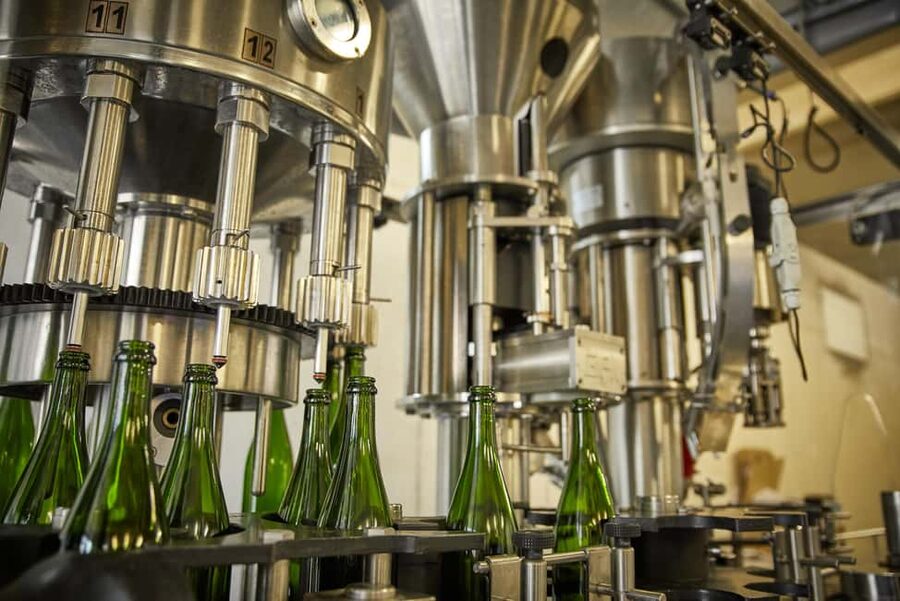
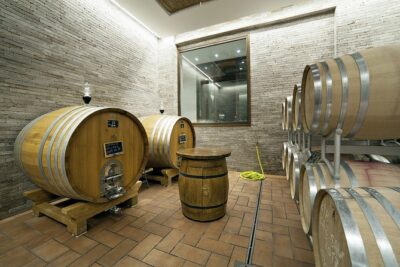
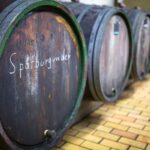
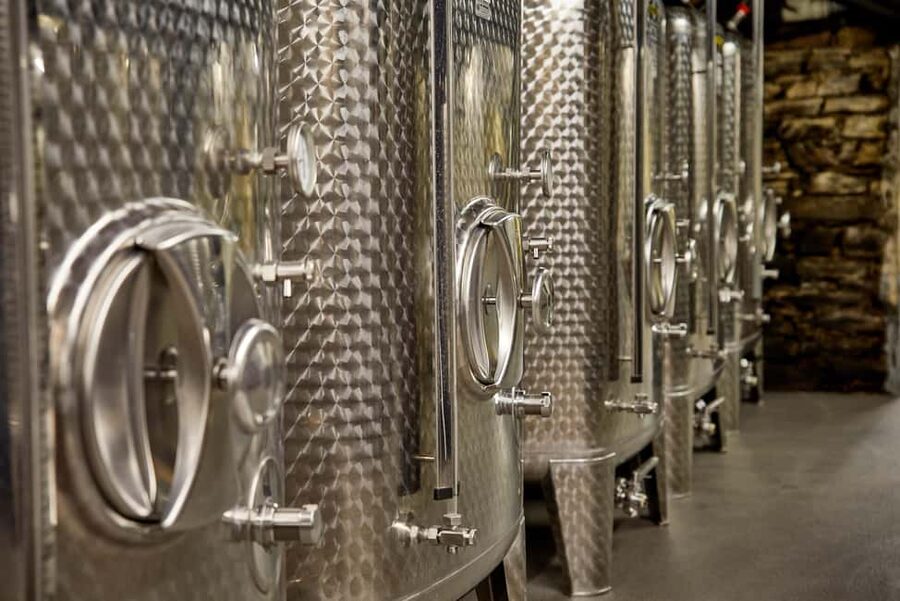
Next comes the wine cellar tour, including traditional wooden barrels and gleaming stainless steel tanks. That contrast is one of the best ways to learn what different vessels do to the wine. Even without a chemistry degree, you can understand the basic idea: the vessel and the conditions shape how the wine develops.
You’ll hear about the secrets of winemaking in this cellar environment. The tour language also mentions descending into the winemaker’s sacred halls, which tells you the experience is meant to feel “inside the craft.” It’s not only about showing you rooms; it’s about giving you a sense of process, patience, and repeatable technique.
Here’s how to turn this cellar stop into tasting advantage: as you walk past barrels and tanks, pay attention to what your guide says about the winemaking approach. Later, when you taste reds, rosés, and whites, you’ll have a reference point. You might not identify every technique on the label, but you’ll start recognizing why certain wines feel rounder, cleaner, lighter, or more structured.
Champagne factory tour: Champenoise method, bottling, and disgorging
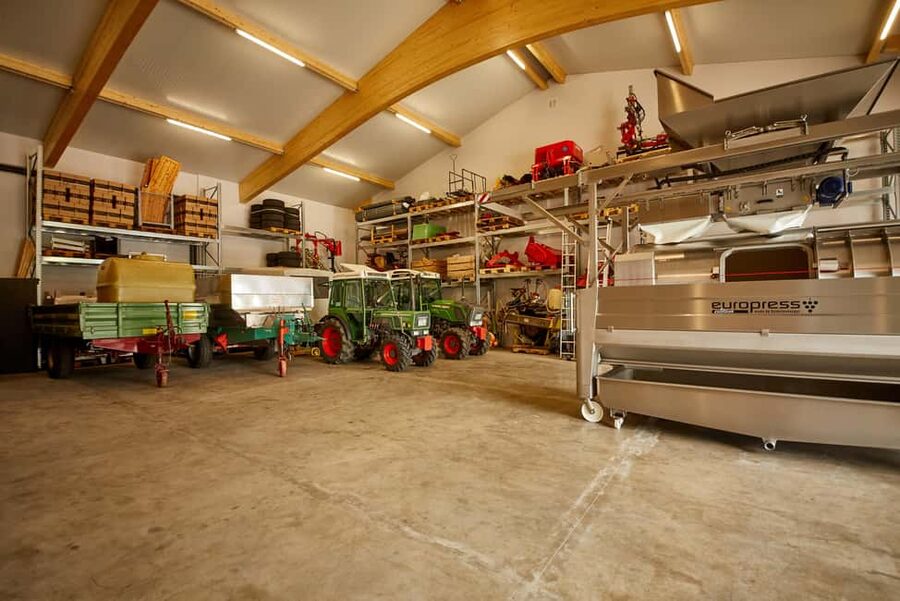
Now the tour shifts gears from wine-focused spaces to champagne production. The champagne factory portion explains how champagne is made using the Champenoise method, which is the classic second-fermentation process in the bottle. You’ll also see key production pieces, including the bottling plant and the disgorging line.
This is one of the biggest “wow” zones because it shows the invisible work behind sparkling wine. A lot of tastings only focus on the glass. Here, you get the factory logic behind the bubbles—where the transformation happens and how the bottling line keeps everything moving.
Watch for how your guide ties the production steps back to quality. Champenoise isn’t just a buzzword. It shapes flavor development and texture, and your tasting later becomes easier when you can picture what happens inside the bottle.
If you’re worried about feeling lost during the technical part, don’t be. You don’t need to be fluent in champagne terminology. Just follow the flow your guide lays out: production steps, why the method matters, and what you’ll later taste in the wines and sparkling options.
The big payoff: tasting 9 wines with time to ask questions
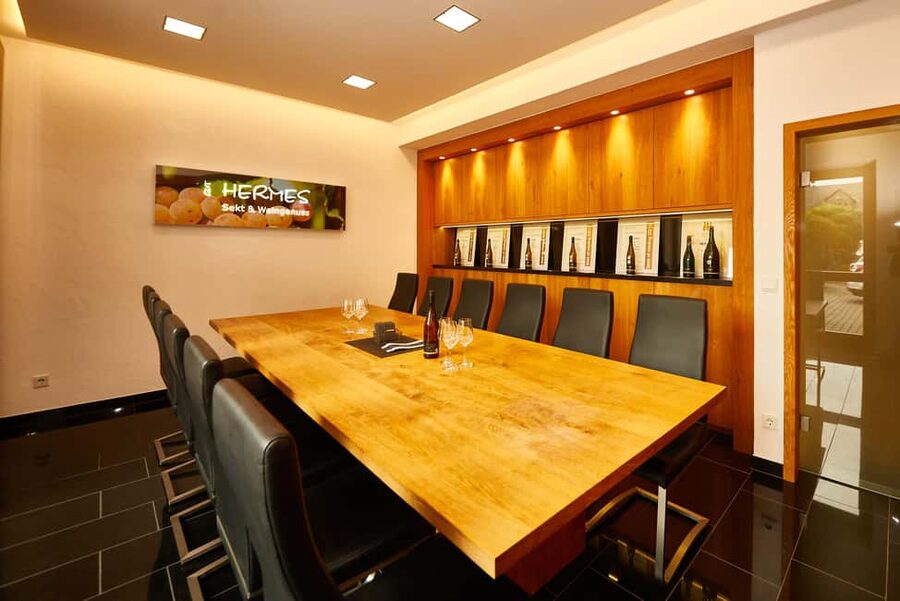
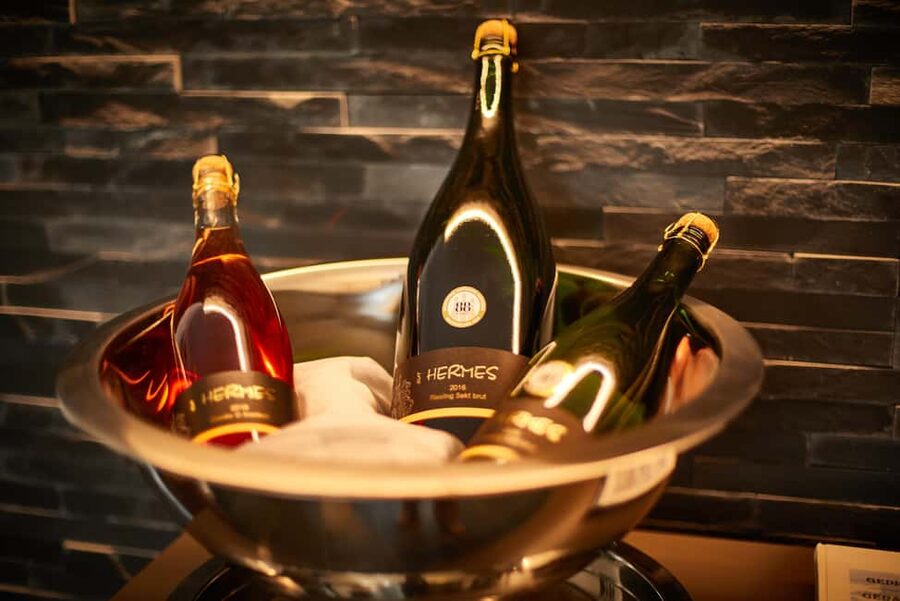
After the tours, you’ll spend about two hours on wine tasting. The group is offered a range: red, rosó, and white options, and both dry and fruitier styles. The tour also includes a welcome champagne earlier, so you’re already warmed up before the structured tasting begins.
This tasting block is described as extensive, and the key is that it’s not just sip-and-go. You can answer questions in relaxed conversation. That matters because it turns the tasting into a learning session rather than a race.
A simple way to make the most of the 9 wines:
- Start by thinking in categories (red versus white, dry versus fruity).
- Then pay attention to what changes from one pour to the next—acidity, body, aroma intensity, and how the finish feels.
- If something surprises you, ask about it. The whole point of the tour is to connect what you’re drinking to what you saw.
Price-wise, this part is where you feel the value. You’re paying for more than access to tasting glasses. You’re paying for guided context plus the chance to taste a meaningful variety under supervision.
Value and price: why $28 feels fair for this mix
At $28 per person, this is positioned as a budget-friendly way to get a full production tour plus a serious tasting. For a lot of wine regions, you can pay a similar amount for a short tasting with a couple of glasses and maybe a brief cellar glance.
Here, you’re getting a lot more within the 3-hour window:
- vineyard visit (weather permitting)
- guided tour through winery areas
- champagne factory tour focused on the Champenoise method, including bottling and disgorging
- a welcome champagne
- 9 different wines for tasting
So the value isn’t just the number of drinks—it’s the structure. You’re learning while you taste, and you can revisit your own preferences with better context. If you’re the type who wants to go home with clear favorites and a better sense of why they work, this format is a strong deal.
Language, group feel, and how to get the most out of a German guide
The guide is German. That can be totally fine even if your German is basic, because the tour includes visual stops: vineyard equipment, press hall machinery, cellar barrels and tanks, and factory lines. Still, if you want to stay fully engaged, consider using a translation app for key words like wine press, barrel, stainless steel, and Champenoise.
One other factor that makes the tasting enjoyable is the relaxed conversation angle. The tour is set up so you can ask questions without it turning into a formal Q&A. That keeps the mood friendly, and it’s easier to stay present when you’re not rushing from one room to another every five minutes.
Also note: pets aren’t allowed, and bachelor and bachelorette groups aren’t allowed. That usually helps keep the experience calmer and more focused on the tasting and the craft.
Who should book this tour (and who might skip it)
This tour is best for you if you want a true craft-focused visit. You’ll like it if you:
- care about how wine and sparkling wine are produced, not only what tastes good
- want a hands-on mix of vineyard, cellar, and champagne factory
- enjoy structured tastings that leave room for questions
You might choose something else if you only want a quick, low-commitment tasting with minimal walking and minimal explanation. The tour is only three hours, but it covers multiple zones, including production spaces.
Should you book Kröv/Gut Hermes?
Book this if you want one ticket that covers the full storyline: vineyard work, cellar realities, and a champagne factory look at the Champenoise method, followed by a real tasting of nine wines. At $28 for a 3-hour guided experience with a welcome champagne and an extended tasting, the math works—especially if you’re the kind of person who likes learning why a wine tastes the way it does.
Skip it only if your main goal is a very simple tasting with little walking and few explanations. Otherwise, this is a smart, grounded choice in Kröv, and it’s the kind of tour where the details stick because you see the process, not just the product.
FAQ
How long is the Gut Hermes Kröv wine tour and tasting?
The experience lasts 3 hours.
Is the vineyard tour always included?
The guided vineyard tour is weather permitting, so on poor weather the outdoor part may be limited.
What’s included in the tasting?
You’ll get a welcome drink plus a wine tasting featuring 9 different wines.
Where do I meet the group?
The meeting point is in the courtyard of the Hermes winery, reached via the cypress-lined path.
Is the tour guide available in English?
The live tour guide is German.
What’s the cancellation policy?
Free cancellation is available up to 24 hours in advance for a full refund.