REVIEW · KROV
Winetasting with tour through the winery
Book on GetYourGuide →Operated by Weingut Gerhard Trossen · Bookable on GetYourGuide
Five wines. One smart winemaker tour. This 2-hour experience in Rhineland-Palatinate centers on Mosel wine from Weingut Gerhard und Christel Trossen, with a guided walk through the winery and a tasting built around what you can actually smell and taste.
I especially like two things: the chance to see the wine cellar side of winemaking (including where fermentation happens), and the way the winemaker teaches you how to connect aromas to real descriptors. You’ll taste through five wines and get explanations for terms like fruity, mineral, wood influence, and characteristic Riesling aromas.
One heads-up: the live tour is in German, and it’s not listed as suitable for children under 16 or for pregnant women, so plan accordingly if language or comfort is a concern.
In This Review
- Key takeaways before you go
- Starting at Weingut Gerhard und Christel Trossen: your tour’s real kickoff
- Inside the winery and wine cellar: fermentation without mystery
- The winemaker’s year: words and pictures, not just a calendar
- Tasting five Mosel wines: fruity, mineral, wood influence, and Riesling aromas
- Why $16 for a 2-hour winery experience can actually make sense
- The language factor: what German-only guidance means for you
- Who this tour is best for (and who should skip it)
- Booking timing and how to plan your day
- Should you book this Mosel wine tasting at Weingut Gerhard und Christel Trossen?
- FAQ
- FAQ
- What does the experience include?
- How long is the wine tasting with winery tour?
- Where does the tour start?
- What language is the live tour guide?
- How many wines will I taste?
- What will I learn during the tour?
- Will the winemaker explain wine descriptors?
- Is the tour wheelchair accessible?
- Is it suitable for children?
- Is it suitable for pregnant women?
Key takeaways before you go
- Cellar access so fermentation is part of the story, not just a theory
- A vineyard-focused explanation of how the work in the vines shows up in the glass
- Five Mosel wines in one structured tasting session
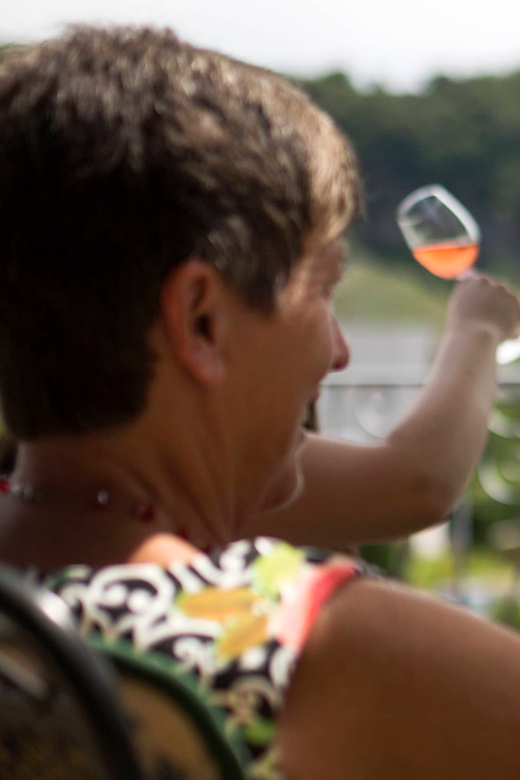
- Real-time tasting guidance that turns fancy words into something you can taste
- Questions are welcome, including why the winemaker uses certain aroma and flavor descriptions
- Short and steady timing: about 40 minutes touring, then 80 minutes tasting
Starting at Weingut Gerhard und Christel Trossen: your tour’s real kickoff
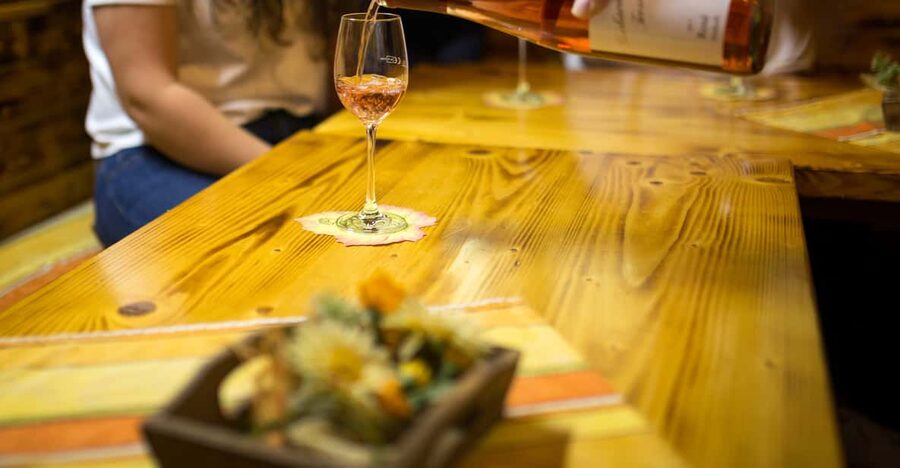
You begin at Weingut Gerhard und Christel Trossen. That matters more than it sounds, because this kind of winery experience works best when you’re not scattered around town hunting for a meeting point. You’re in the place where the wine is made, so the guide can point to things as they’re discussed.
The session starts with an introduction to the winery and the people behind it. This isn’t just small talk. You’re being set up for the main idea: the tour isn’t only about drinking. It’s about understanding how the winemaker thinks, how the work in the vineyard and cellar connect, and how that turns into the aromas you’ll notice later.
If you’re a fan of straight answers (and a touch of humor), you’ll probably appreciate the tone that comes through in the way the winemaker runs the session. Several guests highlight that it never drags. In other words, you’re unlikely to feel stuck in a long lecture while everyone waits for the wine to arrive.
You can also read our reviews of more tours and experiences in Krov.
Inside the winery and wine cellar: fermentation without mystery
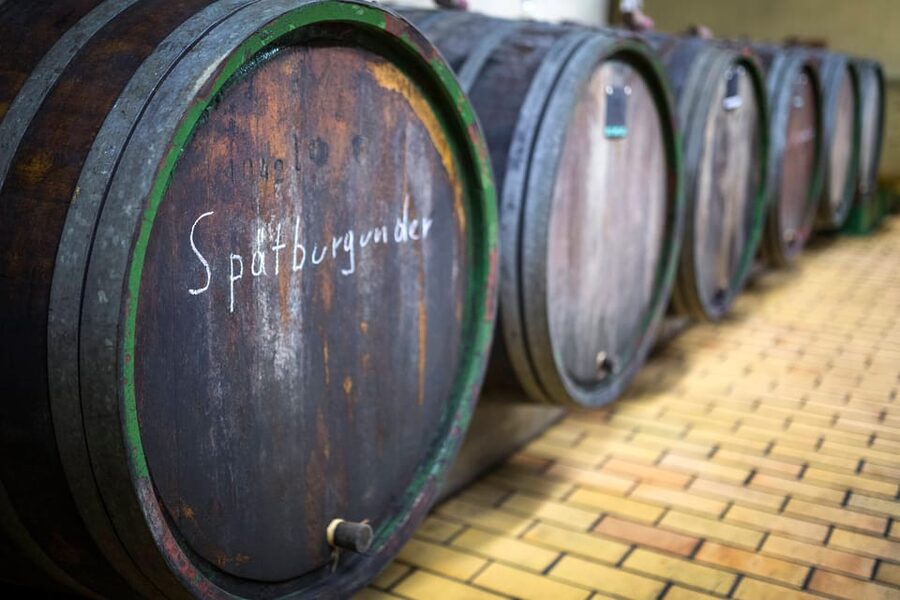
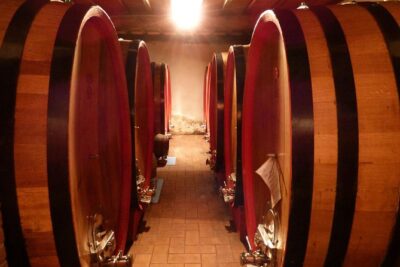
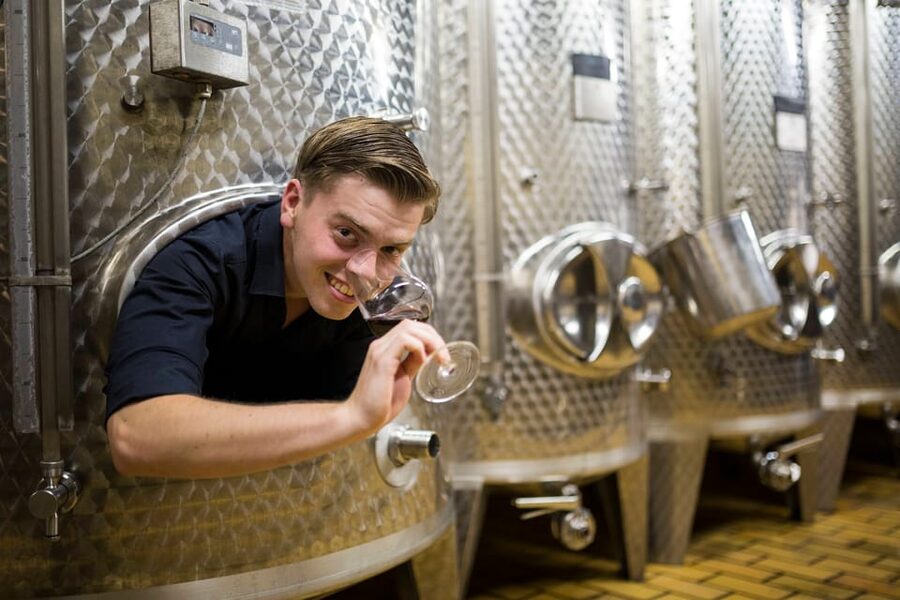
The guided tour portion is about 40 minutes, and the big win here is the wine cellar stop. You’ll take a look around the cellar and see where the wine ferments, which instantly makes the whole process more concrete.
In many wine experiences, you hear about fermentation like it’s a distant stage of a recipe. Here, you’re shown the physical space where it happens. Even if you don’t catch every technical term in German, you can still follow the logic: fruit becomes wine through time and process, and those choices show up later in the tasting.
You also learn what the winery wants you to pay attention to before you get tasting glasses in hand. The guide sets the frame for how to read a wine: not just whether you like it, but why you might notice certain flavors and aromas.
Practical tip: during the tour, don’t wait until the tasting to start thinking. If the guide points out something you’re unsure about, ask what it means. The experience is designed for questions, and that direct back-and-forth helps you connect the dots faster later.
The winemaker’s year: words and pictures, not just a calendar
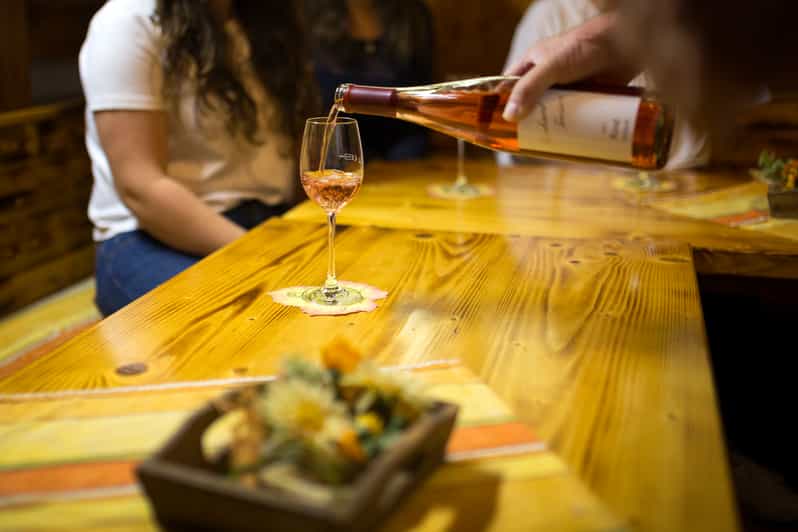
After the cellar visit, the session shifts into the winemaker’s year in words and pictures. This is where you learn that wine isn’t a single moment of bottling—it’s a chain of decisions and work spread across seasons.
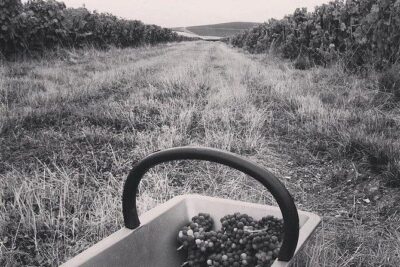
The tour focuses on the work in the vineyard, too. The point isn’t to turn this into farm trivia. It’s to help you understand why Mosel wines carry particular characteristics. When you know what the winemaker is trying to achieve in the vines and how those choices affect the grapes, the tasting stops feeling like a random flight. It becomes a guided comparison.
This is also where the experience stays practical. You’re not only told what a wine is supposed to taste like. You’re encouraged to notice and then verify with the winemaker’s explanations.
If you’re new to Riesling, this portion is especially useful. You’ll hear how certain aroma profiles develop and how the winemaker communicates them. If you already know your way around Riesling descriptors, you’ll still benefit because they explain their own language—why they say mineral, what wood influence means in their terms, and how they approach the balance between fruit and structure.
Tasting five Mosel wines: fruity, mineral, wood influence, and Riesling aromas
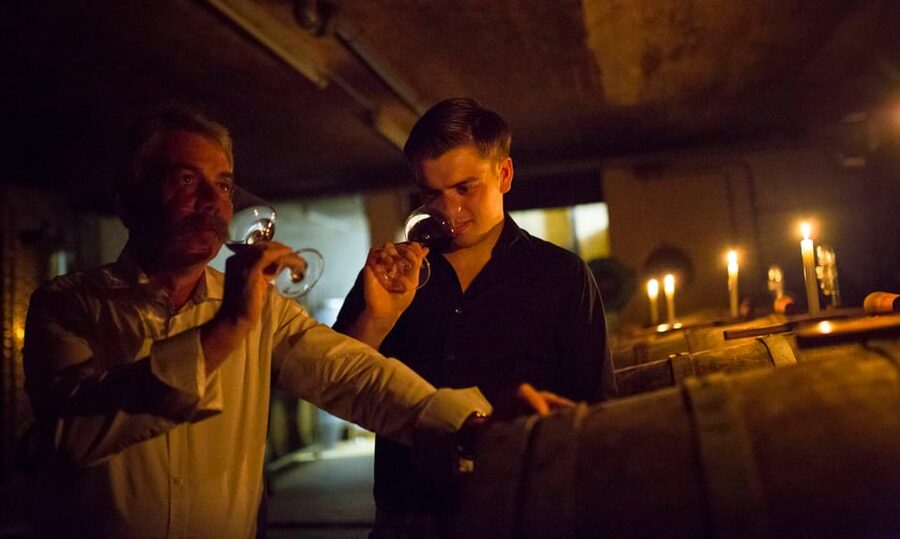
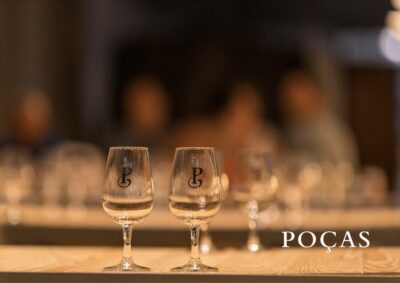
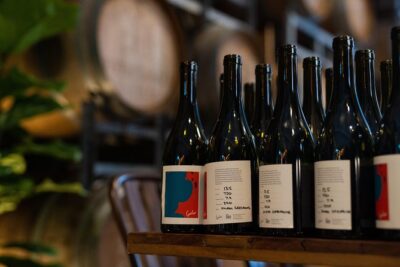
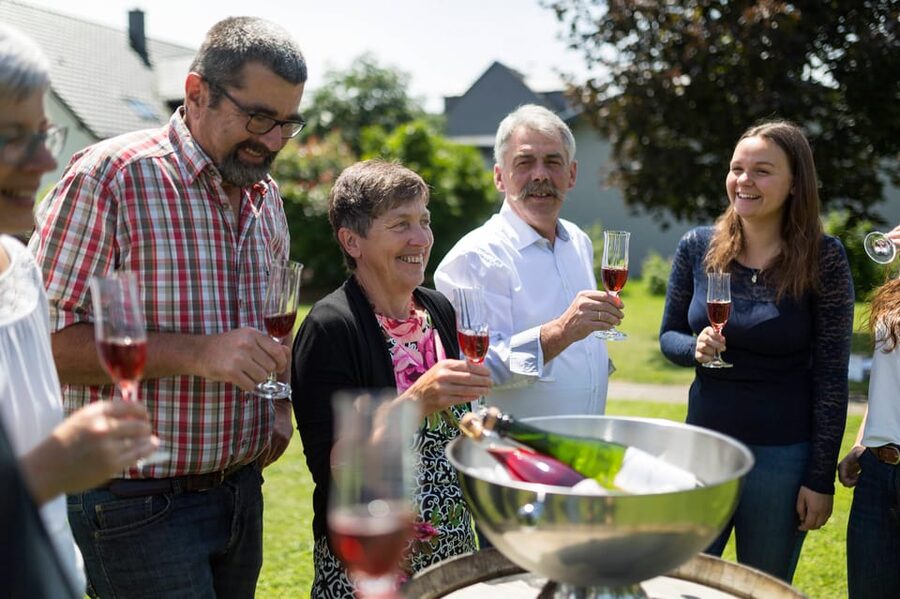
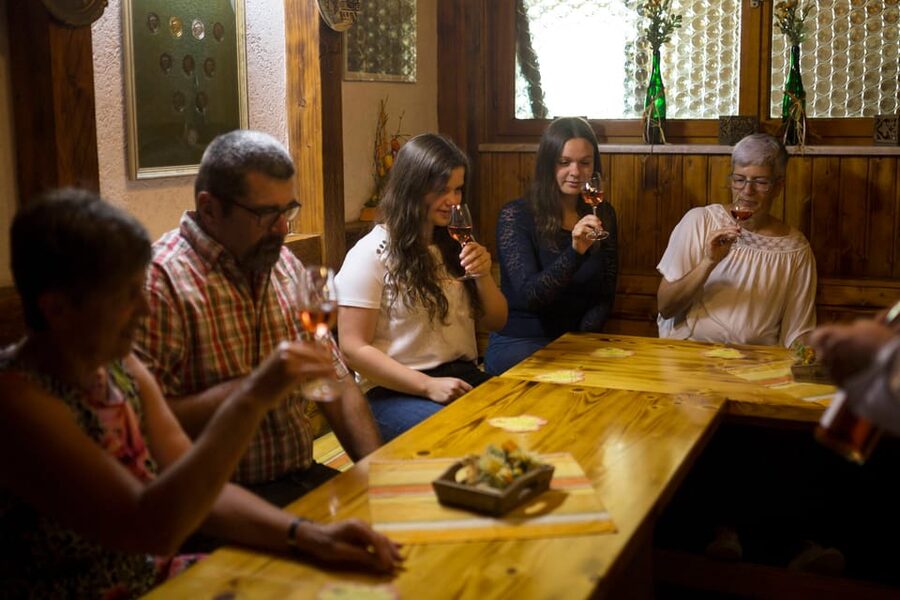
The tasting part runs about 80 minutes and covers five wines from the winery’s range. That pacing is one of the most valuable things about the tour: enough time to taste and think, not so long that you get tired of the same five steps.
The format is guided, which makes a difference. Someone walks you through the progression, and you learn what the winemaker means when they use descriptors like:
- Fruity
- Mineral
- Wood influence
- Characteristic Riesling aromas
What I like about this is that it turns wine vocabulary into a listening exercise for your senses. Instead of memorizing tasting notes, you practice noticing aromas and then checking your interpretation against the winemaker’s explanation.
And yes, wood influence matters here. Even in a region where Riesling often steals the spotlight, the way barrels or wood contact is handled (as described by the winemaker) can change how the wine smells and feels. The tour aims to make that understandable while you’re actually tasting, not after you get home and forget what glass number three tasted like.
One of the strongest signs of value is that the winemaker doesn’t rely on vague phrases. If something is unclear, you can ask directly. That’s huge for two reasons:
- You won’t feel embarrassed asking basics.
- You get your questions answered by the person who made the wine, not by a translator who guesses.
Why $16 for a 2-hour winery experience can actually make sense
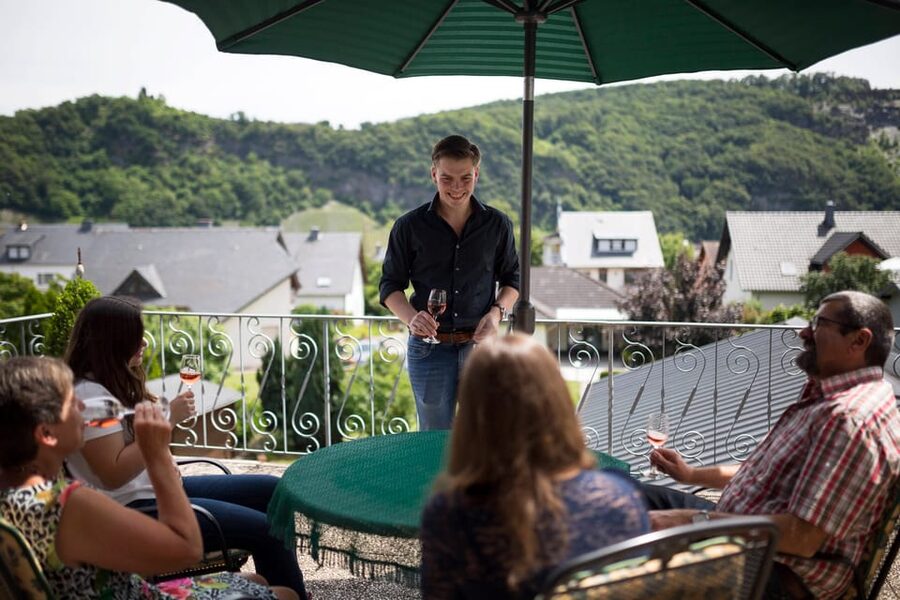
At $16 per person for roughly two hours—including the winery tour and a tasting of five Mosel wines—this is priced like a serious local experience rather than a big sightseeing show.
Here’s how to judge the value in plain terms:
- You’re paying for two distinct parts: a guided walk through the winery/cellar, then a structured tasting.
- You’re not limited to one or two pours. You get five wines, which gives you real comparison value.
- You get guided explanations tied to what you’re smelling and tasting, plus the opportunity to ask questions.
If you only care about drinking and not about learning, you might still enjoy it. But if you like understanding what you’re tasting—especially with Riesling aromas and Mosel-style character—this pricing is more likely to feel fair than “cheap.”
Also, it’s a compact time commitment. Two hours is enough to feel like you did something meaningful, without stealing half your day.
The language factor: what German-only guidance means for you
The tour is in German. That doesn’t automatically mean you can’t enjoy it. Wine tasting has a visual and sensory component, and the tasting guidance is strongly tied to what you can smell and taste.
Still, be honest with yourself about your comfort level. If you speak very little German, you’ll want to use the tasting portions like a practice session: focus on aromas, ask questions when you can, and let the winemaker’s explanations do the heavy lifting for you.
One way to make this easier: come in with a short list of questions you’d like answered. For example, you can ask about what the guide means by mineral, or what wood influence would feel like on the palate. The experience is built for direct Q&A, so you’re not just waiting for the wine to end.
Who this tour is best for (and who should skip it)
This is best for adults who want a hands-on Mosel wine tasting with context. It suits you if:
- You like wine that has clear identity and you want to learn how to describe it
- You enjoy tours where fermentation and cellar reality are part of the story
- You want a tasting led by the winemaker, with room for questions
It’s less ideal if:
- You don’t want a German-language experience
- You’re traveling with kids under 16 (not listed as suitable)
- You’re pregnant (not listed as suitable)
If you’re the type who usually gets bored by long talks, you may be happier here than in many tastings, because guests often note that the session stays lively and informative without dragging.
Booking timing and how to plan your day
The tour runs for about 2 hours, and starting times depend on availability. That means you’ll want to check what works with your schedule in the Mosel area.
If you’re building a day around wine tasting, think of this as a “structured education plus drinking” stop. It’s a good anchor activity. Plan around it like you would for a guided museum visit: give yourself enough time to arrive, and avoid stacking two heavy tastings back-to-back unless you know your pace.
For flexibility, it’s offered with free cancellation up to 24 hours in advance for a full refund, and there’s a reserve now, pay later option. That’s useful if you’re still shaping the rest of your itinerary.
Should you book this Mosel wine tasting at Weingut Gerhard und Christel Trossen?
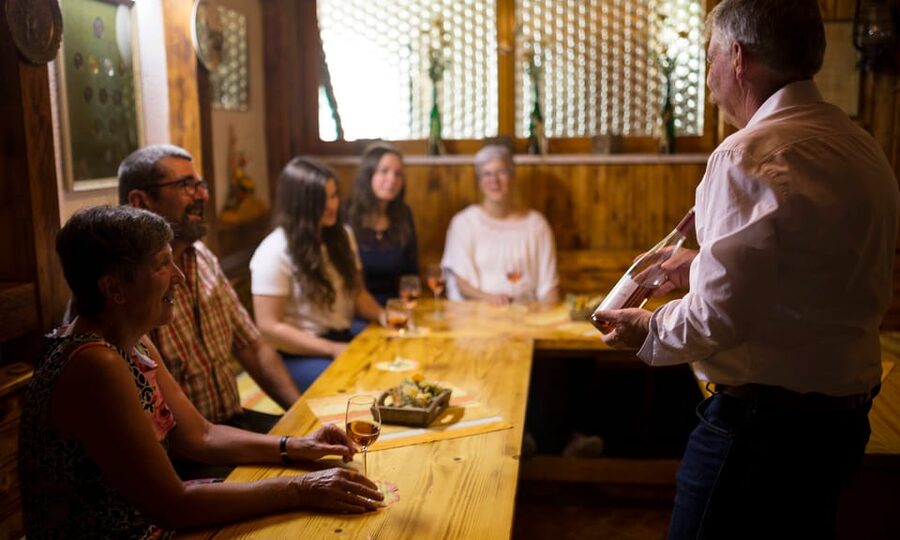
Book it if you want more than a casual pour. This experience is built around cellar context, a vineyard-and-season story, and a tasting where the winemaker’s descriptions connect to what you can actually detect. The five-wine format gives you useful comparison, and the guided focus on Riesling aromas and terms like mineral and wood influence makes it feel like you learn something real in the moment.
Skip it if you’re expecting a kid-friendly outing, or if you strongly prefer tours in English. It’s German-led, and the tour is explicitly not listed for children under 16 or for pregnant women.
If you fall into the “I like understanding what I’m drinking” camp, this one is a solid value: two hours, five wines, and a direct line to the winemaker’s explanations.
FAQ
FAQ
What does the experience include?
It includes a guided tour through the winery, plus a wine tasting of five Mosel wines.
How long is the wine tasting with winery tour?
The total duration is 2 hours, with about 40 minutes for the winery tour and 80 minutes for the tasting.
Where does the tour start?
The experience starts at Weingut Gerhard und Christel Trossen.
What language is the live tour guide?
The tour is guided live in German.
How many wines will I taste?
You’ll taste five wines from the winery’s range.
What will I learn during the tour?
You’ll learn how the wine is made by visiting the wine cellar, understand details about the work in the vineyard, and follow the winemaker’s year in words and pictures.
Will the winemaker explain wine descriptors?
Yes. The guide explains what they mean by descriptions such as fruity, mineral, wood influence, and characteristic Riesling aromas, and you can ask questions.
Is the tour wheelchair accessible?
Yes, it’s listed as wheelchair accessible.
Is it suitable for children?
No. It’s not suitable for children under 16.
Is it suitable for pregnant women?
No. It’s not listed as suitable for pregnant women.