REVIEW · LANZAROTE
Lanzarote: Vineyard Tour with Wine and Chocolate Tasting
Book on GetYourGuide →Operated by Guaticea Lanzarote S.L · Bookable on GetYourGuide
Lanzarote wine has a plot twist: the volcano. I love how this short visit turns Timanfaya-era history and local vineyard techniques into something you can taste and see in 90 minutes, not a textbook lecture. My favorite part is the vineyard walk at Finca Testeina, where the guide explains why vines grow the way they do on volcanic ground, and then the tasting that pairs two organic wines with artisan chocolate.
You’ll get two tastings that actually teach you something: the local grapes Malvasía Volcánica and Listán Negro de Lanzarote, plus Bodegas Vega de Yuco’s Essence of Yaiza from the island’s organic wine world. The main consideration: this is a walking tour, and while the stroll is described as comfortable, it isn’t suitable for wheelchair users or people with mobility impairments.
If you like quiet, slower-paced tastings, you might want to ask about group size when booking. A few small disruptions (like a chatty group or a toddler during the tasting) can happen in any shared experience, especially in a serene spot where people naturally lower their voices—so plan for that.
In This Review
- Key highlights worth your time
- Volcanic vines at Finca Testeina: why Lanzarote wine tastes different
- The 50-minute vineyard stroll: Malvasía Volcánica vs Listán Negro
- Timanfaya history and Lanzarote’s water culture, explained the way it should be
- Inside the tasting: Essence of Yaiza and the organic winemaking mindset
- Chocolate pairing that actually complements the wine
- Photos and quick shopping: get the views and bring something home
- Price and value: what $28 buys you on Lanzarote
- Getting there and timing: taxis, weather, and a short but real plan
- Who should book this tour (and who should skip it)
- Guides you may meet: Marco and Nieves
- Should you book this Lanzarote wine and chocolate tour?
- FAQ
- How long is the Lanzarote vineyard tour with wine and chocolate?
- Where does the tour start?
- What wines do you taste?
- What grape varieties do you learn about?
- Is there chocolate included?
- What should I wear and bring?
- What languages are the tours in?
- Is the tour suitable for wheelchair users or mobility impairments?
- Do I need to buy tickets in advance?
- Can I cancel for a full refund?
- Do I get time for photos or shopping?
Key highlights worth your time
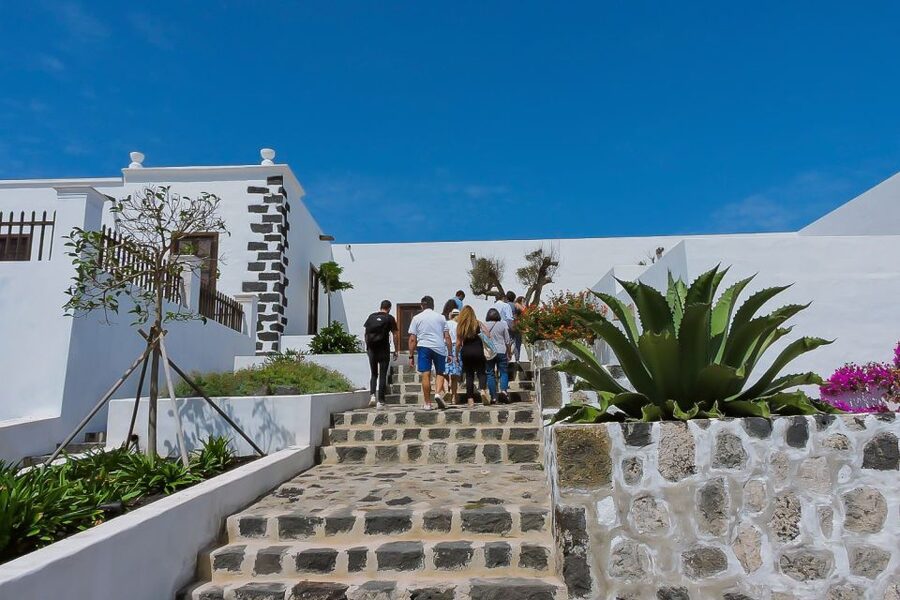
- Finca Testeina vineyard walk with context on how vines survive and produce on volcanic soils
- Timanfaya before-and-after story explained as part of how farming recovered and adapted
- Two organic tastings from Bodegas Vega de Yuco, including Essence of Yaiza
- Learning the difference between Malvasía Volcánica and Listán Negro de Lanzarote
- Artisan chocolate bonbons paired with wine, not served as an afterthought
- Views of Testeina volcano and Los Volcanes Natural Park during the tasting
Volcanic vines at Finca Testeina: why Lanzarote wine tastes different
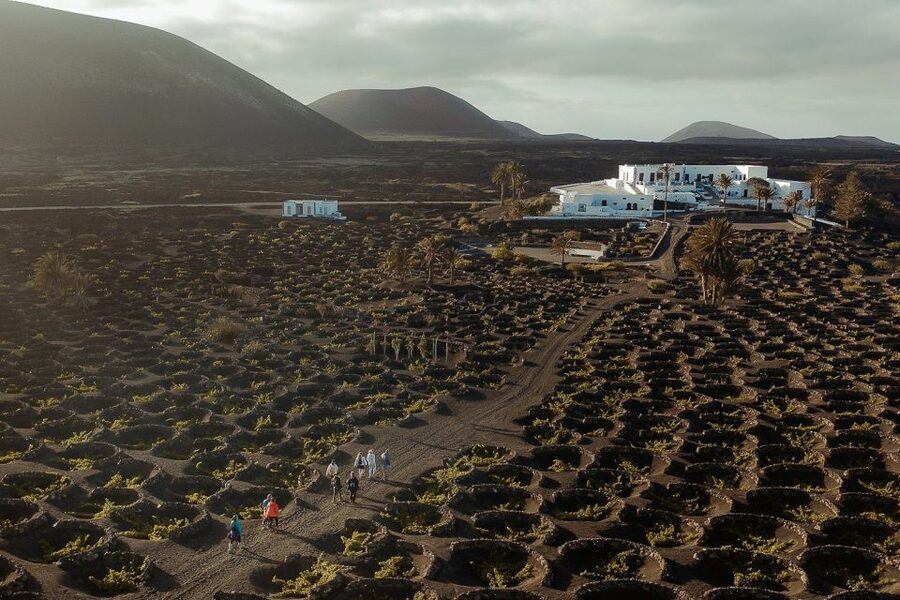
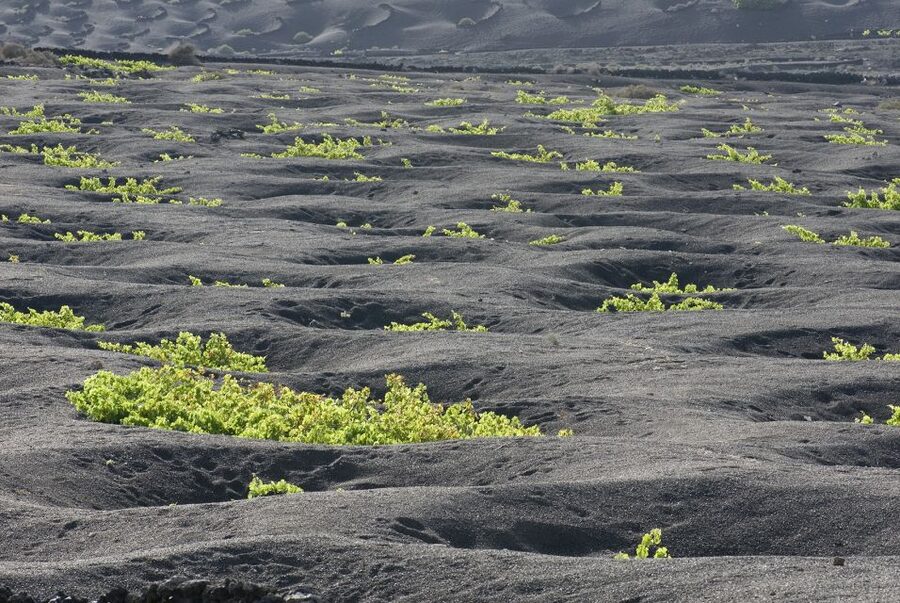
On Lanzarote, wine isn’t just about grapes. It’s about survival strategy. I like that this tour starts where the reason is visible: Finca Testeina, on the foot of the Testeina Volcano, where volcanic terrain shapes everything from planting to harvesting. When you understand the ground, the wine starts to make sense.
You’ll also get a grounded sense of time. The experience frames vine growing around what happened before and after the eruptions of Timanfaya, and then connects that to how people today manage the vineyard. That story matters because Lanzarote’s wine culture didn’t grow in a normal, slow-and-steady way. It adapted.
The manor house and farmhouse setting adds weight too. The first documented references to Testeina go back to the 16th century, so you’re not just visiting modern tanks and labels. You’re inside a working story—built up by generations, and still tied to the island’s resources.
You can also read our reviews of more tours and experiences in Lanzarote.

The 50-minute vineyard stroll: Malvasía Volcánica vs Listán Negro
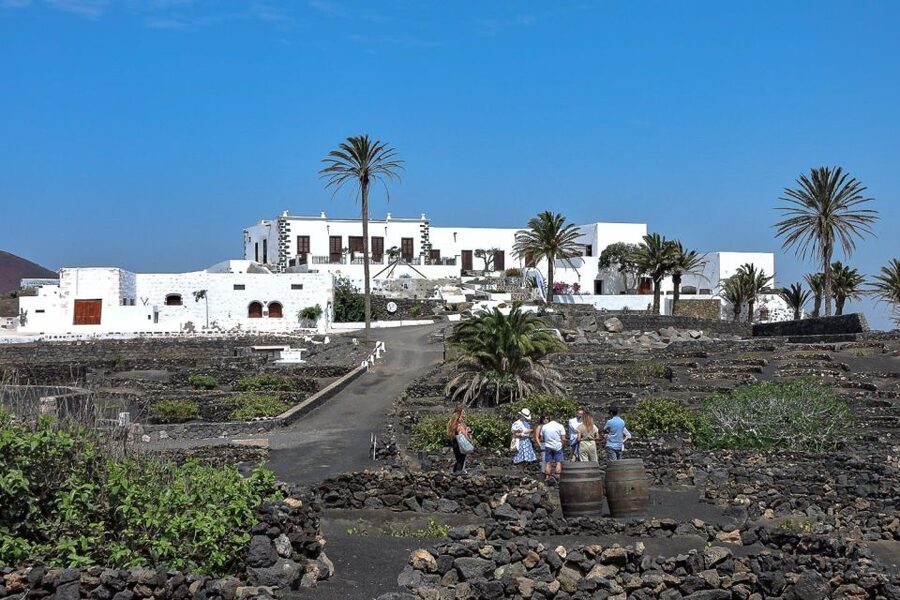
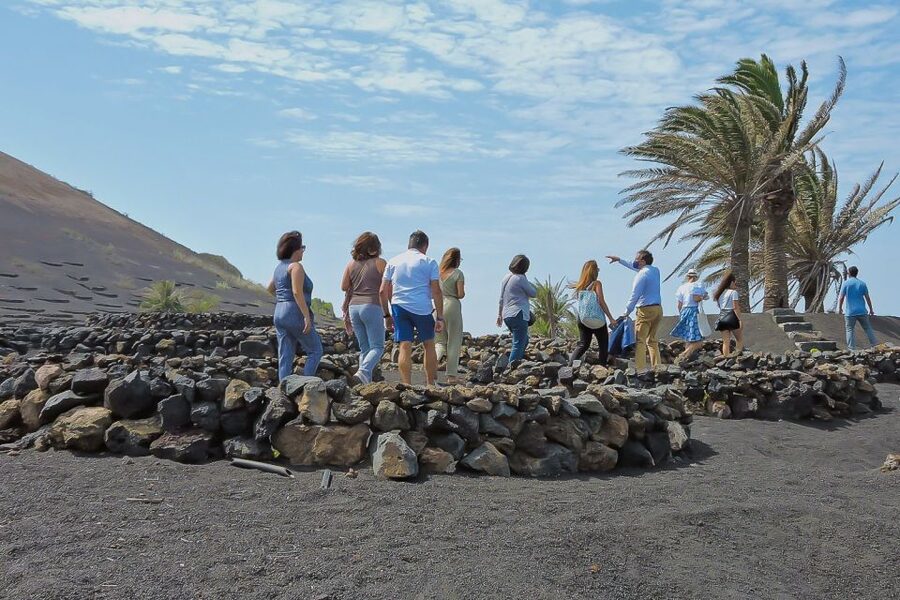
The main event begins with a guided stroll through the vineyard, about 50 minutes. This is where the tour earns its keep. You’re not only shown rows of vines; you’re coached through what makes Lanzarote’s viticulture different.
Two grape names come up again and again: Malvasía Volcánica and Listán Negro de Lanzarote. The guide explains the difference between them in plain terms, so you can stop tasting like a tourist and start tasting like a curious person. Malvasía is typically associated with Lanzarote’s aromatic white style, while Listán Negro is the island’s red backbone. Even if you don’t memorize the chemistry, you’ll notice the contrast once the wines arrive.
Another detail I’d highlight: the way vines are planted in volcanic ground. One guest described understanding why the vines are often in holes. That “why” is the point here. Volcanic soils can be challenging, and these vineyard methods are designed to manage heat, water, and exposure in a way that works with the terrain rather than against it.
Also, bring comfortable shoes. This isn’t a hard hike, but it’s still a walk on uneven ground in a working vineyard environment.
Timanfaya history and Lanzarote’s water culture, explained the way it should be
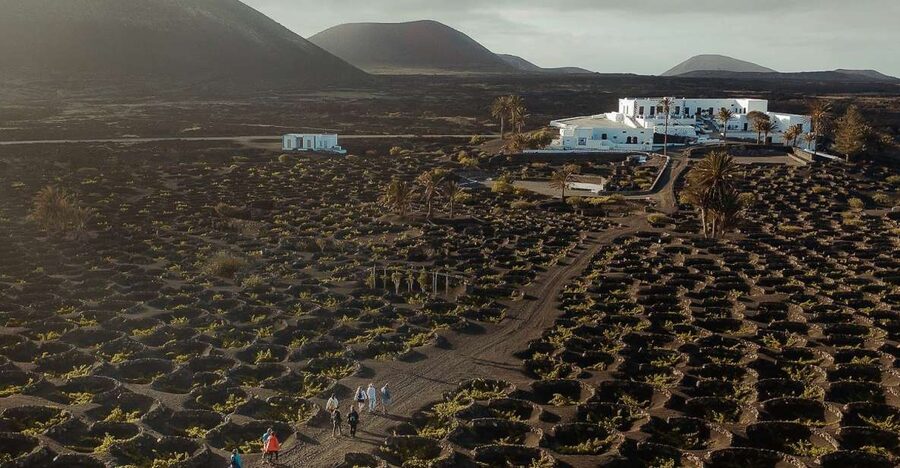
A good wine tour doesn’t stop at winemaking. It connects farming to local life. This one does that with the island’s water culture, framed with ethnographic values. In other words, it’s not just facts. It’s how people learned to live with limited resources and turned that knowledge into a system.
That’s why the Timanfaya portion is more than storytelling. The before-and-after eruptions of Timanfaya shaped the landscape and forced changes in what could be grown, how it was grown, and how vineyards survived through recovery periods. You see that logic in the vineyard walk.
If you’re the type who likes your food and drink with context—why certain techniques exist, what local people prioritize—this section will click fast. It also helps you understand why the tour ends with tasting at the right moment. You’re ready to taste because the tour has already explained the environment the grapes grew in.
Inside the tasting: Essence of Yaiza and the organic winemaking mindset
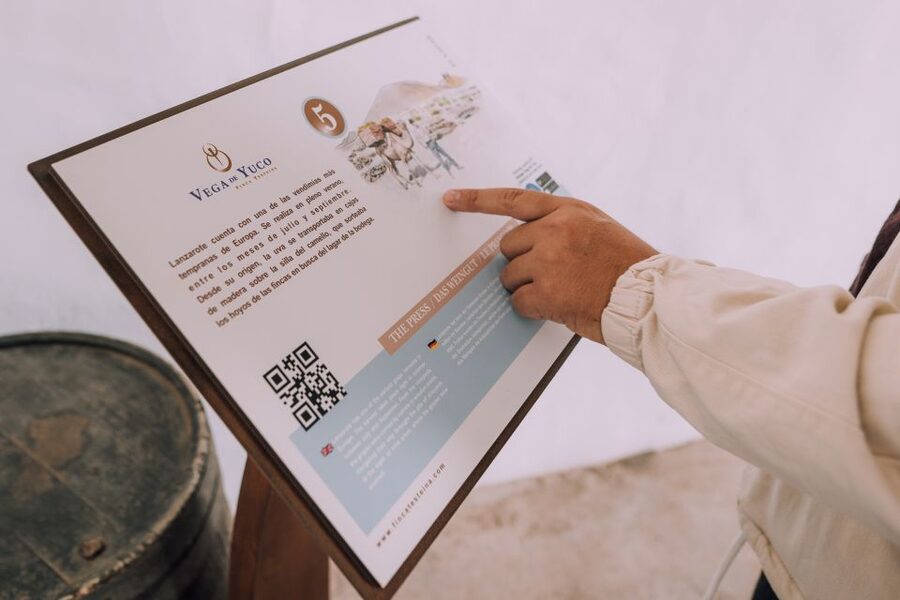
After the vineyard portion, the tour shifts indoors for the tasting—around 40 minutes. This is where I appreciate the structure: you’re given the story first, then you’re asked to pay attention with your senses, not just your ears.
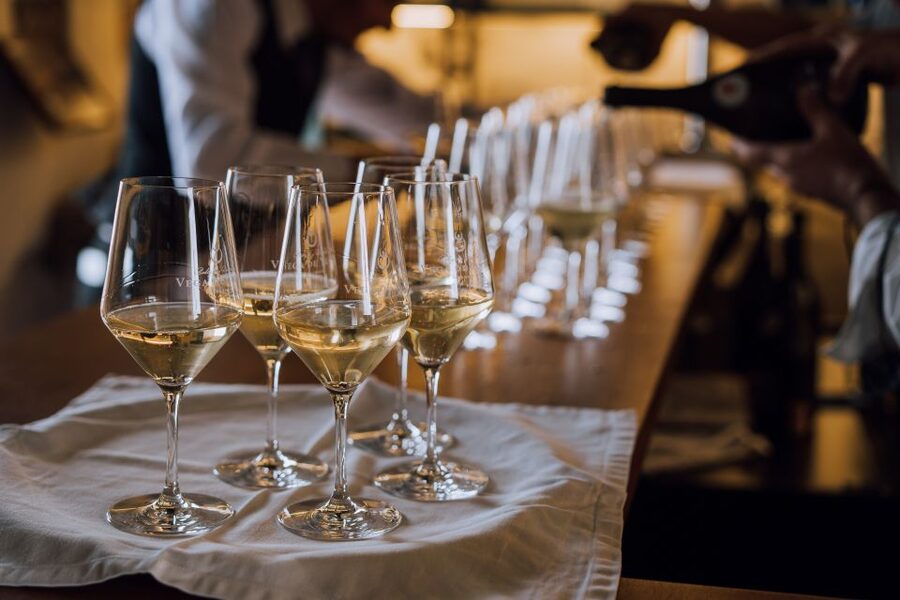
You’ll taste 2 varieties of wine, both tied to Bodegas Vega de Yuco and the organic program. The highlight named for the experience is Essence of Yaiza from Bodegas Vega de Yuco, so you’re not dealing with random labels. You’re tasting wines meant to represent the island’s style.
Because you’ll be introduced to Malvasía Volcánica and Listán Negro de Lanzarote earlier, the tasting works like a follow-up lesson. You’re better able to tell what you’re tasting: the differences between grapes, the way Lanzarote’s conditions influence flavor, and how organic farming fits the island’s reality.
Practical note: tasting amounts are described as generous in many accounts, but you shouldn’t expect a full lunch or a long drinking session. Plan for it as a focused sampling, then move on with the rest of your day.
Chocolate pairing that actually complements the wine
The tour pairs your wine with artisan chocolate bonbons. I like this pairing approach because it treats chocolate as a real flavor partner instead of a token sweet. When the guide explains the relationship between what you’re tasting and what you’re eating, the pairing becomes a mini experience of its own.
In a short tour, the chocolate can either feel like an afterthought or a real match. Here, the feedback is consistently positive about both the taste and the pairing. You’ll also see that the pairing happens right at the tasting finale, so your palate is still warmed up by the vineyard walk and the wine context you just heard.
One practical tip: wear warm layers if you run cold. You don’t need to overthink it, but a tasting space can feel cooler than the sun-soaked outdoor vineyard area.
Photos and quick shopping: get the views and bring something home

After the tasting, you get a photo stop and shopping period, about 10 minutes. This is a smart add-on for this kind of experience. Lanzarote’s volcanic settings can look dramatic even when you’re standing still, and the Testeina and Los Volcanes viewpoints are part of the reason people book.
If you want to buy a bottle, this is typically the moment to do it, especially if you’re thinking of bringing Lanzarote home. Many people leave with wine and chocolates, and the short shop time is designed to let you decide without turning the tour into a shopping trip.
Don’t treat this as an all-day market stop. It’s meant to be quick: grab a few photos, check the tasting labels, and if you want extras, pick them up now.
Price and value: what $28 buys you on Lanzarote
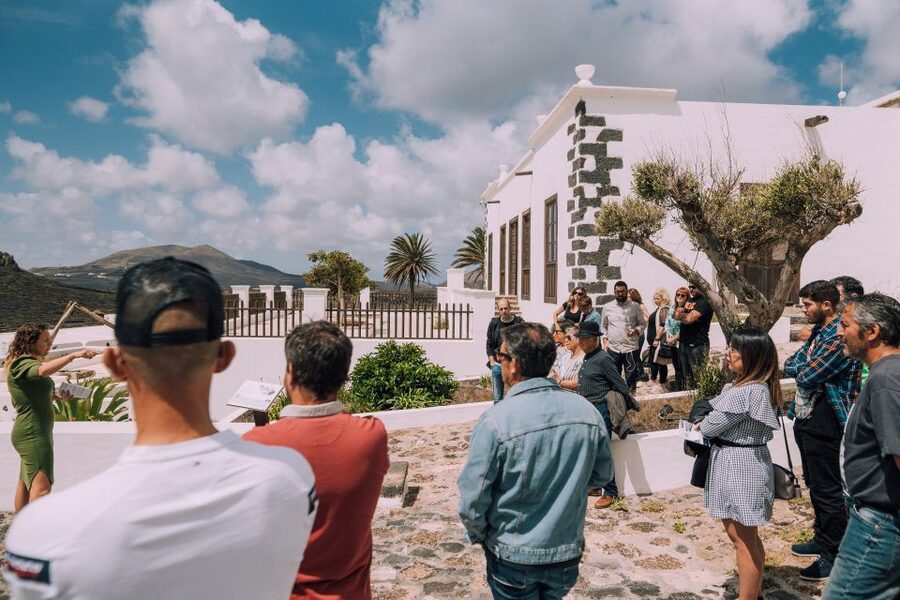
At about $28 per person for roughly 1.5 hours, this tour is priced like a value experience. The reason it feels like good value is that you’re getting both halves of a real story: vineyard education plus a wine tasting plus chocolate pairing.
Some wine tours give you one or the other. Here, you get:
- a vineyard walk with context on volcanic viticulture
- tasting of 2 wine varieties connected to Lanzarote grapes
- handmade chocolate paired with wine
That combination matters because it turns “I drank wine” into “I understand what I tasted and why.” If you’ve ever wondered why Lanzarote wine can taste different even when you’re used to thinking only about climate and grape variety, this format helps correct that.
One more value factor: the tour includes a guided experience in English and Spanish, and it notes skipping the ticket line. In practice, that’s time you can spend actually tasting and learning, not waiting.
Getting there and timing: taxis, weather, and a short but real plan
The tour starts at Finca Testeina. From the Puerto del Carmen area, one review suggested a taxi cost of about €25 (and that the guide can help with taxis afterward). That’s a useful ballpark if you’re weighing whether to arrange transportation yourself.
Also, allow buffer time for the ride and the return. One experience noted waiting about an hour for a taxi in hot weather. That’s not something you can control perfectly, but it’s a good reminder: on Lanzarote, rural stops can mean slower pickups.
Timing-wise, the tour is short. That’s great if you want one “food and drink” stop without sacrificing your whole day. It also means you should eat beforehand if you’re hungry—this is a tasting, not a meal.
Bring warm clothing. The tour notes it directly, and I agree with the logic: Lanzarote sun warms your walk, then cooler indoor air can catch you off guard.
Who should book this tour (and who should skip it)
This is a strong fit if you:
- want a vineyard-and-story experience, not just a tasting flight
- like learning the names and roles of Malvasía Volcánica and Listán Negro
- care about pairing wine with artisan chocolate
- want a compact activity that’s about 1.5 hours
It’s less of a fit if you:
- have mobility constraints, since it’s marked as not suitable for wheelchair users and people with mobility impairments
- need a perfectly quiet, adult-only tasting environment. The setting is serene, but in shared tours, a lively group can occasionally affect the vibe.
Guides you may meet: Marco and Nieves
A big reason people rate this tour highly is the guide. Names that show up include Marco and Nieves, both described as friendly and strongly connected to the work. One guest also highlighted how the guide was patient with children, which tells me the pacing is taught to adapt to real life, not just a classroom.
If you’re booking and you have questions—about organic farming, volcanic soils, or grape differences—this is the kind of tour where your questions get answered. The format encourages it because the guide builds the story as you go.
Should you book this Lanzarote wine and chocolate tour?
I’d book it if you want a focused, local experience that connects vineyards, volcanic history, and what’s in your glass. For the money, you’re getting more than tasting samples—you’re getting the why behind Lanzarote wine, plus a pairing that feels intentional.
Skip it or reconsider if you can’t do walking on uneven ground, or if you know you’re sensitive to disruptions during tastings. Also, plan transport ahead, because getting a taxi right after a rural tour can take longer than you’d expect.
If your ideal Lanzarote day includes a short stroll, two wines that represent the island, and chocolate that’s clearly made for pairing, this one delivers.
FAQ
How long is the Lanzarote vineyard tour with wine and chocolate?
The total duration is 1.5 hours, with about 50 minutes for the guided vineyard tour, 40 minutes for the wine tasting, and 10 minutes for a photo stop and shopping.
Where does the tour start?
The tour starts at Finca Testeina in Lanzarote.
What wines do you taste?
You’ll taste 2 varieties of organic wine, including Essence of Yaiza from Bodegas Vega de Yuco.
What grape varieties do you learn about?
The tour focuses on Lanzarote’s native grapes Malvasía Volcánica and Listán Negro de Lanzarote, including the difference between them.
Is there chocolate included?
Yes. You get artisan chocolate bonbons paired with the wines.
What should I wear and bring?
Wear comfortable shoes and bring warm clothing. You should also bring your passport or ID card.
What languages are the tours in?
The live guide offers tours in English and Spanish.
Is the tour suitable for wheelchair users or mobility impairments?
No. It is listed as not suitable for people with mobility impairments or wheelchair users.
Do I need to buy tickets in advance?
You can reserve now and use the reserve-and-pay-later option. The activity also notes skip the ticket line.
Can I cancel for a full refund?
Yes. Free cancellation is available up to 24 hours in advance for a full refund.
Do I get time for photos or shopping?
Yes. There’s a photo stop and shopping segment of about 10 minutes at the end.