REVIEW · OFFIDA
Marche: Tasting and Tour of Local Wines and Flavors at the D’Erasmo Winery
Book on GetYourGuide →Operated by Arcadia Tour Operator e DMC · Bookable on GetYourGuide
Three wines, one family winery.
At Cantina D’Erasmo in the Marche’s Piceno area, the experience starts with a vineyard panorama and quickly turns into a behind-the-scenes walk through organic winemaking. You’ll meet the owner, then spend time with a young oenologist and agronomist who explain how the grapes become the bottles you taste.
I especially love the way the tour balances vineyard atmosphere with practical production details, and you don’t just hear about wine—you taste it. The second big plus is the Marche food pairing, including salumi and cheeses, plus local specialties like funghetti offidani and typical sweets.
One thing to consider: the tour guide speaks Italian, so if your Italian is limited, it may feel more challenging to follow every detail.
In This Review
- Key points worth knowing before you go
- Cantina D’Erasmo in Piceno: what a 2-hour tasting tour really delivers
- Meeting the owner and understanding the organic story behind D’Erasmo
- Vineyard view to cellar work: where the tour builds real context
- Inside the barrel room: why aging matters for Offida, Sangiovese, and rosato
- The tasting lineup: what to expect from the 3 D’Erasmo wines
- Marche food pairing: salumi, cheeses, sweets, and funghetti offidani
- Comfort and timing tips for enjoying the vineyard-to-cellar flow
- Dietary needs and intolerances: how to make it work smoothly
- Who should book this tour (and who might want to skip it)
- Value check: why this is more than a quick sip-and-go
- Should you book Cantina D’Erasmo? My honest recommendation
- FAQ
- How long is the Marche tasting and tour at Cantina D’Erasmo?
- Where is Cantina D’Erasmo located?
- What language is the tour guide?
- What wines are included in the tasting?
- Is there food included with the wine tasting?
- Are options available for allergies, intolerances, or food preferences?
- Is this tour suitable for children?
- Is this tour suitable for pregnant women?
- Do I get time outside in the vineyards?
- Are refunds available if plans change?
- Can I reserve without paying right away?
Key points worth knowing before you go
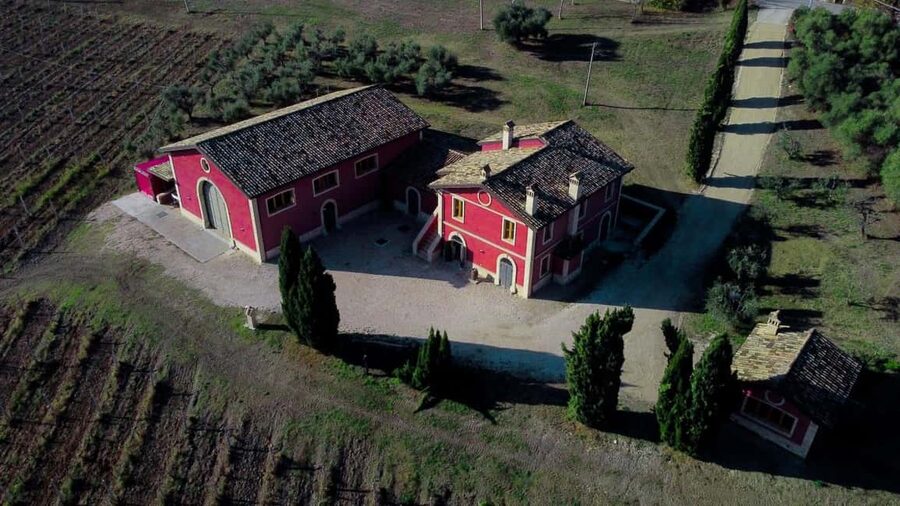
- Panoramic start among the vines: You’ll begin outside before heading into the production spaces.
- Organic methods since the 1980s: The story is tied to long-term territory-focused farming choices.
- A tight tasting lineup (3 glasses): Offida Pecorino DEOCG, Marche Sangiovese IGT, and Marche Rosato IGT.
- Food pairing that matches the region: Cold cuts, cheeses, and local delicacies land on a set table during tasting.
- You can request dietary help: If you have intolerances or preferences, you’ll need to communicate them at confirmation to [email protected].
- A family-feel welcome: The owner and guide’s tone makes it feel personal rather than robotic.
Cantina D’Erasmo in Piceno: what a 2-hour tasting tour really delivers
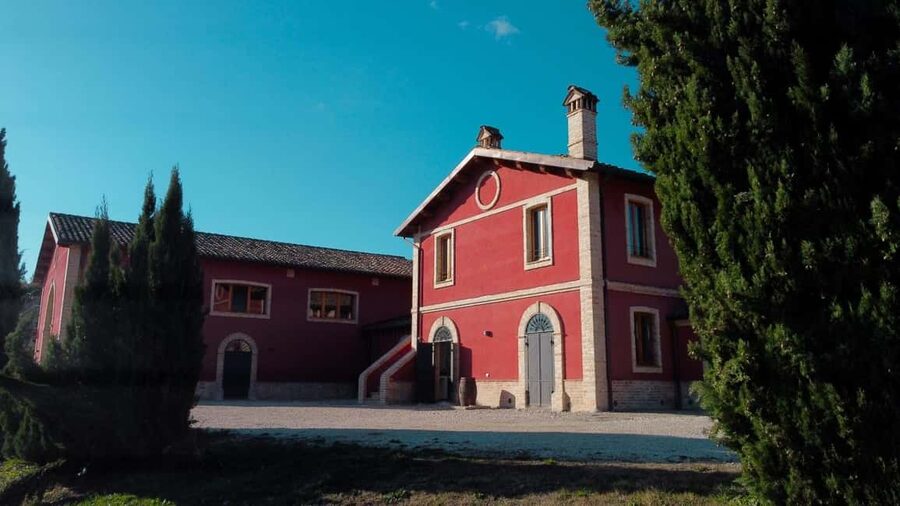
This isn’t one of those “sit down, sip, and leave” wine stops. What you get at Cantina D’Erasmo is a guided story of the winery, tied directly to what ends up in your glass. The whole visit runs about 2 hours, which is long enough to see the process and still relax during the tasting.
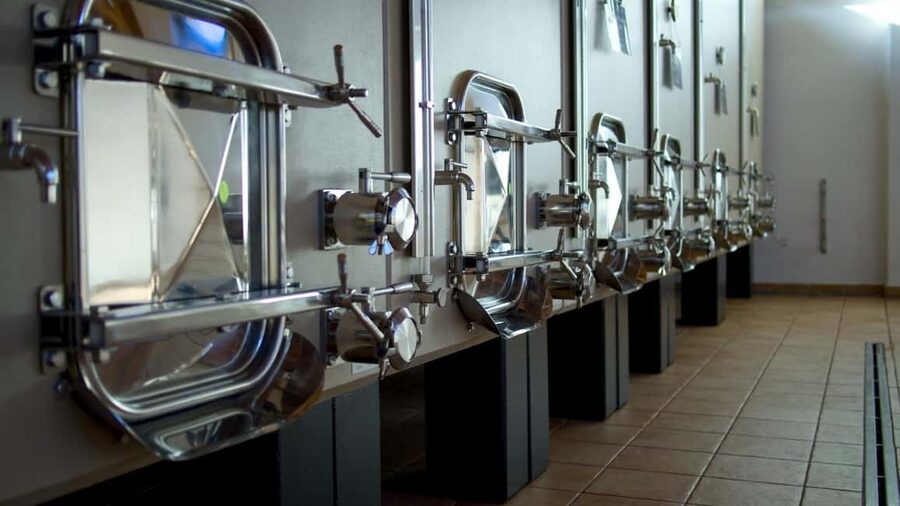
I like tours that connect land to glass, and this one does. You start with the vineyards and views in the Marche countryside, then you move into the working side of the winery: grape processing areas, a barrel-aging room, and finally the tasting setting. That flow matters because the wines you taste make more sense once you’ve seen where they’re handled and aged.
You’ll also get a real sense that D’Erasmo is built on two things at once: respect for the territory and attention to how modern processing can improve consistency and quality. That combination is what makes the tasting feel grounded, not fancy for the sake of it.
Meeting the owner and understanding the organic story behind D’Erasmo
Right away, you’re not treated like a ticket number. The owner welcomes the group, and the tone stays warm and direct as the visit begins. From there, a young oenologist and agronomist guides you through the winery’s approach, and it’s clear they care about explaining the “why,” not just the “what.”
A key theme is the winery’s aim to enhance and innovate the territory, including the use of organic methods since the 1980s. In plain terms: the wine business isn’t built only on what’s happening in the cellar. It’s built on what happens in the vineyard first, then how those choices translate into the grapes that get processed later.
If you like wine that feels connected to place, you’ll enjoy this kind of framing. If you only want to collect bottles, it might feel too story-driven. But for most people, the explanation makes the tasting more fun because you start noticing differences in style, not just flavor.
Vineyard view to cellar work: where the tour builds real context
The tour begins outside with a panoramic view of the vineyard. Even when weather is cooler, you still get the sense of how the vines shape the day-to-day life of the winery. It’s also a good reminder that this is the Marche, not a generic wine region. The hills and vineyard rhythm set the stage for the tasting.
Then you move inside. The tour walks you through:
- the winemaking room where you learn about grape processing
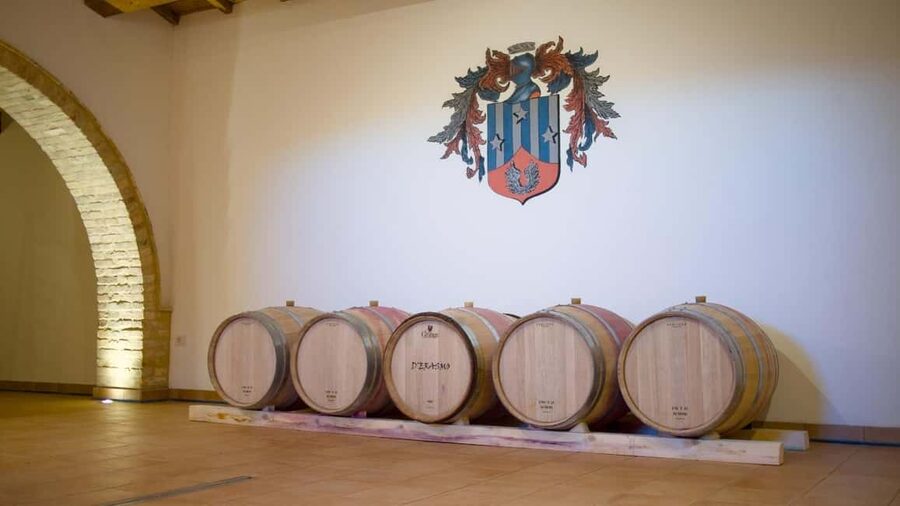
- the barrel room where wine rests during aging
That progression is smart. It’s easy to taste wine and talk about it like it’s a floating mystery. But when you see the handling steps and where aging happens, your brain starts organizing flavors into process.
One practical note: if it’s cold, you might spend less time outdoors than planned and focus more on the indoor parts. The good news is the indoor visit is genuinely the heart of it—the explanations and the barrel room are where it clicks.
Inside the barrel room: why aging matters for Offida, Sangiovese, and rosato
When you reach the barrel-aging space, the tour shifts from “how the grapes get processed” to “how the wine becomes itself.” Even with a short tour, this part helps you understand why the tasting doesn’t feel random.
This matters most for the wines you try. You’ll see three styles on the table, each with its own personality:
- a white built around Pecorino (Offida Pecorino DEOCG)
- a red based on Sangiovese (Marche Sangiovese IGT)
- a rosé style (Marche Rosato IGT)
Barrel aging (and the way it’s described) helps you listen for texture and structure, not just sweetness or acidity. You’ll likely notice that the red and rosato come across with different balance and weight, while the Pecorino brings its own flavor logic as a white.
Even if you’re not a wine nerd, this is the best kind of education: short, clear, and directly linked to what you drink next.
The tasting lineup: what to expect from the 3 D’Erasmo wines
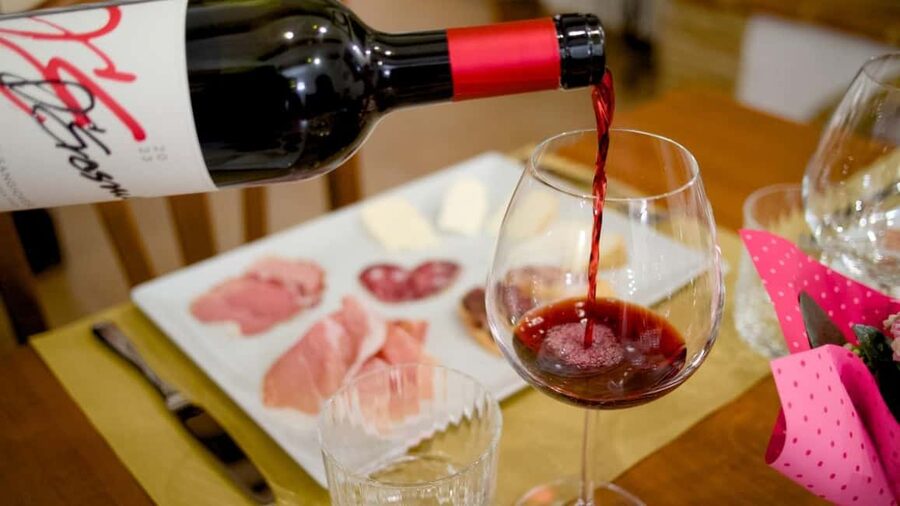
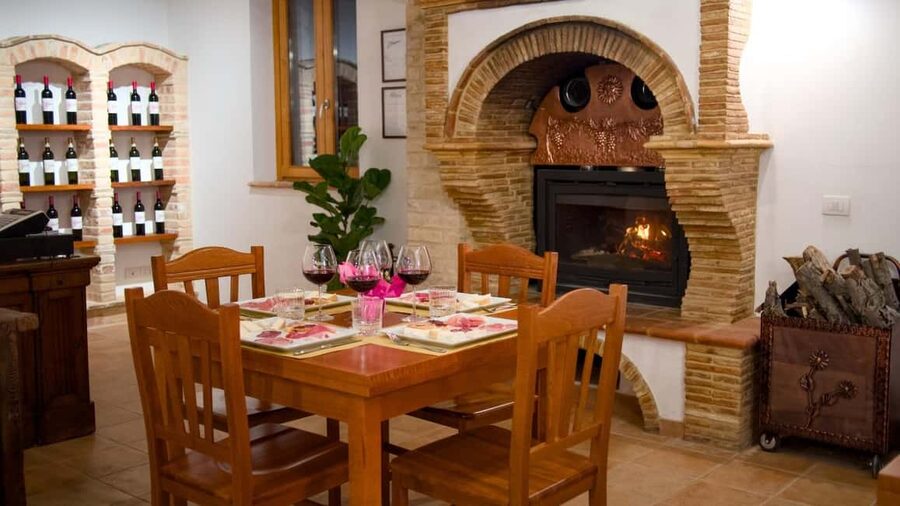
The tasting happens in the tasting room, and the guide serves 3 glasses of D’Erasmo Vini with descriptions as you go. I like that the lineup stays focused. You’re not overwhelmed by a long flight—you taste three that represent different directions.
Here’s what’s typically poured:
- Offida Pecorino DEOCG
- Marche Sangiovese IGT
- Marche Rosato IGT
What I think you’ll enjoy most is the contrast. Pecorino gives you a chance to appreciate how a Marche white tastes when it’s grown with the winery’s long-term methods in mind. The Sangiovese gives you a lens into the region’s red identity, especially how structure shows up. And the rosato helps you understand that “rosé” isn’t one single flavor type—it can be its own expression.
If you’re choosing between wine tours, this lineup is a strong sign of value. You’re getting variety without losing the thread of the explanation.
Marche food pairing: salumi, cheeses, sweets, and funghetti offidani
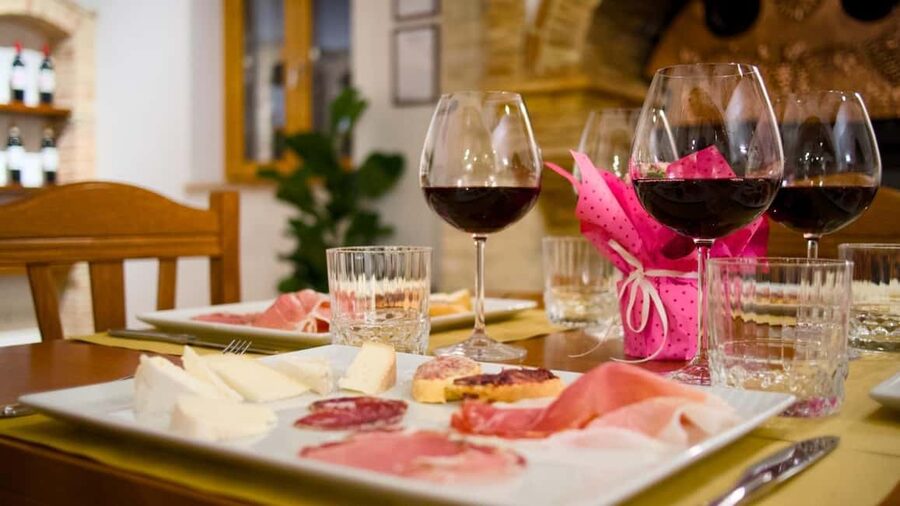
The tasting isn’t just wine in a row. You’ll have a set table with typical Marche products, including cold cuts and cheeses, along with other local delicacies.
This pairing is part of why the tour feels like a real regional experience instead of a classroom. Wine teaches you how a bottle works; food teaches you how locals actually enjoy the bottle in the day-to-day world.
One of the most specific details you should look forward to is funghetti offidani (a local specialty), plus dolci tipici, or typical sweets. Those items help the tasting connect to the Marche kitchen, where flavors tend to be practical, seasonal, and meant to be shared.
Also, the food portion tends to feel generous. The idea is that you should be able to relax, taste, and keep the conversation going while you’re sampling both wine and local bites.
Comfort and timing tips for enjoying the vineyard-to-cellar flow
Because the tour starts outside with vineyard views, dress like the weather matters. In cold months, the experience can shift toward indoor time. You might not get long outdoor wandering, but you still get the key view moment and then the best part indoors.
A couple more simple tips:
- Wear layers so you can handle moving from outdoor air to indoor rooms.
- Plan to go at a relaxed pace. The tour is short, but you’ll enjoy it more if you’re not rushing to eat somewhere else right afterward.
If you’re sensitive to strong smells, remember you’ll be in production spaces. It’s part of the experience, but it can be more noticeable close to cellar areas.
Dietary needs and intolerances: how to make it work smoothly
If you have allergies or intolerances—or you follow a specific preference—this tour can still work well, as long as you communicate early. At confirmation, you’ll need to send details to [email protected].
The most important point is timing. The tour doesn’t advertise a last-minute “we’ll see” approach. It asks you to plan ahead so the team can adjust the food portion during tasting.
This is a big deal. A lot of wine tours ignore the food side or handle it awkwardly. Here, the attention to different needs is part of how the experience is set up.
Who should book this tour (and who might want to skip it)
This fits best if you want:
- a Marche wine-and-food afternoon that doesn’t waste time
- a guided explanation of both vineyard choices and winemaking/aging steps
- a tasting built around local styles, especially Pecorino, Sangiovese, and rosato
It’s not designed for everyone. The experience is not suitable for pregnant women and children under 18. So if you’re traveling as a family with minors, you’ll need another option.
Also consider language. Since the tour is in Italian, you’ll have the smoothest experience if you’re comfortable enough to follow. If you’re not, you can still enjoy the tasting and general flow, but you may miss part of the nuance in the explanations.
Value check: why this is more than a quick sip-and-go
Price isn’t provided here, so I can’t judge against a number. But I can judge against what you actually get in the experience.
You’re paying for a package that includes:
- vineyard views and the winery story
- a guided tour through grape processing and a barrel-aging room
- a tasting of three specific D’Erasmo Vini
- paired Marche foods on a set table, including items like salumi, cheeses, and funghetti offidani
For many people, that’s the real value: you get structure. You don’t just taste wine; you understand why it tastes the way it does. Then you get to pair it with the region’s flavors, not generic snacks.
The result is a tour that feels like a true local stop, with enough time to enjoy the day without dragging on for half a tour bus day.
Should you book Cantina D’Erasmo? My honest recommendation
Book this tour if you want a compact, guided Marche winery visit where wine, food, and process all connect. The three-glass tasting lineup and the Marche pairing table make it feel complete, and the organic story since the 1980s gives the explanations real weight.
Skip it if you’re looking for a long scenic hike, because the outdoor part is mainly a viewpoint moment. Also consider the Italian-only guide if you need frequent translation to truly enjoy a tour.
If you’re planning your Marche time around food and wine—and you like the idea of seeing barrel aging and grape processing up close—this is one of the most straightforward ways to get the region’s flavor in a single afternoon.
FAQ
How long is the Marche tasting and tour at Cantina D’Erasmo?
The experience lasts 2 hours.
Where is Cantina D’Erasmo located?
It’s in Marche, in the heart of the Piceno area.
What language is the tour guide?
The tour is conducted in Italian.
What wines are included in the tasting?
You’ll taste three wines: Offida Pecorino DEOCG, Marche Sangiovese IGT, and Marche Rosato IGT.
Is there food included with the wine tasting?
Yes. The tasting is paired with typical Marche products such as cold cuts, cheeses, and other local delicacies (including local sweets).
Are options available for allergies, intolerances, or food preferences?
Yes. You should communicate your needs at the time of confirmation by emailing [email protected].
Is this tour suitable for children?
No. It’s not suitable for children under 18.
Is this tour suitable for pregnant women?
No. It’s not suitable for pregnant women.
Do I get time outside in the vineyards?
Yes. The tour begins outside with a panoramic view of the vineyard, then moves indoors to the winery areas and tasting room.
Are refunds available if plans change?
There is free cancellation up to 24 hours in advance for a full refund.
Can I reserve without paying right away?
Yes. There’s a reserve now & pay later option, so you can book a spot and pay nothing today.