REVIEW · BOURGOGNE FRANCHE COMTE
From Meursault: Private Sidecar Tour & Vineyard Wine Tasting
Book on GetYourGuide →Operated by Retro-tour Bourgogne · Bookable on GetYourGuide
Two wheels, vines, and real Burgundy terroir. This private sidecar ride from Meursault puts you close to the Côte de Beaune vineyards, and the tasting in situ lets you experience a Burgundy wine where it’s grown. I also like how the guide turns the famous jargon of the area, including the climats system, into something you can actually picture as you move through the villages.
One key consideration: it runs rain or shine, and you’ll ride with a helmet and goggles, so it’s best if you’re comfortable with weather, closed-toe shoes, and a more physical, active style of touring. It’s also not suitable for children under 5, pregnant women, or wheelchair users.
In This Review
- Key Points You’ll Notice Right Away
- A Sidecar Tour That Feels Like Burgundy Up Close
- Meeting at Meursault’s Church and Getting Ready to Ride
- The Saint-Christophe Climb: Views Over Meursault and the Vines
- Puligny and Chassagne Grands Crus: A “Reading” Table Stop That Makes Sense
- Rolling Through the Villages That Define the Route
- Why these village crossings matter
- La Rochepot’s castle moment
- Orches at the cliff’s foot, then higher views
- Saint Romain and cooperages
- Photo Stops: Regular Pauses With Room to Customize
- The Tasting in the Vineyards: Wine, Choice, and Commentary
- Price and Value: Is $106 for Two Hours Worth It?
- Who This Tour Fits Best (and Who Should Skip It)
- Should You Book the Meursault Private Sidecar Wine Tasting?
- FAQ
- How long is the Meursault private sidecar tour with vineyard wine tasting?
- Is this tour private or shared with other groups?
- What wine do I taste during the vineyard stop?
- Does the tour include the wine and glasses?
- Where do I meet, and where does the tour end?
- What should I bring or wear?
- Does it run in bad weather?
Key Points You’ll Notice Right Away
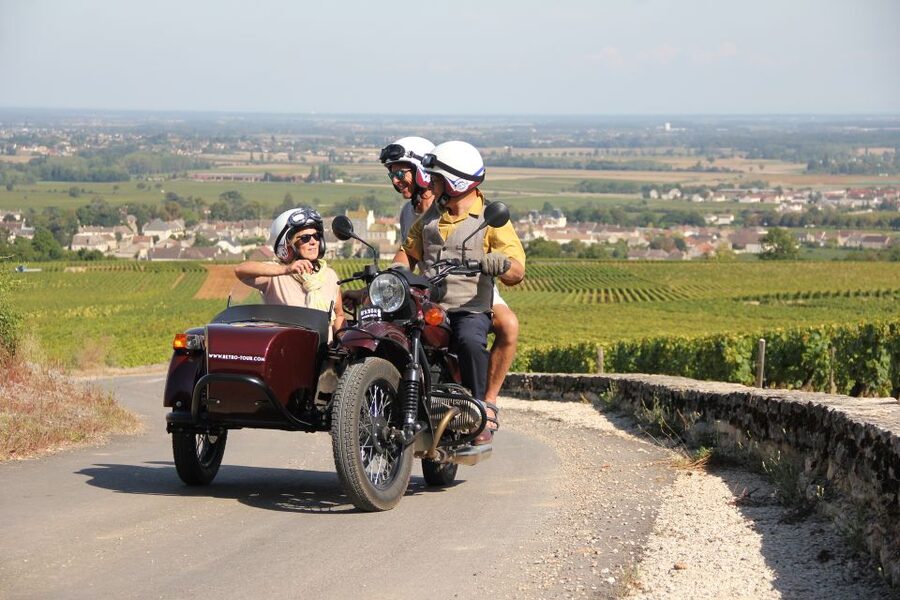
- Two-person private sidecar experience: built for couples, with a route that can adapt to your wishes
- Tasting among the vines (not in a showroom), with wine selected as white or red based on your preference
- Saint-Christophe panorama over Meursault and the surrounding vineyards
- Climats explained on the move, including a “reading” stop in the Puligny and Chassagne Grands Crus area
- Frequent photo stops with the option to pause longer if you want
A Sidecar Tour That Feels Like Burgundy Up Close
Burgundy can be oddly distant when you only see it from a highway or a tasting room. This tour changes the rhythm. You’re on an atypical machine, heading down small roads with lighter traffic, so the area feels human-scale: villages, vineyard rows, and viewpoints that make sense one turn at a time.
What makes it work is the pairing of ride + interpretation. The tour isn’t just about getting from A to B. The guide points out what the vineyards represent and why this part of Côte de Beaune is special. And since the tasting happens right in the vineyards, you’re not just paying attention during the ride—you’re rewarded with wine in the same setting that shaped it.
You can also read our reviews of more tours and experiences in Bourgogne Franche Comte.
Meeting at Meursault’s Church and Getting Ready to Ride
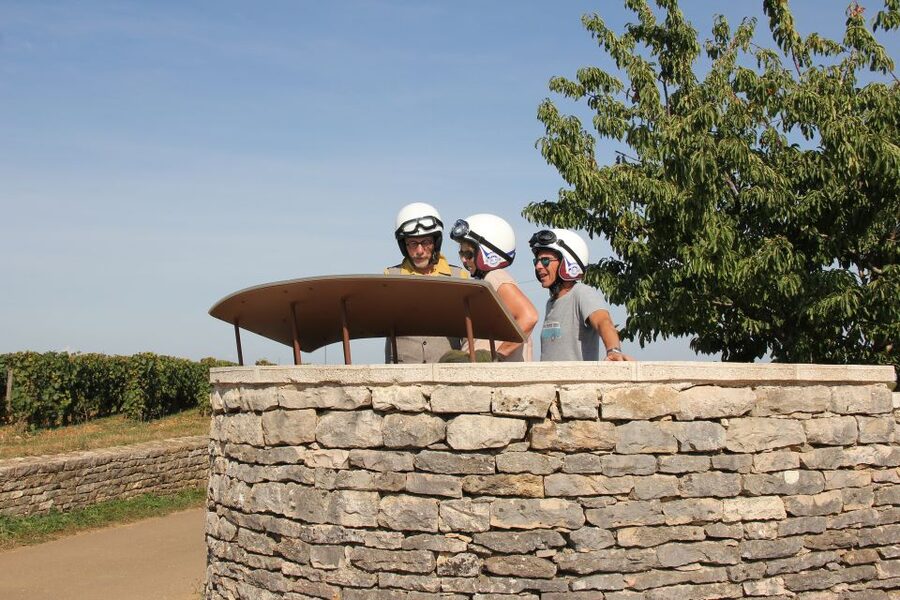
The day starts in Meursault, and the meeting point is simple: go to the church. Plan to arrive a little early. The appointment is fixed about 5 to 10 minutes before departure, giving time to get kitted out properly.
You’ll be equipped with a helmet and motorcycle goggles, and there’s a mobcap available on request. That small detail matters. It helps you feel less rushed and more comfortable before you start wobbling your way through Burgundy’s country lanes.
A few practical notes:
- Wear closed-toe shoes.
- Expect the tour to operate rain or shine.
- It’s guided in French or English (you’ll be with a live guide and the experience is private).
If you’re the kind of traveler who likes being outdoors, not just looking at places from a distance, you’ll appreciate how quickly the sidecar gets you into the tempo of the region.
The Saint-Christophe Climb: Views Over Meursault and the Vines
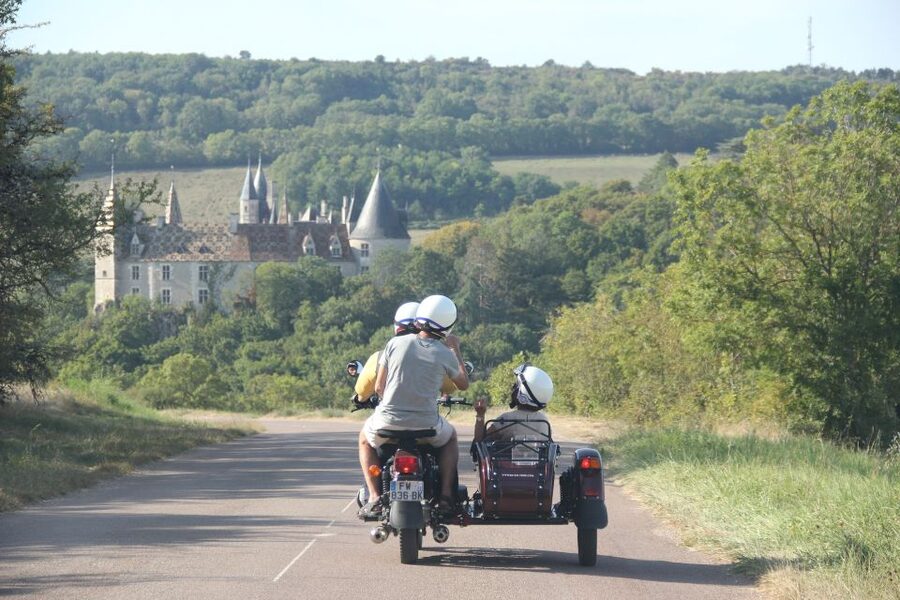
One of the tour’s headline moments is the “mountain” of Saint-Christophe. This is the kind of stop where you understand why people talk about Burgundy from these heights.
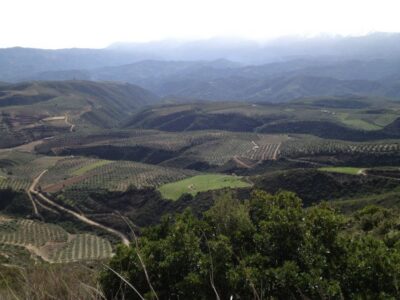
You’ll get a fantastic panorama over Meursault and the surrounding vines. It’s also a strong photo moment, especially if you time it around softer light. The viewpoint gives you a mental map: villages below, vineyard blocks stretching outward, and the feeling that the terrain itself is part of the wine story.
This kind of viewpoint stop is more than scenic. It helps you connect what you’ll hear later about terroir and climats to what you can actually see. When the guide points out patterns on the ground, you’ll already have your own visual reference.
Puligny and Chassagne Grands Crus: A “Reading” Table Stop That Makes Sense
Burgundy’s jargon can be a lot. The tour does a smart thing: it uses a specific orientation moment in the Grands Crus area of Puligny-Montrachet and Chassagne-Montrachet.
There’s a landscape reading table in the middle of the Grands Crus area where the guide can show you how the system works in real space. Think less about memorizing terms and more about learning to see differences—direction, slope, and the way vineyard parcels relate to each other.
In a recent experience, Gilles stood out as a host who explains the climats system and traditions in a way that’s easy to follow. If that’s your goal—understanding what you’re tasting—this is where the tour starts paying off beyond the ride.
Rolling Through the Villages That Define the Route
The best kind of touring in wine country doesn’t just cover vineyards. It links vineyards to the places people built: hamlets, roads, and small boundaries that shape everyday life.
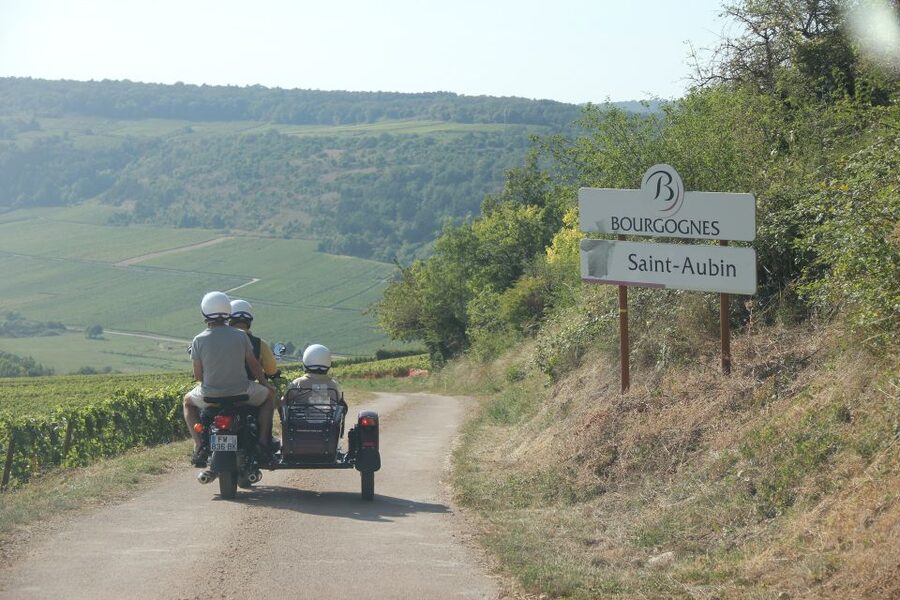
This route crosses a long list of places, including Blagny, Gamay, Saint-Aubin, Chassagne-Montrachet, Puligny-Montrachet, Santenay, La Rochepot, Orches, and Saint Romain. You’ll also pass by viewpoints tied to specific villages, including a sensational view of Saint-Aubin from the road toward Blagny.
Why these village crossings matter
As you ride, the “climats” become less like textbook words and more like a pattern you can recognize. Village names often mark where the terrain, exposure, and local practices meet. Even when the road curves fast, your guide can connect it back to what it means for wine style.
La Rochepot’s castle moment
One surprising stop is the unexpected and grand view of the castle of La Rochepot from the top of the village. It’s the kind of moment that breaks up the vineyard-only rhythm and gives your eyes something dramatic before you settle back into rows of vines.
Orches at the cliff’s foot, then higher views
You’ll cross Orches at the foot of the cliffs. Then, depending on weather, you may also get a fantastic panorama from the top cliffs with views toward the Jura and the Alps. That conditional part is worth noting: fog and rain can limit what you see, but the ride itself still delivers.
Saint Romain and cooperages
The tour also includes crossing the village of Saint Romain and its cooperages. That detail adds texture. Wine culture isn’t only grape and cellar doors; it also includes the tools and crafts that support aging and production.
Photo Stops: Regular Pauses With Room to Customize
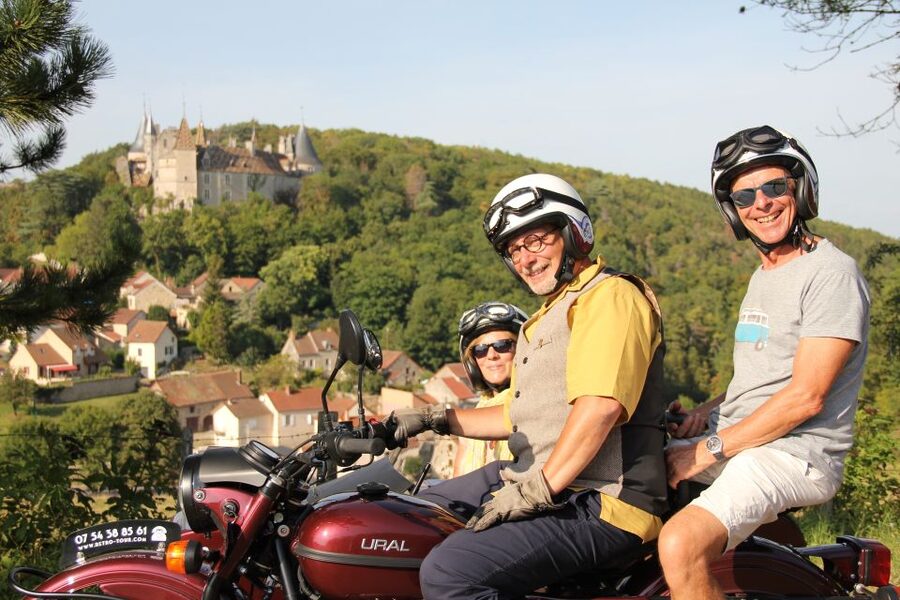
The tour is designed with photo stops planned very regularly at the best places along the route. That matters because in a sidecar, the best moments can come quickly. Scheduled pauses help you actually enjoy the view rather than only grabbing a shot while moving.
And you’re not locked into rigid timing. You can request a stopover if you particularly like a place. This is especially useful if you find yourself drawn to a viewpoint or a village corner and want a few extra minutes to take it in.
Because it’s private, the sidecar carries only two passengers. That keeps the experience focused. It also means the guide can adjust the pace when needed.
The Tasting in the Vineyards: Wine, Choice, and Commentary
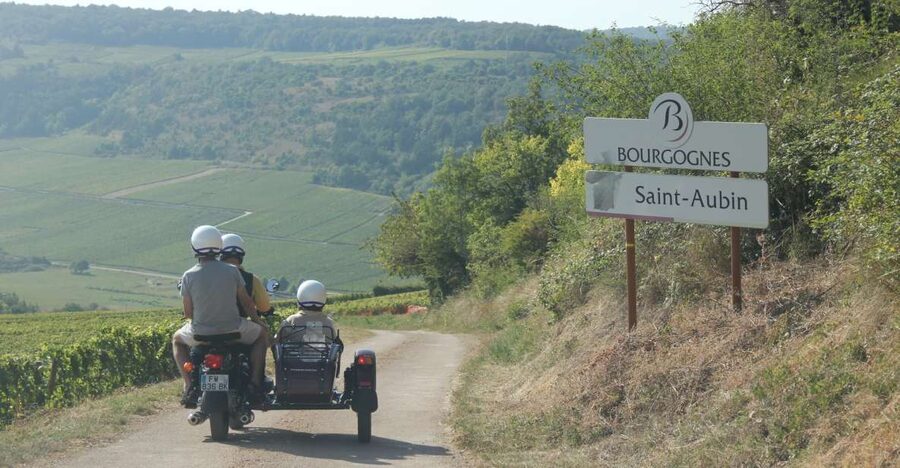
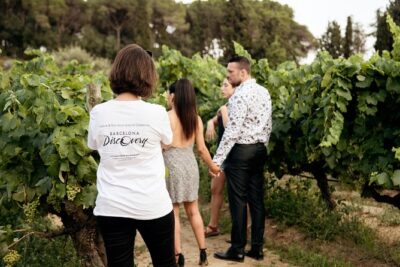
The tour’s payoff is the commented tasting of a wine from a great Burgundy wine house, served right in the vineyards. You can choose whether you want white or red, and that preference drives what you’ll taste in situ.
The included items are straightforward and practical: you’ll get glasses and wine, plus you’ll have everything you need to try the wine where it belongs.
This type of tasting changes how you read the wine. Instead of tasting in a quiet room while your brain is still thinking about the drive, you’re tasting as the guide connects the dots between terrain and flavor choices. You’ll also likely remember the shape of the ground, the direction you were facing, and the village names you passed moments earlier.
In one highlight of the experience, the guide supplied local wine during a pause mid-tour, and the overall vibe stayed relaxed and personal. That fits the tour style: not stiff, not rushed, and clearly built around you getting a real connection to the area.
Price and Value: Is $106 for Two Hours Worth It?
At $106 per person for about two hours, the price can look steep at first glance—until you break down what you’re paying for.
You’re not paying for a bus ticket and a stop at a single cellar. You’re paying for:
- A private two-person sidecar ride
- A live guide in French or English
- Helmets and goggles (included)
- Wine, plus glasses
- The added value of tasting in the vineyards, not indoors
The vehicle is a major part of the cost, and it’s also a major part of the experience. A sidecar tour isn’t common wine tourism. If you want something more active, more visual, and more connected to the landscape you’re tasting, this format delivers.
If you prefer long, slow cellar visits or you’re traveling with a big group, you might find other Burgundy tastings better suited. But if you want a two-hour highlight that combines ride, views, and wine in place, this one tends to make sense fast.
Who This Tour Fits Best (and Who Should Skip It)
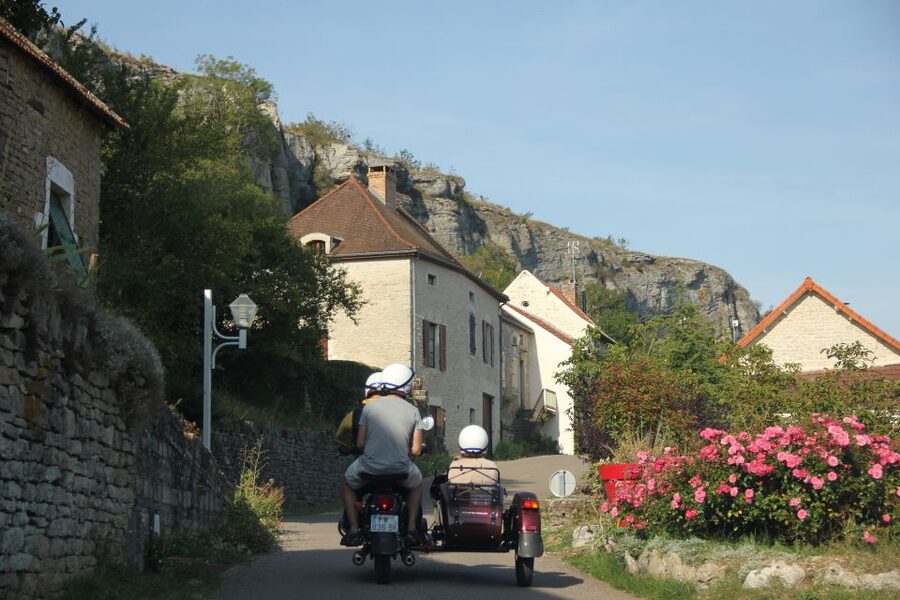
This is an excellent choice if you’re a couple or you simply like the privacy of a small group experience. The sidecar carrying only two passengers keeps the conversation easy and the pace adaptable.
It also works well if you care about understanding terroir rather than just collecting stamps. Stops like Saint-Christophe and the Puligny and Chassagne orientation point are built for learning as you go.
You should consider skipping if:
- You’re not comfortable riding in rain or shine.
- You’re traveling with children under 5.
- You’re pregnant.
- You use a wheelchair.
- You prefer a fully seated, low-motion tour.
You’ll also be happiest if you like photo stops, short pauses, and moving between villages rather than spending all your time in one single location.
Should You Book the Meursault Private Sidecar Wine Tasting?
Book it if you want Burgundy to feel alive. This tour gives you a rare combo: a private ride in an unusual vehicle, strong viewpoint moments like Saint-Christophe, and a tasting in the vineyards where the wine story actually starts.
Skip it if your priority is a long, indoor cellar day or you want minimal riding time in variable weather. Also, if safety gear and goggles feel like a hassle for you, take that into account before you commit.
My practical advice: if this is your first time in Côte de Beaune and you want a quick but meaningful understanding of climats, you’ll likely come away with clearer mental maps and a more personal tasting memory than you’d get from a standard tour.
FAQ
How long is the Meursault private sidecar tour with vineyard wine tasting?
The tour lasts 2 hours.
Is this tour private or shared with other groups?
This is a private group experience, and the sidecar carries only two passengers.
What wine do I taste during the vineyard stop?
You have a private tasting in situ in the vineyards, with your preference choosing white or red wine.
Does the tour include the wine and glasses?
Yes. The experience includes wine and glasses.
Where do I meet, and where does the tour end?
You meet at the church in Meursault, and the tour ends back at the meeting point.
What should I bring or wear?
Bring closed-toe shoes. Helmets and goggles are provided.
Does it run in bad weather?
Yes. The tour takes place rain or shine.