REVIEW · BOURGOGNE FRANCHE COMTE
From Paris: Burgundy Region Winery Tour with Tastings
Book on GetYourGuide →Operated by Blue Fox Travel · Bookable on GetYourGuide
Chablis wine in one long, smart day. I like how this tour mixes real cellar time with 10+ tastings, not just a drive-and-smile stop. I also love that you’re not locked into one style of Burgundy: you taste Chablis whites, then family-run reds/whites, then finish with Crémant sparkling in a cave setting. The main drawback is simple: it’s a full day with a lot of time in the van, and food isn’t included beyond the lunch break you pick on your own.
You’ll be picked up in central Paris and taken about 110 minutes to Burgundy, where the day unfolds with three very different producers. You’ll meet winemakers (or the current generation in charge), learn how terroir and soil show up in the glass, and get guided tastings you can actually compare. Guides like Matt, Johnny, Olivier, Brune, and Serena show up in the group experience as clear teachers, and the best part is they adjust the pace for mixed wine levels.
If you want a calm, efficient way to see the Chablis area and taste the wines Burgundy is famous for, this tour fits. If you’re the type who hates structured schedules, or you snack only when it’s convenient, plan for the long itinerary and non-included meals.
In This Review
- Key highlights to know before you go
- The real appeal: Burgundy tasting with a compare-and-contrast flow
- Leaving Paris and getting to Chablis without losing the day
- Why the max-8 small group setup really matters
- Stop 1: Domaine Jean-Marc Brocard and the Chablis tasting lesson
- The Chablis lunch break: choose your own spot in town
- Stop 2: Domaine BERSAN Pierre-Louis & Jean-François and a 21st-generation story
- Stop 3: Les Caves Bailly Lapierre and Crémant in the caves
- The tasting math: how many wines you actually get
- Transportation, comfort, and timing: the unglamorous part that makes or breaks a day
- Is it good value at $277 per person?
- Who should book this Burgundy and Chablis tour?
- Should you book it or skip it?
- FAQ
- How long is the Burgundy Region Winery Tour from Paris?
- Where do I meet the tour?
- How many wineries and tastings are included?
- Is lunch included?
- How many people are in the group?
- What language is the tour guide?
- Is transportation included?
- Is there a skip-the-line benefit?
- When do I arrive back in Paris?
Key highlights to know before you go
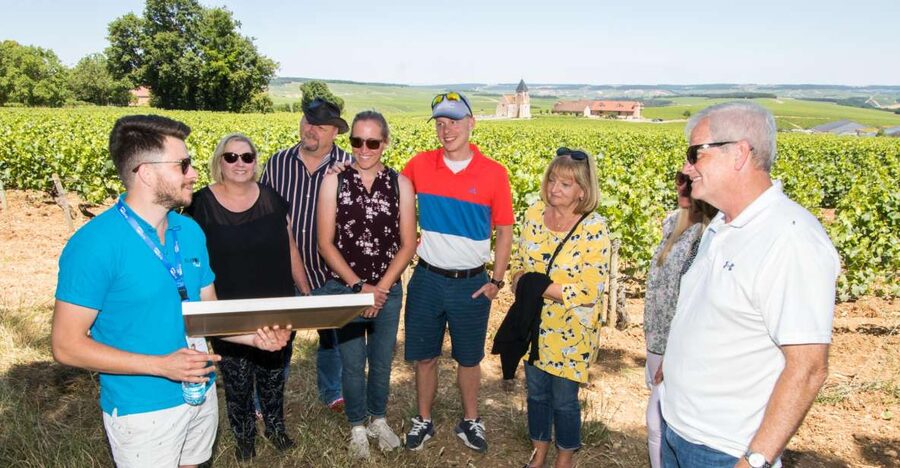
- Max 8 people: smaller group energy and more chances to ask questions during tastings
- Three producer stops: a Chablis-focused winery, a long-running family estate, and a Crémant cave cellar
- 10+ wines tasted: you get enough variety to understand Burgundy’s style differences
- Chablis lunch break: time to choose a place in town instead of a rushed restaurant stop
- Skip-the-line entry: separate entrance helps keep the day moving
- English live driver-guide: the same person handles driving and wine context
The real appeal: Burgundy tasting with a compare-and-contrast flow
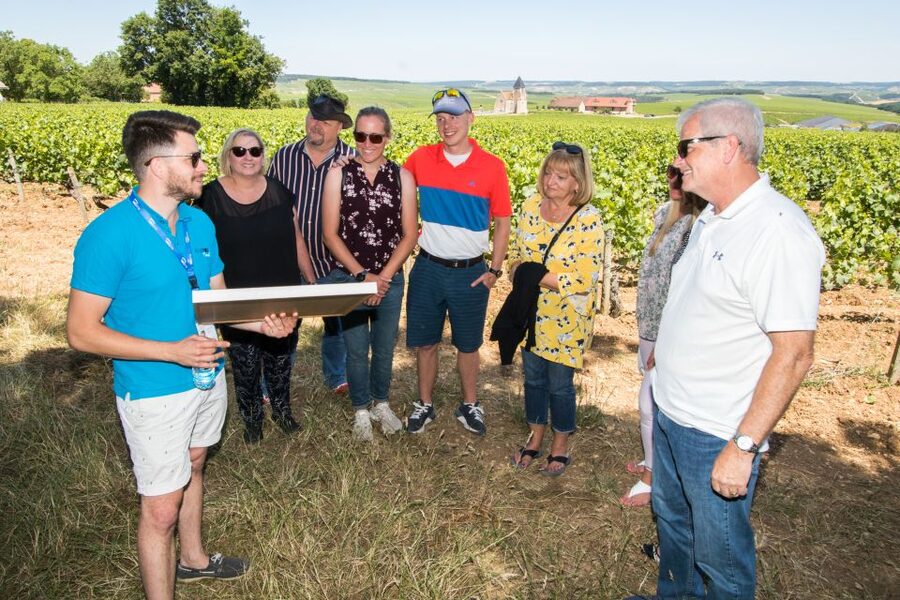
Burgundy is one of those regions where the details matter. Soil, slope, vine age, and winemaking choices can all shift what you taste, even when the grape variety feels familiar on paper. This tour is designed to help you compare—not just collect souvenirs of glassware.
I like the structure because each stop changes the lesson. You start with the northern Burgundy angle—Chablis—then you move to a family producer that leans into tradition, and you finish with Crémant sparkling made with a different set of production choices. The result is a day that feels educational without turning into a lecture.
And yes, you do spend time driving. But the trade-off is you get a full day’s worth of tastings and access to cellars that are hard to see on your own in one go.
You can also read our reviews of more tours and experiences in Bourgogne Franche Comte.
Leaving Paris and getting to Chablis without losing the day
This is a 12-hour outing, with the van departing from central Paris (starting at 6 Av. de Wagram). The drive to Burgundy is about 110 minutes in the itinerary, and the return is roughly 2 hours, with arrival back in Paris around 8:00 PM depending on traffic.
That long travel window is the reason the comfort rhythm matters. In multiple accounts of the day, guides like Matt are praised for building in bathroom and snack breaks. That matters more than it sounds when you’re facing a round trip plus three tastings plus a town lunch stop.
Practical tip: keep a light snack and water in your bag anyway. The tour includes tastings, but food isn’t part of the package. A small buffer makes the van time feel shorter and the lunch decision in Chablis easier.
Why the max-8 small group setup really matters
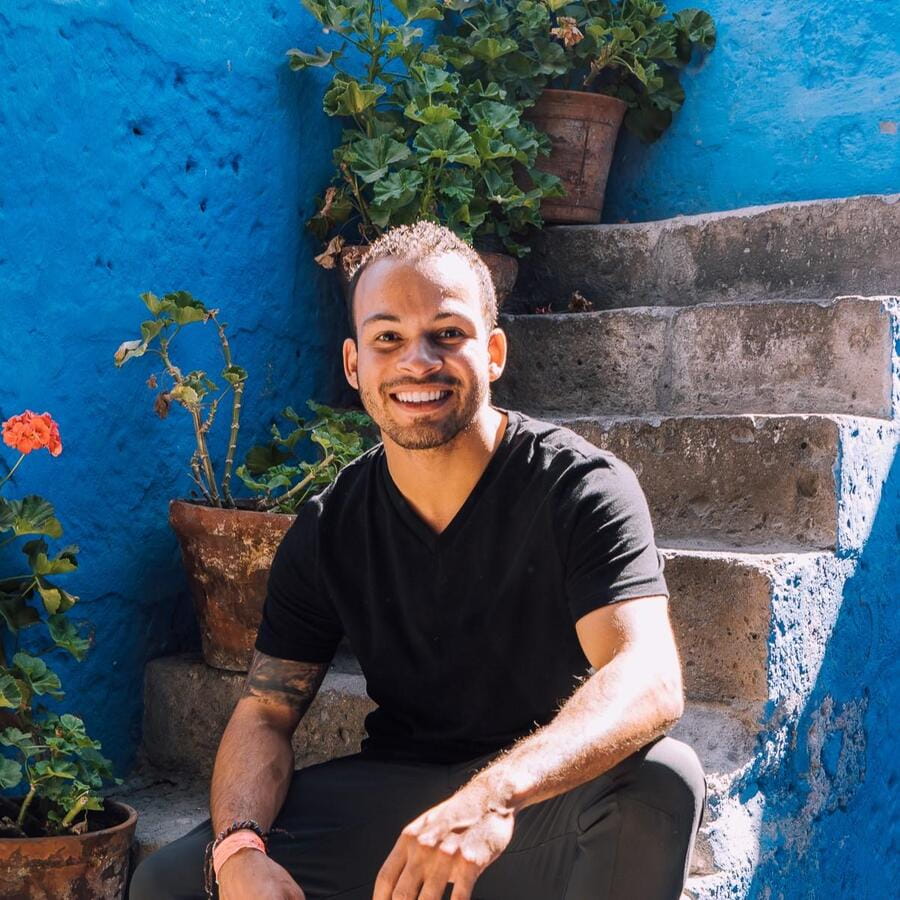
The group size cap is 8 people, and it shows in the way tastings tend to land. With smaller numbers, the guide can slow down when someone wants to understand what they’re tasting. You also get more room to discuss style differences—like why a Chablis can taste sharper or more rounded depending on the producer and how it’s handled in the cellar.
This is one of those tours where the “driver-guide + English live guide” format works because the same person stays with you. Guides in past groups—Matt, Johnny, Olivier, HP, Enzo, and Augustine are all named—come through as teachers who answer questions in plain language, not just recite labels.
If you’re traveling solo or as a couple, the small group size is also a value win. You’re not competing for attention with a busload of people.
Stop 1: Domaine Jean-Marc Brocard and the Chablis tasting lesson
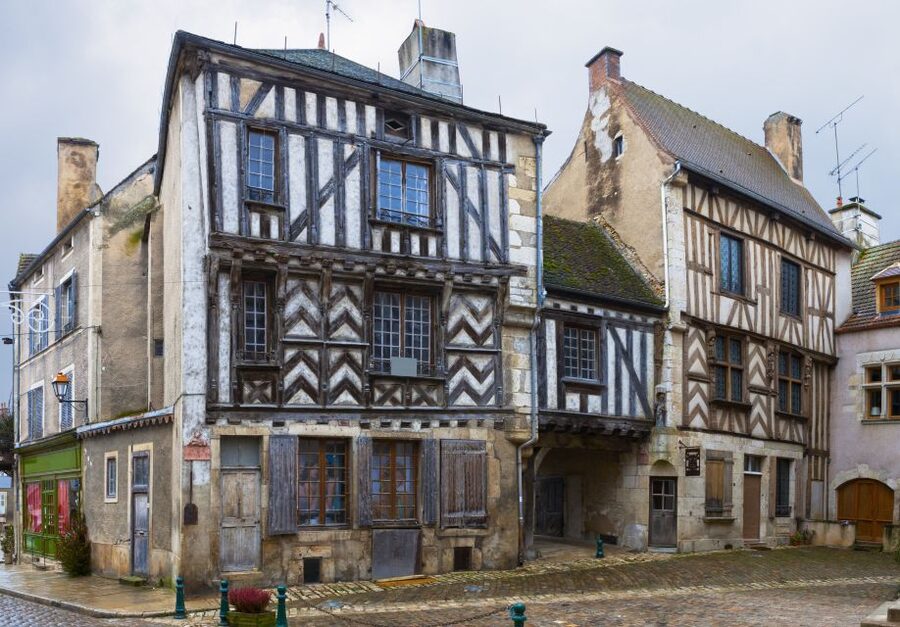
Your first wine stop is Domaine Jean-Marc Brocard for about 1.5 hours. This is where the day locks into northern Burgundy. The schedule includes tastings of award-winning Chablis plus six other wines.
What I like about this start is that it gives you a baseline. Chablis is a great gateway because it’s tied to a clear regional identity, and the tasting format sets you up to recognize what changes from one wine to another—acidity, fruit expression, texture, and how the wine finishes.
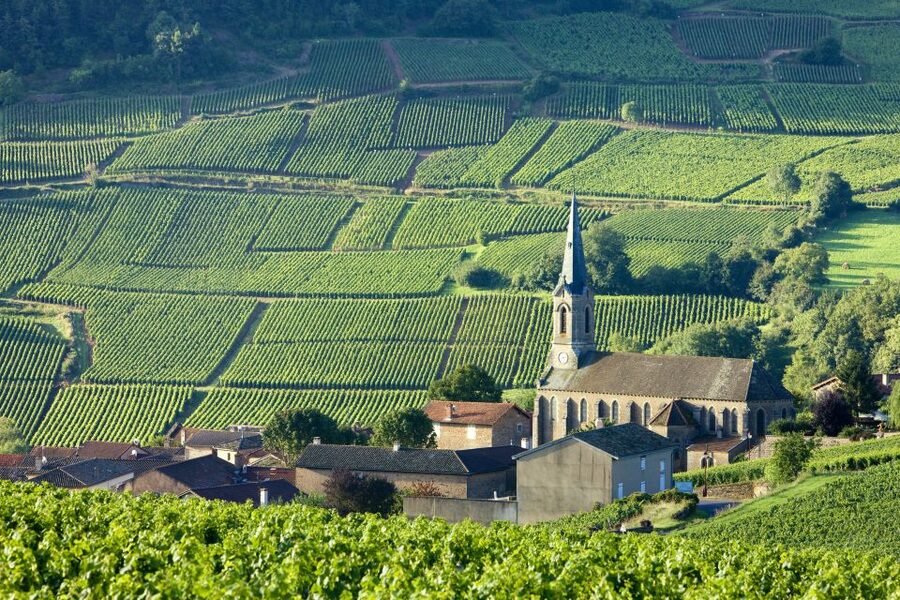
You’ll also get vineyard context. The tour notes that you explore the vineyards and learn about how the composition of the region’s soil feeds into the wine’s distinct character. Soil and slope can sound abstract until you’re tasting within the same area, then it clicks.
Possible drawback to consider: the first winery is often the most structured and “classic” in its tasting approach. If you want a highly interactive, behind-the-scenes experience at every stop, the other producers might feel more variable in how hands-on they are.
The Chablis lunch break: choose your own spot in town
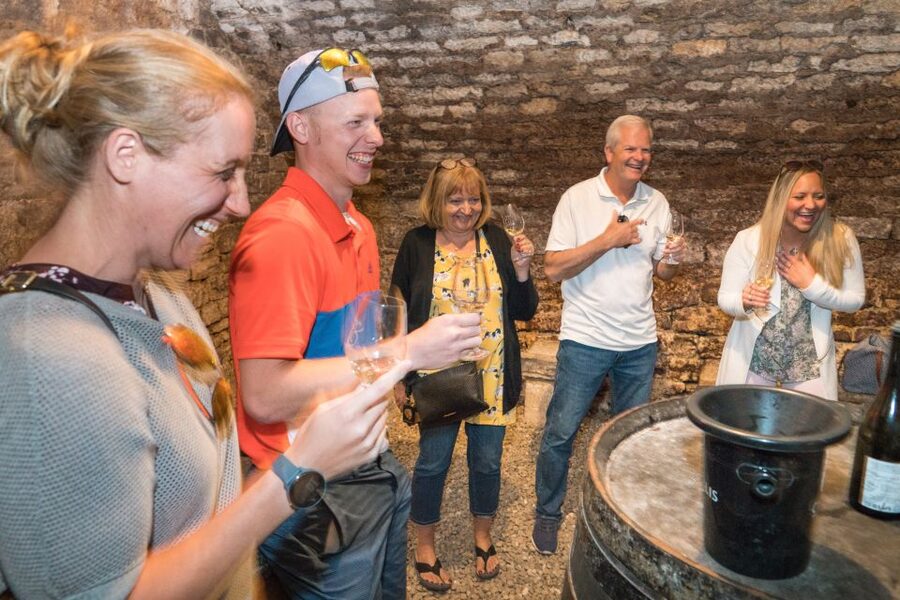
After the first winery, you get 75 minutes for lunch in the charming town of Chablis. This is a real free-time break, not just a quick stop where you’re herded into a set menu.
Why it’s valuable: Chablis is small enough to feel like a break from the itinerary, but not so empty that you feel stuck. You can choose something quick if you’re still hungry, or take your time if you want a breather after tasting.
Practical tip: eat before you get too comfortable. You’ll be heading to the next producer after lunch, and the second stop is another 1.5-hour tasting block.
Stop 2: Domaine BERSAN Pierre-Louis & Jean-François and a 21st-generation story
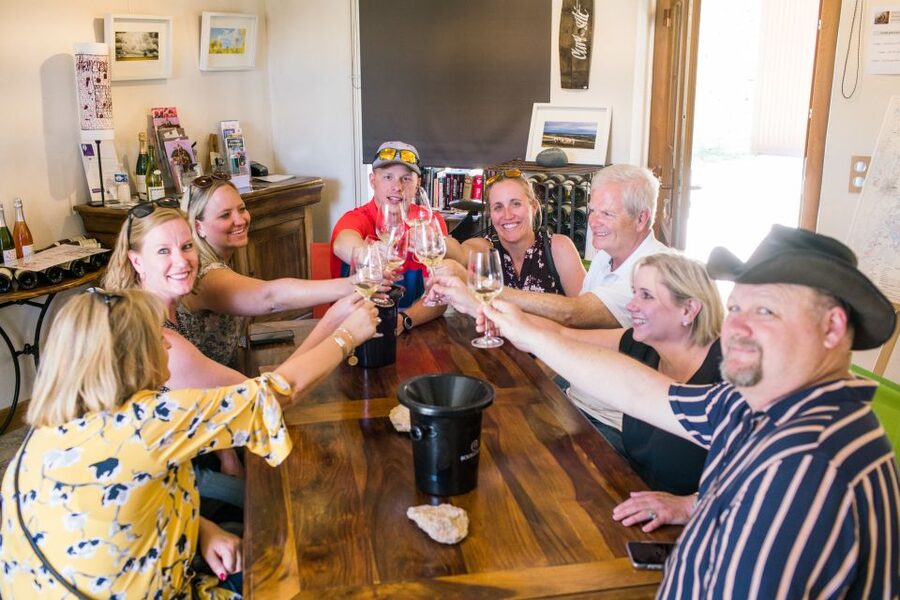
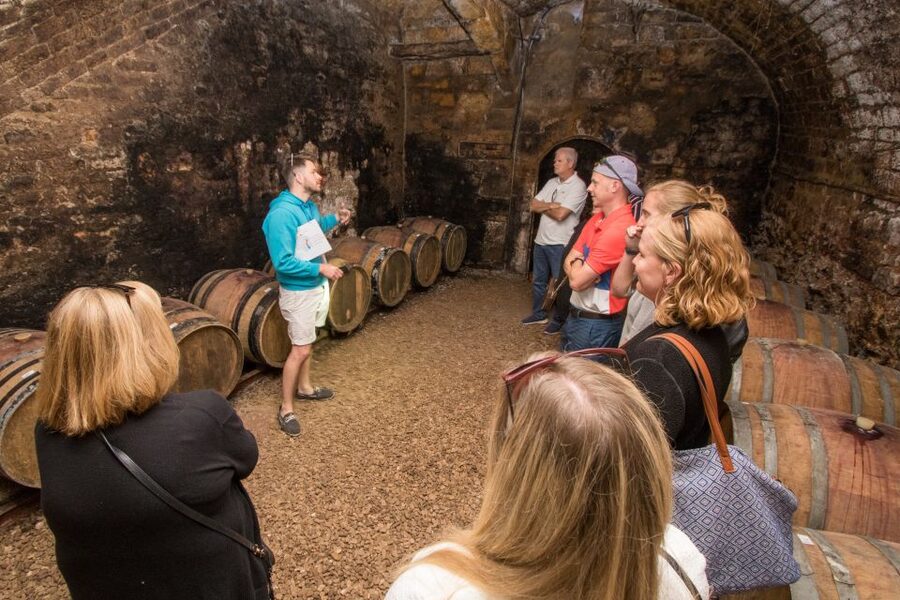
Next up is Domaine BERSAN Pierre-Louis & Jean-François for about 1.5 hours. The tour description highlights a family-run operation with roots going back to 1453, and the current owner is described as a 21st-generation winemaker.
That matters because Burgundy isn’t just about grapes—it’s about time. When you meet a family with that kind of tenure, you’re hearing how practices evolved and what stayed consistent. You also taste the way those choices come through.
The tasting portion at this stop is specifically framed as tasting five of the family’s favorite wines. In other words, you’re not trying to decode a massive flight of unknown labels. You’re tasting a curated set of what they believe shows their house style.
What to expect: the cellar and tasting experience are set up to be guided, and you’ll be moving at a touring pace rather than rushing through glasses. In prior experiences, this stop has been described as visually impressive and historical, with cellars that can feel like winding passageways.
A balanced consideration: depending on the day, the level of interaction might feel different from winery to winery. Some groups have found one stop more “interactive” than another, so don’t expect every producer to run the same style of tour.
Stop 3: Les Caves Bailly Lapierre and Crémant in the caves
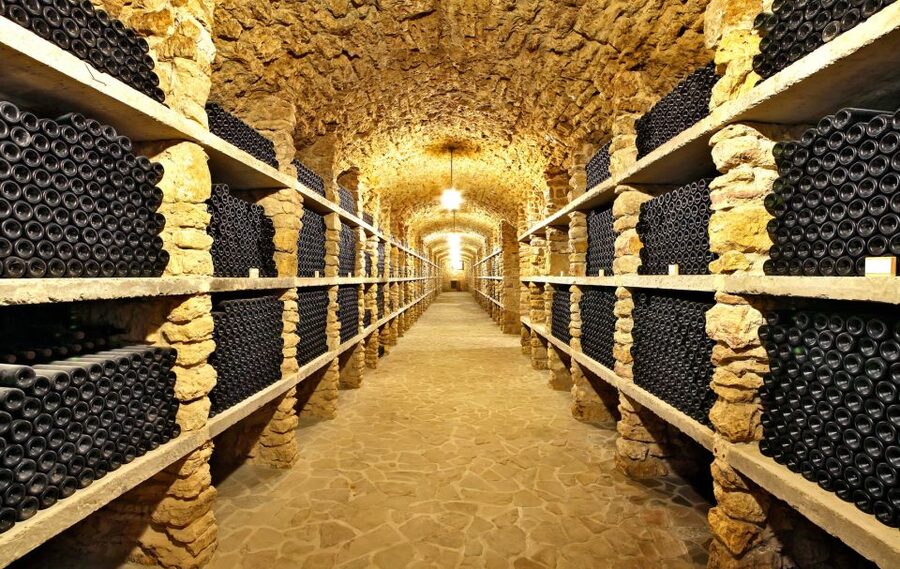
The final wine stop is Les Caves Bailly Lapierre, described as having the largest cellars in the region. Your time there is about 30 minutes for tasting.
This is the winemaking shift. Up to this point, you’ve been focused on still wines and the Chablis frame. Crémant changes the game: you’re tasting sparkling Burgundy made outside Champagne, and the cave setting adds a theatrical change of pace.
You’ll taste two Crémant wines, and the tour notes the stop includes a guide-led tasting in a cave location. In some past group impressions, the atmosphere has been described as fun and energetic—almost like a lively performance space rather than a quiet museum.
Balanced caution: the cave cellar experience can include more sales energy than you might prefer. If you want to watch every production detail, you might feel the tasting time is brief. But if you’re happy tasting and learning the basics of how Crémant fits into the regional story, it’s a satisfying finish.
The tasting math: how many wines you actually get
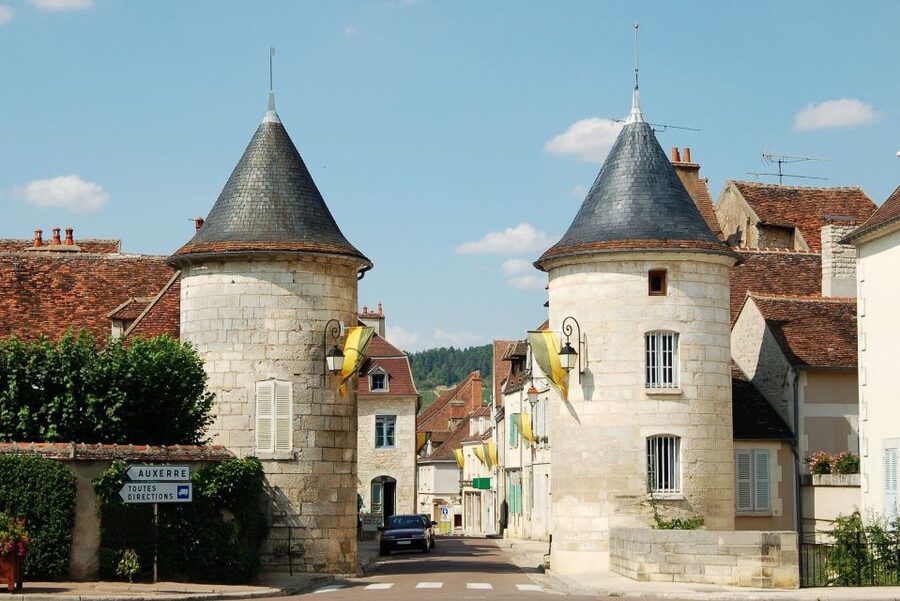
The tour description states tastings of 10+ wines, and the itinerary blocks fit that total. First winery: Chablis plus additional wines. Second winery: five favorite family wines. Third winery: two Crémant.
In past experiences, people have reported tasting closer to 15 wines in the full day. That’s a lot for one outing, so pace yourself. Also keep in mind the tour is long enough that your senses can fatigue if you’re trying to compare every wine too hard.
My suggestion: when you’re tasting, pick two things to focus on each stop—acidity/texture, and finish/aroma. You’ll remember the differences better than trying to memorize everything.
Transportation, comfort, and timing: the unglamorous part that makes or breaks a day
The tour includes transportation in an air-conditioned vehicle and an English driver-guide. There’s also a “skip the line” aspect through a separate entrance, which helps the schedule stay smooth.
Comfort breaks are a real part of the value here. With long road time, a driver-guide who plans bathroom/snack stops keeps the group comfortable. Guides like Matt have specifically been praised for this, which tells me the operator takes comfort seriously, not just the wine checklist.
Plan for the day to feel packed:
- Morning and mid-day are built around tastings
- Lunch is your breathing space in town
- Late afternoon wraps with the Crémant cave tasting
- You’re back in Paris around 8:00 PM (traffic dependent)
If you’re prone to getting tired on long travel days, you’ll want to pack a travel kit: water, a small snack, and something for warmth in case the van feels cooler than you expect.
Is it good value at $277 per person?
At $277 per person for about 12 hours, the price looks high until you break down what you’re paying for.
You’re getting:
- Air-conditioned round-trip transportation from Paris
- A driver-guide (not just a driver)
- Entrance fees included
- Guided tastings of 10+ wines across three wineries
- A stop in Chablis with time to choose lunch
- Small-group cap of 8 people
For a Burgundy day trip, the big cost driver is usually transport plus the paid access to tastings and cellar time. This tour bundles those costs into one ticket, which makes your spending predictable. Also, compared to piecing it together yourself (train/transfer + booking tastings at multiple producers), the “all-in” structure can be the more relaxing route.
If you’re the kind of wine buyer who likes to compare houses and styles before purchasing bottles, this setup can also pay off. You see the differences first, then decide what to take home.
Who should book this Burgundy and Chablis tour?
This tour is a strong match if you:
- Want a guided wine day without the stress of planning multiple reservations
- Like Chablis as a starting point and want to see Burgundy’s broader range
- Prefer small-group conversations over a large bus experience
- Want a mix of still wines and Crémant at the end
It’s less ideal if you:
- Want a totally free-form day with no fixed timeline
- Plan to skip tastings entirely (this tour is built around the tastings)
- Have strong preferences for food being included (it isn’t; lunch is on you in Chablis)
Should you book it or skip it?
I’d book this Burgundy Region Winery Tour with Tastings if you want a structured, small-group day that actually teaches you how to taste Burgundy. The standout value is the combination of three different producer experiences, Chablis-focused tastings, and a final Crémant stop in a cave cellar—plus the small-group cap and English guiding.
If you’re on the fence, decide based on one question: do you enjoy guided tastings enough to justify a long day trip? If yes, this tour’s pacing, comfort planning, and tasting volume make it a practical way to get a real Burgundy day without the guesswork.
FAQ
How long is the Burgundy Region Winery Tour from Paris?
It runs for 12 hours total, with return to Paris around 8:00 PM depending on traffic.
Where do I meet the tour?
Meet outside café La Flamme, which has a black storefront.
How many wineries and tastings are included?
You visit three wineries/producer stops and have tastings of 10+ wines during the day.
Is lunch included?
No. Food isn’t included, but you do have time in Chablis to purchase your lunch on your own.
How many people are in the group?
The maximum number of participants is 8.
What language is the tour guide?
The tour is offered with an English live guide.
Is transportation included?
Yes. The tour includes transportation in an air-conditioned vehicle.
Is there a skip-the-line benefit?
Yes, you get skip the line access through a separate entrance.
When do I arrive back in Paris?
The tour returns to Paris at around 8:00 PM, depending on traffic.