REVIEW · VERONA
Verona: Vineyard and Winery Tour with Wine Tasting
Book on GetYourGuide →Operated by Tenuta Santa Maria Valverde s.a. · Bookable on GetYourGuide
Wine tastes better with a family behind it. At Tenuta Santa Maria Valverde, you get a vineyard stroll, a tour of a 17th-century winery, and a clear lesson on Amarone appassimento, the grape-drying method that shapes the wines. I love the relaxed pace and the personal teaching from hosts like Raquel and guides such as Jacopo, who help you connect what you see in the cellar to what you taste.
One heads-up: the tasting centers on about three wines, and the overall experience can run longer than the stated 2 hours—so leave some breathing room after the tour.
In This Review
- Key highlights worth knowing before you go
- Where Valpolicella starts: Tenuta Santa Maria Valverde’s setting
- The vineyard walk: how you get oriented before tasting
- Amarone grapes and appassimento: the traditional drying room visit
- Cellars and a rural house used since the 1600s
- The tasting on the terrace: Valpolicella, Ripasso, and Amarone with local antipasti
- How the guide teaches you to taste (so you can do it again later)
- Views, pace, and those small human touches
- Price and value: is $82 a fair deal for this tasting?
- Getting there from Verona: the part that can make or break your day
- Who should book this Verona winery tour
- Should you book it?
- FAQ
- How long is the Verona Vineyard and Winery Tour with Wine Tasting?
- Where is the meeting point?
- What wines are included in the tasting?
- What food is included during the tasting?
- Is there a guide on the tour?
- What languages are available?
- Is the tour suitable for children?
- What is the minimum age to consume alcohol?
- Is free cancellation available?
Key highlights worth knowing before you go
- A 5-generation, family-run winery in Valpolicella: this is built around people, not a factory-tour script
- Amarone appassimento in a traditional drying room: you’ll see how the grapes are dried and why it matters
- Tasting Valpolicella, Ripasso, and Amarone: a focused lineup that shows how styles differ
- Wine evaluation taught with your senses: sight, smell, taste, plus how to describe what you’re getting
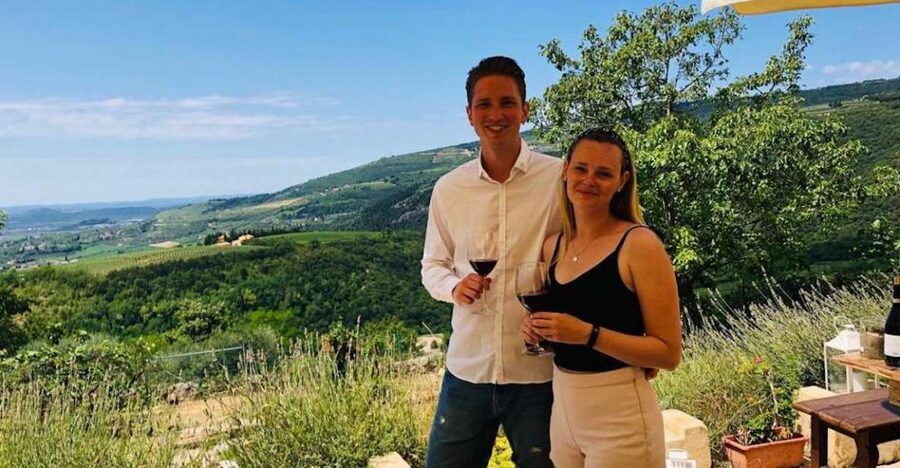
- Antipasti paired with the wine on the terrace: local cheese, salami, olive oil, bread, and chutney with strong valley views
- Small, friendly moments: dogs and puppies sometimes join the day, and the hosts keep things warm and human
Where Valpolicella starts: Tenuta Santa Maria Valverde’s setting
This tour has a simple superpower: it puts you in the right place to understand Valpolicella. You’re based at Tenuta Santa Maria Valverde in Marano di Valpolicella, in the countryside outside Verona. The result is that the wine doesn’t feel like something shipped in from somewhere else. It feels made where it grows.
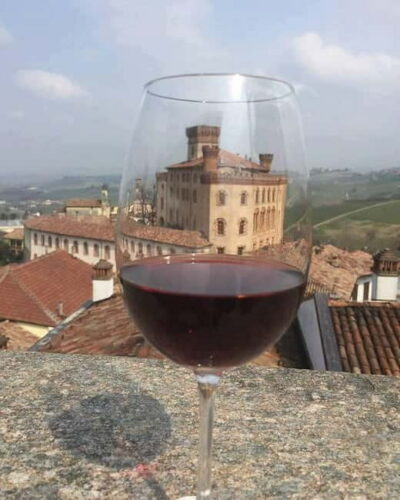
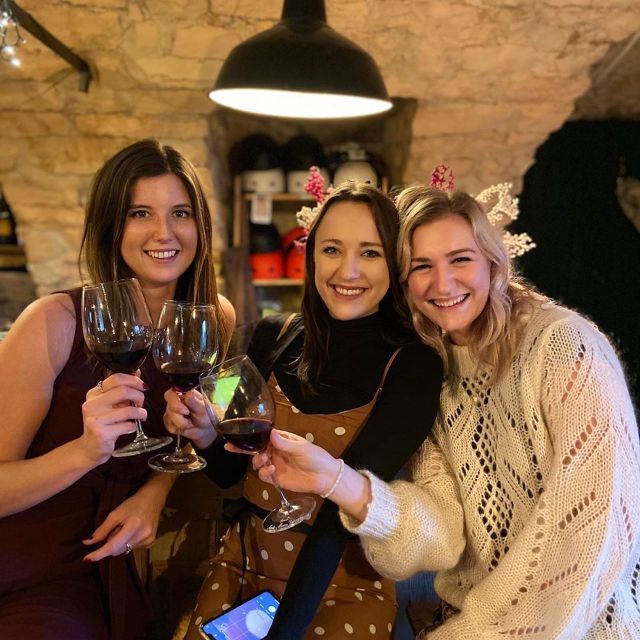
What I like most is how the estate itself teaches you. You start with the vineyard atmosphere—open space, gentle rural quiet, and that classic hillside view. Several people also call out the way you can spot Lake Garda (sometimes in the distance), which makes the terrace portion feel like more than a break. It’s part of the lesson: why the terrain and microclimates matter for red wine.
And because it’s a family-run winery, the storytelling isn’t just dates and names. It’s personal—history tied to the current harvest rhythm. You’ll hear the family history of the winery and its estates as you stroll, which helps you understand why they still use traditional methods like appassimento.
You can also read our reviews of more tours and experiences in Verona.
The vineyard walk: how you get oriented before tasting
The first movement of the day is a countryside stroll around the vineyards. This matters more than it sounds. If you begin tasting right away, you’ll just sip and nod. Here, you build a mental map first: grapes, rows, hillside conditions, and the idea that different lots can become different flavor directions.
You’ll get guided context as you walk—family background and a sense of how the estate works. You also get small “on purpose” moments, like hearing why the winery’s approach leads to specific styles you’ll taste later (Valpolicella, Ripasso, Amarone). Think of this as the warm-up that makes your tasting notes easier.
Practical tip: wear comfortable shoes. You’re walking on rural terrain, and you’ll want to keep your pace easy. The tour is designed to feel unhurried, but it’s still outdoors time.
Amarone grapes and appassimento: the traditional drying room visit
The centerpiece of the learning is the traditional drying room where Amarone grapes are dried using appassimento. This is the kind of detail that turns a wine tasting from casual fun into real understanding.
Here’s what you’re getting: a look at the step that happens before the wine even reaches the barrel. Appassimento concentrates the grapes by drying them, which changes the balance of flavors and intensity you’ll later find in the finished Amarone style. The guide explains the process and why different grapes lead to different results.
This portion is also where the tour’s tone clicks. People often expect big, dramatic production vibes at wineries. This one feels more hands-on and human-scale—like you’re learning from someone who’s actually seen the process year after year. If you’re curious about why Amarone tastes richer than other Valpolicella reds, this is the moment that gives you the explanation.
Cellars and a rural house used since the 1600s
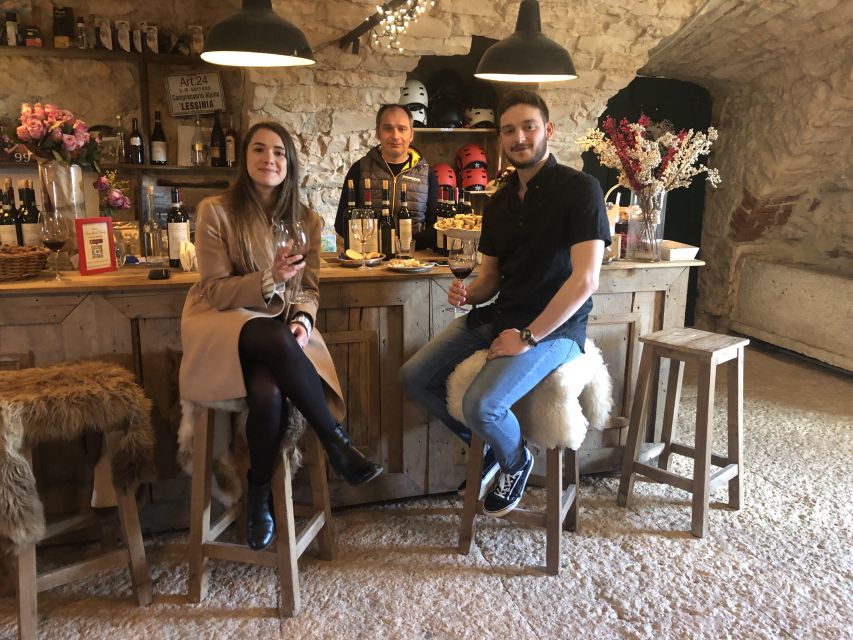
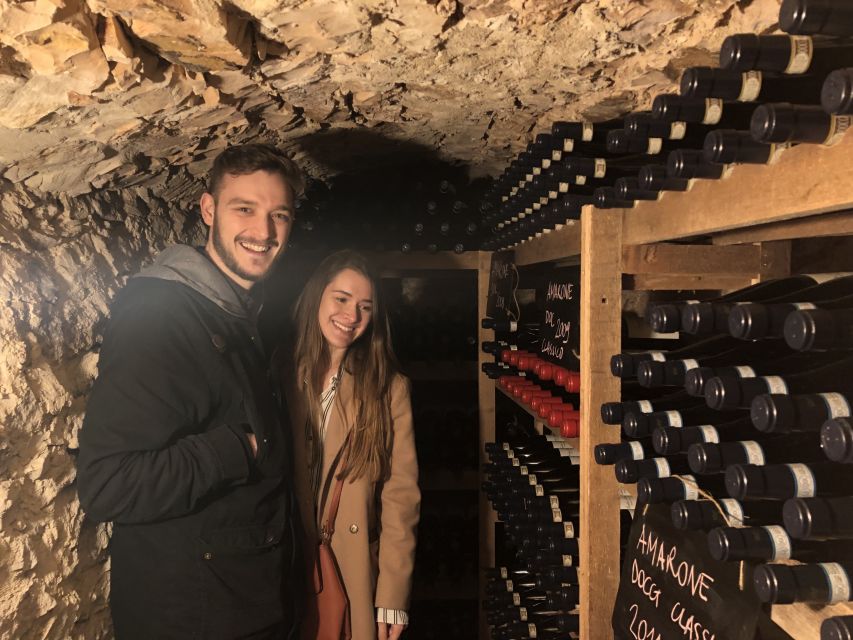
After the drying-room lesson, you move into the cellar and a rural house space that’s been used for winemaking since the 17th century. That span of time isn’t just a brag. It changes the feel of the tour.
In practical terms, older winery spaces tend to highlight how methods evolve slowly. You’re not rushing through shiny stainless-steel rooms. You’re walking through a working heritage environment where the temperature, stone, and layout all influence how wine is handled.
You’ll get a guided look at the cellar space and hear how winemaking has been carried on through the generations. In several host-led experiences on the estate, the conversation stays anchored in real workflow—what gets done, what gets checked, and what gets adjusted as seasons change.
The tasting on the terrace: Valpolicella, Ripasso, and Amarone with local antipasti
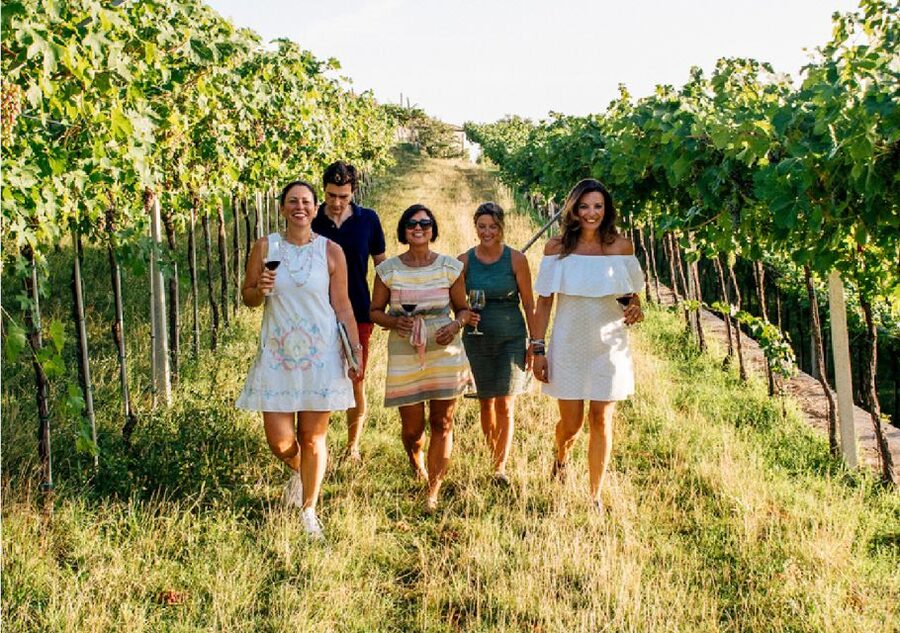
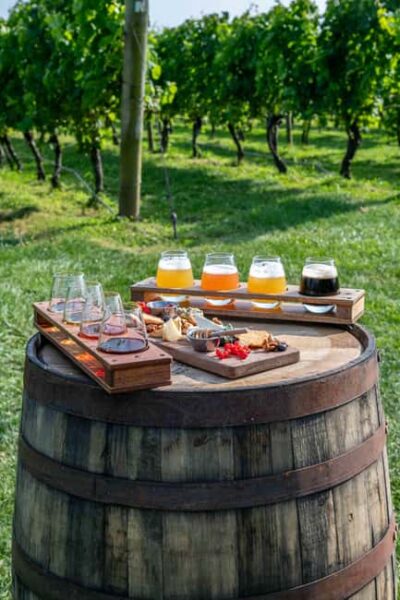
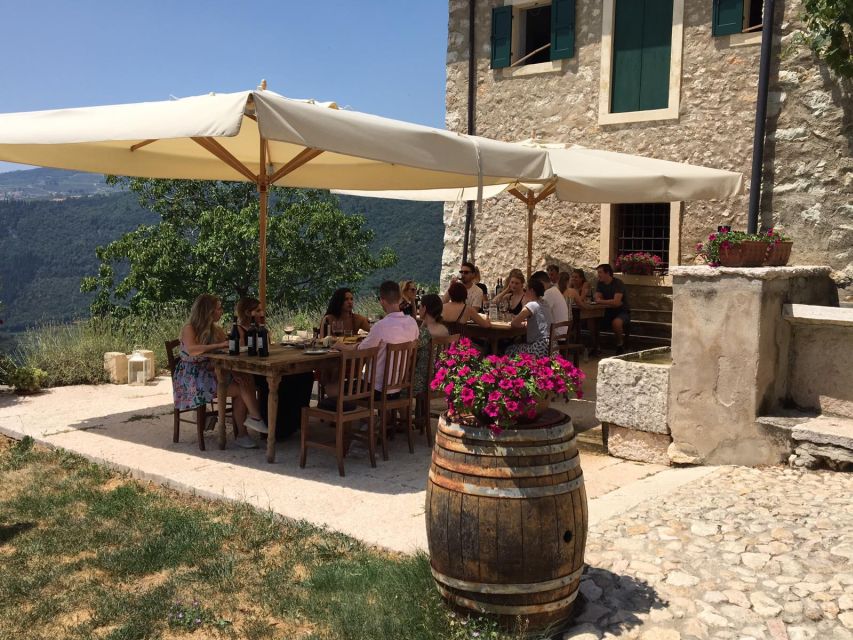
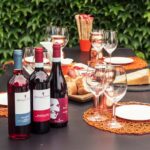
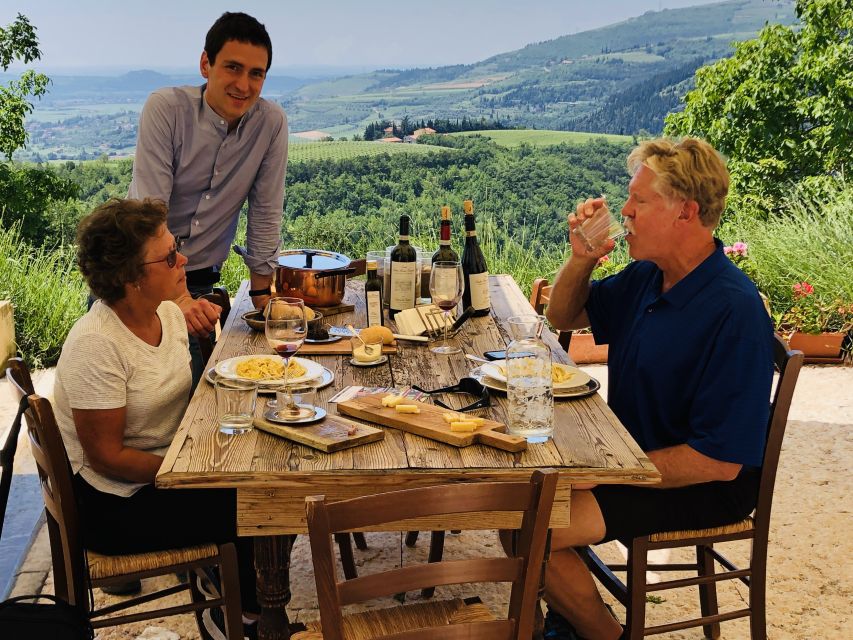
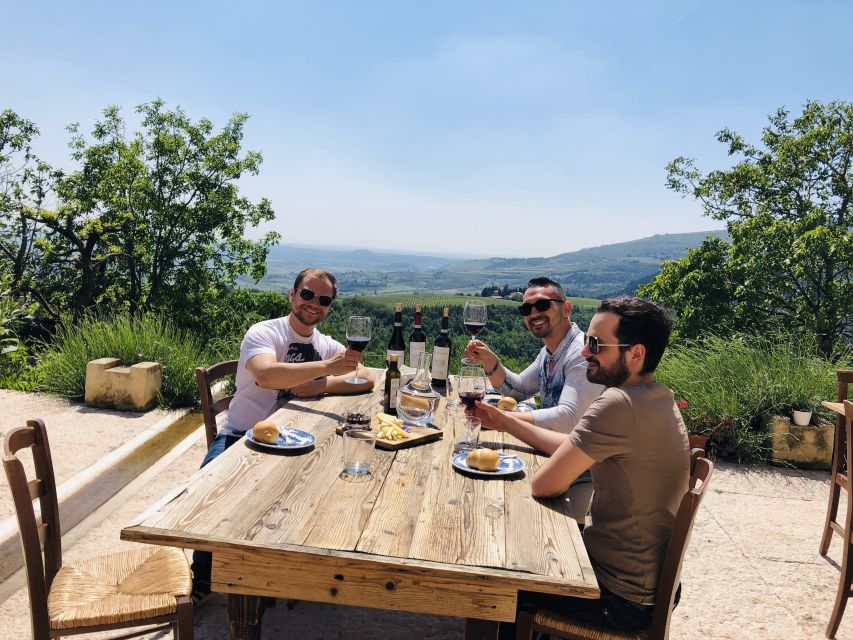
Now the best part: you sit down and taste. The tasting includes a selection of wines—Valpolicella, Ripasso, and Amarone—paired with local food. Expect antipasti-style plates with items like local cheeses, salami, extra virgin olive oil, bread, and chutney.
Why the pairing helps: it slows down the tasting just enough for you to notice differences. When you have cheese and salami alongside a red, your palate starts to read acidity, tannins, and fruit weight more clearly. You also learn faster because the food gives your senses something to bounce off.
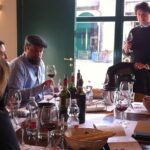
During the tasting, you’ll get guidance on evaluating wine using your senses of sight, smell, and taste. That’s the sweet spot for people who don’t want to memorize wine jargon. You learn a method you can reuse back home.
Also, keep an eye on the glass size. One review mentions that the wine servings feel generous, so you’re not just doing tiny sips. Plan to taste with attention, not like you’re on a checklist.


How the guide teaches you to taste (so you can do it again later)
This tour stands out because the teaching isn’t only about facts. It’s about training your senses.
You’ll be guided through a tasting framework:
- What to notice visually in the glass
- What to pick up in the aroma
- How to connect flavor and texture to what you just smelled
By the time you move through the three wines, you’re not just drinking. You’re learning what to listen for in the next winery stop you take.
I also like that the tone stays friendly. In multiple experiences at this estate, hosts and guides (including people like Ginevra and Claudia) are described as welcoming and story-driven, not stiff. That makes it easier to ask questions, especially if wine isn’t your home language.
If you want a quick souvenir skill, take notes on what you think each wine is emphasizing: fruit, spice, softness, dryness, or structure. You’ll be surprised how often that matches what other regions teach you later.
Views, pace, and those small human touches
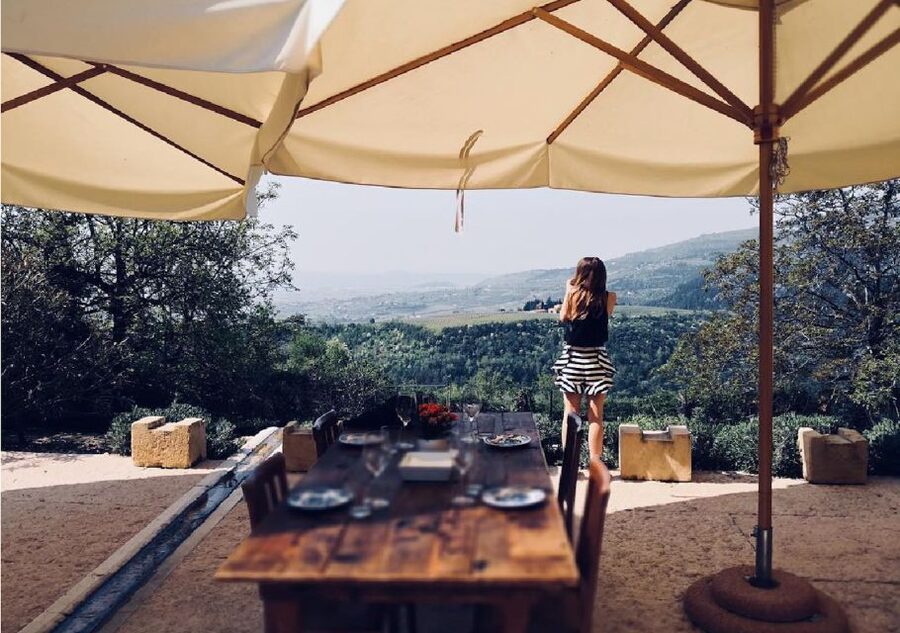
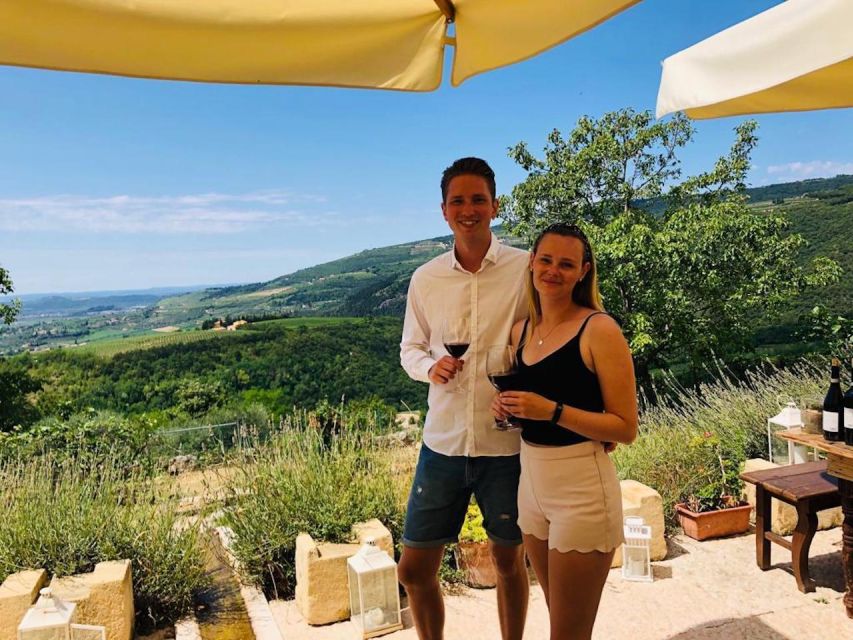
The terrace portion brings the day together. You eat and sip while looking over the Valpolicella hills. In some descriptions, people mention seeing Lake Guarda in the distance, which makes the view feel almost cinematic without being staged.
One thing I appreciate: the pace is meant to feel relaxing. The point isn’t to move you through rooms like a conveyor belt. It’s to let you absorb the winery story, then taste with the scenery around you.
There are also the small moments that make the estate feel alive. Multiple guests talk about dogs on the property joining the visit, including one host-led experience where a dog named Alberto made the day more memorable. On another visit, puppies were spotted. If you’re the type who likes that sort of real-life flavor, you’ll probably enjoy these unplanned bits.
Price and value: is $82 a fair deal for this tasting?
At $82 per person for about 2 hours, this isn’t a bargain flight of tastings. It’s priced more like a guided wine education experience with food, and that’s where the value comes from.
Here’s what’s included:
- Wine tasting with the winemaker
- Visits to the vineyard, cellar, and the drying room for Amarone grapes
- Explanations of the wine process from grape to glass
- Light lunch with local food pairings (cheese, salami, bread, olive oil, chutney, and more)
That combination matters. A basic tasting might give you a few pours. This one gives you the “why” behind the pours: appassimento, cellar tradition, and how each wine style connects to grapes and handling.
One practical consideration: some people report that the overall experience can stretch beyond the stated 2 hours. If you’re budgeting your day, give yourself a little flexibility so you don’t feel rushed at the end.
If you want wine knowledge but don’t want a full half-day tour with multiple estates, this price can make a lot of sense.
Getting there from Verona: the part that can make or break your day
The meeting point is at Tenuta Santa Maria Valverde, Località Gazzo, 4, 37020 Marano di Valpolicella VR.
From Verona, you typically have two workable options:
- Arrange a public transport plan or private transfer through the provider
- Use a taxi from Verona station (one review places it around €35 to €40)
Also, there’s a helpful pattern here: if you arrive by bus, the hosts may be willing to pick you up from a bus stop. That kind of on-the-ground help comes up in multiple experiences, including a story where Jacopo personally picked guests up to continue the tour after confusion with the bus side.
My advice: confirm your exact meeting point instructions before the day. Rural wineries are easy to reach once you know the route, but the details matter.
Who should book this Verona winery tour
This experience fits best if you want:
- A real family-run winery feel in Valpolicella
- A structured tasting of Valpolicella, Ripasso, and Amarone
- Practical wine education using your senses
- A relaxed couple-hours plan with food and views
It may not fit if:
- You’re hunting for a huge wine lineup or lots of different labels (this tasting focuses on a small set)
- You dislike any chance of schedule drift; the day can run longer than the stated duration
One more requirement: it’s not suitable for children under 18, and you must be at least 18 to consume alcohol.
Should you book it?
If you’re in Verona and want one winery experience that mixes traditional methods (appassimento in a drying room), a guided tasting with food, and a setting you can actually see and feel, I think this is a very solid choice. The best part isn’t just the wine. It’s how clearly the tour connects the process to the final glass.
Book it if:
- You enjoy learning something you’ll remember (not just sipping)
- You want a guided day that feels personal
- You’d rather do one great, focused estate than rush through several
Skip it if:
- You need a strict 2-hour schedule with no slack
- You want many tastings beyond the core three wines
FAQ
How long is the Verona Vineyard and Winery Tour with Wine Tasting?
The tour duration is 2 hours.
Where is the meeting point?
Tenuta Santa Maria Valverde, Località Gazzo, 4, 37020 Marano di Valpolicella VR.
What wines are included in the tasting?
You’ll taste a selection of wines including Valpolicella, Ripasso, and Amarone.
What food is included during the tasting?
A light lunch is included with tastings of local cheeses, chutney, salami, bread, extra virgin olive oil, and other local food.
Is there a guide on the tour?
Yes. A live tour guide leads the experience, and the tasting is run by Tenuta S.M. Valverde.
What languages are available?
The tour is offered in Italian and English.
Is the tour suitable for children?
No. It is not suitable for children under 18.
What is the minimum age to consume alcohol?
You must be at least 18 years old to consume alcohol.
Is free cancellation available?
Yes. You can cancel up to 24 hours in advance for a full refund.