REVIEW · SIENA
Siena: Organic Winery Tour and Wine Tasting
Book on GetYourGuide →Operated by Azienda Agricola La Lastra · Bookable on GetYourGuide
Wine in the Tuscan hills beats the city. This organic winery tour near Siena turns wine tasting into a working-farm lesson, then caps it with five organic wines and food.
What I like most is the way the visit moves from vines to winemaking, not just glasses on a table. You’ll learn the agronomic cycle of organic grapes and how farming choices feed quality wine.
One possible drawback: it’s close to Siena, but you’ll still want a simple transport plan. Even with a short distance (around 2 km), many people end up using a taxi to make the timing easy.
In This Review
- Key highlights that make this tour worth your time
- Why this organic winery tour makes Siena feel real
- Getting to La Lastra: close to Siena, but plan for a cab
- The vineyards first: organic grapes and the agronomic cycle
- Old cellar to tasting room: the winemaking steps that change flavor
- The 5-wine tasting: how to taste beyond the first sip
- Food pairing in the afternoon meal: seasonal Tuscan plates
- When weather changes the plan, the experience still works
- Price and value: $88 for 2.5 hours that actually teach you something
- Who should book this organic winery tour?
- Should you book this organic winery tour outside Siena?
- FAQ
- How long is the Siena Organic Winery Tour and Wine Tasting?
- How many wines are included in the tasting?
- Is food included, or just wine?
- Where do we meet for the tour?
- What languages are available for the host or greeter?
- Is there free cancellation?
Key highlights that make this tour worth your time
- Vineyard agro-ecosystem walk focused on organic farming and how the vineyard regenerates
- Cellar tour that connects craft to results, including stainless steel fermentation and oak use
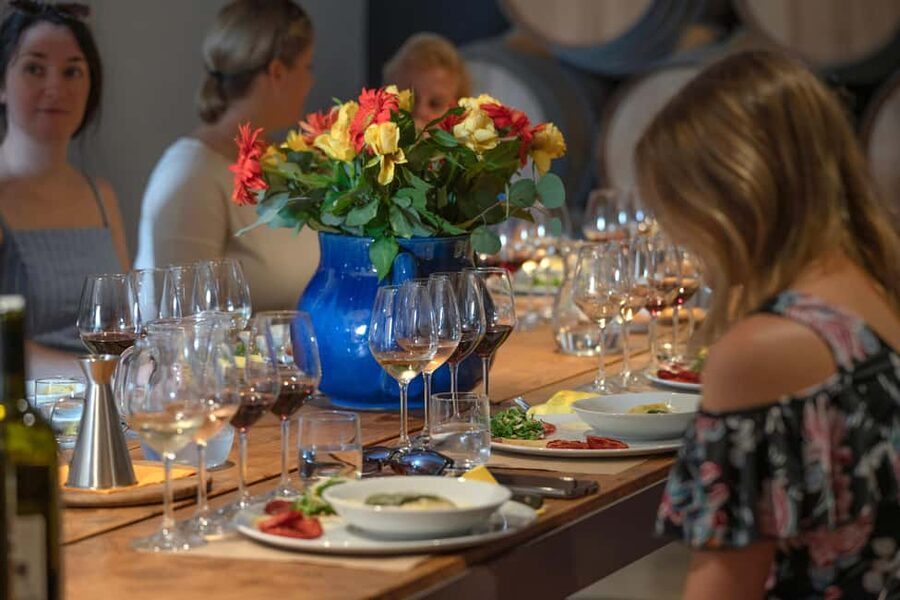
- 5-wine sensorial tasting in the tasting room, paired with seasonal Tuscan bites
- Farm-to-table tasting energy, with vegetables from the organic garden showing up in the meal
- Small-group feel, so you can ask questions and actually get answers
- Guides who teach by doing, with practical tips on smelling and tasting
Why this organic winery tour makes Siena feel real
Siena can be a lot of stone and schedules. This experience swaps the busy old-town vibe for a short ride into the hills, where the work of organic wine is visible in plain sight.
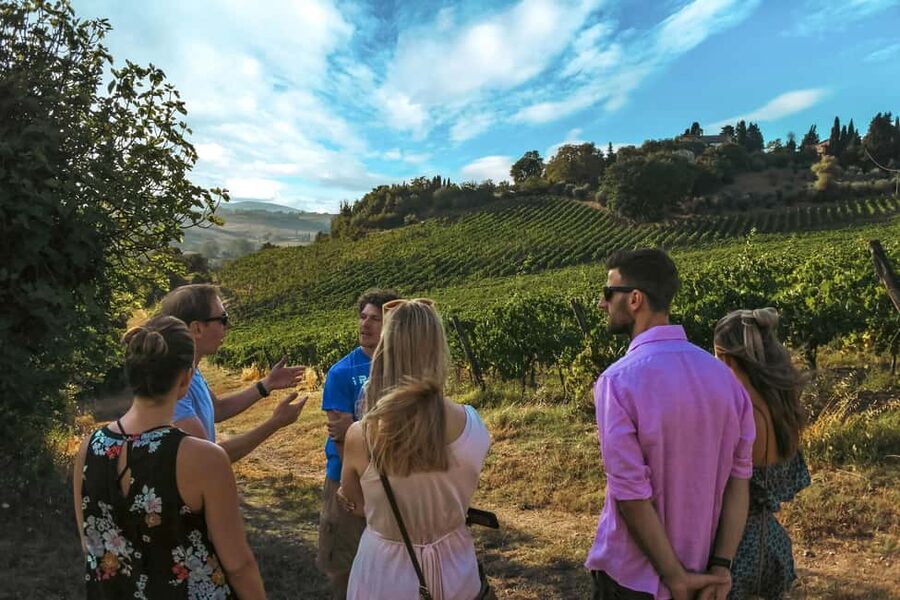
I like that it’s not “wine theater.” You start in the vineyards and talk about how the vines grow, how they’re managed through the season, and what organic farming is trying to protect and improve. Then you move into the cellar and tasting room, where those choices show up as flavor, aroma, and texture.
The other thing I like is the pacing. In about 2.5 hours, you get enough structure to learn the basics, but it doesn’t drag into a classroom. By the time you sit down for the tasting, you can actually taste the logic behind what you just saw.
You can also read our reviews of more tours and experiences in Siena.
Getting to La Lastra: close to Siena, but plan for a cab
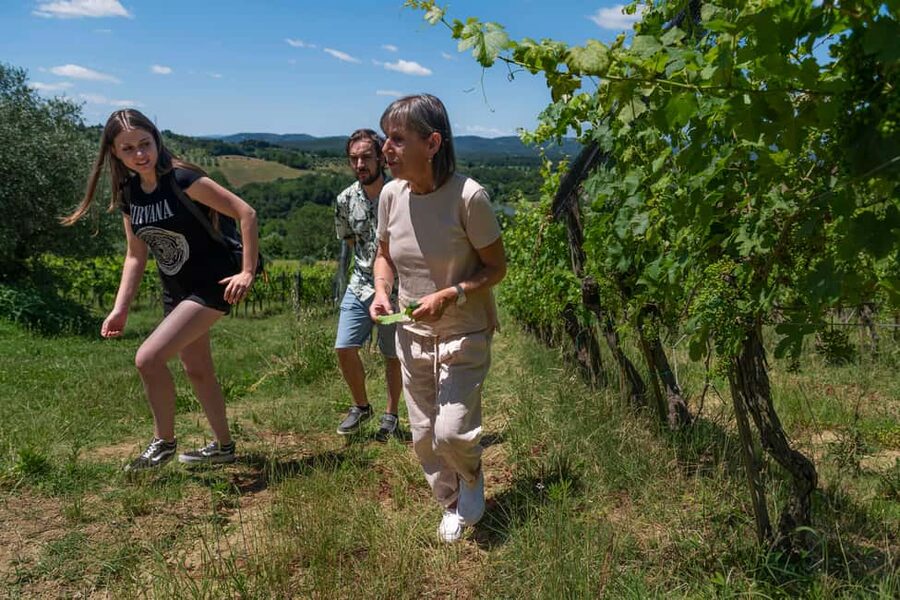
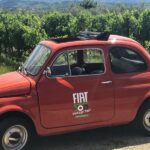
The winery is about 2 kilometers from the center of Siena, and it’s often described as around 15 minutes by taxi. That sounds simple on paper, but in practice, Tuscan roads and your exact meeting time can make walking or slow local buses annoying.
Your meeting point is in the courtyard at St. della Befana n. 5 – Siena. From there, you’ll be set for the farm portion of the visit.
If you’re staying in the historic center, I’d plan on using a taxi at least for the ride out and back. In wet weather, having that transport figured out matters even more, because the timing can shift when you can’t get outside as planned.
The vineyards first: organic grapes and the agronomic cycle
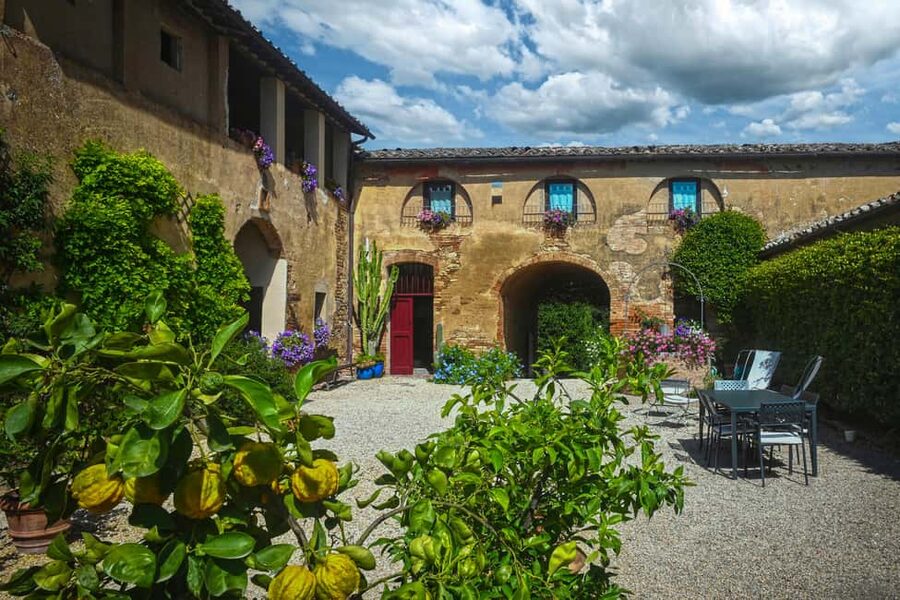
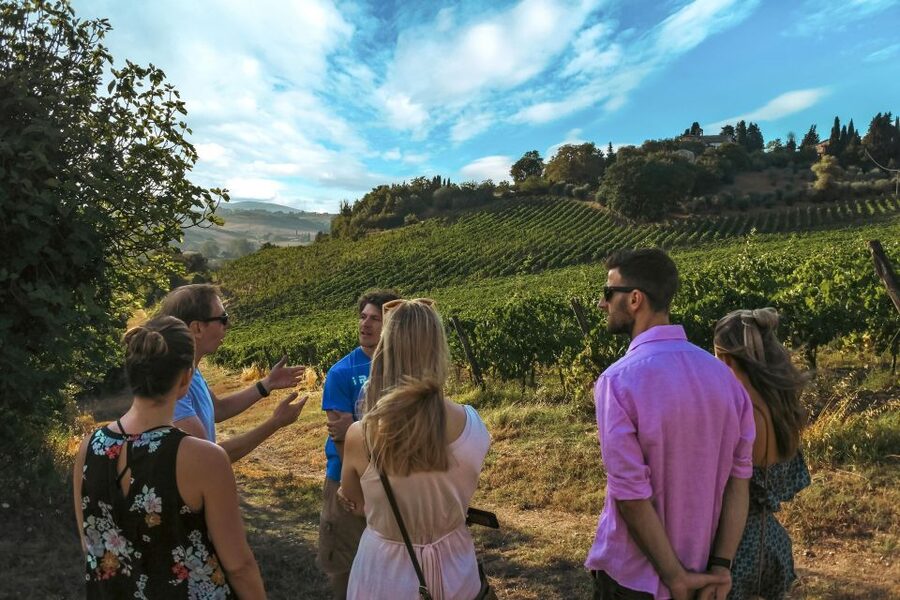
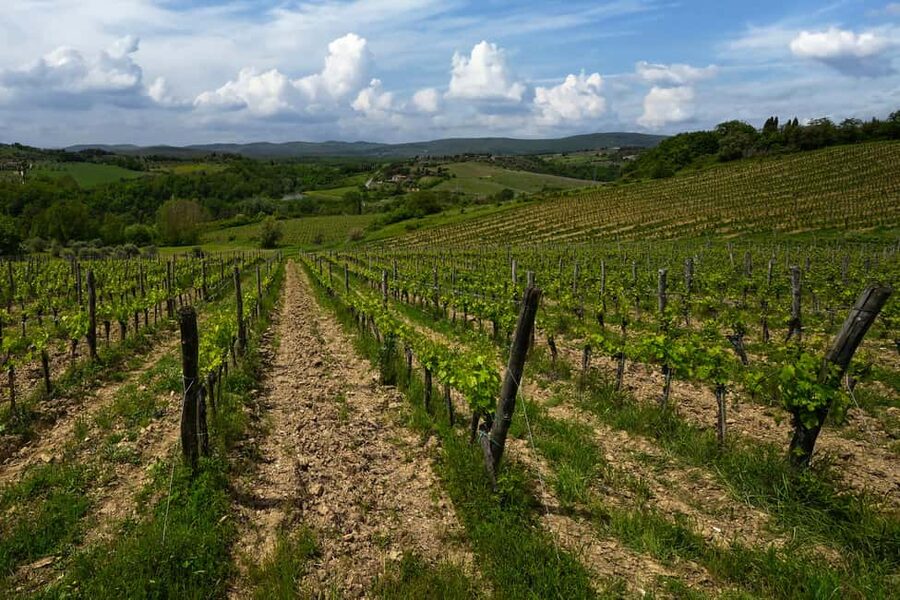
This tour starts by taking you into what organic growing looks like in the field. You’ll walk through the vineyards and talk about the agronomic cycle—how grapes are managed from season to season, and how organic methods focus on preserving and regenerating rural resources.
In one of the most memorable vineyard moments I’ve seen described, the guide links farming to biodiversity. That means you hear about the balance of soil, insects, and animals—how that ecosystem supports healthy vines and better fruit.
Also, don’t expect a stiffer science lecture. The best part of this format is that the explanations stay tied to what you can see: vine position on a hillside, how sunlight and local climate matter, and why pruning and growing technique aren’t just traditions. They’re practical choices that show up later in the wine.
Old cellar to tasting room: the winemaking steps that change flavor
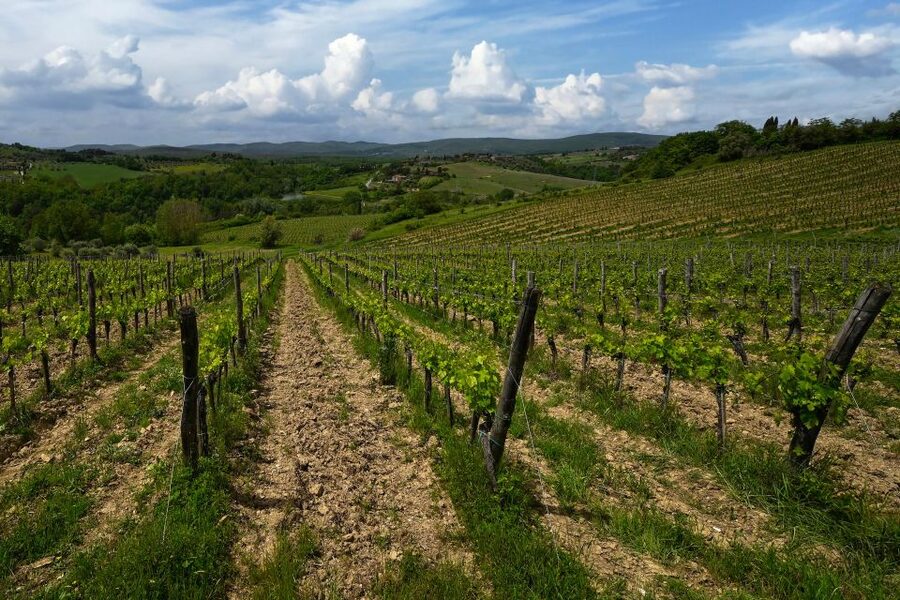
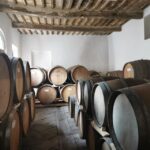
After the vineyard walk, the focus shifts to the winemaking process in an old wine cellar. This is where you’ll see how they craft wine using quality-focused organic approaches, and how the cellar work turns grape character into something you can taste.
You typically move through the stages of winemaking, including crushing and fermentation. One detail people remember: fermentation in stainless steel, especially for parts of the lineup, plus the use of French oak barrels for red wines.
The oak part matters more than it sounds. The guide explains how barrel size and charring influence oxidation and flavor development. Translation for you: it’s not just “oak adds flavor.” It’s about controlling how wine breathes and evolves while it matures.
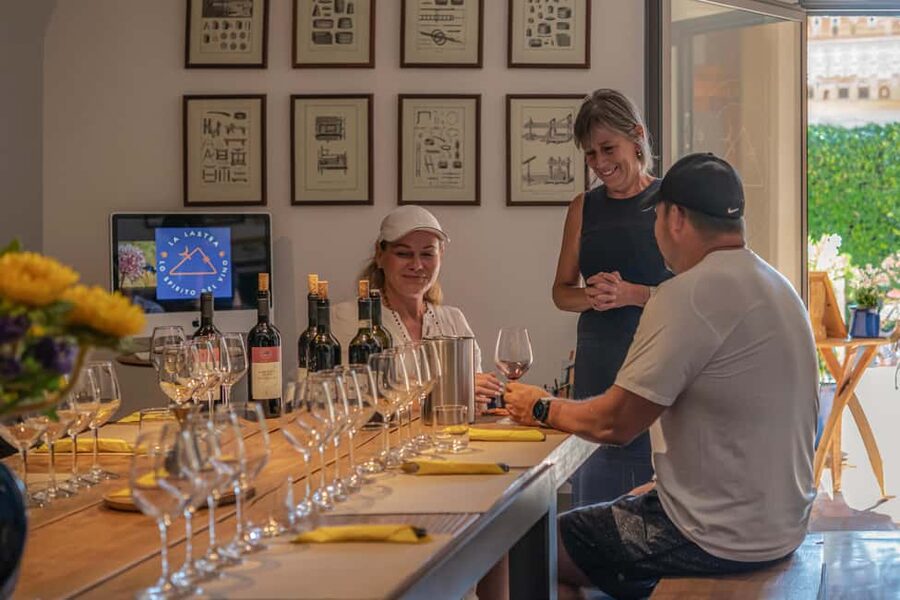
Then the tour ends in the tasting room, where you’ll get the chance to notice those choices through aroma and palate. The emphasis is on organoleptic nuance—how the wine smells, what it feels like, and how it finishes.
The 5-wine tasting: how to taste beyond the first sip
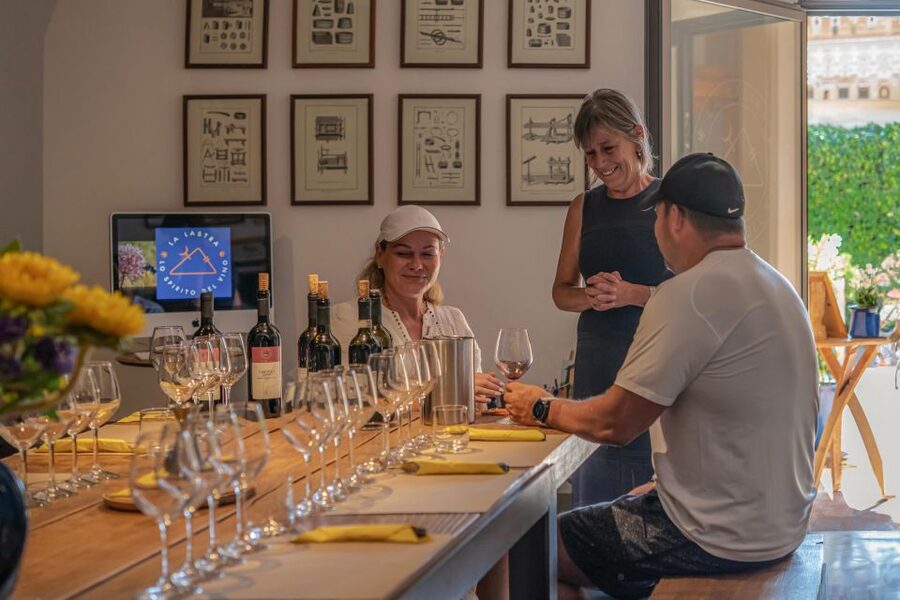
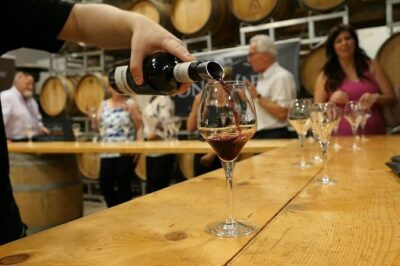
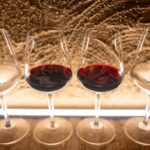
The tasting is the core payoff: five organic wines served with help to make sense of what you’re drinking. This is where I’d encourage you to slow down a bit, even if you think you’re not a “wine person.”
A practical approach that comes up often: take a moment to smell the wine, then focus on the layers of notes rather than chasing one flavor word. Guides tend to coach you to notice gradations—light vs. pronounced aromas, clean vs. deeper fruit, and how the finish lingers.
You’re also not tasting in isolation. Each wine is paired with Tuscan food, and the pairings are built to match the glass. That makes it easier to connect the dots between what you just learned about farming and what you now taste.
If you’re wondering what you’ll drink, the tasting includes both young and vintage wines (so you can compare how time changes structure and character). I can’t promise the exact labels for your date, but the format of guided comparison is consistent.

Food pairing in the afternoon meal: seasonal Tuscan plates
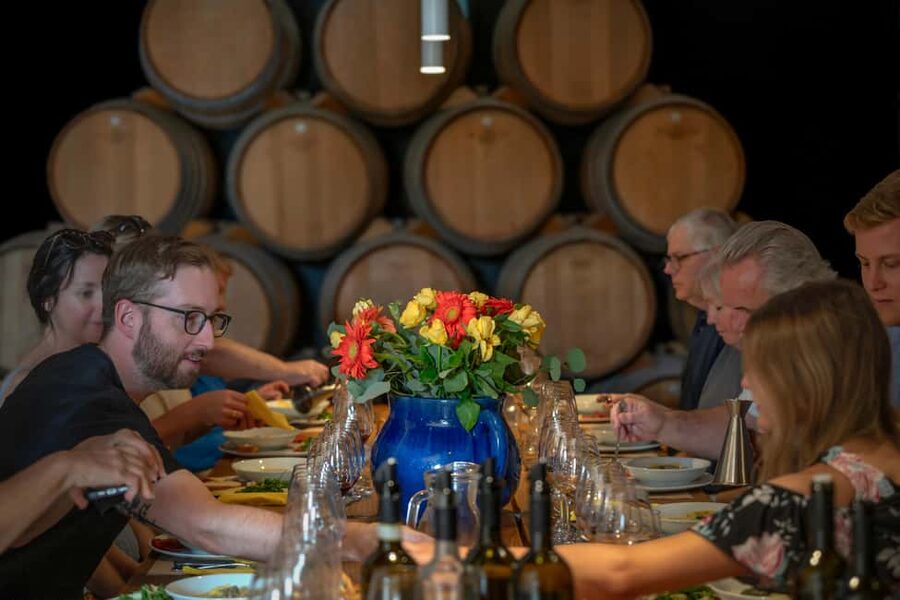
The tasting doesn’t stop at wine. You get an afternoon meal built around seasonal Tuscan products, with special attention to the farm’s own organic produce.
A detail that stands out: freshly cooked vegetables from their organic garden become part of what you eat during the tasting. That matters because it keeps flavors grounded. Instead of heavy restaurant sauces covering the palate, you’re eating things that can actually show you how each wine behaves.
The best meal pairing experiences feel like a conversation: the food sets the tone, the wine follows, and your palate resets before the next pour. Here, you’re pairing multiple bites across the tasting, so you get a real “try, adjust, notice” rhythm.
Dietary needs are handled as well. People mention vegetarian options, and there are mentions of accommodating specific allergies with extra care and even a special dessert. If you have dietary restrictions, I’d absolutely flag them when you book, so your meal matches the wine plan.
When weather changes the plan, the experience still works
Rain can ruin vineyard time anywhere in Tuscany. Here, the good news is that the experience has enough structure that it can flex. If it can’t happen outdoors as intended, you still get the cellar and tasting-room portion, plus the food pairing.
That flexibility is valuable because wine isn’t just about sunlit views. The cellar and tasting room are the center of the “how and why,” and they still deliver even on a gray day.
Price and value: $88 for 2.5 hours that actually teach you something
At $88 per person for a 2.5-hour experience, the price isn’t the cheapest glass-and-ride option you’ll find near Siena. But it also isn’t just paying for wine.
You’re paying for three linked parts:
- a guided walk through vineyards and the farm’s organic approach,
- a guided look at cellar processes (not just a photo stop),
- and a guided tasting of five wines plus an afternoon meal with seasonal pairings.
That package is why it tends to feel worth it. Wine tours that only include tasting often leave you with “I liked it” but not “I understand it.” This one pushes toward understanding—so you leave with better instincts for what to look for later when you buy or order in Italy.
Also, small-group dynamics help value. When you can actually ask questions and hear answers, the tasting stops feeling rushed.
Who should book this organic winery tour?
This is a strong fit if you want more than a tourist tasting. I’d book it if you:
- like hands-on, real-farm learning (vineyards first, then cellar),
- enjoy guided tasting that teaches you how to notice aromas and flavors,
- care about organic methods and want to connect farming choices to wine quality,
- want a meal that’s part of the experience, not an afterthought.
It may be less ideal if you’re only chasing the shortest, easiest wine stop with no explanations. But if you want a tour that gives context without getting overly technical, this hits the sweet spot.
Should you book this organic winery tour outside Siena?
I’d say yes—if you can handle a short transport ride and you want your time in Tuscany to include agriculture, not only scenery. The biggest strengths are the full arc: vineyard + cellar + tasting + paired food in one tight visit, guided by people who can explain the process in a way you can taste.
Before you book, do two quick checks:
- confirm you’ll be comfortable getting to St. della Befana n. 5 and back with a taxi plan,
- mention dietary needs so your meal matches the tasting flow.
If that’s covered, this is one of the more satisfying “Siena day” choices because it turns wine tasting into a story you can follow.
FAQ
How long is the Siena Organic Winery Tour and Wine Tasting?
The tour lasts 2.5 hours.
How many wines are included in the tasting?
You’ll taste 5 organic wines.
Is food included, or just wine?
Food is included. You’ll enjoy an afternoon meal with seasonal Tuscan food paired with the wine.
Where do we meet for the tour?
The meeting point is in the courtyard at St. della Befana n. 5 – Siena.
What languages are available for the host or greeter?
The host or greeter offers English and Italian.
Is there free cancellation?
Yes. You can cancel up to 24 hours in advance for a full refund.