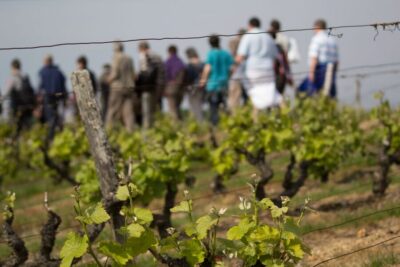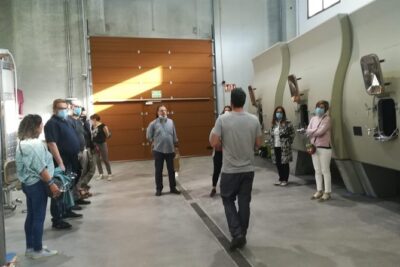
Six pours, good food, and real Tuscan extras. You get a guided wine tasting led by Ben, set in the vineyard world around Siena, with two spumante and four reds that step through familiar labels and a Supertuscan curveball. I also like that the experience is not just wine; it adds tasting flights of balsamic vinegar and extra virgin olive oil so you understand what’s behind the flavors on the plate.
A big plus is the way lunch and tasting feel paced, not rushed. Alfonzi handles the cooking side, and the service from Tamara makes the whole meal-and-sips combo feel smooth, friendly, and professional, even with a small group.
One consideration: you only have about 2 hours, and this is not a full estate or winery tour. If you’re craving a long walk through the property or a deeper guided cellar visit, you may want to pair this with something else.
In This Review
- Key highlights to know before you go
- Meeting at Agricola Poggio ai Laghi near Monteriggioni
- The 2-hour flow: spumante to reds, then vinegar and oil
- Your wine lineup: Chianti DOCG and a Supertuscan twist
- Balsamic vinegars and olive oils: the food culture lesson
- Lunch in Tuscan vineyard style: appetizers, lasagna, arista, cantuccini
- The people who make it work: Ben, Tamara, and Alfonzi
- Price and value: why $66.27 can feel fair
- Who should book this Tuscan vineyard lunch (and who should skip it)
- What to do so the tasting feels great (not too much)
- Should you book this Tuscan vineyard lunch and tasting?
- FAQ
- Where does the Tuscan vineyard lunch and wine tasting start?
- How long does the experience last?
- Is the wine tasting offered in English?
- How many people are in each group?
- What wines are included in the tasting?
- Are balsamic vinegar and olive oil tastings included?
- What lunch is included?
- Does the price include drinks?
- Is pickup or drop-off included?
- What if the weather is bad?
Key highlights to know before you go
- A six-wine tasting lineup: 2 spumante (extra dry) and 4 reds including Chianti Riserva DOCG, Chianti Classico DOCG, and a Supertuscan IGT
- Balsamic vinegar tasting included: Modena Gold selection and Lacrime Viola with red onion
- Olive oil tasting included: classic, white truffle, and chili pepper extra virgin olive oil
- Lunch is part of the deal: appetizers, lasagna, arista with potatoes, and cantuccini with Vin Santo
- Small group size (max 15) for a more personal, Q-and-A-friendly experience in English
- No pickup or drop-off, and the activity meets at Agricola Poggio ai Laghi
Meeting at Agricola Poggio ai Laghi near Monteriggioni
You’ll start at Agricola Poggio ai Laghi, address Strada di Sant’Antonio, 56, 53035 Monteriggioni (SI). It’s the kind of meeting point that feels like “show up and we’ll take it from there,” not a big city bus-and-line situation.
What matters most for you is transport: there’s no pick up or drop off listed, though the area is described as near public transportation. If you’re staying in Siena proper, plan your timing so you arrive a little early—vineyard-side meeting points can be easier if you’re not sprinting.
Good news: the experience runs in English, and you’re using a mobile ticket. It’s also set for most travelers to participate, and service animals are allowed, so it’s fairly low-stress for a meal-focused day.
Weather matters too. The activity says it requires good weather, which means you should keep your day flexible. If conditions aren’t right, you’ll be offered another date or a refund.
You can also read our reviews of more tours and experiences in Siena.
The 2-hour flow: spumante to reds, then vinegar and oil
This is a tight, well-structured tasting-and-lunch experience that’s designed to keep you moving from one flavor “idea” to the next. With about 2 hours on the clock, you won’t be sitting for long stretches.
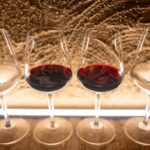
The tasting starts with two spumante:
- Arella – Spumante Cuvée Extra Dry
- Firmina – Spumante Rosé Extra Dry
Then you move into four reds:
- Oletta – Chianti Riserva DOCG
- Lucilla – Chianti Classico DOCG
- Aranda – Supertuscan IGT
After the wines, the experience broadens from alcohol to pantry stars. You’ll taste balsamic vinegars and extra virgin olive oils, which is a huge part of why Tuscan food tastes the way it does. The goal is not just to sip—it’s to connect what you taste in a glass to what shows up on your plate.
One smart detail: lunch is included as part of the rhythm. In practice, it’s set up so the tasting pairs with food stages (you’ll get one set that lines up with cheeses and cured meats, then another stage that matches up with pasta). You’ll feel the progression rather than tasting random things back-to-back.
Your wine lineup: Chianti DOCG and a Supertuscan twist
If you’re trying to understand Tuscany beyond the generic “Chianti is good,” this flight gives you a real comparison set.
You start with extra-dry spumante—both the standard cuvée and the rosé. This is useful because extra-dry bubbles tend to cut through rich food and reset your palate for the reds that follow.
Then you get two different Chiantis that are close cousins but not the same:
- Chianti Riserva DOCG (Oletta)
- Chianti Classico DOCG (Lucilla)
That DOCG distinction matters, because it signals a stricter standard within the Chianti umbrella. For you, it’s a chance to see how the labels sit in the same family while still feeling different in the overall impression.
Finally, you get Aranda – Supertuscan IGT, which is the curveball. Supertuscans are a great way to understand that Tuscany isn’t locked into one style. You’re not stuck in Chianti-only land—you’re tasting Tuscany’s “other voice” too.
A note from style logic: this isn’t a lecture where you memorize trivia. The staff guides you through what you’re tasting, and because the meal arrives right after, it helps the wine make sense in context. If you’re the type who likes to compare regions and styles you’ve had elsewhere, this lineup gives you material to do that thinking.
Balsamic vinegars and olive oils: the food culture lesson
Here’s one of my favorite parts of this experience: you don’t just taste wine—you taste the flavors that make Tuscan cooking unmistakable.
You’ll try two balsamic vinegars:
- Aceto Balsamico di Modena IGP Oro (Gold selection)
- Lacrime Viola, balsamic vinegar with red onion
That second one is especially interesting because it adds an extra ingredient character. It’s not only about sweetness and tang; it’s also about how a strong pantry partner (red onion) changes the impression.
Then you move to extra virgin olive oils, with three options:
- Classic extra virgin olive oil
- White Truffle extra virgin olive oil
- Chili Pepper extra virgin olive oil
Why does this matter for you? Because oils are about aroma and structure, not just taste. If you’ve ever wondered why a simple bruschetta or bread dip in Tuscany feels different, this is where you start to get the answer. White truffle oil helps you notice the power of scent, while chili pepper oil shows how heat and spice can show up even in small pours.
Practical tip: take smaller tastes than you think you need. When you’re switching among wine, balsamic, and oil, your palate learns faster with gentle sampling. Water and bread help too, since the menu includes toasted bread with extra virgin olive oil as part of the starter spread.
Lunch in Tuscan vineyard style: appetizers, lasagna, arista, cantuccini
Lunch here is a full Tuscan plate, not a token bite. And it’s included in the price, along with alcoholic beverages, soda, snacks, and bottled water.
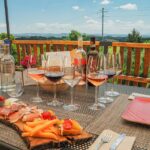
You’ll start with appetizers featuring cured meats and cheese:
- Tuscan salami
- Finocchiona
- Tuscan prosciutto
- Pecorino cheese
- Bruschetta with fresh tomato and basil
- Toasted bread with extra virgin olive oil
This is a classic move: salami, finocchiona, and prosciutto give you salt and fat; pecorino brings sharpness; bruschetta brings tomato acidity; bread and olive oil smooth it out. You can see why the wine tasting is structured around food. It’s not random. The foods are there to help you taste the wines more clearly.
First course is lasagna with Tuscan meat sauce. You then move to the main course: arista with potatoes. Arista (a Tuscan-style roast) typically brings a satisfying savory center, and the potatoes help keep the meal grounded.
Dessert closes the loop with cantuccini and Vin Santo. This part matters because it’s not just sweet at the end—it’s the Tuscan-style pairing that often turns a meal into a memory. Cantuccini also makes it easy to do small bites between last sips.

The people who make it work: Ben, Tamara, and Alfonzi
This kind of experience lives or dies by staff energy, and the service here gets strong praise for good reason.
Ben is the wine presenter who guides the tasting journey. He helps you understand what you’re tasting and keeps the pace friendly, not stiff. When a wine guide takes the time to explain clearly, you end up tasting more than just swallowing.
Then you have Alfonzi on the cooking side. When the chef is involved and the food quality is high, it shows. Your lunch isn’t an afterthought; it feels like part of the tasting.
Tamara’s service also comes through as a big part of the vibe. The best sign is how the meal and tastings feel timed together—people are paying attention to you, not just repeating a script.
With a maximum of 15 travelers, it’s easier for staff to answer questions and keep the mood relaxed.
Price and value: why $66.27 can feel fair
At $66.27 per person, you might wonder if it’s overpriced or a bargain. Based on what you actually get, it leans fair.
You’re paying for:
- A guided tasting of 6 wines (2 spumante + 4 reds)
- Tasting flights of balsamic vinegars (including Modena Gold and Lacrime Viola with red onion)
- Tasting flights of extra virgin olive oils (classic, white truffle, chili pepper)
- A full lunch: appetizers, lasagna, arista with potatoes, and cantuccini with Vin Santo
- Included drinks: alcoholic beverages, soda, and bottled water
- A small-group setting (max 15) with English support
If you try to price similar components separately—especially the added olive oil and balsamic tastings plus a proper sit-down lunch—the bundle usually makes sense. You’re not just buying sips. You’re buying a structured food-and-flavor lesson in a vineyard setting, with time to actually enjoy the meal.
Who should book this Tuscan vineyard lunch (and who should skip it)
You’ll love this if you want:
- A short, high-impact food-and-wine experience while in Siena
- A tasting that includes more than wine (olive oil and balsamic matter here)
- An English-friendly guide and a group size that stays manageable
- A lunch that feels like Tuscan comfort food, not a snack board
You might want to look elsewhere if:
- You’re specifically searching for a longer estate or winery tour, because this experience notes the winery tour/estate tour is not included
- You need lots of time for roaming outside. You’ll have time to enjoy the setting, but the focus is the tasting and lunch within about 2 hours
If you’re doing multiple Siena-area activities, this is a great anchor. It’s not just a tasting stop; it’s a meal day with a clear structure.
What to do so the tasting feels great (not too much)
A wine-and-oil tasting can be more intense than it sounds, mostly because you’ll be switching flavors often. To keep it fun, I suggest:
- Pace yourself with small tastes, especially with the balsamic and olive oils.
- Drink water when you need it. Bottled water is included.
- Eat the lunch in the order served. The food is part of the tasting design.
- If you’re sensitive to alcohol, remember this is a tasting with lunch. You can slow down and focus on the descriptions rather than finishing every pour.
Also, if you’re visiting in a season with heat or sun, dress for comfort and bring something simple like sunglasses or a hat—vineyard days can get bright.
Should you book this Tuscan vineyard lunch and tasting?
I’d book it if your goal is a real Tuscan food day in a compact time window. The wine lineup gives you both DOCG familiarity (Chianti Riserva and Chianti Classico) and a Supertuscan IGT option. The biggest reason to choose it, though, is the extras: balsamic vinegar and extra virgin olive oil tasting are included, and they connect to the meal in a way that makes the whole experience feel grounded.
Skip it only if you specifically want a full winery estate walk or a longer, deep cellar-focused tour. Otherwise, this is an excellent value bundle: guided tasting, small group, and a proper Tuscan lunch in one stop.
FAQ
Where does the Tuscan vineyard lunch and wine tasting start?
It starts at Agricola Poggio ai Laghi, Strada di Sant’Antonio, 56, 53035 Monteriggioni SI, Italy.
How long does the experience last?
The duration is about 2 hours.
Is the wine tasting offered in English?
Yes, it’s offered in English.
How many people are in each group?
The experience has a maximum of 15 travelers.
What wines are included in the tasting?
You’ll taste 2 spumante (Arella and Firmina) and 4 reds (Oletta, Lucilla, and Aranda, including Chianti Riserva DOCG, Chianti Classico DOCG, and Supertuscan IGT).
Are balsamic vinegar and olive oil tastings included?
Yes. You’ll taste Aceto Balsamico di Modena IGP Oro (Gold selection) and Lacrime Viola (balsamic with red onion), plus three extra virgin olive oils including classic, white truffle, and chili pepper.
What lunch is included?
Lunch includes appetizers (Tuscan cured meats, pecorino, bruschetta with tomato and basil, toasted bread with olive oil), lasagna with Tuscan meat sauce, arista with potatoes, and cantuccini with Vin Santo.
Does the price include drinks?
Yes. Included are alcoholic beverages, soda/pop, and bottled water.
Is pickup or drop-off included?
No. Pick up and Drop off are not included.
What if the weather is bad?
The experience requires good weather. If it’s canceled due to poor weather, you’ll be offered a different date or a full refund. You can also cancel up to 24 hours in advance for a full refund.