REVIEW · MARSALA
Marsala: Historic winery tour with wine tasting
Book on GetYourGuide →Operated by cantine mothia srl · Bookable on GetYourGuide
Marsala wine comes with a baglio backdrop. Cantine Mothia pairs Marsala salt-pen views with a real 19th-century baglio (farmstead winery) you can walk through.
I like that the tour is family managed, and I also like that you taste a full spread, including fortified Marsala-style wines, not just one safe bottle.
The main drawback to keep in mind is sound. There can be work happening in the background, so if your group is sensitive to noise, it may affect how clearly you hear the guide.
In This Review
- Key Takeaways Before You Go
- Marsala Salt-Pans Setting Meets a 19th-Century Baglio
- You’ll Get the Family Story, Not Just the Wine List
- Courtyard First: Tuff Walls and the Marble Marks of Old Wagon Days
- Steel Tanks, Oak Barrels, and the Cooperage Storytelling Stop
- The Tasting Flight: White, Red, Sweet, Passito, and Marsala
- What You Taste It With: Sicilian Snacks That Actually Pair
- Price and Timing: Is $29 Good Value for Marsala?
- Where You Meet and How to Make It Smooth
- Who This Tour Fits Best
- Should You Book Cantine Mothia?
- FAQ
- How much does the Cantine Mothia Marsala winery tour cost?
- Where do I meet for the tour?
- How long should I plan for this experience?
- What languages are the tours available in?
- What wines are included in the tasting?
- What food is included with the wine tasting?
- Is the winery wheelchair accessible?
- What payment and cancellation options are offered?
- Can I take the tasting glasses home?
Key Takeaways Before You Go
- Owner-guided tours: you get a human story, not a scripted lecture.
- 19th-century baglio details: tuff interiors, courtyard design, and marble paving that still shows old wagon traffic.
- Stops that explain the process: steel and wood areas plus an oak cooperage where Marsala wine history is narrated.
- Tasting range: white, red, sweet, and Marsala are part of the standard flight, and some visits add an extra wine.
- Food pairings: olives, sun-dried tomatoes, pizza rianata, and sesame cookies are built to match the wines.
- Small, relaxed feel: the experience often stays conversational, with plenty of time for questions.
Marsala Salt-Pans Setting Meets a 19th-Century Baglio
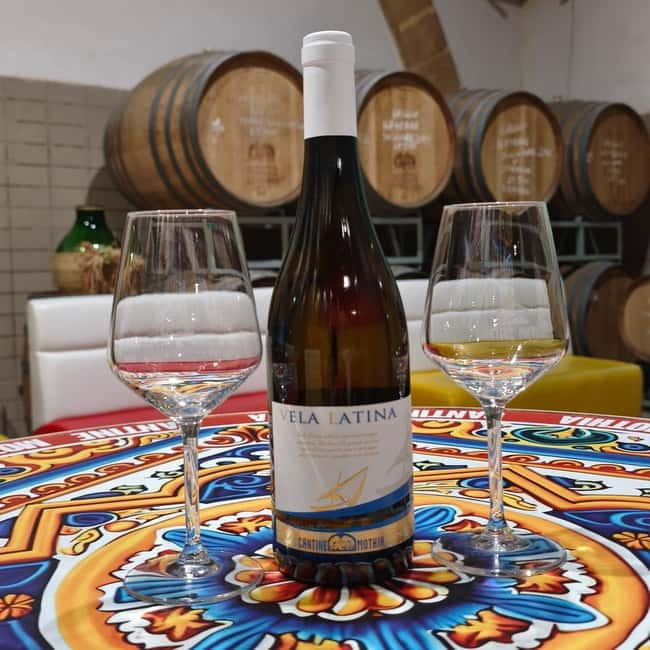
Cantine Mothia sits between two worlds in Marsala: the historic center vibe and the unforgettable salt-pan scenery just outside town. The winery itself lives inside a restored baglio that dates to the 1800s, so you’re not touring a modern tasting room dropped into the landscape—you’re stepping into an old working estate that’s been thoughtfully brought back.
What I like most is the logic of the place. You start in a courtyard that feels connected to how grapes used to move around, then you move into the winemaking and aging spaces. The whole route helps you understand Marsala wine as a local tradition, not a product shipped in from nowhere.
You can also read our reviews of more tours and experiences in Marsala.


You’ll Get the Family Story, Not Just the Wine List
This tour is guided by one of the winery owners, which changes the tone fast. You’re more likely to hear “why we do it this way” instead of “here’s how it’s made.” In English and Italian, the guide leads the group through the property and explains both the company and the wine stages.
One review noted a guide named Marialena who switched between Italian and English smoothly and answered questions patiently. That’s a good sign for you if you want more than a quick overview—this kind of hosting is built for back-and-forth.
Watch for a practical note: if your group has a lot of questions, the tour style works best when everyone can hear the guide. A few people reported that background work made listening a little harder, so if you’re the type who hates missing details, show up ready to focus.
Courtyard First: Tuff Walls and the Marble Marks of Old Wagon Days
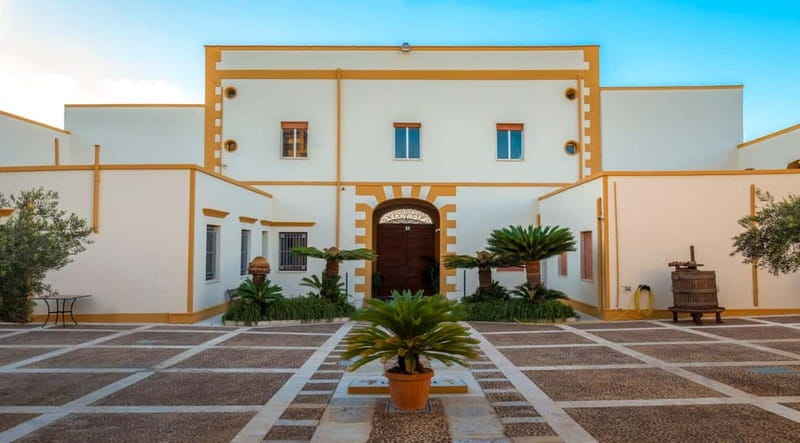
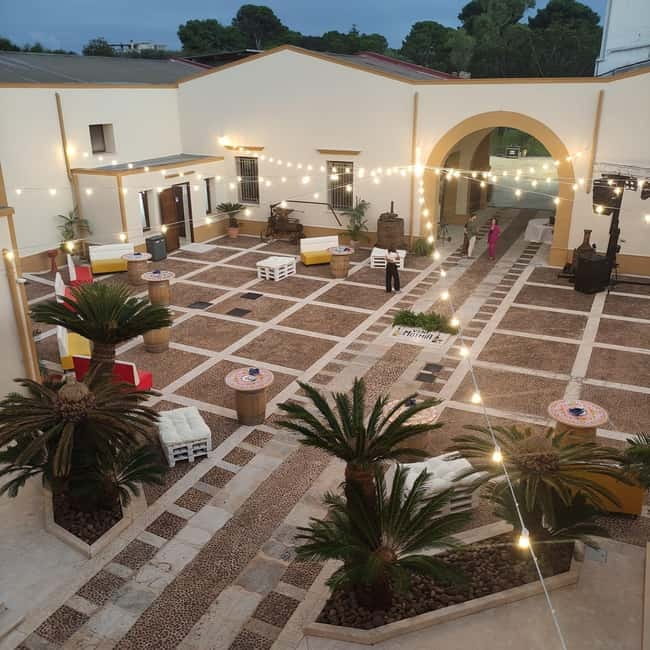
The tour begins with the inner courtyard, and it’s not just pretty. You get architectural clues that make the whole story click: the baglio has an imposing central wooden doorway with wrought iron above it, tuff decorations inside, and a large open courtyard.
Inside the courtyard, you can see 19th-century marble paving with traces of wagon passage—basically, evidence that farmers really moved in and out with the harvest. It’s the kind of detail that makes wine history feel tangible. You’re not staring at a timeline; you’re standing where work happened.
If you like photos, this is your best stop. It’s open, bright, and full of texture. If you don’t care about pictures, you’ll still benefit because the guide uses the courtyard to set context before you head to the technical rooms.
Steel Tanks, Oak Barrels, and the Cooperage Storytelling Stop
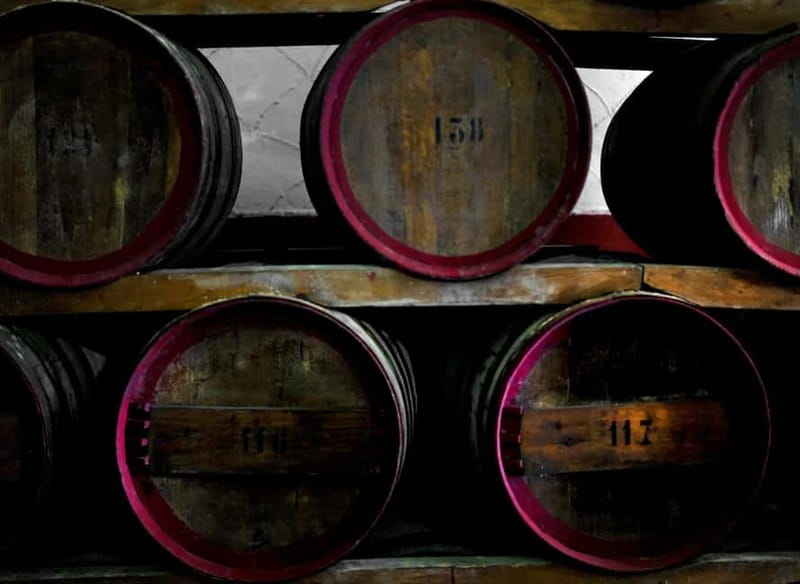
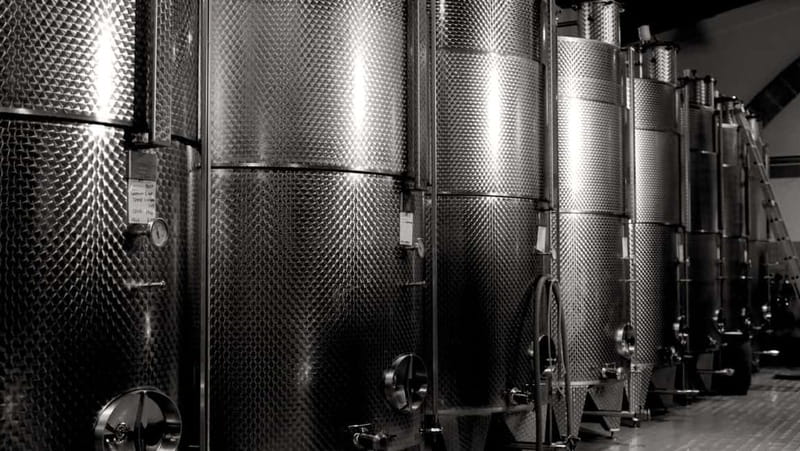
After the courtyard, you move into the winemaking and aging areas. The tour is designed around the idea that different materials change the outcome: you’ll see aging done in stainless steel tanks and in oak barrels, then you’ll continue on to a historic cooperage made of fine oak.
That cooperage stop matters because it’s where Marsala wine history is narrated. Fortified wine styles and Marsala’s role in the region are easier to understand when you hear the story in a place that supports it. The whole sequence helps you connect grapes → processing → aging → why Marsala tastes the way it does.
A small practical takeaway: if you’re the type who learns best by seeing the equipment, you’ll probably enjoy this section more than tours that stay locked in one tasting room. The route has a clear “production logic.”
The Tasting Flight: White, Red, Sweet, Passito, and Marsala
The tasting is the payoff, and Cantine Mothia lays out a thoughtful set. The standard flight includes four wines: a white, a red, a sweet wine, and a Marsala wine. The winery also highlights tasting options that include fortified and Passito-style wines, along with native grape varieties.
In real life, you may taste more than the advertised number. One review mentioned the tasting covered five different wines, which felt like an extra bonus. So if you’re planning your day around wine sampling, don’t assume it will be exactly four bottles’ worth of variety—some visits add a fifth selection.
How I’d approach the tasting: treat it like a mini lesson. Pay attention to how the sweet and Marsala wines differ from the white and red. You’ll get a clearer sense of what makes Marsala special when you compare styles side by side instead of tasting a single bottle and moving on.
Also, don’t forget to ask about serving and storage. One review said the guide covered the best ways to store and serve Marsala. That’s practical advice you can use when you buy a bottle.
What You Taste It With: Sicilian Snacks That Actually Pair
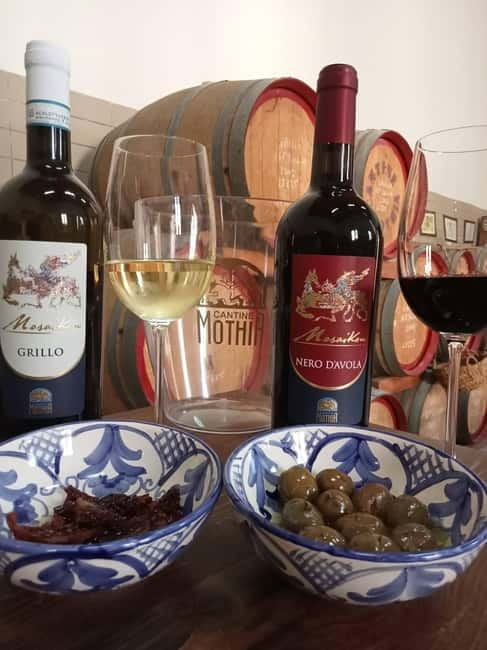
The tasting room doesn’t just pour wine and hope you figure it out. You get small bites designed for pairing, including seasoned olives, sun-dried tomatoes, pizza rianata, and sesame cookies.
This is one of the better value touches in the tour. These foods are salty, savory, and textured, so they can help reset your palate between different wine styles—especially if you move from dry to sweet.
A detail worth noting: one review said the pairings were vegetarian and tasted homemade. That matters if you’re trying to avoid surprise meat in an otherwise food-forward tasting.
If you’re used to wine tours that serve tiny, generic crackers, this is a step up. The snacks feel like they’re meant to fit the region’s flavor profile.
Price and Timing: Is $29 Good Value for Marsala?
At $29 per person for about an hour, this tour can be a solid deal—especially in a place like Marsala where you can easily spend money on wine without learning much. You’re paying for three things: the baglio setting, the owner-led explanation, and a tasting that includes multiple wine styles plus Sicilian snacks.
Two timing notes to plan around:
- The duration is listed as 1 hour.
- One review suggested the whole experience ran closer to 1.5 hours.
So for scheduling your day, I’d treat it as a flexible 60–90 minute block. If your itinerary is tight, plan buffer time for questions and for the tasting pace.
The best “value signal” here is simple: multiple reviews mention they enjoyed the info and the wines enough to buy bottles. That doesn’t mean the wine is cheap—it means you’re likely to find something you actually want to take home.
Where You Meet and How to Make It Smooth
You’ll meet at 22 Giovanni Falcone Magistrate Street in Marsala, following signs from downtown just after the traffic circle. If you’re walking in from the city center, give yourself a few minutes to find the exact spot and avoid arriving rushed.
Language coverage is Italian and English, and the tour guide can switch between them depending on the group. If you’re traveling with mixed language comfort, that flexibility tends to make the tour more enjoyable.
Practical heads-up: tasting is done with personalized glassware, and you shouldn’t plan on taking the glass home. Shopping is available at the end, and you’ll probably want to buy soon after tasting while your comparisons are still fresh.
If you’re sensitive to sound, aim for a seat or standing spot where you can hear clearly during the internal stops. A couple of reviews mentioned listening challenges due to background activity.
Who This Tour Fits Best
I’d point you here if you want:
- A family-run Marsala wine experience rather than a factory-style tasting.
- A real look at aging choices—steel and wood are part of the tour path.
- A guided explanation of how Marsala fits into the Trapani/Marsala wine world.
- A short, focused outing with a tasting and bites that don’t feel like filler.
This also works well if you like asking questions. The tour has a relaxed tone, and guides make time for answers.
If you’re the kind of traveler who only wants ultra-luxury pacing or a long multi-hour cellar crawl, this won’t be enough on its own. It’s one hour (sometimes longer). Think of it as a well-designed stop on a day in Marsala, not the entire vacation.
Should You Book Cantine Mothia?
Yes, if you want a meaningful Marsala wine tour that fits into a tight schedule. For $29, you get an owner-led walkthrough inside a restored 19th-century baglio, plus a tasting that covers multiple styles (white, red, sweet, Marsala, and possibly an extra wine). The food pairings also add real value because they help you taste with intention, not just sip and move on.
Book it especially if you care about context—where Marsala came from, how it’s made, and how to enjoy it after you buy a bottle. If you’re booking during a day when you’re extra noise-sensitive, arrive ready to focus, and plan on asking the guide to repeat anything important during the technical stops.
FAQ
How much does the Cantine Mothia Marsala winery tour cost?
The tour is priced at $29 per person.
Where do I meet for the tour?
Meet at 22 Giovanni Falcone Magistrate Street, following signs from downtown just after the traffic circle.
How long should I plan for this experience?
The duration is listed as 1 hour. In some cases, the full experience can feel closer to about 1.5 hours depending on the group.
What languages are the tours available in?
The guide provides the tour in Italian and English.
What wines are included in the tasting?
You’ll taste four wines from production: a white, a red, a sweet wine, and a Marsala wine. Some tours may include an extra wine selection.
What food is included with the wine tasting?
You’ll have small Sicilian tastings paired with the wines, including seasoned olives, sun-dried tomatoes, pizza rianata, and sesame cookies.
Is the winery wheelchair accessible?
Yes, the experience is listed as wheelchair accessible.
What payment and cancellation options are offered?
You can reserve now and pay later, and you can cancel up to 24 hours in advance for a full refund.
Can I take the tasting glasses home?
No. The tasting glassware (and anything else used for tasting) isn’t allowed to be taken away.