REVIEW · MARSALA
Marsala: Florio Winery Tour with Local Wine Tasting
Book on GetYourGuide →Operated by Empeeria · Bookable on GetYourGuide
Marsala has a way of making wine feel like real life. A guided visit to Cantine Florio turns a tasting into a story you can actually picture, from the Mediterranean Sea air to the barrels down in the cellars. I especially liked the hands-on feel of the tour—seeing the production setup up close—and the way the guide explains things like they are unfolding in real time, not recited from a script.
Two things I’d put at the top of your checklist: the cellars themselves (including lots of old storage with barrels and wines going back over 80 years) and the tasting portion, with three different Marsala styles plus Sicilian snacks. One consideration: the whole experience is short (about 1.5 hours) and the wine tasting is limited to three glasses, so this is not the kind of stop where you sample a huge range of Marsala varieties.
If you like food-and-drink travel that’s practical and scene-specific, you’re going to enjoy this one. It’s also a small group setup (up to 10), which makes it easier to ask questions without feeling rushed.
In This Review
- Key Points You’ll Care About
- Cantine Florio in Marsala: Why This Setting Matters
- Inside the Winery Tour: Cellars, Barrels, and Tufa Flooring
- How Marsala Goes From Process to Glass
- Weather, Sea Air, and Flavor: The Marsala Climate Lesson
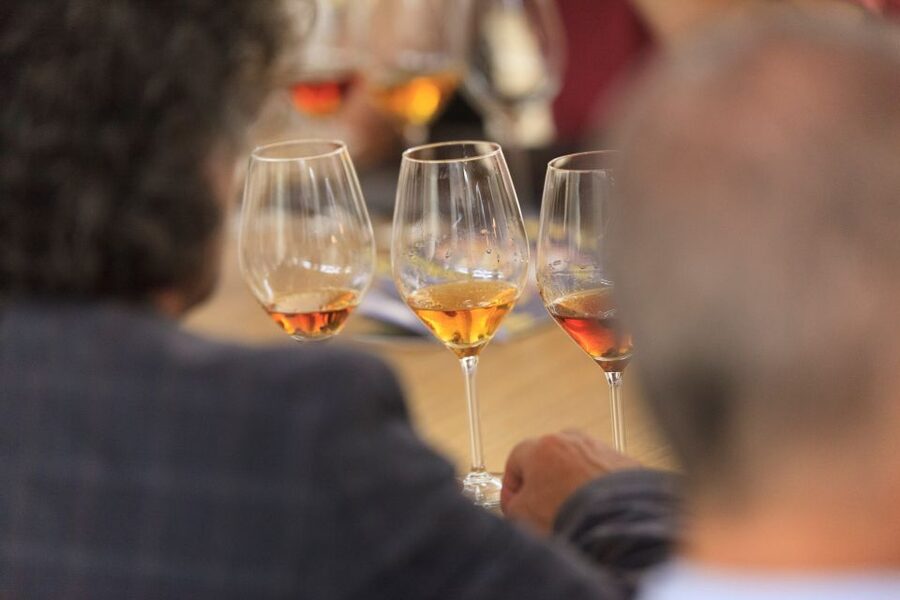
- The Tasting Experience: Three Glasses with Sicilian Snacks
- Price, Time, and Group Size: What You Get for $45.55
- Who This Tour Fits Best (and Who Should Consider Another Option)
- Shop Time and Bottle Shopping at Cantine Florio
- Should You Book This Florio Marsala Winery Tour?
- FAQ
- Where does the tour start?
- How long is the Florio Winery tour?
- How many Marsala wines will I taste?
- Is this tour only for adults?
- What’s included in the price?
- What languages are offered?
- How big is the group?
- Can I cancel if my plans change?
Key Points You’ll Care About
- Cellar tour with the tufa flooring system, built to let barrels “breathe” using sea air
- See the process end-to-end, not just the tasting room
- Three Marsala wines served with local food pairings
- Weather and climate effects explained in plain language
- A small group size that keeps the tour personal
- An on-site shop where you can often plan shipping for purchases
Cantine Florio in Marsala: Why This Setting Matters
This tour works because it happens in the real place the wine is made, not in a pretend showroom. Cantine Florio sits above the action of Marsala, and the big payoff is the combination of sea views and cellar atmosphere. You get the contrast right away: bright Mediterranean light outside, then a cool, muted world underground where the wine is stored and handled.
You’re in western Sicily, where Marsala is a local point of pride. That matters because the guide doesn’t treat the wine as a generic product. You’ll hear how the Florio name and winemaking approach became part of the region’s identity, including the role of the Florio dynasty. It’s a good reminder that wine history here isn’t just old dates on a wall—it’s a business, a craft, and a system built over generations.
The “small group” size (max 10) also helps. In a group that’s not too large, it’s easier to keep your attention on the details. And with something as hands-on as a cellar tour, that attention is the difference between taking photos and actually understanding what you’re looking at.
You can also read our reviews of more tours and experiences in Marsala.

Inside the Winery Tour: Cellars, Barrels, and Tufa Flooring
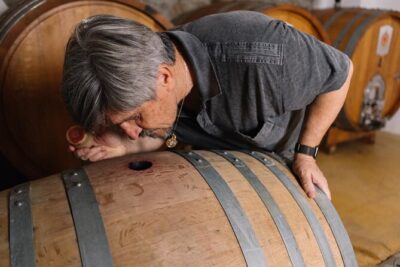
The tour starts with you meeting at Cantine Florio, then moving through the facility with your guide. The best part is that you don’t just get a quick glance at the storage areas—you walk through the winery, including the cellars that are specifically designed for the job.
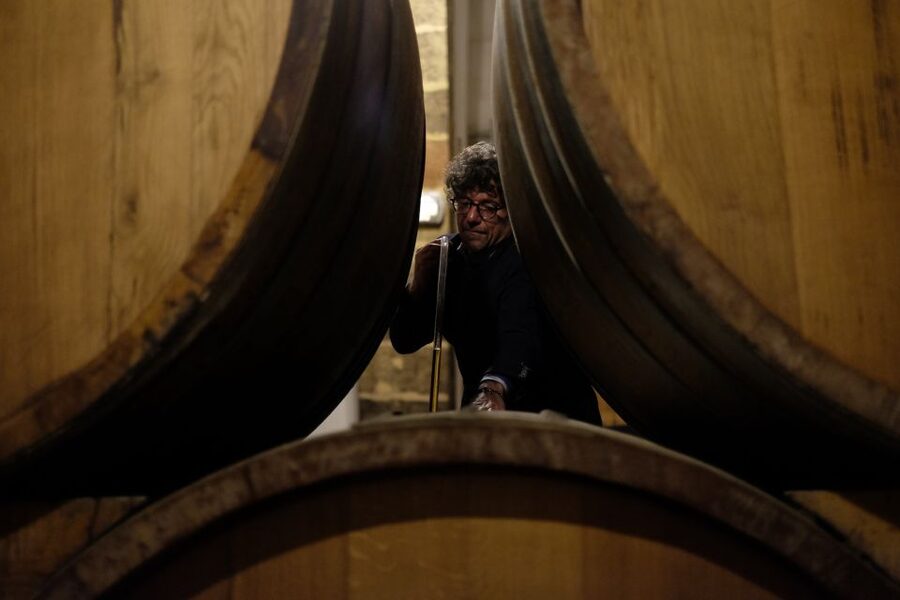
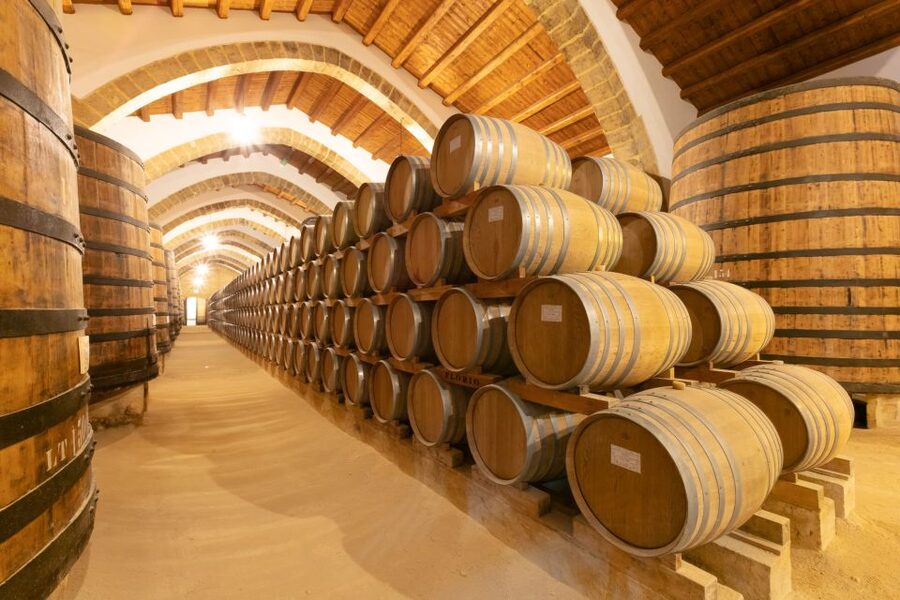
Here’s what I think is worth paying attention to: the tufa flooring system. The idea is practical. These floors help create conditions where barrels can “breathe” with sea air, and that contributes to the character of the wine over time. You don’t need to be a wine scientist to grasp the point—the guide will connect the building choices to the end result in the glass.
In the cellars, you’ll see old barrels and stored wines, including very aged material going back over 80 years. That sets the tone. It’s not just modern winemaking equipment; it’s the physical evidence that Marsala is made with patience. If you’ve ever wondered why some wines taste like they have a memory, this is the sort of place that explains it without sounding mystical.
A small drawback of a cellar-heavy tour: it’s underground, and it can feel cool and dim compared with the sea-level views. Bring a light layer if you tend to get chilly. It’s not dramatic weather, but comfort makes the tour better.
How Marsala Goes From Process to Glass
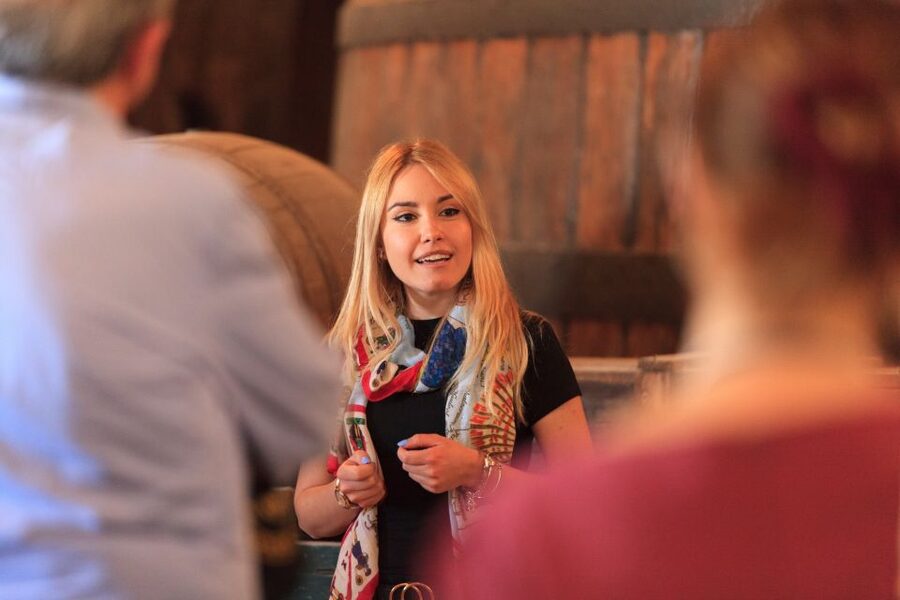
This isn’t just a walk-and-taste tour. You’ll learn the production flow behind Marsala, including the history and the equipment used to make it. The guide tends to explain the information like it’s unfolding as a story—less lecture, more narrative. That style matters because the production details can be dry if you let them become a checklist.
You should expect coverage of the main steps and the thinking behind them—what the winemakers are trying to control and why the choices matter. The tour also connects the equipment and cellar setup to the final taste. So when you later take your first sip of Marsala, it won’t feel random. You’ll be able to connect flavor to process, at least in broad strokes.
And since Marsala is a wine with regional identity, you’ll likely hear the Florio side of things woven into the explanation: how the dynasty’s work shaped the winery and the way the product is produced. It’s one of the reasons this tour feels more meaningful than a generic “factory tour.”
If you love asking questions, this is a good format. Smaller groups make it easier to get clarity, especially when the guide moves from technique to tasting.
Weather, Sea Air, and Flavor: The Marsala Climate Lesson
One of the most useful parts of the tour is the section on climate. You’ll hear about how weather and regional conditions affect Marsala’s flavors. This is where the visit becomes more than a local attraction—it becomes a lesson you can carry with you to other Sicilian stops.
Here’s the practical angle: climate changes what the grapes and the aging environment can do. Even if you don’t catch every detail, you’ll walk away with a framework for tasting. You’ll realize why two bottles labeled similarly can still taste different depending on conditions around production and aging.
And because you also saw the cellar system built around sea air, the climate explanation lands better. It’s not abstract. It’s tied to what’s around you: the Mediterranean setting, the engineered cellar environment, and the long time frame of storage.
The Tasting Experience: Three Glasses with Sicilian Snacks
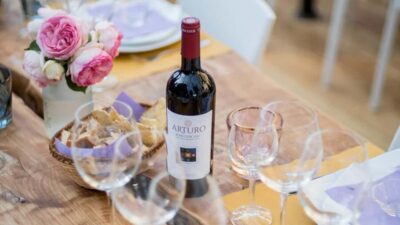
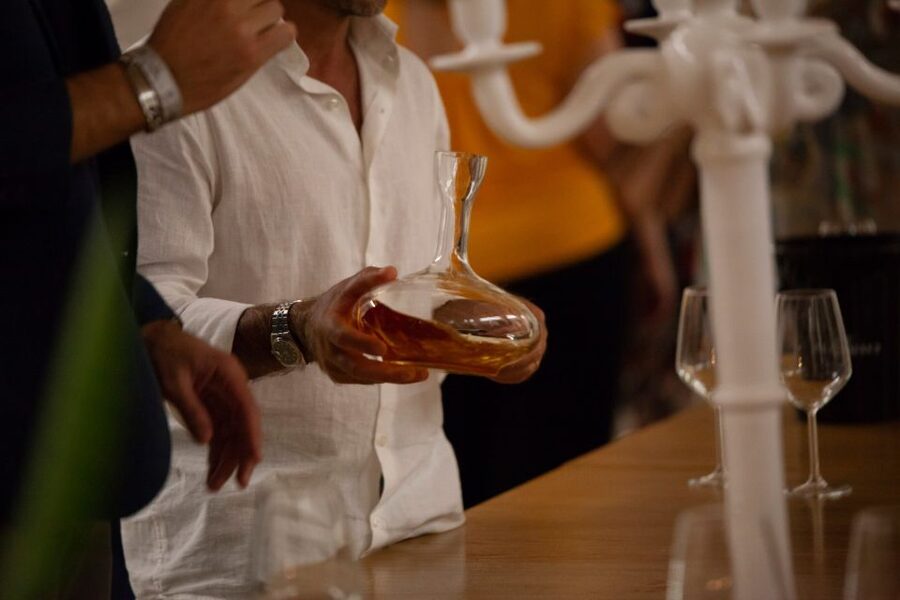
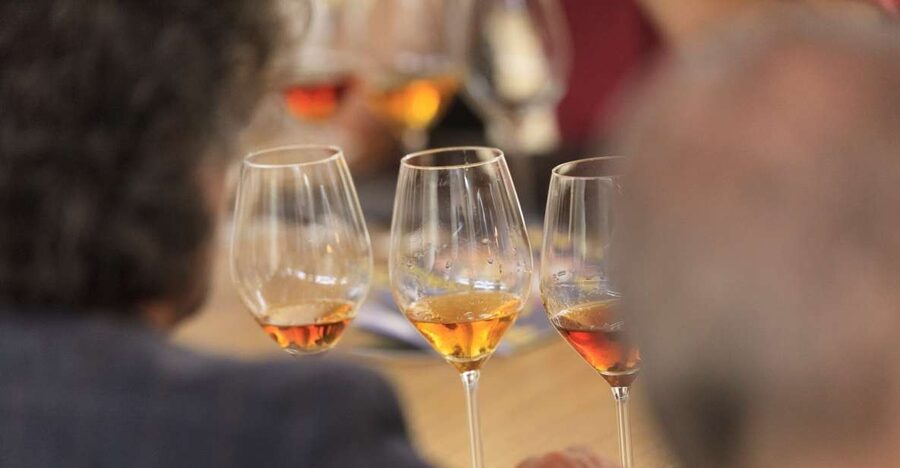
The tasting is built around three glasses of Marsala wine, paired with local food delicacies. This is exactly the right order: you tour the cellars and production context first, then taste with that mental map in place.
The pairing matters. Marsala isn’t only something you sip. It’s a wine that works with food, and the snacks help you notice how sweetness, acidity, and aroma shift when you have something savory next to it. Even if you don’t consider yourself a wine person, you can still learn quickly here because the pairing gives your palate a target.
You should know what the tasting includes—and what it doesn’t. You’ll get three samples. That’s a satisfying amount in 1.5 hours, but it also means you’re not likely to get a huge range of Marsala styles in one go. One guest even wished for more versions, which is a fair expectation to set if you’re trying to compare lots of categories back-to-back. This tour is designed for quality and context, not for collecting the widest possible tasting menu.
Pro tip for getting the most out of it: take notes on how each glass feels, not just how it tastes. For example, note whether it reads more nutty, more sweet, or more spice-forward. Then you can remember what you liked and choose bottles in the shop with less guesswork.
Price, Time, and Group Size: What You Get for $45.55
At $45.55 per person for about 1.5 hours, this tour isn’t trying to be a bargain-basement wine stop. But it also doesn’t price itself like a luxury experience. In your favor is the combo: guided cellar access, the tufa-floor explanation, and three wine glasses with snack pairings.
Think about what you’d pay for a similar tasting in a city without the cellar tour included. Even if you found a basic tasting room with multiple glasses, you’d likely miss the engineered cellar details and the process walkthrough. Here, the price is paying for context—time with a guide, access to the full facility, and the wine samples that tie it all together.
The small group size (limited to 10 participants) also adds value. Less crowding often means better explanations. And better explanations usually mean you spend less time guessing and more time actually learning.
If you’re short on time in Marsala, the 1.5-hour duration is a win. It’s long enough to feel like a real experience, not so long that it eats an entire afternoon.
Who This Tour Fits Best (and Who Should Consider Another Option)
This is a strong match if you want a guided, structured introduction to Marsala wine-making without needing to study beforehand. You’ll enjoy it if you like:
- hands-on explanations with visible production and aging spaces
- food pairings that help your taste buds learn faster
- a setting that’s more than just a bar counter
It also works well for couples and small groups because the pacing stays calm. The cellar portion feels like a proper visit, not a rushed stamp-collection tour.
It might be less ideal if you’re chasing one very specific thing, like an extremely wide tasting lineup. Since you get three glasses total, you’ll want to choose this for a solid overview and context, not for trying every Marsala style available in the world.
Also, remember the wine tasting is only for customers 18 and over. If you’re traveling with teens, they can still take the tour, but they won’t be tasting the wine.
Shop Time and Bottle Shopping at Cantine Florio
After the tour, there’s a shop on-site with options for purchasing bottles. One thing I like about places that sell wine directly is that you can match what you liked in your tasting to what you’re buying without overthinking it. If you’re planning to take some Marsala home, this is an easy moment to ask questions and check shipping options.
Don’t feel pressured to buy immediately. Taste, compare in your notes, and then decide. If you’re the type who likes gifts, a small bottle or two can be a practical souvenir that actually gets used.
Should You Book This Florio Marsala Winery Tour?
Yes, if you want a guided Marsala experience that’s more than a quick sip. This is a good-value stop when you care about understanding the wine-making process, seeing the cellar environment (including the tufa setup), and getting three real tastings with food pairings in a compact 1.5-hour window.
If you’re the kind of wine traveler who wants to sample a huge menu of styles, adjust your expectations. You’re getting a focused tasting, not a massive buffet of Marsala categories. But for most people, that focus is exactly why it’s worth booking.
FAQ
Where does the tour start?
You meet at Cantine Florio.
How long is the Florio Winery tour?
The duration is about 1.5 hours.
How many Marsala wines will I taste?
You’ll taste three glasses of Marsala wine.
Is this tour only for adults?
Yes. Wine tastings are only for customers aged 18 and over.
What’s included in the price?
Included are entry tickets to Cantine Florio, a guided tour, and 3 glasses of Marsala wine.
What languages are offered?
The host or greeter provides Italian and English.
How big is the group?
It’s a small group limited to 10 participants.
Can I cancel if my plans change?
Yes, free cancellation is available up to 24 hours in advance for a full refund.