REVIEW · BORDEAUX
Discovery of the Bordeaux vineyard in 3 wines
Book on Viator →Operated by Le Pied à Terre · Bookable on Viator
Bordeaux wine finally makes sense. This intimate tasting at Le Pied à Terre walks you through three emblematic bottles—one from the Left Bank, one from the Right Bank, and a dry white—while the guide adds historical storytelling reaching back to Roman times. What I really like is the easy-to-follow tasting framework and the way you learn the logic behind Bordeaux style instead of just drinking. The one possible drawback: you stay in a shop/cellar setting rather than visiting a winery out in the countryside.
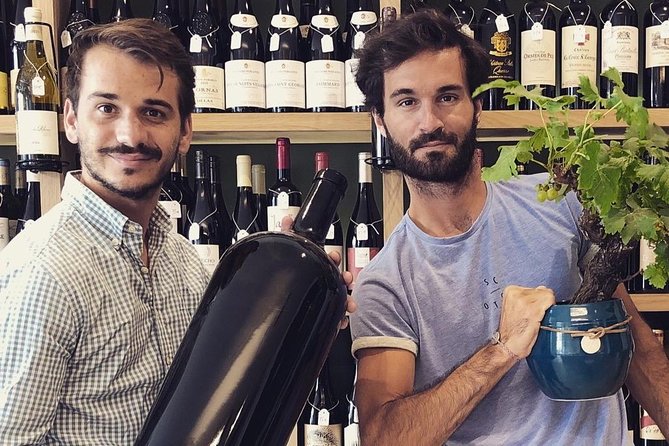
Even better, you get food that supports the lesson: Basque charcuterie and cheese from Maison Pierre OTEIZA (plus bread and pairing bites). Expect a small group (max 12), an English host, and plenty of chances to ask questions—especially if you meet guides like James and Pierre, who show up as the friendly teachers in multiple comments.
In This Review
- Key Highlights You’ll Feel During the Tasting
- Where You’ll Meet and What This Experience Really Is
- The practical upside of a fixed location
- What You’ll Taste: Left Bank Power, Right Bank Elegance, Dry White Freshness
- Why this three-bottle setup is so useful
- How the Stories Turn Bordeaux Into a Place You Can Remember
- You’ll also learn the governance side
- The Tasting Lesson: Tips You Can Actually Use When Ordering
- For beginners, this is a confidence boost
- For intermediate drinkers, you’ll still get value
- Food Pairing: Basque Charcuterie and Cheese That Supports the Lesson
- How to use the pairing to learn something
- Dietary needs: ask ahead
- English-Friendly and Small-Group by Design (Max 12)
- Solo-friendly comfort
- Price and Value: $42.33 for 3 Wines and a Proper Teaching Format
- Who feels the best value
- Logistics That Matter: Timing, Tickets, and Where to Stand
- What to bring
- Is This a Winery Tour Day? Know What You’re Booking
- Should You Book Le Pied à Terre’s Bordeaux in 3 Wines?
- FAQ
- Where is the meeting point for the Bordeaux wine tasting?
- How much does the experience cost?
- How long is the tasting?
- How many wines will I taste?
- Is the tour offered in English?
- How large is the group?
- What food is included?
- Are service animals allowed?
- What is the cancellation policy?
- What if the experience is canceled due to minimum travelers?
Key Highlights You’ll Feel During the Tasting
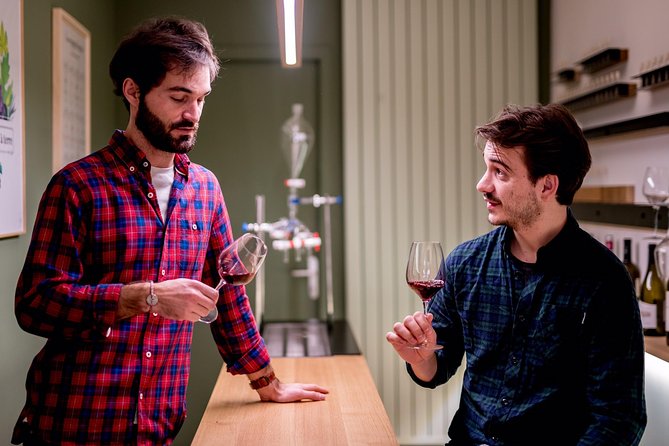
- Left Bank vs Right Bank, explained in plain language, not wine-snob code
- Roman-times stories that connect Bordeaux wine to place and time
- 3 bottles, 3 styles: power (red Left Bank), elegance (red Right Bank), freshness (dry white)
- Pairing talk with food and wine suggestions you can reuse at home
- Small group energy (max 12), so your questions actually get answered
Where You’ll Meet and What This Experience Really Is
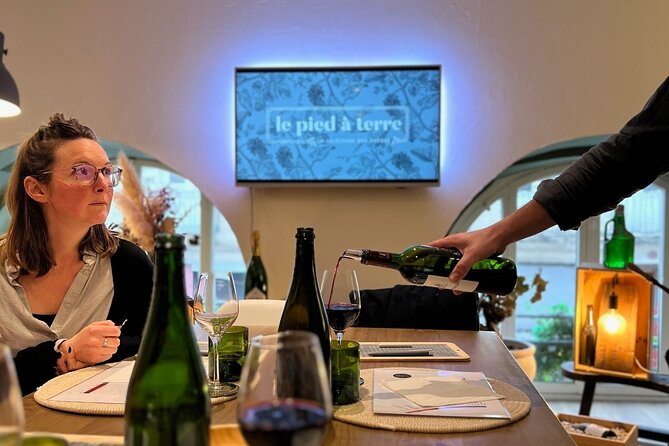
This is a focused Bordeaux wine tasting designed for people who want clarity. You meet at 22 Rue Judaïque, 33000 Bordeaux, and you come back there at the end. The session runs about 1 hour 30 minutes, so it’s long enough to learn and taste, but short enough that it won’t eat your whole afternoon.
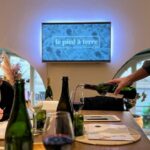
The setting matters here. Instead of a long coach ride and a winery tour day, you’re in the provider’s own cellar/wine space for guided tastings. That’s good news if you’re trying to maximize learning per hour. It also keeps the experience easy to fit into a day of walking around Bordeaux’s center.
You can also read our reviews of more tours and experiences in Bordeaux.

The practical upside of a fixed location
Because it’s easy to find and near public transportation, you’re less likely to start your wine day stressed. And because the group is capped at 12 travelers, you won’t feel like you’re part of a factory line.
What You’ll Taste: Left Bank Power, Right Bank Elegance, Dry White Freshness
The core of the experience is the three-wine structure. You’ll taste around three carefully selected wines, each presented with context—appellation, grape varieties, winemaking methods, and estate background. That’s a huge difference from tastings where you only get a vague “notes” sheet.
Here’s the lineup logic:
- A red from the Left Bank: often associated with power and depth
- A red from the Right Bank: commonly taught as more elegant and refined in style
- A dry white from top estates: chosen to show Bordeaux’s freshness side
You’re not just tasting blind. You’re learning what each style is built to do.
One review also pointed out that some tastings included Grand Cru Classé wines (two of the three). That’s a nice bonus because it lets you connect the famous names and classification ideas to real flavors—without the pressure of being “good at wine.”
Why this three-bottle setup is so useful
If you try random Bordeaux pours in a restaurant, it’s hard to tell what you’re responding to: grape choice, blend style, aging, or terroir. This format labels the variables for you. After you taste them side-by-side, you’ll start picking up patterns you can use when you order later.
How the Stories Turn Bordeaux Into a Place You Can Remember
Bordeaux can feel complex fast: appellations, classifications, and shifting styles across the region. The experience helps by giving you a narrative thread. You’ll hear stories that reach back to Roman times, plus other history connected to estates and wine production.
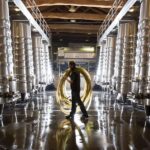
This approach works because Bordeaux isn’t just a list of labels. It’s a system—made by geography, agriculture, and human choices over centuries. When you hear the background as you taste, the flavors start to feel like a result of decisions, not random luck.


You’ll also learn the governance side
One helpful comment emphasized the certification and governance process that lets producers label wine as coming from Bordeaux. That’s not the kind of thing you usually get in a casual tasting. But if you’re the type who hates hand-waving, you’ll appreciate it.
The Tasting Lesson: Tips You Can Actually Use When Ordering
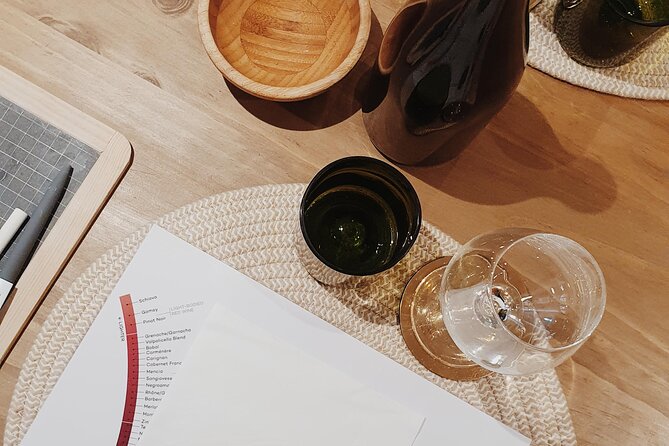
A big reason this tasting scores so high is that it’s taught like a class you can apply the next day. You don’t just get answers. You get the steps for tasting and the kind of discussion you can repeat elsewhere.
Here’s what your session is built to include:
- How to taste and evaluate what you’re seeing and smelling
- Pairing ideas—what works and why
- Food and wine talk tied to the bottles in front of you
- A chance to ask questions, with patient answers
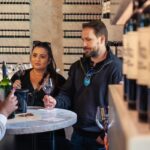
Guides are described as fun, relaxed, and interactive, with humor that keeps things from feeling like homework. More than one comment highlights hosts who patiently explain the basics—especially useful if you’re starting from zero.
For beginners, this is a confidence boost
If you’re new to Bordeaux, this is the rare tasting where you can ask “what does that mean?” without feeling silly. The guides named in comments—James and Pierre—come across as story-forward teachers who make the steps clear.
For intermediate drinkers, you’ll still get value
Even if you think you know Bordeaux basics, you’re likely to pick up a better way to compare wines from different areas. One comment mentioned the tasting as an educational introduction to Bordeaux regions, appellations, and grapes, with tasting size pours rather than huge servings.
Food Pairing: Basque Charcuterie and Cheese That Supports the Lesson
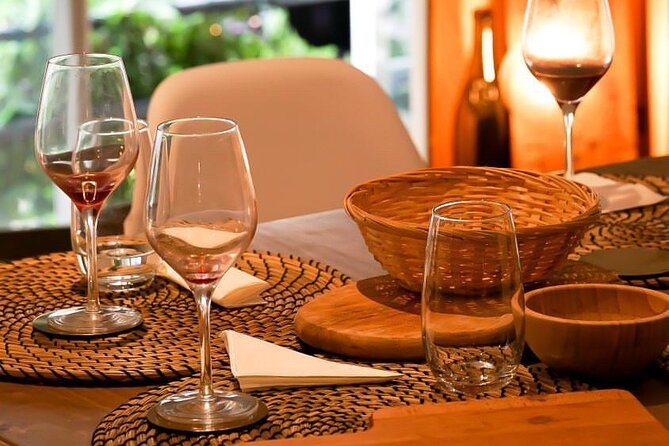
Wine tasting goes better when the food is doing a job. Here, the starter is charcuterie and cheese from the Basque Country, specifically tied to Maison Pierre OTEIZA. That matters because it gives you salty, savory anchors to help your palate notice changes from wine to wine.
In practice, you’ll likely have bread and pairing bites alongside the tasting. One review mentioned a small board with bread, cheese, and ham paired with the pours. The common theme: the food isn’t an afterthought—it’s part of the training.
How to use the pairing to learn something
While you eat, pay attention to how the wine behaves with:
- salty flavors (and fat from cheese)
- cured meat intensity
- bread as a neutral reset
That’s the kind of habit that makes your next wine order more intentional instead of accidental.
Dietary needs: ask ahead
One comment explicitly said the hosts can be flexible for vegans and vegetarians, as long as you let them know ahead of time. If you’re traveling with dietary restrictions, plan to message your needs during booking.
English-Friendly and Small-Group by Design (Max 12)
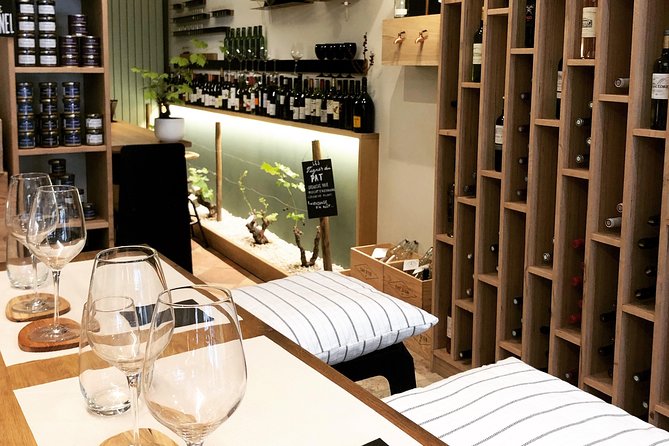
The session is offered in English, and the group size is limited to 12. That combination makes a difference: you get real back-and-forth instead of listening from the back row.
You’ll also share the room with a mix of people. One comment described a group that included guests from multiple countries, which can be fun if you enjoy casual conversations between tastings.
Solo-friendly comfort
If you’re traveling alone, this kind of group class often feels easier than hopping between tables. Multiple comments highlight the approachable atmosphere and the chance to talk with others—without it being forced.
Price and Value: $42.33 for 3 Wines and a Proper Teaching Format
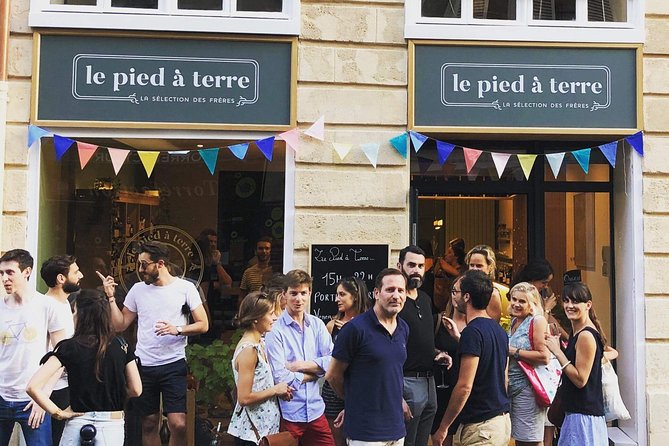
At $42.33 per person for about 90 minutes, this tasting is priced like a mid-range wine class. The value comes from what you get bundled together:
- 3 guided wine tastings, each with context
- tasting technique and food pairing discussion
- Basque charcuterie and cheese as part of the experience
- a small group and an interactive guide
If you compare it to buying three separate tastings in a less structured environment, you’re paying for education and direction. And because Bordeaux can be complicated, having someone explain the logic as you taste is often what makes the session worth it, even if you’re not a lifelong wine person.
Who feels the best value
You’ll feel the best value if you:
- want a quick Bordeaux foundation before ordering at restaurants
- like learning how to taste rather than just consuming
- enjoy comparisons (Left vs Right Bank)
- appreciate a friendly, non-pretentious approach
Logistics That Matter: Timing, Tickets, and Where to Stand
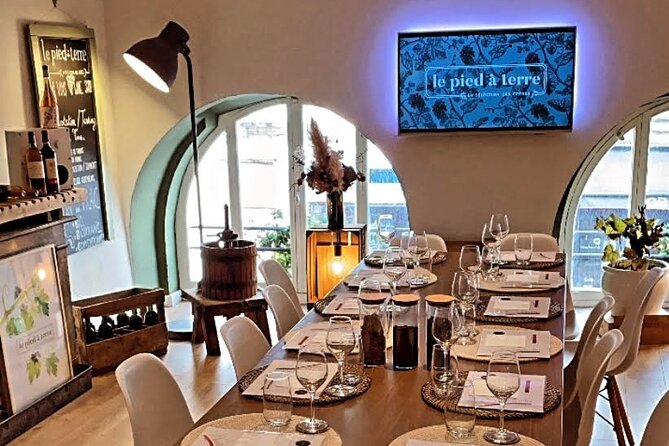
You’ll receive confirmation at booking and get a mobile ticket. The start and end are at the same meeting point, so you won’t need extra navigation gymnastics.
One practical note from comments: tastings can run at 2:30pm, and there may be schedule confusion if you see other times listed somewhere. So it’s smart to confirm your exact start time in your booking confirmation.
What to bring
Bring curiosity and questions. If you’re a beginner, come ready to learn the steps of tasting. If you’re more advanced, come ready to ask about how terroir and style connect to the wines you’re sampling.
Is This a Winery Tour Day? Know What You’re Booking
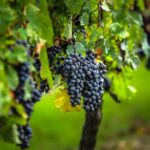
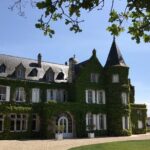
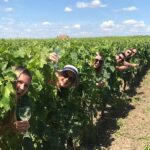
This is not a full winery visit where you spend hours driving and walking vineyards. It’s a guided tasting in the provider’s space. That’s a choice, and it’s a good one if your goal is education and efficiency.
So if your ideal Bordeaux day includes chateau views and vineyard walks, you might pair this with a later winery tour. But if you want a smart starting point, this session gives you the vocabulary to enjoy the rest of your trip.
Should You Book Le Pied à Terre’s Bordeaux in 3 Wines?
Book it if you want:
- a clear Bordeaux introduction focused on tasting skill
- a Left Bank vs Right Bank comparison you can feel
- friendly teaching from hosts like James and Pierre
- structured wines plus Basque pairing bites
Skip it only if you specifically want a countryside winery tour with vineyard scenery as the main event. In that case, you’ll probably feel happier choosing a day-trip winery option instead.
My take: this is one of the best ways to turn Bordeaux wine from confusing labels into a set of patterns you can recognize—fast.
FAQ
Where is the meeting point for the Bordeaux wine tasting?
The tour meets at 22 Rue Judaïque, 33000 Bordeaux, France, and it ends back at the same meeting point.
How much does the experience cost?
It costs $42.33 per person.
How long is the tasting?
The duration is about 1 hour 30 minutes.
How many wines will I taste?
You’ll enjoy a guided tasting of around three emblematic Bordeaux wines.
Is the tour offered in English?
Yes, the experience is offered in English.
How large is the group?
The tour has a maximum of 12 travelers.
What food is included?
The starter is charcuterie and cheese from the Basque Country, from Maison Pierre OTEIZA, with pairing around the tasting.
Are service animals allowed?
Yes, service animals are allowed.
What is the cancellation policy?
Free cancellation is available up to 24 hours in advance for a full refund.
What if the experience is canceled due to minimum travelers?
If it’s canceled because the minimum number of travelers isn’t met, you’ll be offered a different date/experience or a full refund.