REVIEW · BORDEAUX
Médoc Region Half-Day Wine Tour with Winery Visit & Tastings from Bordeaux
Book on Viator →Operated by Ophorus · Bookable on Viator
Médoc in four hours sounds tight. And yet this half-day wine trip works because you get two structured tastings at classic estates, plus an air-conditioned ride that takes you off Bordeaux’s streets and onto the Route des Châteaux. I especially like the small-group size (max 8) since it keeps the pace from turning into a conveyor belt.
The trade-off is time. You’re in and out quickly, and you won’t get a full-feast wine education or a long lunch unless you build it yourself before or after.
In This Review
- Key points before you go
- Médoc in four hours: why this half-day format makes sense
- Getting there: the minivan, the group size, and how the timing feels
- The first château tasting: what you should look for at Stop 1
- The drive along Route des Châteaux: views, big names, and what the ride teaches
- The second château tasting: comparison value and how it differs from the first stop
- Wine education you’ll actually use later, not just “wine talk”
- Price and value: is $156.88 worth it?
- Staff quality matters: the guide can turn the same tour into two different days
- Who should book this Médoc half-day tour (and who should skip)
- Should you book? My practical call
- FAQ
- How long is the Médoc wine tour?
- What does the tour cost?
- How many people are in the group?
- Is the tour offered in English?
- Are meals included?
- What’s included in the price?
- Where do I meet for the tour?
- Are children allowed?
- Is cancellation free?
Key points before you go
- Max 8 people keeps the van calm and the questions actually get answered
- Two tastings at classified growth or Crus Bourgeois style estates gives you comparison value
- Route des Châteaux drive passes sights tied to big names like Palmer and Margaux
- English-speaking guide plus on-site explanations means you learn what to taste for
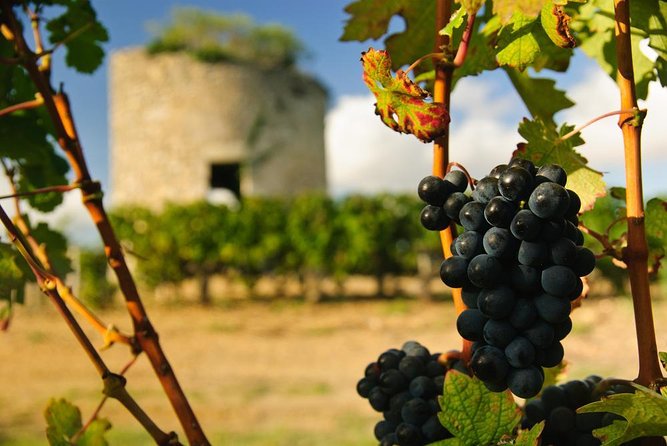
- Season matters: if harvest is happening, you may see the work behind the wine
- Food isn’t built in during tastings, so plan breakfast or lunch so you’re not hungry
Médoc in four hours: why this half-day format makes sense
If Bordeaux is your wine base, the Médoc is the natural next step. You get Cabernet Sauvignon–heavy wines, famed estates, and that whole Left Bank culture—without committing to a full day in the car.
This tour is built for an easy win: you leave Bordeaux, taste twice, and come back the same day. For a first visit, it’s a smart way to learn the landscape of wine styles and classifications, so when you shop later you’re not guessing.
You can also read our reviews of more tours and experiences in Bordeaux.

Getting there: the minivan, the group size, and how the timing feels
The tour runs about four hours and uses an air-conditioned minivan. That matters in the summer heat, and it also makes the ride feel purposeful instead of tiring.
Max group size is 8, and that’s a real quality lever. With fewer people, you’re more likely to hear what’s going on during tastings and winery talk, and your guide can keep the group engaged.
You’ll meet at 12 Cr du 30 Juillet in Bordeaux and return there. There’s no hotel pickup, so you’ll want to be on time and comfortable getting yourself to the meeting point—especially if you’re using public transit.
One practical note: since tastings are timeboxed, the experience can feel intense if you’re the type who wants to linger over every pour. If you love slow, long winery days, you may prefer a full-day version.
The first château tasting: what you should look for at Stop 1
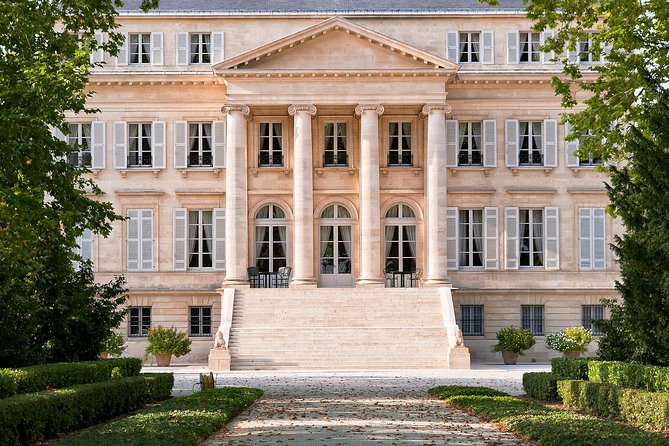
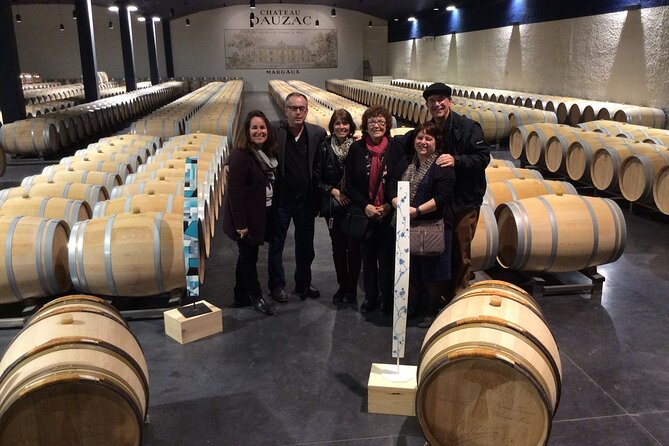
Your first stop is at a prestigious estate in the Médoc, tied to classified growth and similar prestigious labels. The key here isn’t just the wine in the glass—it’s the structure of the visit: you’re meant to understand what makes a Médoc wine a Médoc wine.
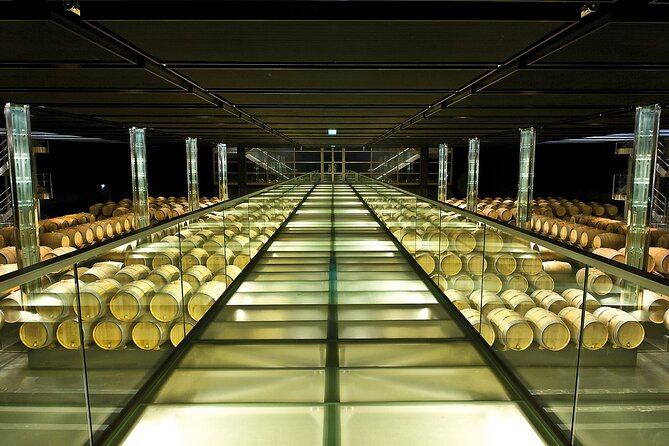
Expect a tasting led on-site, plus explanation of how wine is made and what the estate is trying to achieve. In the best versions of this tour, the château representative walks you through the process clearly enough that you can connect it to flavors you’re tasting.
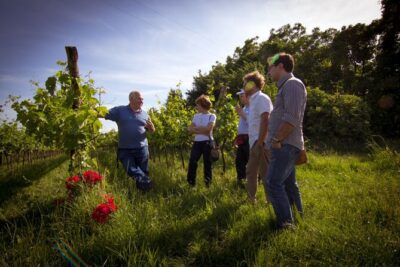
Harvest timing can add a powerful layer. On some runs in mid-September, you may see harvest work in motion—grapes harvested, sorted, and headed into fermentation. That doesn’t happen year-round, but it’s the kind of “how the sausage gets made” detail that turns tastings into real learning.
Also, pay attention to the differences between estates, not only the best wine of the day. One estate can lean more toward fruit expression, another toward structure and aging potential. When you’re comparing two wines later, the first stop sets your baseline.
The drive along Route des Châteaux: views, big names, and what the ride teaches
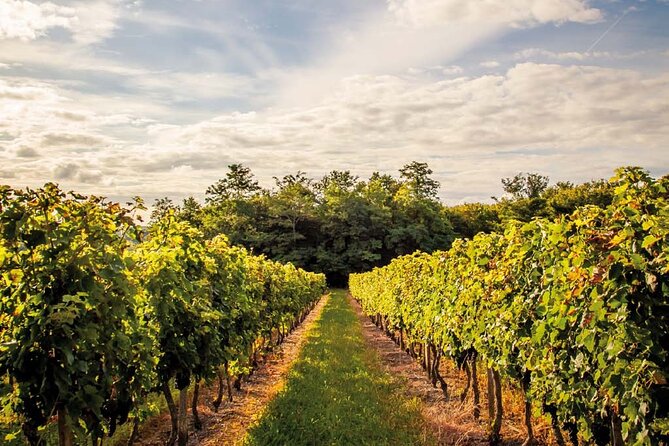
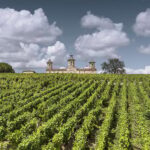
Between tastings, you’ll ride back toward Bordeaux’s wine-world road: the Route des Châteaux (Route des Chateaux). The route is famous for the castles and estates you pass along the way.
Even if you don’t stop for photos at every famous gate, the drive helps you place the region in your head. You learn how the Médoc is laid out and why those soils and microclimates matter for grape growing.
Along the route, you’ll get passed by famous names such as Palmer and Margaux. That matters because these aren’t random labels—they’re shorthand for different styles and different reputations in the Médoc universe.
If you’re someone who loves narration, this is the portion where a strong guide really shows. When the guide gives clear context in the van, the road time starts to feel like part of the tour instead of just transit.
The second château tasting: comparison value and how it differs from the first stop
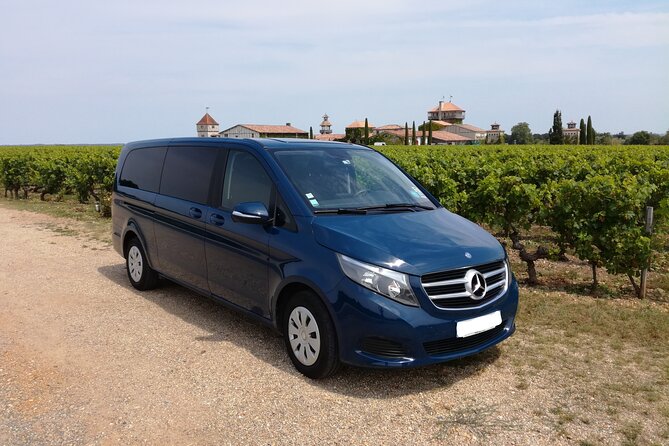
Your second stop is another classified growth–type château in the Médoc region. This is where the tour becomes useful for your buying instincts, because you get a contrast between two wineries and their approaches.
Sometimes the first visit is more of a complete estate tour, while the second can focus more on tasting. That pattern shows up often enough that it’s worth expecting: you may spend more total time at Stop 1 and get a more streamlined experience at Stop 2.
From the names that appear on this route, you might encounter estates like Château Prieure Lichine, Château Siran, or Château Haut-Breton. The important part is not the brand of the day—it’s what those estates represent when you taste them side by side.
One fun practical detail: if you’re paying attention, you can turn the tasting into a mini game. The tour format often includes a sensory activity like identifying aromas tied to wine. It’s not just entertainment; it helps you name what you’re sensing instead of swirling blindly like a movie extra.
Seasonal differences also show up. The first stop might offer you harvest-stage insight in early fall, while another run might focus more on the finished wine and the decisions that shaped it.



Wine education you’ll actually use later, not just “wine talk”
The best part of a structured Médoc tour is learning what to listen for while tasting. You don’t need to memorize a textbook, but you do want a few handles: classification, grape choices, aging intent, and why certain styles show up again and again.
This tour is designed around wine classifications, and it includes explanation of the winemaking process at the château level. If you care about terms like classified growth or the difference between estate styles, you’ll get enough context to make sense of what you see on bottle labels afterward.
You’ll also learn the basic rhythm of Médoc wine production, from grape growing to fermentation choices to bottling decisions. You might not get every technical detail in four hours, but you’ll usually come away with a clearer sense of what drives taste: fruit ripeness, extraction choices, and how the winery aims for balance.
A helpful thing to remember: tasting notes can be personal. The tour gives you the shared vocabulary—then it’s up to you to decide which “direction” you like.
Price and value: is $156.88 worth it?
For $156.88 per person, you’re paying for three things: transportation out of Bordeaux, a professional English-speaking guide, and admission/tasting fees.
That can be a good deal if you’re new to the region. Hiring a guide plus tasting fees alone usually adds up fast, and the van saves you from figuring out logistics on your own. The small group size (up to 8) also makes the per-person price feel more reasonable than larger group formats.
But there’s one value reality to keep in mind: time is limited. Some people feel the amount of wine offered doesn’t match the price, especially if they’re expecting a long, generous sampling session. In a shorter tour, you have less margin for repeat pours and wandering conversations.
So I suggest you treat this as a tasting + education primer, not a heavy drinking day. If your goal is to leave with a deep cellar-level understanding and a lot of wine, look at a longer itinerary. If you want a first taste of Médoc with real context, this fits the bill.
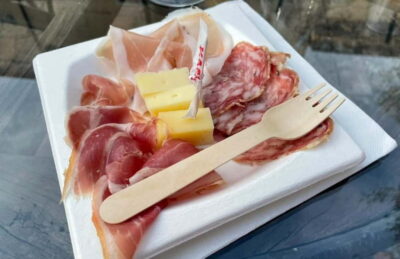
Also, you should plan on buying or bringing food yourself. There’s an important local note: snacks usually aren’t provided during wine tastings because the focus is on pure wine flavor. If you’re arriving hungry, you’ll feel it fast.
Staff quality matters: the guide can turn the same tour into two different days
This is the part I pay attention to most. On tours like this, the itinerary template is only half the story; the guide’s style is the other half.
When the guide is funny, organized, and willing to keep the group involved, the trip feels like learning with momentum. Many people highlight guides such as Lea, Carol, Anne, Karim, Helen, Ugo, Julie, and even more clearly “driver that’s also a guide” types like Maud or Oscar.
When a winery representative speaks too quickly or with a strong accent, it can be frustrating if you have trouble catching every word. One practical takeaway: if you’re sensitive to fast speech, arrive ready to listen and don’t be shy about asking for clarification if the format allows.
Likewise, if your guide focuses mostly on driving and not on explaining, the half-day can start to feel like a ride between two tastings. That’s not the fault of Médoc. It’s just the difference between an active guide and a mostly-quiet one.
Who should book this Médoc half-day tour (and who should skip)
Book this if:
- you want a high-confidence first Médoc visit from Bordeaux
- you like the idea of two winery tastings rather than one long stop
- you want a small group (max 8) and a guide who can keep the tour moving
- you enjoy learning the region’s wine structure as you taste
Consider a different format if:
- you crave a full day of walking, lunch breaks, and extended winery access
- you’re the type who gets impatient if a tour feels rushed
- you want more wine poured per stop, with less emphasis on quick learning segments
This tour also fits adult-only schedules. It’s an adult tour (no under-18), and pets aren’t allowed.
Should you book? My practical call
Yes, I think you should book it if your goal is to get oriented fast and taste your way into the Médoc. The combination of two tastings, small group size, and a guided ride past iconic Left Bank names gives you good value for a half-day.
Just go in with the right expectations. Bring a good breakfast or lunch idea because tastings usually aren’t paired with snacks. And if you know you hate tight schedules, plan for a longer tour next time.
If you’re aiming to compare wines and learn what to look for on bottles later, this is one of the more sensible ways to do it from Bordeaux.
FAQ
How long is the Médoc wine tour?
It’s about 4 hours.
What does the tour cost?
The price is $156.88 per person.
How many people are in the group?
The group size is capped at a maximum of 8 travelers.
Is the tour offered in English?
Yes, it’s offered in English.
Are meals included?
Food and drinks are not included unless specified. Snacks are usually not provided during wine tastings, so plan a good breakfast or lunch beforehand.
What’s included in the price?
You get all-wine tasting fees, a professional English-speaking tour guide, and transport by air-conditioned minivan.
Where do I meet for the tour?
The meeting point is 12 Cr du 30 Juillet, 33000 Bordeaux, France. The tour ends back at the same meeting point.
Are children allowed?
No. It’s adult only, and children under 18 years old aren’t allowed.
Is cancellation free?
You can cancel for a full refund up to 24 hours in advance of the experience start time. If you cancel less than 24 hours before, the amount paid won’t be refunded.