REVIEW · ICA
Winery and Pisco Distillery tour
Book on Viator →Operated by Sam Travel Experiences · Bookable on Viator
One short drive in Ica and suddenly pisco has a face. This small-group tour strings together famous producers, tastings of pisco and wines, and enough structure to keep your afternoon from turning into a chaotic wine-search mission. I especially like how Tacama’s big-name stop pairs with smaller, more personal cellar visits, so you get both scale and craft. One thing to watch: Tacama’s entrance ticket costs extra (PEN 25 per person), so check your total before you go.
You’ll also like that this isn’t just a sit-and-listen outing. You get round-trip transport from Ica or Huacachina, multiple tastings, and a free lunch window during the route. It runs about 5 to 6 hours, and you can usually pick a time that fits your day.
In This Review
- Key Things I’d Focus On Before You Go
- Why Ica’s Pisco Route Works So Well in One Afternoon
- Price and Ticket Math: What You’re Paying For
- Pickup, Drop-Off, and Getting Your Day Organized
- Stop 1: Hacienda Tacama (or Vista Alegre on Mondays)
- The Monday change you should plan for
- Stop 2: El Arrabal + La Vieja Bodega Lovera and a Lunch Window
- El Arrabal: tradition you can taste
- La Vieja Bodega Lovera: old Spanish cellars
- Stop 3: Bodega Nietto (Built on a Family Founding)
- How to Make Tastings Enjoyable (Not Overwhelming)
- What Past Guests Seem to Value Most
- Flexible, clear communication
- Guides who actually guide
- Tacama is often the standout stop
- The one downside that keeps it honest
- Who Should Book This Tour (and Who Might Skip It)
- Should You Book This Winery and Pisco Distillery Tour?
- FAQ
- What is the tour duration?
- How much does the tour cost?
- Where does pickup happen?
- What’s included in the price?
- Is Tacama entrance included?
- What happens on Mondays?
- Are admission tickets included for all stops?
- How many wineries are visited?
- What’s the maximum group size?
- Is the tour affected by weather?
Key Things I’d Focus On Before You Go
- A tight 5–6 hour route that fits well when you have limited time in Ica
- Round-trip pickup from hotels in Ica or Huacachina (or the bus station)
- Three producer stops with tastings of piscos and wines, plus time for lunch
- Small group size (max 12) for more guide attention
- Monday switch: Tacama closes, and you’ll visit Hacienda Vista Alegre instead
- Tacama ticket is extra (PEN 25 per person), while other stops’ admission is included
Why Ica’s Pisco Route Works So Well in One Afternoon
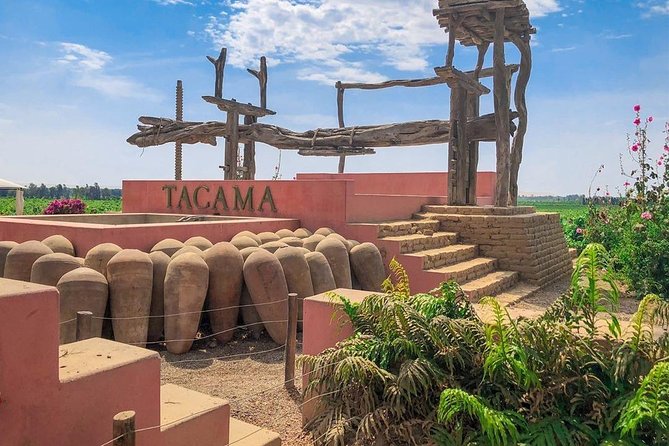
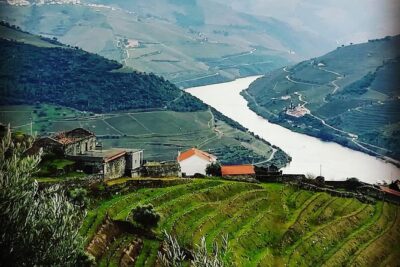
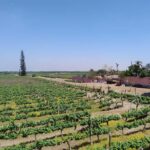
Pisco in Peru isn’t just a drink you order at dinner. In Ica, it’s a whole regional story—grapes, tradition, fermentation, distillation, and people who’ve been doing it for generations. What makes this tour practical is the pacing. You spend time at a major industrial-style producer, then shift to artisanal wineries where you can see how tradition still shapes the process.
The schedule is built for a comfortable afternoon: roughly 5 to 6 hours total with multiple stops and short transfers between them. That matters because Ica days can fill up fast—people often combine wineries with beachy relaxation around Huacachina or other tours in the region. This one is structured enough that you won’t feel like you’re constantly guessing.
Also, the group size is capped at 12 travelers. That translates into real-life benefits: you can ask questions, you get clearer answers, and you’re less likely to get lost in a crowd. It also tends to make the tastings feel more like a guided experience than a rushed conveyor belt.
Finally, this tour is commonly booked about 15 days in advance on average. You don’t need to panic-book a month out, but if you have a specific day or preferred pickup time, reserving earlier helps.
You can also read our reviews of more tours and experiences in Ica.
Price and Ticket Math: What You’re Paying For
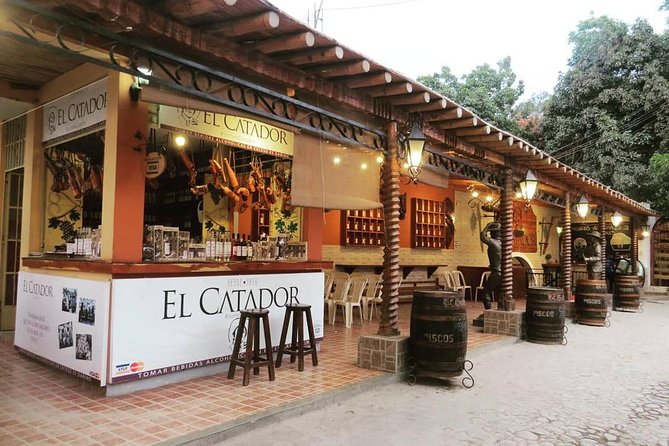
The base price is $30.77 per person for the tour. That fee covers the core experience: pickup and transport, the listed winery visits (with admission for some stops), and tastings of piscos and wines.
Here’s the one financial detail you shouldn’t gloss over: Tacama’s entrance ticket is not included. You’ll pay PEN 25.00 per person on site by card or cash. That’s small compared to the overall day, but it can still change your budget planning if you’re traveling as a group. I recommend you assume the extra PEN cost and have a little cash ready, just in case the card option is limited when you arrive.
Meals: you won’t get a full meal included in the price. What you do get is free time for lunch during the tour, so you can eat at the restaurant at the El Arrabal winery (during the lunch window). That’s a smart middle ground: you choose what you want to order, and the tour stays on schedule.
In plain terms, you’re paying for:
- Transport + coordination (so you don’t have to hire drivers between wineries)
- Guided visits at multiple producers
- Tasting time rather than just photo stops
If you want a simple day that gives you pisco context without needing a car or a private driver, this pricing structure is pretty reasonable.
Pickup, Drop-Off, and Getting Your Day Organized
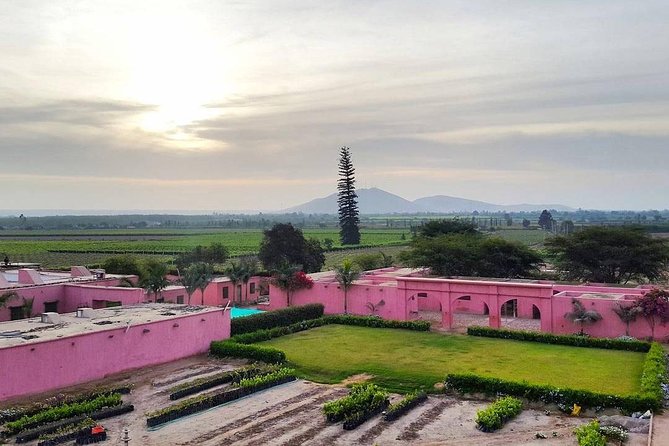
The tour includes reception at the bus station or pick up from your hotel in Ica. If you’re staying in Huacachina, pickup from there is part of the plan too.
On holidays, the pickup points shift: they meet you at Plaza de Armas and Huacachina. Drop-off is also handled carefully on those days—it goes back to the operator’s Ica office or Plaza de Armas in Ica, not necessarily your exact hotel.
That sounds minor, but it affects how you plan the rest of your day. If you’ve got a tight schedule for dinner reservations, check that return point. If you’re taking a bus or doing another activity afterward, make sure you understand the drop-off location for your specific day.
One more reason this tour feels smooth: the operation has a reputation for good communication. In past experiences, the company’s messaging and instructions were described as clear and helpful, and guides were able to coordinate smoothly even when someone had a next tour waiting.
Stop 1: Hacienda Tacama (or Vista Alegre on Mondays)
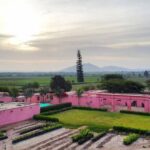
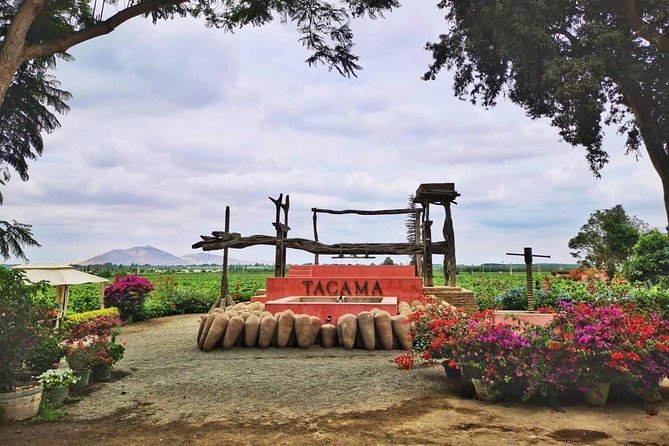
This is the headline stop for a reason. You’ll visit Hacienda Tacama, described as the oldest winery in South America, and you’ll see how it produces not only wines but also pisco and sparkling wines. The focus here is on fine grapes and how they turn into multiple product styles, so it gives you a broad view of the brand’s range.
You also get tastings of the products at the winery during this part of the day. Expect this to be one of the more structured, “see the big operation” experiences.
Time on this first stop is about 2 hours.
The Monday change you should plan for
If your tour date lands on a Monday, Hacienda Tacama is closed. You’ll swap that visit for Hacienda Vista Alegre, which is described as the same category as Tacama. This matters because if Tacama is the specific reason you booked, Monday will feel like a different experience—even though the replacement is meant to be comparable.
Also remember: Tacama entrance is extra (PEN 25 per person). That doesn’t change on Monday since Tacama itself won’t be the visit.
Stop 2: El Arrabal + La Vieja Bodega Lovera and a Lunch Window
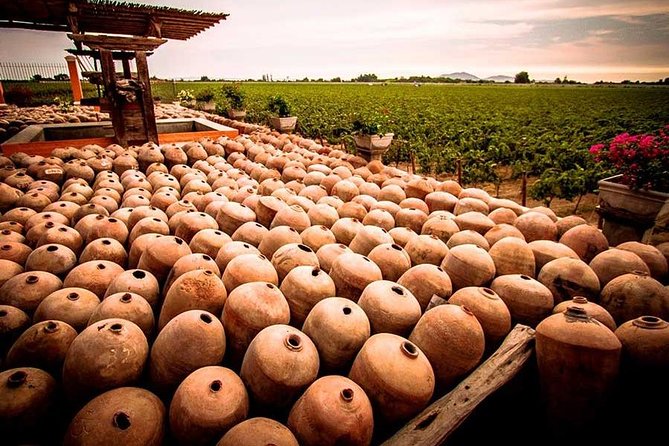
After Tacama (or its Monday replacement), the route continues along the pisco corridor with an artisanal focus.
El Arrabal: tradition you can taste
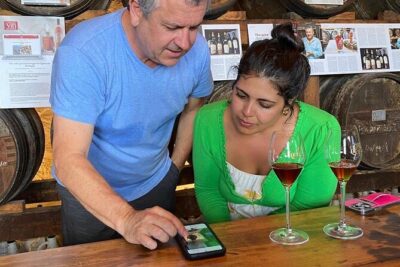
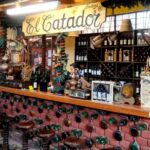
You’ll visit El Arrabal Tourist Winery, an artisanal winery where tradition in wine and pisco production has been preserved. This stop is built for hands-on understanding: you’re not just touring a room. You’re learning how artisanal methods fit into the wider pisco world.
This part includes free time for lunch in the winery’s restaurant. That’s a genuinely useful feature. Pisco tastings make you thirsty and hungry in a hurry, and having a built-in lunch window helps you pace the day instead of forcing you to eat before you’re ready.
Admission for this section is included.
La Vieja Bodega Lovera: old Spanish cellars
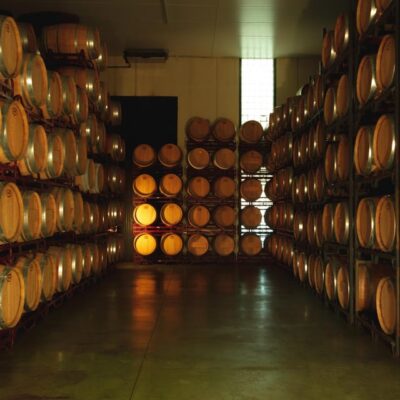
Then you’ll visit La Vieja Bodega Lovera, described as a renowned artisanal winery. The big attraction is the pistcos, wines, and cachinas, but the standout detail is the authentic Spanish cellar dating to the 16th and 17th centuries.
That kind of setting changes the tasting mood. Even if you’re not a history buff, being in an old cellar makes the process feel less like a modern factory tour and more like a craft passed down through time.
This stop cluster is about 2 hours total.
Stop 3: Bodega Nietto (Built on a Family Founding)
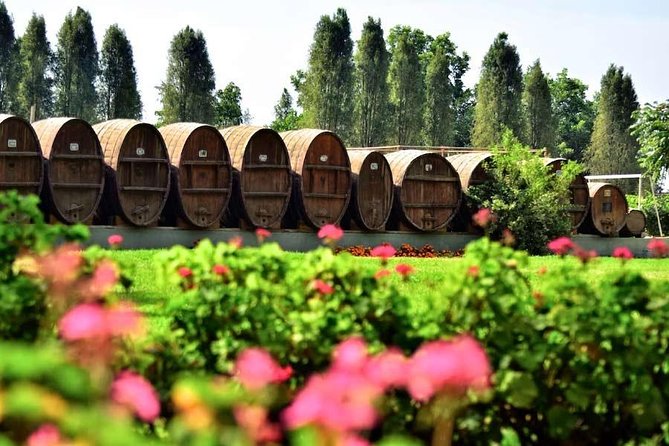
The final winery stop is Bodega Nietto. This isn’t just a branded visit—it’s tied to a family legacy.
They explain that Bodega Nietto is part of a wider story: it’s the “mother winery” associated with the Gonzalez Misa family, founded in 1857. Right now, it’s handled by the 4th generation of the family, which gives you a clear sense that pisco-making here isn’t a short-term business trend.
Like the other stops, the tastings focus on piscos, wines, and cachinas, but the key value of this stop is perspective: you’re seeing how family continuity shapes the style and identity of what’s produced.
Time here is shorter—about 1 hour—so it doesn’t feel like your whole afternoon turns into an endless tasting marathon.
Admission for this segment is included, and afterward you’ll be transferred back to your hotel in Ica.
How to Make Tastings Enjoyable (Not Overwhelming)
Pisco tastings can be fun fast, and then suddenly… you’ve had enough. This tour gives you tastings at multiple stops, so the best strategy is pacing.
Here’s what works well:
- Take small sips and let the flavors reset between producers.
- If lunch is available at El Arrabal, use that lunch window. It helps you enjoy later tastings without feeling stuffed or shaky.
- Ask your guide to point out differences you should notice between styles and producers, not just “what’s good.”
If you’re the type who likes to compare, this route helps because you get variety in a short span: a major old-name winery first, then artisanal cellars and a family-run operation. That structure makes it easier to remember what you liked and why.
One balanced note: one reviewer felt the number of producer visits was just a bit too much. If you’re the person who prefers fewer stops and more time at each, you might want to think about whether three tastings-heavy stops fits your style.
What Past Guests Seem to Value Most
This is where the pattern becomes clear. The highest-rated experiences point to execution, not just the product.
Flexible, clear communication
Multiple accounts highlight that the team was responsive and helpful with planning—especially when meeting up wasn’t straightforward. People coming from transit situations (not just arriving at a local hotel) said the instructions were practical and the timing felt organized.
Guides who actually guide
Two guide names show up in the feedback: William and Raúl. William was praised for being prompt, knowledgeable about the pisco region, and for making it feel like touring with a local friend rather than standing in front of a clipboard. Raúl was noted for adding historical detail during the ride and for coordinating smoothly with the next activity when someone had another schedule right after.
That “smooth transition” detail matters. It’s one thing to book a tour. It’s another to keep the day running well if your afternoon is packed.
Tacama is often the standout stop
Even when people loved the whole day, Tacama was repeatedly described as a highlight—especially the setting and experience level. If you’re going mainly for the iconic stop, it’s doing its job.
The one downside that keeps it honest
The fair criticism is simple: three producer stops can feel like a lot for some people, even when the visits are well run. If you prefer slower travel, you may find yourself wanting more time at each location rather than moving on quickly.
Who Should Book This Tour (and Who Might Skip It)
This is a strong match if:
- You’re new to pisco and want a guided, structured intro
- You like small groups and more personal attention
- You want a full pisco/winery taste of Ica without renting a car
- You want a day with transport, tastings, and a lunch window built in
You might think twice if:
- You dislike tasting days with multiple stops back-to-back
- You don’t want to pay extra at the door for Tacama’s entrance
- You’re booking for a Monday and Tacama is your must-see; the replacement is good, but it isn’t the same visit
Should You Book This Winery and Pisco Distillery Tour?
Yes, book it if you want a well-organized afternoon that connects pisco to place—grapes to process to taste—while keeping the logistics handled. The biggest value isn’t just the tastings. It’s the pacing, the small group size, and the fact that you’re carried between sites with clear timing.
I’d book it soon if you want a specific time slot, since it’s often reserved about two weeks ahead. And before you go, plan for PEN 25 for Tacama entrance so your budget doesn’t get a surprise.
If you’re the type who loves long, slow visits at one winery, you may prefer a different style of tour. But if you want an efficient “pisco route” that makes Ica click in a single day, this one is a smart bet.
FAQ
What is the tour duration?
It runs about 5 to 6 hours.
How much does the tour cost?
The price is $30.77 per person.
Where does pickup happen?
Pickup is included from Ica or Huacachina hotels. You may also be picked up at the bus station. On holidays, pickup is at Plaza de Armas and Huacachina.
What’s included in the price?
You get round-trip transport, visits to El Arrabal, La Vieja Bodega Lovera, Tacama, and Bodega Nietto, plus tastings of piscos and wines. Lunch time is included as free time during the tour.
Is Tacama entrance included?
No. Tacama entrance is not included and costs PEN 25.00 per person (card or cash).
What happens on Mondays?
On Mondays, Hacienda Tacama is closed, so the stop is replaced by Hacienda Vista Alegre.
Are admission tickets included for all stops?
Admission is included for the El Arrabal and Bodega Nietto visits. Tacama has a separate entrance fee.
How many wineries are visited?
You visit three main stops: Tacama (or Vista Alegre on Mondays), El Arrabal (with La Vieja Bodega Lovera), and Bodega Nietto.
What’s the maximum group size?
The tour has a maximum of 12 travelers.
Is the tour affected by weather?
Yes. The tour requires good weather. If it’s canceled due to poor weather, you’ll be offered a different date or a full refund.