REVIEW · ICA
From Ica or Huacachina: Tour to Tacama Vineyard and Artisanal Winery.
Book on GetYourGuide →Operated by Ica Discovery Tours · Bookable on GetYourGuide
Pisco tasting has a time machine feel. This 5-hour Ica tour pairs a visit to Hacienda Tacama with two more stops so you can sample pisco (plus wine and pisco cream) while a bilingual guide keeps everything clear. I like the focus on production and family craft, and I like that you’re not just standing around: you get guided tastings at each winery. One heads-up: the Tacama entry ticket is not included, so you’ll need extra cash for that.
You’ll start with pickup from your hotel in Huacachina or Ica, then ride in a van (group style) and spend most of the time in the wineries, not on the road. Expect guided tours in English and Spanish, plus wine and pisco tastings included in the price, while lunch and drinks are on your own budget.
In This Review
- Key things I’d mark on your map
- Getting to the Pisco Route from Huacachina or Ica
- Hacienda Tacama: the oldest winery stop and what you’ll actually do
- The one cost detail you need to plan for
- Monday schedule swap
- Lovera Winery (La Vieja Bodega Lovera): a family business since 1867
- Cutur Pisco at Fundo – Hotel El Arrabal: artisan pisco plus historic cellars
- Why those Spanish cellars matter
- Lunch time built into the schedule
- Tasting pisco, wine, and pisco cream: how to enjoy it without overdoing it
- Price and value: is $25 a good deal for this winery lineup?
- Comfort, practical tips, and who should think twice
- Who this tour suits best
- Should you book this Ica pisco tour?
Key things I’d mark on your map
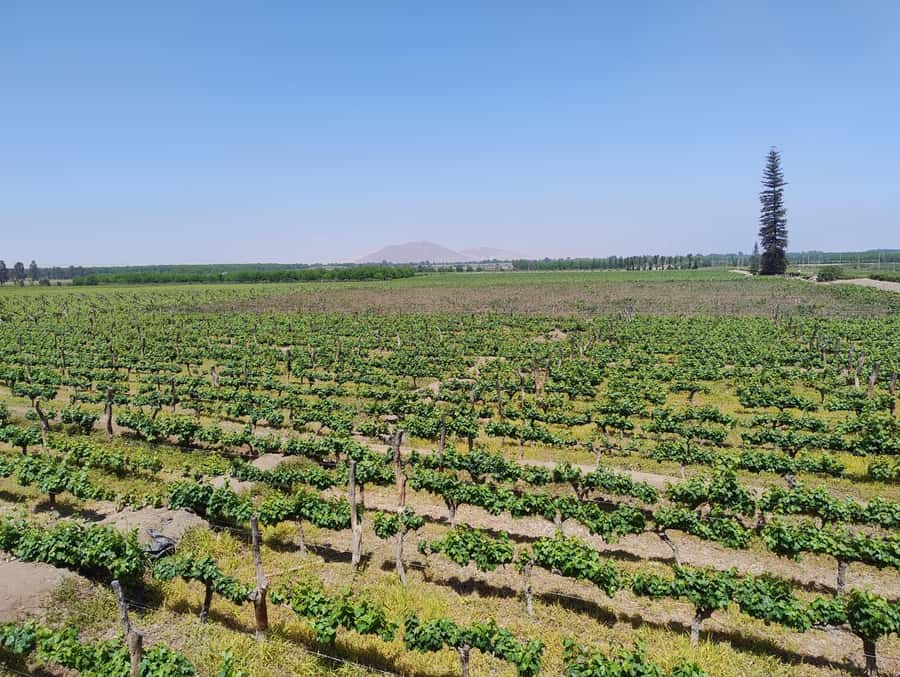
- Hacienda Tacama focus on old-school winemaking: Visit the historic winery and learn how grapes become pisco, wine, and sparkling wines.
- Pisco Route momentum in just 5 hours: Three stops plus transport is a fast hit of the Ica pisco scene.
- Family-run energy at Lovera Winery: You’ll see a multigeneration operation tracing back to 1867.
- Cutur Pisco includes real time for lunch: You get a break for typical Ica dishes at the vineyard restaurant.
- Historic cellars (16th and 17th centuries): One stop highlights authentic Spanish cellars inside the property.
- Monday swap if Tacama is closed: On Mondays, Tacama is replaced by Hacienda Vista Alegre (same category).
Getting to the Pisco Route from Huacachina or Ica
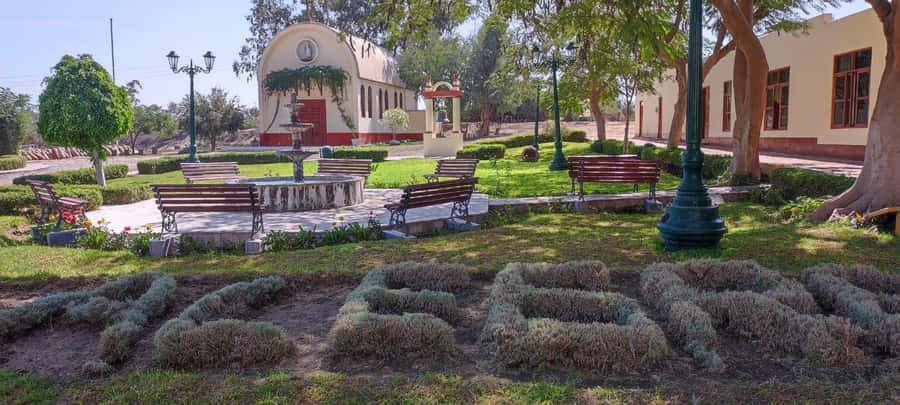
This is a group tour, so you’ll be picked up from your hotel in Huacachina or Ica and taken by van. Plan for about 15 minutes before the scheduled activity time for pickup, and then expect short drive segments between stops (roughly 20 minutes each way). That matters because you’re squeezing in three winery experiences in one morning/afternoon block, not a slow full-day crawl.
Group pacing is the vibe here. It’s not a private, linger-at-the-bar kind of tour, and you shouldn’t count on long detours. The upside is you’ll get a clear “starter course” of Ica’s most well-known producers, with a guide in English and Spanish.
Before you go, pack practical basics. Comfortable shoes help because vineyards and cellars can involve uneven ground. A camera is a must for photo stops, and bring biodegradable sunscreen and insect repellent since Ica sun can be intense. Also, have cash ready, because the Tacama ticket is an extra cost.
You can also read our reviews of more tours and experiences in Ica.


Hacienda Tacama: the oldest winery stop and what you’ll actually do
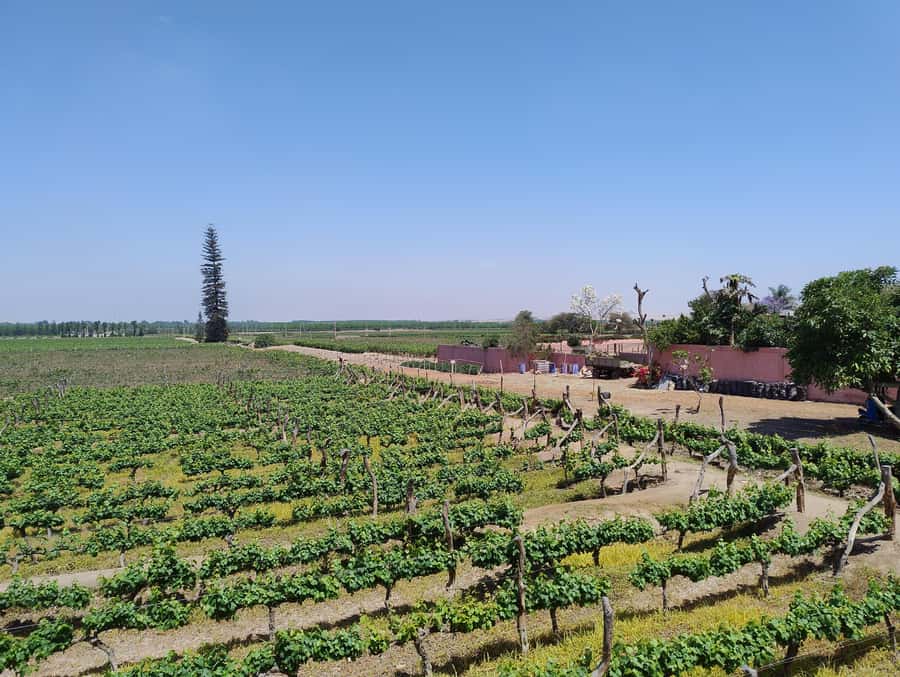
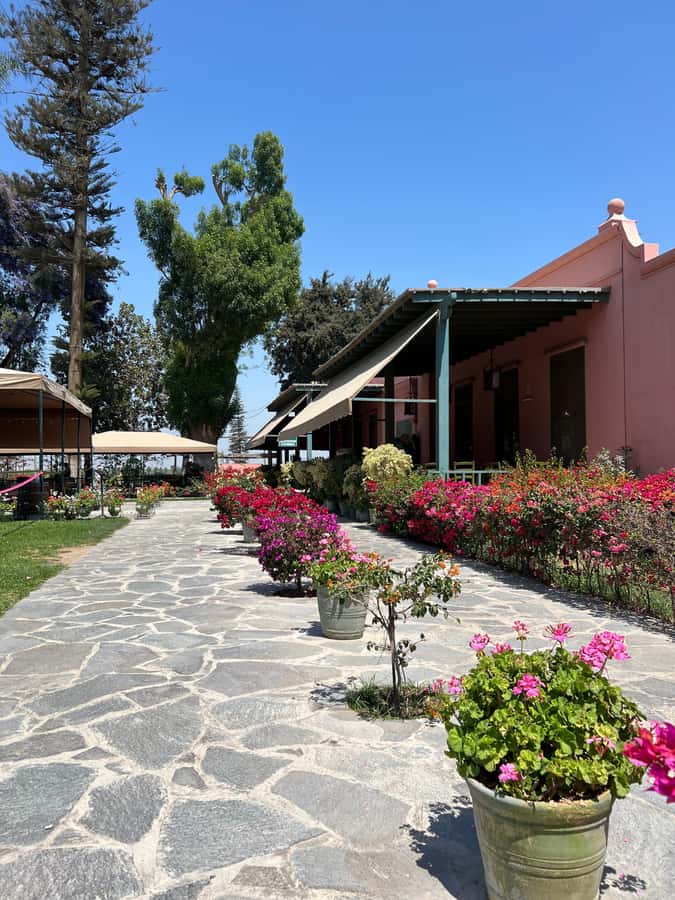
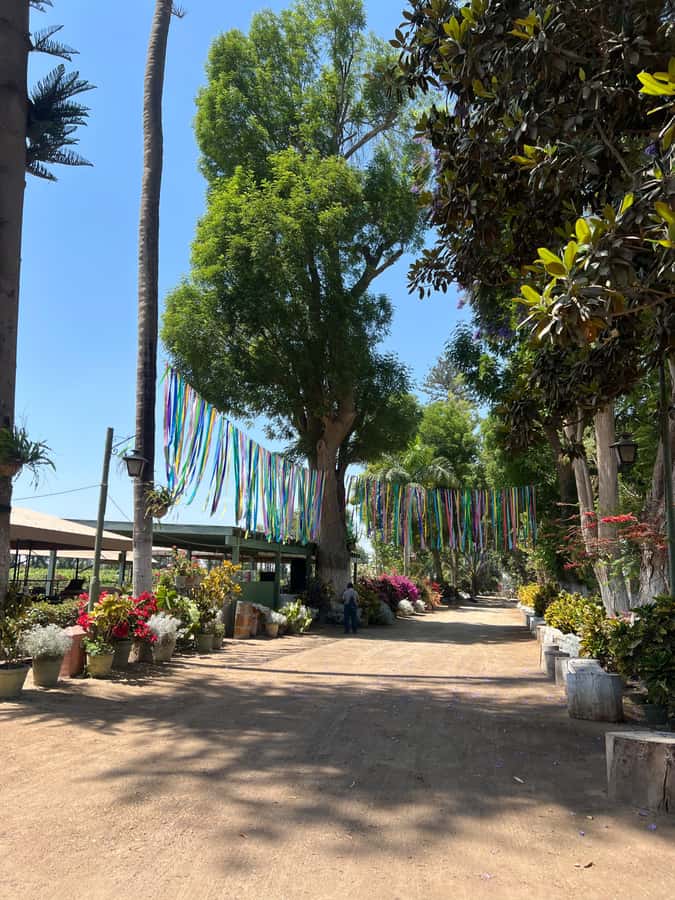
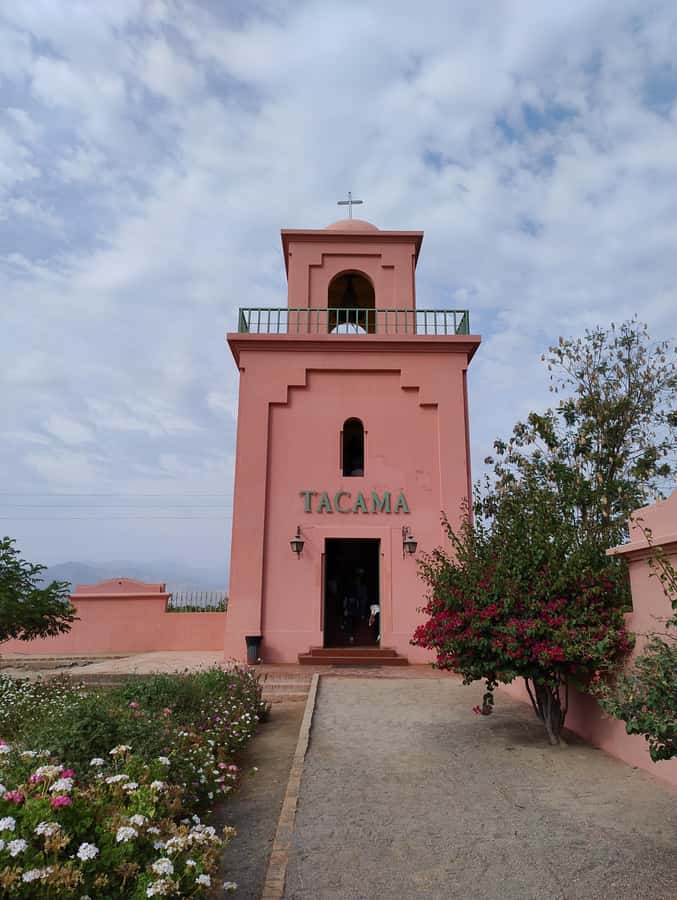
Your first stop is Hacienda Tacama at Av. Camino Real 390, Ica. This is the headline winery on the tour, and it’s known as the oldest winery in South America. Expect a 2-hour experience that mixes sightseeing, guided explanation, and tastings.
What I like about this stop is the way it frames the ingredients and process first, then brings you into the sampling. You’ll see how fine grapes are used to produce wines, pisco, and sparkling wines, and then you’ll have guided tastings of the different products. This is the kind of introduction that helps the later stops make more sense, because you’re learning what to look for (and what questions to ask).
Photo stop time is built in too, so you won’t feel rushed when you want to grab shots of the estate. And because it’s a tour format with a guide, you skip the typical entry-line hassle.
The one cost detail you need to plan for
Tacama entry is not included. The additional cost is 25 soles, and it can be higher on holidays by an extra 5 soles. If you’re budgeting tightly, this is the key number to remember. Your $25 base price covers pickup/return, transport, and the tastings, but it doesn’t fully cover the main winery’s admission.
Monday schedule swap
On Mondays, Hacienda Tacama has a break. The tour replaces the Tacama visit with Hacienda Vista Alegre, which is the same category. If your travel dates land on a Monday, don’t worry—you’ll still get the historic-winery experience style, just at the alternate property.
Lovera Winery (La Vieja Bodega Lovera): a family business since 1867
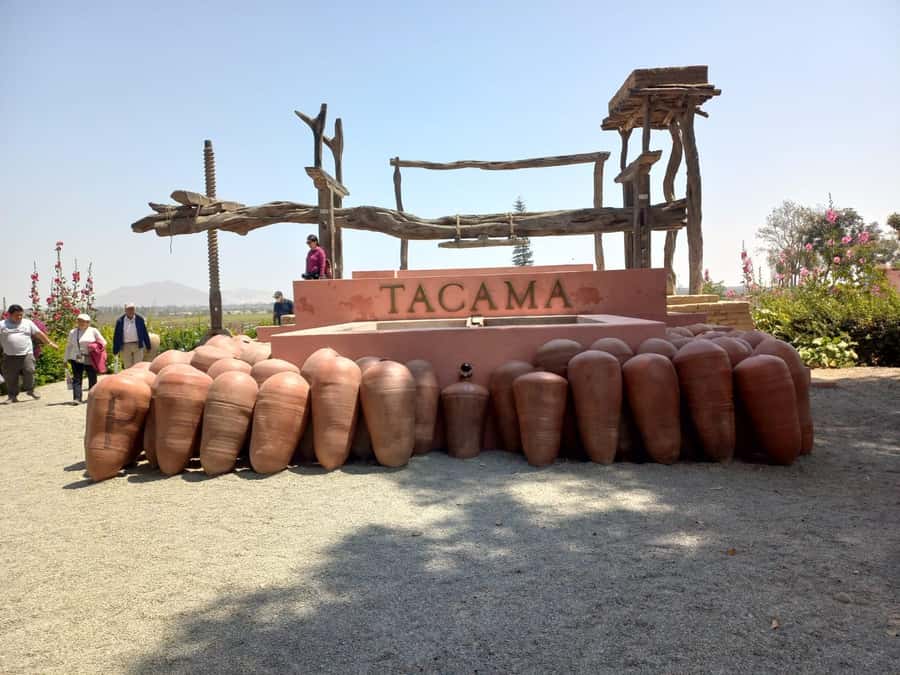
Next you head to Lovera Winery at PE-1S 70, Ica. This stop is centered on La Vieja Bodega Lovera, described as the mother winery of the Lovera de Ica operation. The story here is a big part of the experience: it was founded by Francisco Lovera and Ursula Moreno in 1867, and the winery is currently in its 4th generation.
You’ll spend about 1 hour here. The tour includes guided viewing and a tasting focus, with pisco, wine, and cachinas as the main attraction. That trio is worth paying attention to. If you’ve only tried pisco in the cocktail form, this is where you start understanding it as its own product category—something made with a process and character, not just something that ends up in drinks.
Because it’s family-run, the energy feels more personal than museum-like. The guide keeps it moving, but this stop still gives you enough time to learn the basics and sample without feeling like you’re being rushed through a checklist.
A practical note: this is still part of a group itinerary, so you’ll want to be on time for the regrouping points. The wineries can be spread out enough that late arrivals can slow down the group.
Cutur Pisco at Fundo – Hotel El Arrabal: artisan pisco plus historic cellars
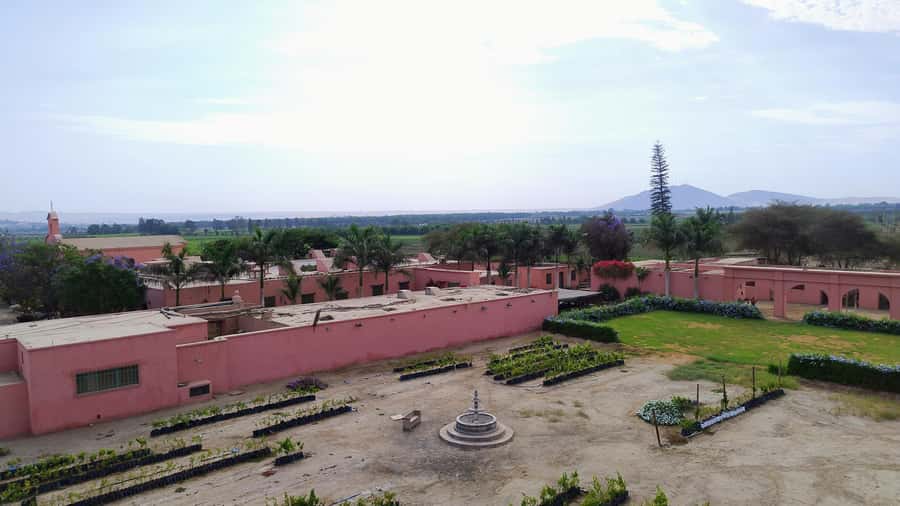
Your final winery stop is at Fundo – Hotel El Arrabal, Ica, where the tour continues the Pisco Route with Cutur Pisco. This is the Tourist Winery Cutur Pisco, described as an artisan winery where tradition in making wine and pisco is preserved through the years.
This part of the tour is about 1 hour for the winery experience, and it’s a nice change of pace from the older “brand-name” feel of the first two stops. You’ll keep exploring how pisco and wine are produced, but with an emphasis on maintaining long-held methods.
Why those Spanish cellars matter
One highlight here is that the winery includes authentic Spanish cellars from the 16th and 17th centuries. Even if you don’t know much about cellar architecture, it’s the kind of detail that makes the tastings more meaningful. You’re not just sampling beverages; you’re tasting the kind of environment where aging and storage traditions took shape.
Lunch time built into the schedule
You also get a break for lunch. The tour gives free time for passengers to have lunch in the vineyard restaurant, and it’s positioned as a chance to eat typical dishes from the Ica region. Lunch itself isn’t included, but the stop is timed so you can eat without scrambling to find a place afterward.
That means you can balance wine and pisco time with a real meal. Just keep in mind that tastings and lunch in the same schedule means the day can feel alcohol-focused, so pace yourself and plan your water breaks.
Tasting pisco, wine, and pisco cream: how to enjoy it without overdoing it
The tour includes pisco and wine tastings. Depending on the day and the products offered, you’ll sample wines and pisco, and the experience also mentions tastings of pisco cream as part of what’s available.
Here’s how to make tastings more enjoyable and less chaotic:
- Take small sips first, so you can compare flavors while your palate is fresh.
- If you’re sensitive to alcohol, don’t “catch up.” The tasting portion is structured, and you’ll likely get more out of it by staying clear-headed.
- Use the guide’s explanations. Even basic guidance on what you’re tasting can help you tell the difference between styles.
Also remember the tour rules: alcohol and drugs are not allowed. That doesn’t limit the tastings that are part of the tour, but it does mean you shouldn’t try to bring your own alcohol into the mix.
One other tip: bring your smartphone with enough battery. There will be photo stops, and tasting notes are easiest to remember if you jot down a quick impression while it’s fresh.
Price and value: is $25 a good deal for this winery lineup?
At about $25 per person for a 5-hour tour, this is priced as an efficient, high-value way to sample Ica’s pisco culture. You’re not paying for just one winery. You’re getting:
- pickup and return from Huacachina or Ica
- van transport between stops
- a live guide in English and Spanish
- pisco and wine tastings included
- guided winery tours at multiple producers
The value question comes down to the extras:
- Lunch is not included.
- Tacama entry is not included (25 soles; plus an extra 5 soles on holidays).
- Drinks are not included.
So, the real “all-in” cost is your base price plus Tacama’s admission plus whatever you choose to order for lunch and drinks.
Even with those added costs, the structure is still good value if you want a guided introduction and you don’t want the hassle of planning multiple vineyard stops on your own. If you’re already planning to eat a proper lunch anyway, the schedule is friendly. If you’re trying to keep spending ultra-low, the Tacama ticket is the big variable.
Comfort, practical tips, and who should think twice
This tour is designed to be accessible for many visitors. It’s listed as wheelchair accessible. That said, it’s not suitable for everyone, including people with epilepsy, visually impaired people, people with recent surgeries, and people with insect allergies.
If you have a condition that affects breathing, movement, or comfort during tastings and winery walks, take that seriously before booking. Also, consider the insect allergy note carefully, even though repellent is suggested. If you know you react badly, this isn’t the best risk.
What to bring is straightforward and genuinely useful:
- Comfortable shoes
- Camera
- Biodegradable sunscreen and insect repellent
- Charged smartphone
- Cash (for lunch and the Tacama ticket)
- Comfortable clothes for time outdoors
And keep in mind: the tour is group-based. You’ll get better results if you arrive on time for pickup and follow the guide’s regrouping signals.
Who this tour suits best
This tour is a strong match if you:
- want a fast, guided taste of Ica’s pisco culture in about 5 hours
- like historical production settings, especially at Hacienda Tacama and the Spanish cellars stop
- enjoy family-run wineries and want to learn the basics, not just take photos
- prefer an English/Spanish guide so you can actually understand what you’re tasting
It’s less ideal if you:
- want a long, unhurried winery day with no group pacing
- dislike added admission fees (Tacama entry is extra)
- need a fully private experience or lots of free time outside the itinerary
Should you book this Ica pisco tour?
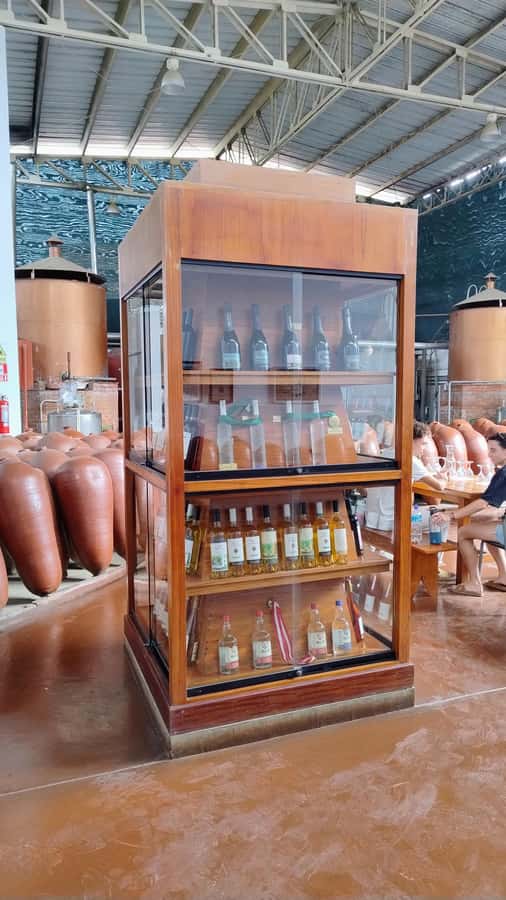
Book it if you want a guided, efficient way to experience Tacama, Lovera, and Cutur Pisco without complicated planning. The included tastings, bilingual guide, and built-in lunch timing make it a practical choice for short stays in Ica.
Skip or reconsider if your budget can’t flex for Tacama’s admission and lunch, or if your health needs make winery walks, tastings, or the group format a poor fit.
If you’re on the fence, here’s the simplest way to decide: if pisco and wine tastings are the main reason you came to Ica, this gives you three meaningful stops in one smooth tour loop.