REVIEW · BOLOGNA
Bologna: Olive Grove and Vineyard Tour with Product Tastings
Book on GetYourGuide →Operated by Palazzo di Varignana s.r.l · Bookable on GetYourGuide
That first sip hits before you even leave the farm.
This Bologna-area tour turns olive oil and wine tasting into a short, sensory walk through working fields and regenerated historic farm buildings. I love that it pairs the tasting with a real production story, not just samples. I also like the scale: the estate covers 700 hectares, with olive groves and vineyards you can actually see and discuss. One consideration: it’s a 1–1.5 hour experience, so go with the mindset of focused tastings and short garden/cellar time, not an all-day country wander.
You might also leave with better instincts for what good oil and wine taste like, because guides (often including Alex, Julia, and Giulia) explain the small details clearly. The food side isn’t an afterthought either: you’re served local produce alongside the tastings, and a few simple pairings can be a surprise in the best way. The one drawback to keep in mind is that the activity isn’t suitable for children under 18 or for pregnant women.
In This Review
- Key things to know before you go
- Why this Bologna olive grove tour feels different from a typical wine stop
- Regenerated buildings and a working farm you can picture
- What happens on the tour: gardens, cellar time, and a table of tastings
- 1) Welcome at the estate and a guided walkthrough
- 2) Stroll through the working areas (vegetable gardens and orchard time)
- 3) Saffron: the rare crop moment
- 4) Production story and tasting setup
- 5) The tasting: olive oils, wines, and local produce
- 6) A terrace moment (if your timing allows)
- Olive oil tasting that actually teaches you what to notice
- Wine tasting in Bologna’s countryside: not just what, but how
- The estate’s product lineup: olive oil, wine, and extra surprises
- Price and value for a $20 tour in a 1–1.5 hour slot
- Practicalities: timing, getting there, and who should go
- Who this tour suits best (and who it won’t)
- Should you book? My call
- FAQ
- How long is the Bologna olive grove and vineyard tour?
- Where is the meeting point?
- What tastings are included?
- Is the tour guided in English?
- Is this tour private or in a group?
- What can I learn during the tour?
- Who is the tour not suitable for?
- Is there free cancellation and flexible booking?
Key things to know before you go
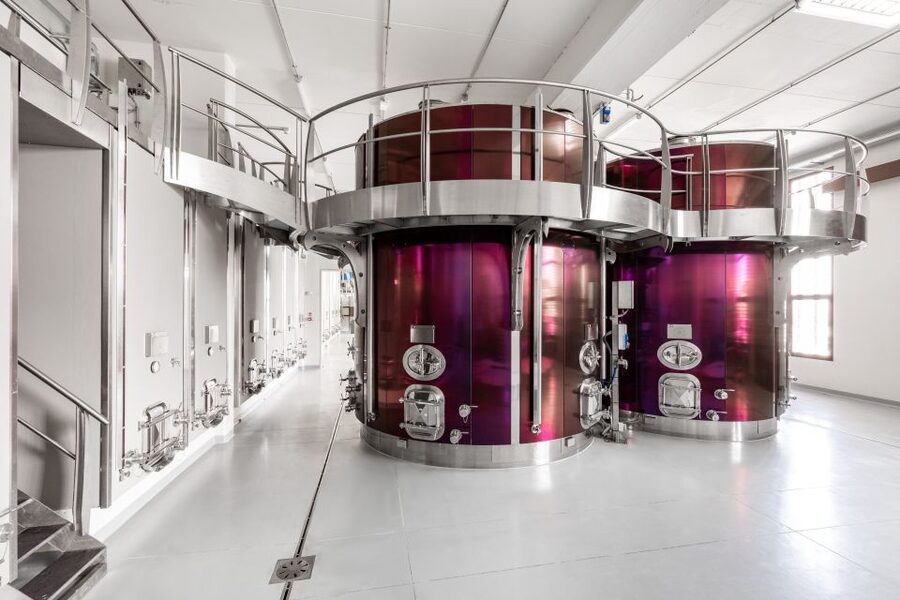
- Varignana, near Bologna: farm experience tied to local production, not a city-only tasting room
- 700 hectares total: 265 hectares of olive trees and 57 hectares of vineyards
- Tastings are option-based: your aperitif, number of wines, and oil pours depend on what you book
- You’ll meet the estate’s product lineup: extra virgin olive oil, jams, juices, saffron pistils, goji berries, and herb-flavored salts
- Short and guided: 1 to 1.5 hours with an English or Italian live guide
- Guides make it practical: people mention hosts who walk you through how to taste and what to look for
Why this Bologna olive grove tour feels different from a typical wine stop
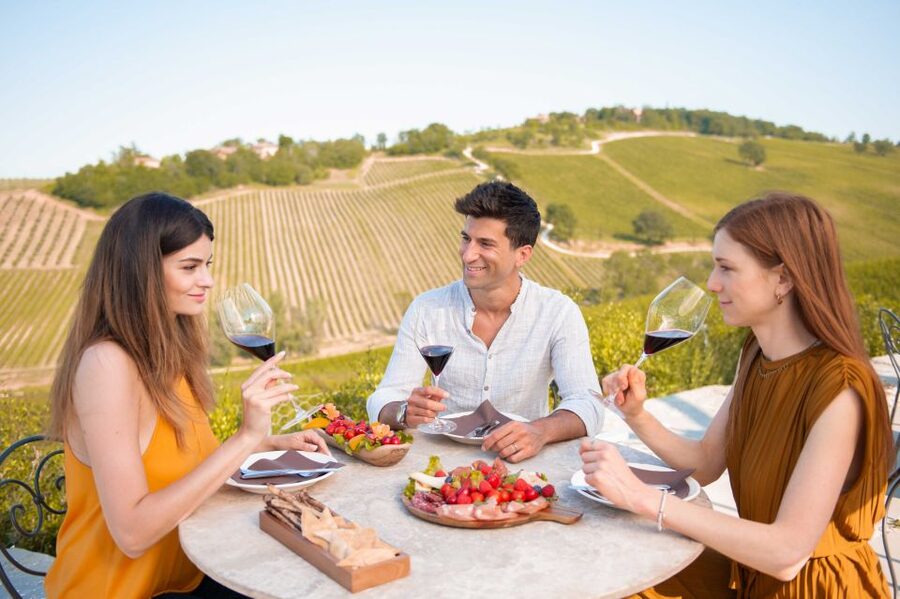
Bologna is famous for food, but it can also tempt you into doing only the city hits. This is the counter-program. You get out to Varignana and spend your time where the inputs are grown and processed. The mood is calmer. The pace is simple. And because it’s not a massive commercial operation, you’re more likely to get answers to the questions you actually have.
The best part for me is how tasting becomes a skill. You’re not just handed pours. You’re taught what to notice and why it matters. And the second best part is the pairing with local products. When olive oil and wine show up alongside cheeses, meats, and estate items, the flavors make more sense fast.
You can also read our reviews of more tours and experiences in Bologna.
Regenerated buildings and a working farm you can picture
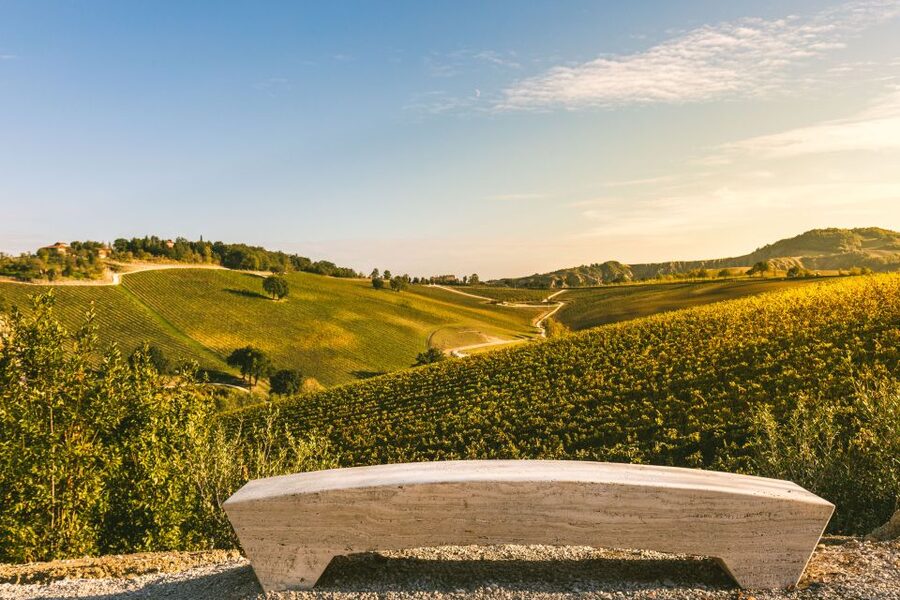
This tour centers on a production estate that’s tied to the recovery and regeneration of historic buildings and farmhouses in the area. That matters because it gives the tasting context. Instead of treating wine and oil as items that appear in bottles, the experience frames them as outputs from land, maintenance, and time.
You’ll also hear how the farm blends tradition with modern process. The idea is that technology isn’t there to replace the seasons. It guides production, while the underlying rhythm stays rooted in the landscape and the harvest. You don’t need to be a farming expert to get the point. You just need to see enough to connect what you taste with how it’s made.
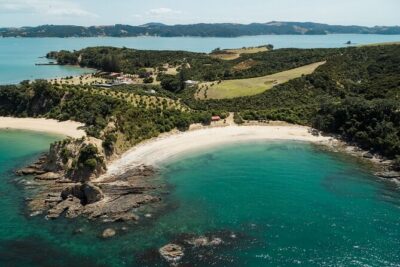
And the estate size helps you grasp the scale. The grounds run to over 700 hectares with 265 hectares of olive trees and 57 hectares of vineyards. That’s why the tour feels substantial even when it’s short.
What happens on the tour: gardens, cellar time, and a table of tastings
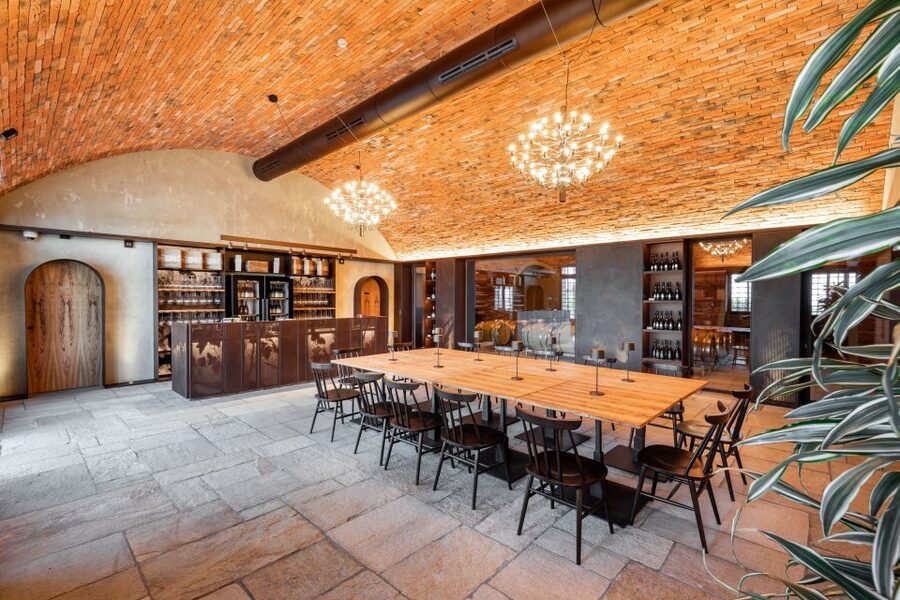
Your route depends a bit on the exact option you pick, but the structure is consistent. You’ll start at a designated meeting point near the estate, then get a guided flow through the farm and production areas. The total time is 1 to 1.5 hours, so think of it as a tight itinerary that fits well between Bologna sights.
1) Welcome at the estate and a guided walkthrough
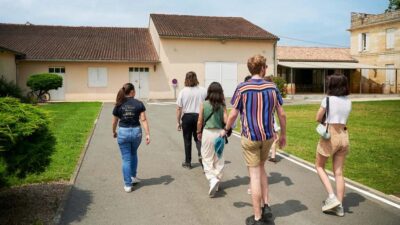
Once you arrive, expect a greeting and a prepared setup for the tastings later. Then your guide takes you through what the estate produces and why it does things the way it does. People mention how friendly the hosts are and how smoothly the experience starts, which matters when you’re paying for a short slot and don’t want to lose time.
2) Stroll through the working areas (vegetable gardens and orchard time)
A big part of the magic is the garden element. You’ll stroll through the vegetable gardens and an orchard, and you’ll hear about the estate’s growing philosophy. Even if you’re not a plant person, this is where the flavors start to click, because it shows you how many different products come from the same land.
3) Saffron: the rare crop moment
One of the most memorable “wait, that’s here?” stops is the saffron area. The estate grows saffron with saffron pistils mentioned as part of the product range. If you’ve ever paid for saffron in a grocery store, you’ll understand why this matters: you’re seeing the source tied to a real farm operation, not a spice abstraction.
4) Production story and tasting setup
After the garden walk, the focus shifts toward production: how olive oil and wine come together from careful steps across the season. The experience is designed as a sensory learning session, so don’t plan to speed-run it. Take the time to listen, then taste with intent.
5) The tasting: olive oils, wines, and local produce
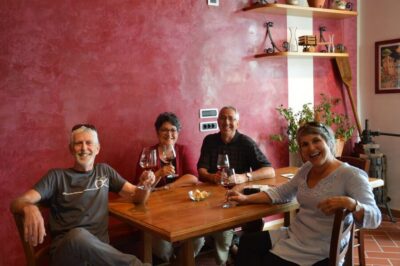
Here’s what usually drives the value: you’ll taste extra virgin olive oil and wines with local produce. Exactly what you receive depends on your option. Some experiences include multiple wines (including sparkling) and multiple olive oils, paired with snacks like meats and cheeses. If you pick an olive oil-focused option, you’ll typically get more emphasis on oil tasting and how to evaluate it.
A small but fun detail: at least one taster recommends trying estate olive oil in playful pairings like with fruit or even ice cream, if that’s part of your option. It sounds odd until you taste it.
6) A terrace moment (if your timing allows)
You might be able to linger for a quiet moment outdoors after tasting. One person mentioned staying to watch the sunset from the terrace. Even if you don’t plan for sunset, it’s a good reminder: the setting encourages you to slow down for a minute.
Olive oil tasting that actually teaches you what to notice
If you’ve ever tasted olive oil and thought, This all tastes like olive to me, you’re not alone. The difference here is that the tasting is set up as a guided learning session. People mention being taught the secrets to finding a good product and learning how to taste olive oil and wine with more precision.
So what should you do during your pours?
- Smell first, not last. You’ll pick up aromas that guide your expectations.
- Taste in small amounts. You’re evaluating balance and character, not filling a glass.
- Use the guide’s cues. When someone explains the little details, follow them. That’s where the experience turns from random sampling into skill-building.
You’ll likely taste multiple extra virgin oils—the estate is known for offering several types (the product lineup includes 7 types of extra virgin oil). That variety makes the tasting easier because you can compare instead of guessing.
Wine tasting in Bologna’s countryside: not just what, but how
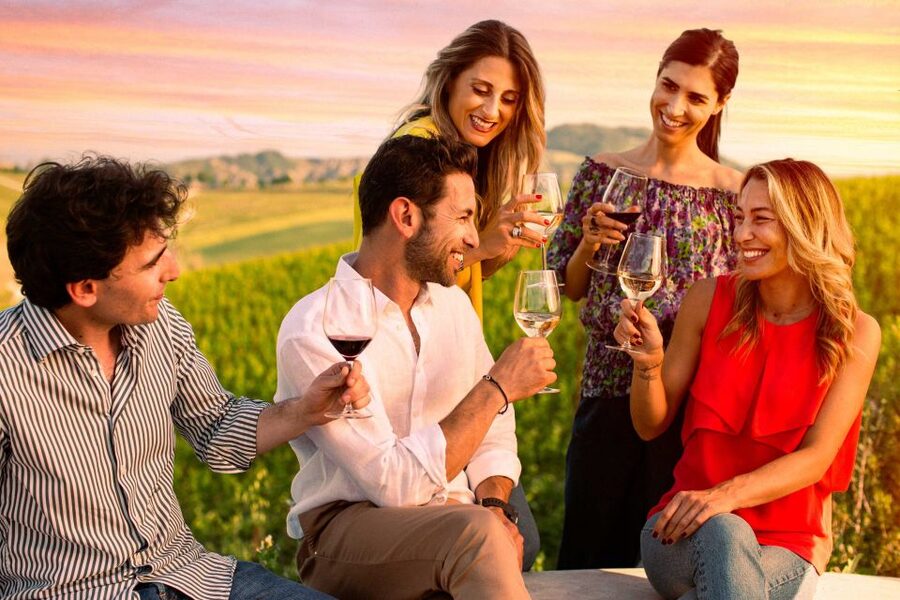
The wine portion is presented as a guided look into Bologna wines, with an explanation of the production steps behind what’s in your glass. One highlight from a guide-led experience was learning about sparkling wine production, which is useful because it demystifies why certain wines taste the way they do.
For you, the practical takeaway is simple: listen to the story once, then taste again with that story in mind. Sparkling styles, for example, can feel like a separate universe unless someone connects process to flavor.
If you’re someone who likes structure—like knowing what you’re about to taste and why—this kind of guided wine tasting is a good match. If you just want a casual drink with no questions, it can feel a bit more “lesson” than “party.” Choose based on your mood.
The estate’s product lineup: olive oil, wine, and extra surprises
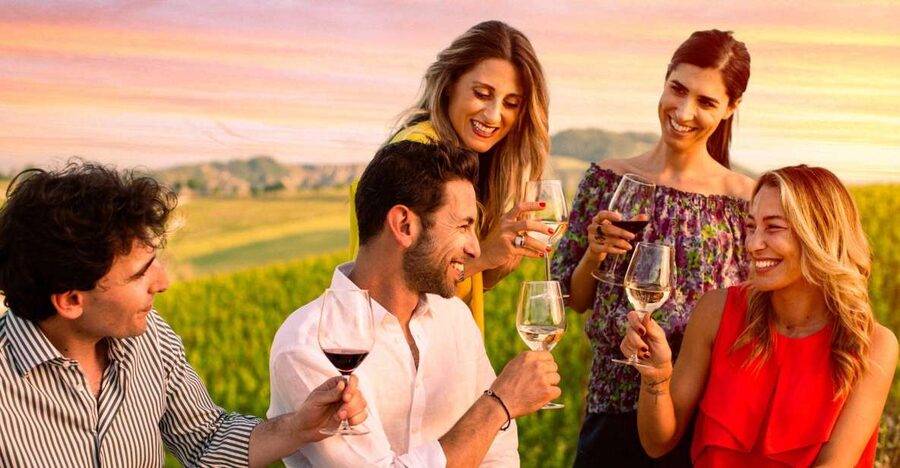
This isn’t limited to bottles. The property produces a wide assortment, so the tasting can extend beyond wine and oil. Based on the estate’s offerings, you might encounter:
- Jams and juices, tied to fruit grown or processed on site
- Herb-flavored salts, including salts flavored with medicinal herbs
- Goji berries, highlighted as part of the product range
- Saffron pistils, rare and high-value
- Multiple types of extra virgin olive oil
Even when you’re only tasting a subset, seeing the variety gives you a better understanding of how these farms survive and grow. It also makes the tasting feel more like sampling a local pantry than simply drinking.
Price and value for a $20 tour in a 1–1.5 hour slot
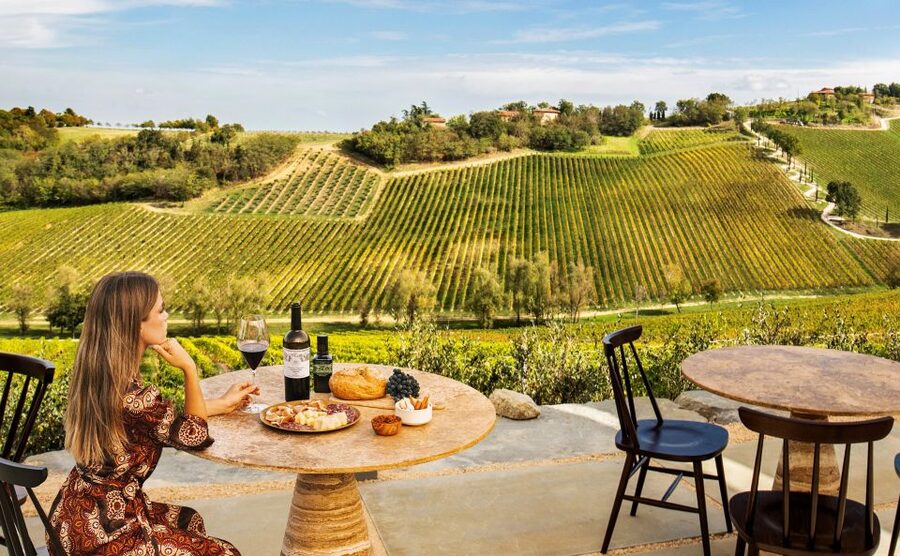
At $20 per person for 1 to 1.5 hours, the value is in the combination: guided time + tasting + local food pairings. Many longer tours charge more without necessarily adding that much learning or that many distinct products.
If you want the best value, don’t think of it as a one-note “wine tour.” Think of it as a compact experience that covers:
- olive oil tasting education
- wine tasting guidance
- local snacks to connect flavors
- a farm walk that makes the whole thing feel real
And if you can, choose the option that includes more of what you care about. People strongly recommend taking the option with olive oil when possible, because it tends to produce the most memorable payoff.
Practicalities: timing, getting there, and who should go
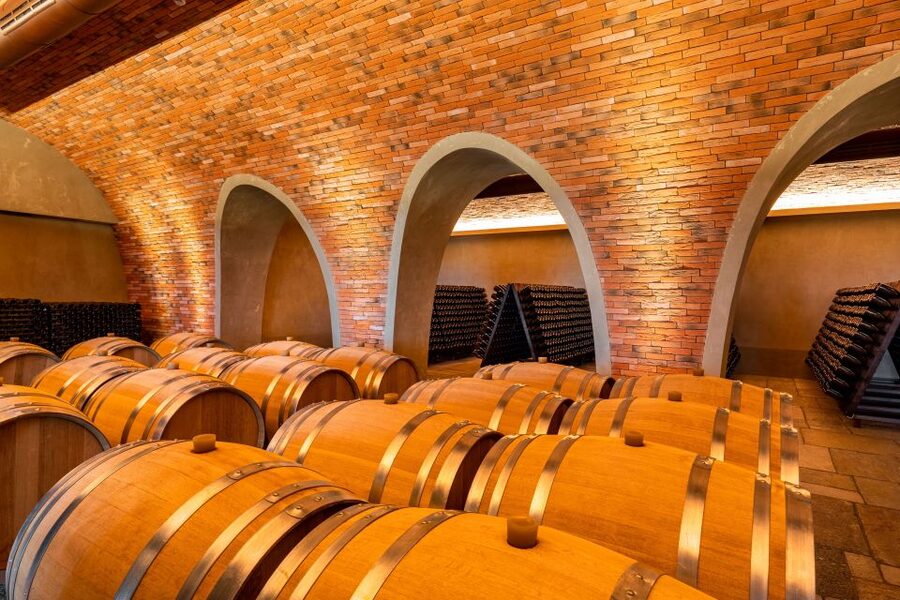
This tour isn’t a click-and-walk-from-central-Bologna situation. Varignana is near Bologna, but you’ll still need a plan to reach the meeting point. One host reportedly arranged a taxi to the train station for a guest after the tour, which hints at how practical local transport can be. I’d plan on using a taxi or rideshare rather than relying on a long guess.
The tour includes a live guide in English and Italian, and it can be private or small groups depending on what you book. If you want more questions and more interaction, this is the style of tour where that benefits you.
One more practical note: it’s not suitable for children under 18 and not suitable for pregnant women.
Who this tour suits best (and who it won’t)
Go for it if you:
- want a short, high-impact food and drink experience
- care about learning how to taste olive oil (not just drink it)
- like pairing-driven tastings with local produce
- enjoy farm visits that include gardens and crop stories, not only a cellar room
You might skip it if:
- you’re looking for a long countryside hike
- you want a purely self-guided visit
- you need kid-friendly or pregnancy-friendly accommodations (since it’s not suitable for those groups)
Should you book? My call
Book it if you want a focused Bologna food experience with hands-on tastings and a clear sense of how the products are made. The best reason to say yes is the structure: in a short window, you get the farm walk plus guided olive oil and wine tastings paired with local produce. At $20, that’s hard to beat for a guided agricultural stop near Bologna.
Skip it only if your ideal day is a long, independent countryside ramble or if you don’t want any educational component to your tasting.
If you like learning through taste, this is exactly the kind of trip that makes you leave with a better palate—and a clearer picture of how Bologna’s flavors start on the ground.
FAQ
How long is the Bologna olive grove and vineyard tour?
It lasts 1 to 1.5 hours, depending on the starting time and the option you choose.
Where is the meeting point?
The meeting point may vary depending on the option booked. You’ll want to check the exact location for your selected tour.
What tastings are included?
You’ll have tasting elements that may include an aperitif, wine tasting, and extra virgin olive oil tasting. The exact tastings included depend on the option you select.
Is the tour guided in English?
Yes. The tour has a live guide in English and Italian.
Is this tour private or in a group?
It offers private or small groups, depending on what you book.
What can I learn during the tour?
You can expect a guided explanation of the estate’s olive oil and wine production, plus a sensory walk through the farm areas, with time to taste estate products.
Who is the tour not suitable for?
The activity is not suitable for children under 18 and not suitable for pregnant women.
Is there free cancellation and flexible booking?
The tour offers free cancellation up to 24 hours in advance for a full refund, and it may offer reserve now & pay later to keep plans flexible.