REVIEW · VERONA
Valpolicella Wine Experience at Montresor winery
Book on Viator →Operated by Ways · Bookable on Viator
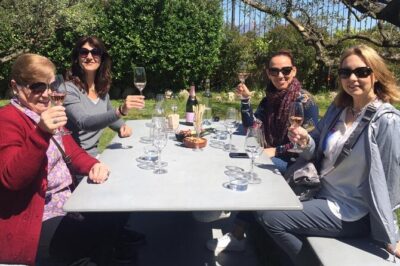
Verona and wine in 90 minutes? A great trade. This Montresor experience pairs a wine museum walk with a hands-on sensory aroma room, then lets you choose a tasting path based on Valpolicella or Amarone. I like the way the tour teaches wine step-by-step, and I love the food pairing that keeps the sips grounded. One thing to consider: a few people felt the pours were on the small side and the bottles they could buy afterward were pricey.
You start at the Cantine Giacomo Montresor site in central Verona, where a host (often named Leonardo, Emanuel/Emanuele, or Sylvia on past tours) guides you through the winery’s evolution and shows how the cellar changes the wine. After that, you get to play detective with aromas, matching notes like black cherry, cocoa, licorice, and floral essences before you taste. If you’re short on time, the range of start times makes it easy to fit in without turning your whole day into a waiting game.
In This Review
- Quick hits before you go
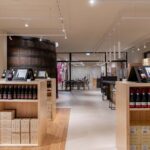
- Montresor Winery Museum: where Valpolicella and Amarone make sense
- The Sensory Room aroma game: it’s more useful than it sounds
- Barrique room and cellar walk: how time changes what’s in your glass
- Two tasting paths in Verona: Valpolicella flight or Amarone vertical
- The classic Valpolicella tasting (5 glasses)
- The Amarone vertical tasting (5 expressions of Amarone DOCG)
- Food pairing: soppressa, cheese, and why it matters
- Price and value: what $35 really buys (and what to watch)
- Getting there in Verona: taxi, bus, and parking options
- Who should book this Montresor wine experience?
- Should you book Montresor for Valpolicella or Amarone?
- FAQ
- What tasting options are offered at Montresor?
- How long does the tour last?
- Where does the tour start and end?
- What’s included with the tasting?
- Is the Sensory Room part of the experience?
- Can I get there without a car?
- What’s the minimum drinking age?
- What’s the cancellation policy?
Quick hits before you go
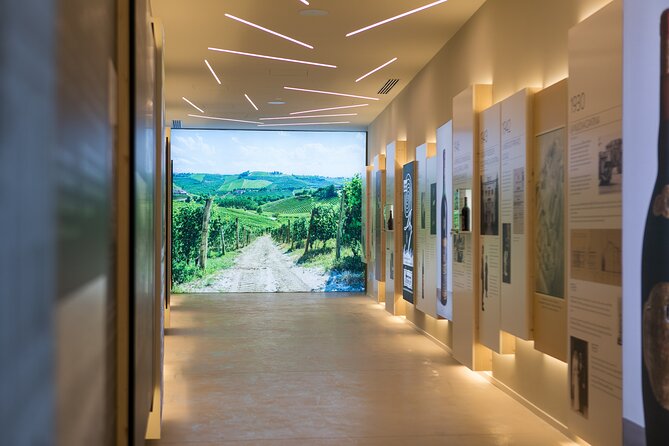
- Virtual farmer museum story: see how vineyard and cellar practices evolved around Verona
- Sensory room aroma game: train your nose with recognizable notes before tasting
- Barrique room look at structure: understand how maturation shapes complexity
- Two tasting options: classic Valpolicella flight or an Amarone DOCG vertical
- Local bites included: bread, olive oil, soppressa salami, and cheese
- Small group size: capped at 20 travelers for a more relaxed pace
Montresor Winery Museum: where Valpolicella and Amarone make sense
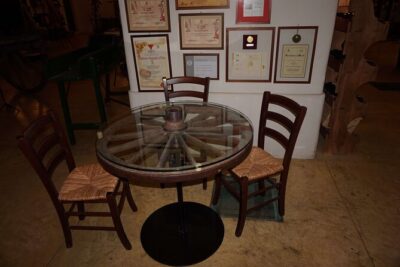
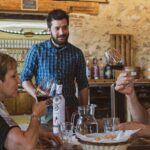
The best part of a wine tour is when it stops being just drinking and starts becoming understanding. At Cantine Giacomo Montresor, you begin at the Winery Museum in Verona, and you get a clear sense of how this place ties to the region. There’s even a “virtual farmer,” which is a smart way to explain how vineyard life and cellar choices interact. You don’t need to be a wine nerd to follow along, but if you are one, you’ll appreciate how the story is structured.
Expect the tour to move at a friendly tempo: it’s not a lecture hall. You’ll learn about the winery’s roots and its connection to Verona, then shift from the big-picture story to the practical side of winemaking. This is one of those experiences where you’ll feel like you’re getting context fast, then you get rewarded with tasting at the end.
Why I think this works for you: Valpolicella and Amarone can sound similar on a menu, but they’re built differently and they age differently. Starting with the museum section helps you notice those differences when you finally get your glass.
You can also read our reviews of more tours and experiences in Verona.
The Sensory Room aroma game: it’s more useful than it sounds
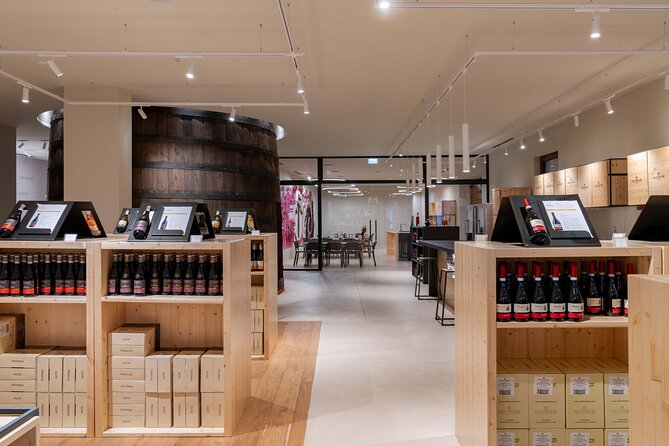
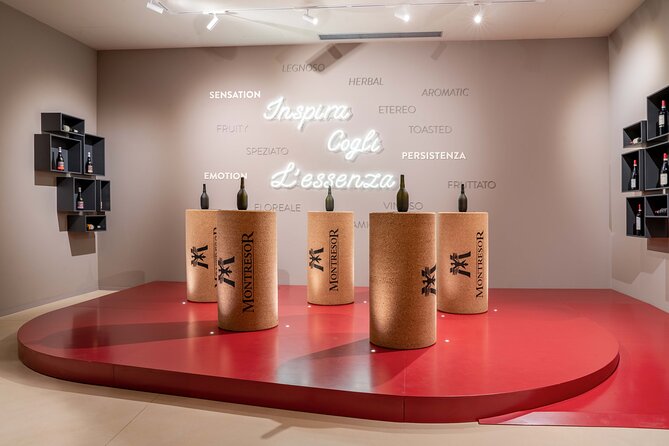
Then comes the Sensory Room, and it’s honestly the moment people remember. You test your nose with an interactive aroma game, identifying common wine notes like black cherry, cocoa, licorice, and floral essences. It’s not about getting every answer right. It’s about giving your brain a checklist so your tasting isn’t random.
If you’ve ever taken a sip and thought, I like it, but I can’t name why, this part fixes that. You’ll start picking up patterns—fruit, spice, cocoa-like tones, and darker hints—before you match them to what’s in your glass.
Practical tip: pay attention during the aroma game. Even if you’re new to wine, this is the fastest way to learn what to look for without needing years of tasting practice.
Barrique room and cellar walk: how time changes what’s in your glass
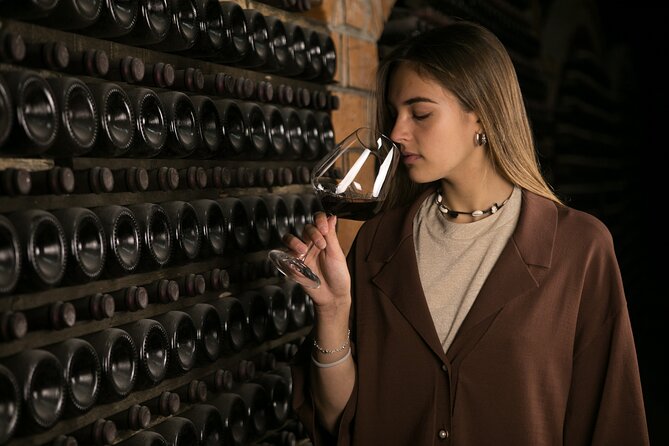
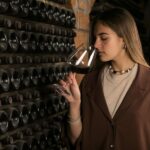
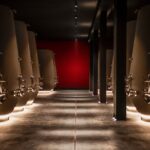
After the museum, you move into the barrique room and then through the cellar spaces. This section is where the tour explains how each wine develops structure, complexity, and character as it matures. Barriques are often mentioned in wine writing, but the on-site explanation makes it feel less like jargon and more like cause-and-effect.
You’ll see the logic behind why some wines taste layered, while others feel more straightforward. The tour links that to maturation choices, so when you taste later, you’re not just comparing flavors—you’re comparing the way those flavors were built and aged.
What to watch for: when you taste, notice how the wine changes from first sip to mid-palate to finish. That’s where the cellar work becomes obvious. If you like deeper, more textured reds, this part gives you a framework to appreciate Amarone especially.
Two tasting paths in Verona: Valpolicella flight or Amarone vertical
Here’s the key decision, and it’s great that you get options. You pick between two tasting experiences: one focused on Valpolicella and another focused on Amarone.
The classic Valpolicella tasting (5 glasses)
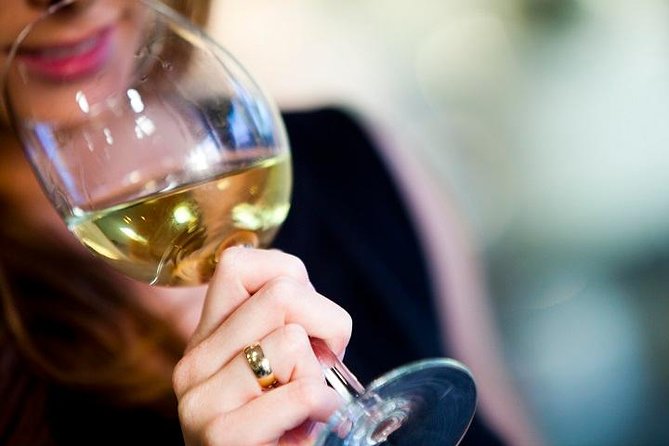
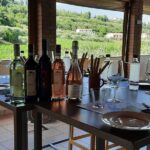
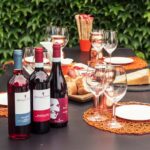
If you choose Valpolicella, you’ll taste a set of five Valpolicella wines. Depending on the selected flight, the lineup can include styles such as Valpolicella Classico and Valpolicella Ripasso, and the experience may also pair the tasting theme with a Lake Garda white selection (described as a separate tasting option in the experience details).
What you’ll likely notice: Valpolicella’s fruit-led character, plus how different production methods change the texture and intensity. It’s an excellent choice if you want something approachable but still interesting—especially if you plan to keep exploring Verona afterward and don’t want your afternoon to get too heavy.
The Amarone vertical tasting (5 expressions of Amarone DOCG)
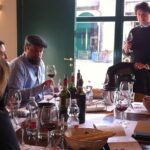
If you choose Amarone, you go for a more exclusive-feeling experience: a vertical tasting with five expressions of Amarone DOCG. The tour is designed to show how Amarone’s body, intensity, and complexity evolve over time—sip by sip—so you can taste aging in a way that feels practical, not theoretical.
This option also includes pairing with local cured meats and cheese, which is a big deal. Amarone can be bold, and the right bite makes it easier to find balance instead of just feeling sweetness or weight. If you’re a red wine person who likes power, depth, and long finishes, this is the path to pick.
Quick guidance for choosing:
- Pick Valpolicella if you want a smoother, more versatile red with room for lunch, wandering, and photos.
- Pick Amarone if you want to understand aging and how intensity shifts over time.
Food pairing: soppressa, cheese, and why it matters
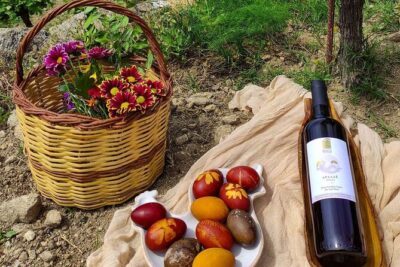
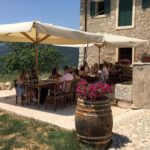
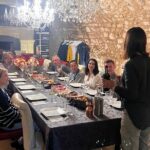
Your tasting doesn’t happen in a vacuum. You’ll get snacks that include bread, olive oil, soppressa salami, and cheese. For the Amarone-focused option, the pairing centers on local cured meats and cheese alongside the glasses.
Why that matters: pairing is how you learn what the wine is doing. Salt, fat, and spice from cured meats can soften perceived harshness and help dark fruit notes feel more rounded. Cheese adds creaminess and a sense of structure. Even if you’re brand new to wine, you’ll likely find that the food makes the flavors clearer.
If you’re hoping for a big meal, manage expectations. This is a tasting experience with bites, not a full lunch. Still, the included snacks are enough to feel like the tasting is part of a real local stop, not just a glass-and-stand.
Price and value: what $35 really buys (and what to watch)
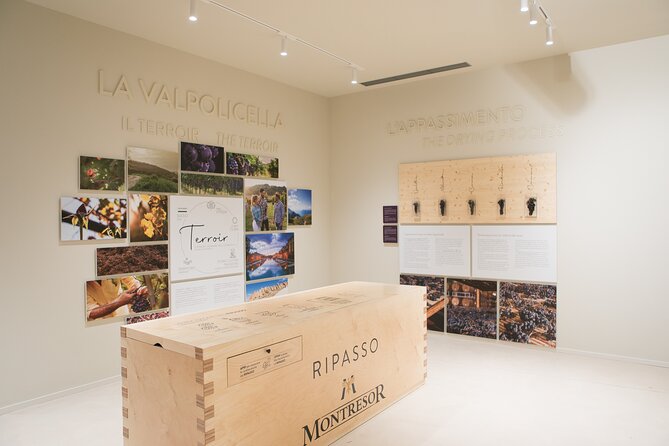
The price is $35 per person, and the experience runs about 1 hour 30 minutes. For that time, you’re getting a full museum visit (including the sensory aroma room), a cellar/barrique segment, a guided host, and tasting with multiple glasses plus local bites. That’s solid value for a wine stop in a high-demand city like Verona.
But here’s the honest consideration from the experience format: if you fall in love with the wine, bottle-buying can sting. Some people felt the pours were small and found the bottle prices after the tasting to be high. That doesn’t make the tour bad—it just means you should go in with a plan.
My practical advice: decide before you taste whether you’ll buy a bottle. If you’re a collector, great—bring money. If you’re just tasting for memories, you’ll still leave happy because you’re paying for knowledge and the experience itself, not just liquid.
Getting there in Verona: taxi, bus, and parking options
This is set up to be convenient even if you’re not renting a car. The meeting point is Cantine Giacomo Montresor, Via Ca’ di Cozzi, 16, 37124 Verona VR, Italy, and the tour ends back at the same place.
You can reach the winery by taxi in about 15 minutes from Arena. If you’re using public transport, take bus 21 or 93 from Castelvecchio Castle (opposite the castle entrance). Parking is available at the winery too.
One reason this matters: wine tours are short. If you waste time getting there, your whole day suffers. This location and transport guidance help you keep the day flexible.
Also, the group max is 20 travelers, which usually means the pacing stays smooth and you’re not stuck watching from the back.
Who should book this Montresor wine experience?
This tour is a good fit for wine lovers of all levels. You get education without being judged for not knowing terms. The aroma game alone helps beginners feel confident, while the barrique and cellar explanations give more advanced tasters something to grab onto.
Choose this experience if you want:
- a structured wine education in a compact time slot
- a sensory activity (the aroma game) that makes tasting easier
- a choice between casual-friendly Valpolicella and a deeper Amarone vertical
You might want to think twice if:
- you’re expecting a long, full-day winery tour
- you’re sensitive to heavier pours and stronger reds (Amarone is intense by nature)
- you need fully accessible routes—some parts may be hard for reduced mobility, so it’s smart to ask before you go
Should you book Montresor for Valpolicella or Amarone?
Yes, I think it’s worth it if you like your wine experiences organized and instructive. For $35 and about 90 minutes, you get a museum story, cellar context, an interactive sensory room, and a tasting choice that can match your mood: Valpolicella for approachable variety or Amarone for time-based depth.
If you’re the type who buys bottles at the end, go in aware that prices may be high. If you’re the type who just wants to taste well and learn something real, you’ll likely leave happy—especially if you pick the Amarone option and enjoy the food pairing.
FAQ
What tasting options are offered at Montresor?
You can choose between a Valpolicella tasting option (five Valpolicella wines) or an Amarone option. The Amarone experience is a vertical tasting with five expressions of Amarone DOCG.
How long does the tour last?
It’s about 1 hour 30 minutes.
Where does the tour start and end?
It starts at Cantine Giacomo Montresor, Via Ca’ di Cozzi, 16, 37124 Verona VR, Italy, and it ends back at the same meeting point.
What’s included with the tasting?
The experience includes the Wine Museum visit (including the Sensory Room), a wine specialist host, local snacks (bread, olive oil, soppressa salami, and cheese), and a discount on bottle purchases. The tasting flights are included for the selected option.
Is the Sensory Room part of the experience?
Yes. The museum visit includes a Sensory Room where you can participate in an interactive aroma game.
Can I get there without a car?
Yes. You can take a taxi (about 15 minutes from Arena). By bus, use bus 21 or 93 from Castelvecchio Castle (opposite the castle entrance). Parking is also available at the winery.
What’s the minimum drinking age?
The minimum drinking age is 18.
What’s the cancellation policy?
Cancellation is free up to 24 hours before the experience start time for a full refund. If you cancel less than 24 hours before, the amount paid isn’t refunded.