REVIEW · MARGAUX
Margaux – Discovery tour of the vineyard with a tasting of 4 wines
Book on GetYourGuide →Operated by Château Haut-Breton Larigaudière · Bookable on GetYourGuide
One hour can still teach you a lot, especially about wine. I love the small-group, guided pace and the way you get four wines tasted with real explanations, not just a pour-and-go. The main thing to consider is that it is not for kids under 18, so plan it as an adults-only wine stop.
You’ll start at the Château boutique and spend time with the De Schepper family’s working estate—from the traditional vat room to the barrel cellar—then finish with a guided tasting where a specialist talks you through aromas and winemaking choices. If you’re expecting a long walk through every corner of the vineyard, adjust your expectations; this is short, focused, and designed to fit into a tight day.
In This Review
- Key highlights worth planning around
- Entering Château Haut-Breton Larigaudière’s Margaux world in 60 minutes
- The guided estate walk: De Schepper family craft, up close
- Vat room: where the process gets real
- Barrel cellar: aging that shapes what you taste
- From harvest to bottling: the “whole chain” explained
- The four-wine tasting: how to taste with the guide’s rhythm
- What to do while you taste
- Why the guide’s commentary is a big deal
- The small-group advantage during tasting
- Margaux appellation context: turning region talk into something you can taste
- Price and value: $17 for a cellar visit plus four wines
- The practical stuff that affects your experience
- Who should book this Margaux discovery tour?
- Should you book it? My decision guide
- FAQ
- FAQ
- How long is the Margaux discovery tour with tastings?
- Where does the tour start?
- What’s included in the price?
- How many wines are tasted?
- Are children allowed?
- Is the tour wheelchair accessible?
- What languages are the guides?
- What does the group size look like?
Key highlights worth planning around
- Small group (up to 10) means you’ll get individual attention during the tasting
- Vat room + barrel cellar show you where winemaking happens, not just the final bottle
- Four wine tasting with guided commentary helps you taste with a purpose
- English and French live guide keeps the experience accessible and easy to follow
- Margaux appellation context ties what you taste to the bigger region
Entering Château Haut-Breton Larigaudière’s Margaux world in 60 minutes
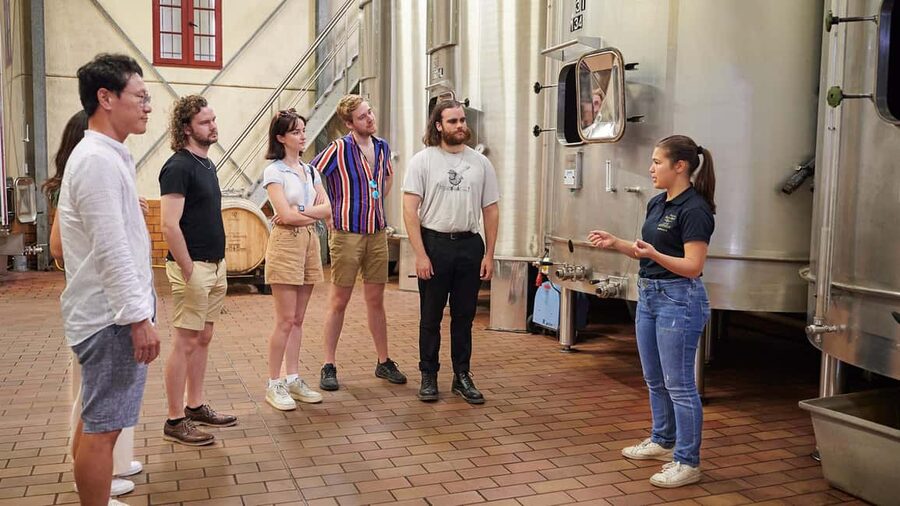
This is the kind of wine experience that works when you want something authentic but don’t have time for a half-day tour. You meet at the Château shop, then settle into a guided flow that mixes estate viewing with tasting. At $17 for a 1-hour visit, the value comes from getting both sides of the story: what happens in the cellar and what it tastes like in the glass.
The duration matters. A quick tour can feel rushed in the wrong hands. Here, the focus is tight—enough time to understand the process stages, then switch gears to tasting so it all makes sense. You’ll spend less time “standing around,” and more time connecting the dots between traditional cellar work and the wines you taste.
Also, you’re not dealing with a crowd. With a max of 10 people, the guide can keep the conversation moving and answer questions without the tour turning into a lecture you can’t pause.
The guided estate walk: De Schepper family craft, up close
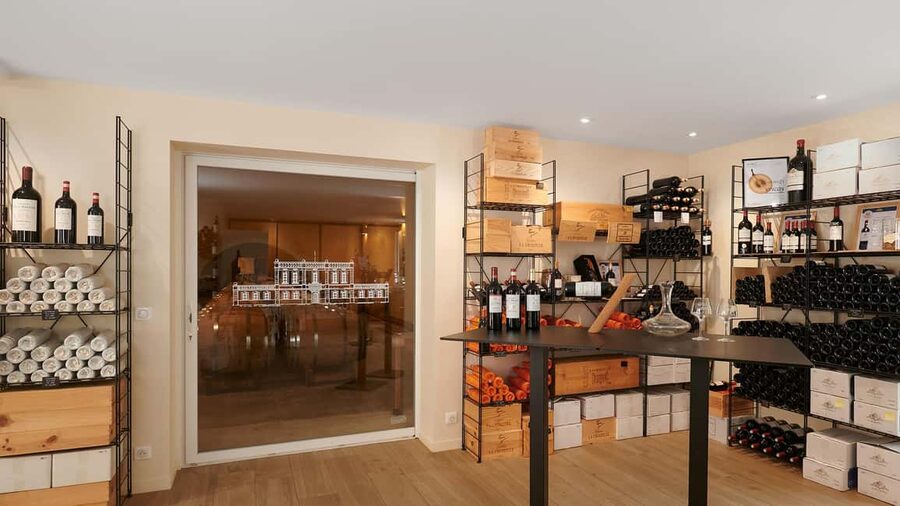
The heart of the experience is the family estate story. You’ll discover how the De Schepper family has cultivated vines for three generations, with land that comes with tradition and discipline built into everyday work. That matters because you’re not only visiting a facility—you’re hearing why the work is done the way it is.
Vat room: where the process gets real
The tour includes the vat room, described as traditional and tied to careful winemaking at each stage. Even if you don’t know the technical vocabulary yet, you’ll leave with a clearer mental map. You can think of it as the “work zone,” where the transformation from harvested grapes to wine begins and is handled with attention to detail.
What I like about showing the vat room is that it helps you taste more thoughtfully later. Instead of imagining wine making as magic, you start to picture decisions that affect aroma and flavor—decisions you’ll hear about during the tasting.
Barrel cellar: aging that shapes what you taste
Next comes the barrel cellar. This stop grounds the tour in a key phase: maturation in barrels, where wine’s character develops over time. You’ll see the barrels and get explanations that connect aging choices to what ends up in your glass.
This is where a short tour can still feel substantial. You’re not just told that barrels matter—you’re physically in the cellar, so it clicks. It also makes you more aware of how different wines can feel similar at first, then start to separate when you focus on smell and structure.
From harvest to bottling: the “whole chain” explained
The guide also frames the bigger workflow, from grape harvest to bottling. You don’t need a winemaking degree here. You just want the logic of the chain: steps build on each other, so the wine you taste is the result of decisions made earlier. That’s the kind of context that turns tasting from guessing into recognizing.
The four-wine tasting: how to taste with the guide’s rhythm
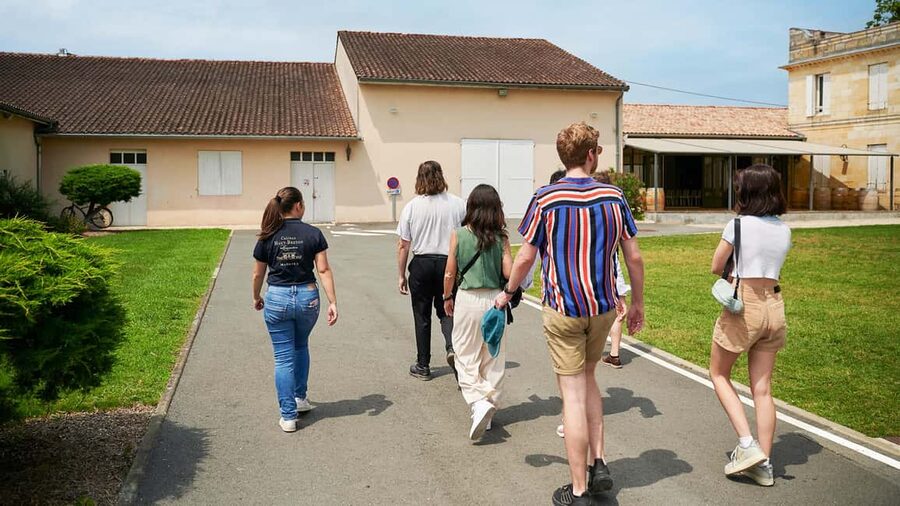
The tasting is the payoff. You’ll enjoy a guided tasting of four wines selected by the experts, and each one comes with commentary from the guide. The goal isn’t to overwhelm you with terminology—it’s to point you toward the subtleties of aromas and explain the secrets behind the winemaking choices.
What to do while you taste
If you want this tasting to feel rewarding, don’t treat it like a sprint. Here’s how I suggest you play along:
- Take a moment before your first sip to focus on smell.
- Try to identify one aroma you can name, even if it’s simple.
- After you taste, ask yourself what feels strongest: fruit, structure, acidity, or oak/aging impressions.
- Listen to what the guide says, then compare it to your own first impressions.
Because you have only four wines, you’ll have enough time to notice changes rather than getting lost in a blur of pours. Four is a sweet spot for learning. More than that often turns into a tasting marathon; fewer than that can feel too quick to connect differences.
Why the guide’s commentary is a big deal
The tour is driven by explanation, and the quality of that explanation shows in the experience. Clear, friendly guidance is repeatedly highlighted, including English skills that make it easy to follow along without a language gap. In particular, names like Thomas and Martins come up for clear communication, and Orane is noted for passionate, well-explained teaching.
You’ll feel that difference when you taste. Instead of random descriptions, the guide links aroma and taste back to the earlier cellar story—vat room, barrel cellar, and the step-by-step process.
The small-group advantage during tasting
With up to 10 participants, you’re less likely to get stuck at the back of the group. That matters because tasting is sensory work. You want to hear the explanation, but you also want to be able to smell and compare in real time.
Margaux appellation context: turning region talk into something you can taste
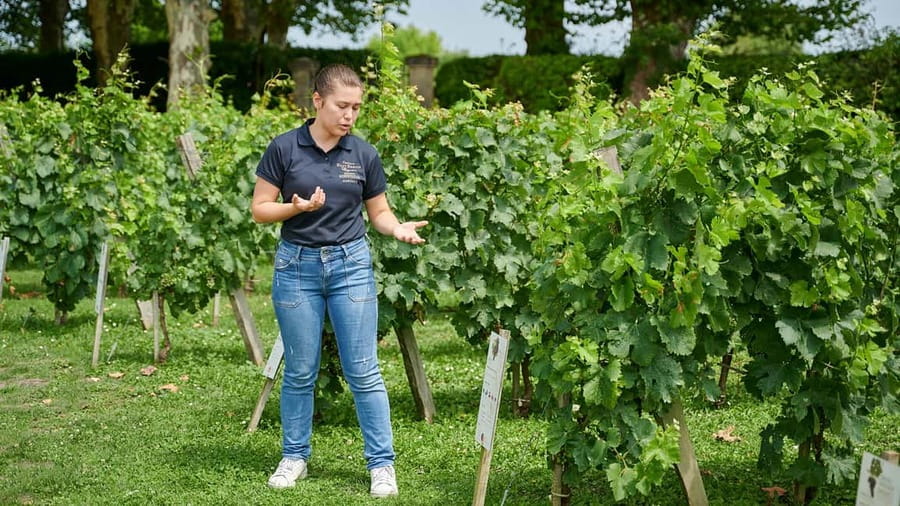
This experience is specifically about the Margaux appellation. That’s useful because it gives your tasting a frame. Wines stop being just “red or white” and start becoming examples of a region’s style and choices.
I like how the tour doesn’t treat appellation talk like a trivia quiz. Instead, it connects the region to the estate’s approach—how the family cultivates vines, how the winemaking stages are handled, and how those decisions show up in aroma and taste.
You don’t leave with a thick textbook. You leave with a sense of what to watch for next time you see a Margaux wine on a shelf. That’s the real value: learning that travels with you.
Price and value: $17 for a cellar visit plus four wines
At $17 per person, you’re paying for a guided estate visit and a guided tasting of four wines. The value is in the structure. You’re not paying only for the wines—you’re paying for access to a traditional cellar setup and guided explanations that help you understand what you’re tasting.
Could you find tastings elsewhere that are cheaper? Maybe. But price alone misses the point. What you’re buying here is a tight learning loop:
1) see parts of the winemaking process
2) hear how it works
3) taste wines in a guided way that connects back to what you saw
For many visitors, that kind of guided reasoning is what makes a tasting feel worth it, even when it’s short.
One practical note: because you’re tasting four wines, plan to treat this as your wine activity for the day. Keep your next stop simple, and if you’re driving, use a plan.
The practical stuff that affects your experience
This tour is simple, but a few details will make it smoother.
You’ll start at the Château shop, and you should arrive about 5 minutes before the activity begins. Don’t aim for “right on time,” because a group of up to 10 still needs quick check-in and seating so the guide can start cleanly.
The guide is live and speaks French and English. That’s helpful if you’re bilingual or if you want a comfortable explanation without hunting for translations. The tour is also wheelchair accessible, which is great if mobility is part of your planning.
Finally, it’s not suitable for children under 18. That isn’t a complaint—it just sets the tone. You can expect the pace and content to fit adults who want wine education and tasting.
Who should book this Margaux discovery tour?
Book it if you want:
- A short, focused wine experience that still includes a vat room and barrel cellar visit
- A guided tasting of four wines where you’ll get help noticing aromas
- A small group setting that makes questions feel possible
- A clear Margaux connection without needing prior wine knowledge
I think it’s especially good for first-timers. You don’t have to know what tannins are to enjoy learning. The guide’s job is to translate winemaking choices into sensory experience.
It also works well if you’re pairing this with other nearby stops in Nouvelle-Aquitaine. One hour is flexible, and it’s easy to build a day around.
Should you book it? My decision guide
If you want a “hands-on but not too long” introduction to Margaux winemaking, I’d book this. The value is strong because you get the cellar context plus a guided tasting of four wines, all in a small group.
I would hesitate only if you’re looking for a longer vineyard walk, heavy hiking, or a deep technical lesson that lasts several hours. This is an excellent starter course. It’s not meant to replace an all-day wine immersion.
FAQ
FAQ
How long is the Margaux discovery tour with tastings?
The tour lasts about 1 hour.
Where does the tour start?
You begin at the Château’s shop.
What’s included in the price?
The experience includes a guided tour of the estate and a guided wine tasting.
How many wines are tasted?
You’ll taste 4 wines during the guided tasting.
Are children allowed?
No. The tour is not suitable for children under 18.
Is the tour wheelchair accessible?
Yes, the tour is wheelchair accessible.
What languages are the guides?
The live tour guide offers French and English.
What does the group size look like?
It is a small group limited to 10 participants.