REVIEW · ROME
Roman countryside Food & Wine Tasting in a medieval winery
Book on Viator →Operated by Vinebliss Trip · Bookable on Viator
A day in the Roman countryside can feel like a mini escape. This tour swaps central Rome for Lazio hills and a medieval winery where you learn the why behind each wine, then eat with it at a relaxed table. I especially love the setting and the way the tasting is guided by a trained sommelier; it turns wine from guesswork into a simple, repeatable routine. One thing to consider: the whole experience runs close to 4 hours, and if you’re late you could miss part of the wine service or the earliest cellar time.
What you’ll like most is the combo that’s hard to beat for the price: transport out of the city plus three distinct Italian wines paired with a substantial antipasto-style meal. The second big plus is the “inside the fortress” feeling at Cantina Castello di Torre in Pietra, where the cellar is carved into the tufa hills behind the 12th-century complex. The possible drawback is timing and coordination—some schedules can run a bit long, and a few people have flagged late transport or weak communication—so build in a little buffer and show up early at the meeting point.
In This Review
- Key highlights you’ll feel right away
- Getting out of Rome: Piazza del Popolo meet-up and the van ride through Lazio
- Cantina Castello di Torre in Pietra: touring a medieval tufa village cellar
- How the sommelier turns tasting into a skill (3 wines, guided pairing)
- Lunch at the winery: antipasto-style plates and Roman dishes with wine pairings
- Shopping time: buying wine and olive oil at the winery shop
- Price and logistics: what the $115 ticket covers, and why it’s fair
- Who this medieval winery day trip suits best
- Should you book it? My call
- FAQ
- Where does the tour start?
- What time does it start?
- How long is the experience?
- What’s included with the ticket?
- Is hotel pickup included?
- How many wines will I taste?
- If plans change, can I get a refund?
Key highlights you’ll feel right away
- 12th-century cellar setting at Cantina Castello di Torre in Pietra, inside a medieval Borgo
- Three wine tastings guided by a sommelier, with food pairings that actually make sense
- Wine plus lunch at one venue, so you’re not bouncing around town hungry
- Possibility to buy wine and olive oil on site, with time to browse the shop
- Group size cap up to 50, with a format that stays focused on your table
Getting out of Rome: Piazza del Popolo meet-up and the van ride through Lazio
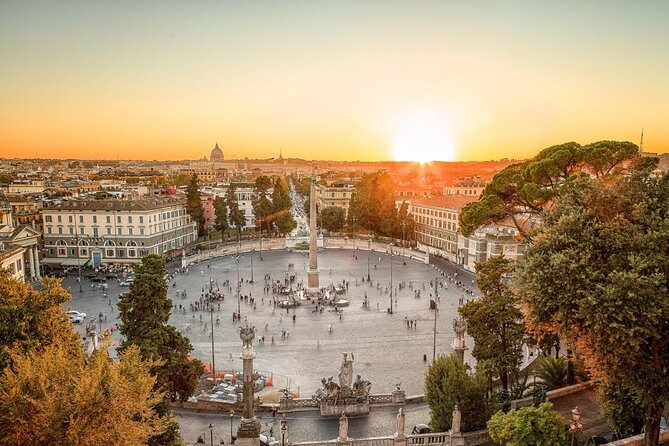
This is a true half-day out of the city, starting in Rome’s historic center at Piazza del Popolo (under the arch at Porta del Popolo). The start time is 11:00am, so you’re not committing your whole day, and it fits well if you want one “Roman escape” without turning your trip into a bus tour all day.
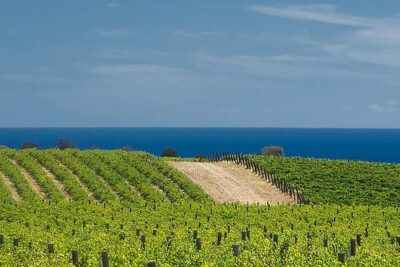
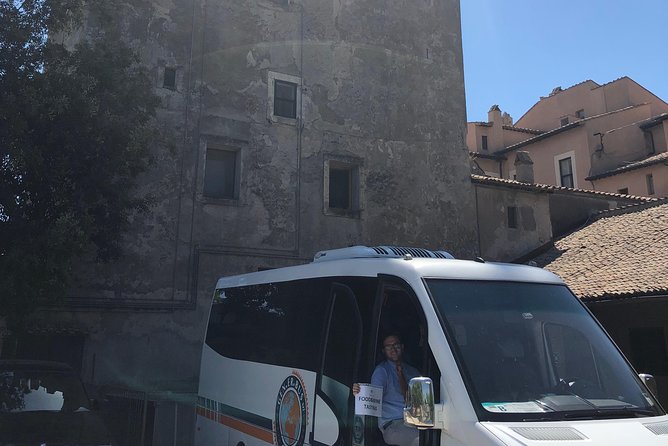
Once you meet your driver, you head out by air-conditioned vehicle. Expect about an hour each way through the Lazio countryside, with views of hills as the city thins out behind you. That drive matters more than you might think: it’s the part that makes this feel like a countryside day rather than just a quick lunch-and-wine stop.
A practical tip: arrive a few minutes early. Even when the winery portion runs smoothly, timing is everything for getting your full tasting sequence. One review mentioned missing the first glass and part of the tour after arriving late, which is the kind of problem you can avoid just by being on time at Porta del Popolo.
You can also read our reviews of more tours and experiences in Rome.
Cantina Castello di Torre in Pietra: touring a medieval tufa village cellar
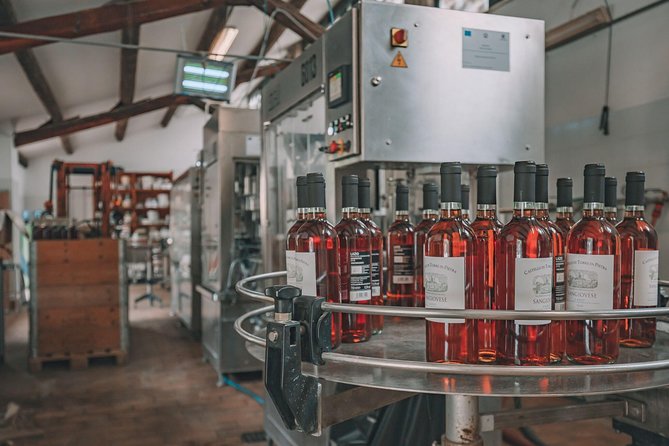
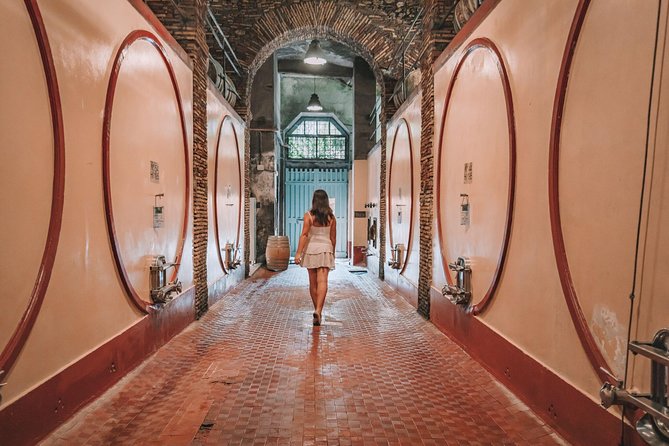
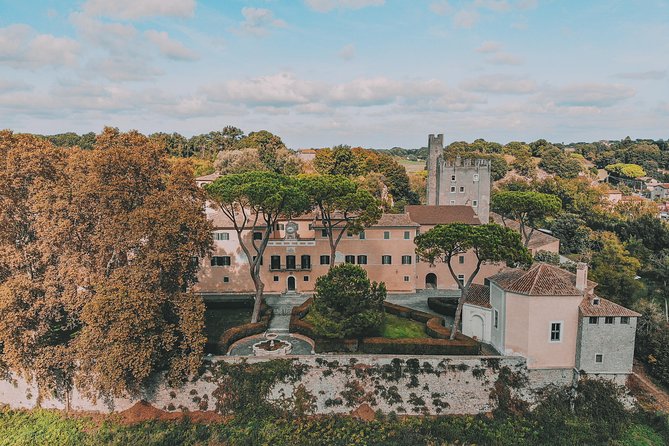
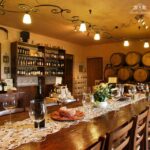
The heart of the experience is the medieval winery complex: Cantina Castello di Torre in Pietra. You don’t just visit a modern tasting room. You walk through a Borgo village tied to a 12th-century structure, with cellars built by digging into the tufa hills behind the castle.
This is also where you get the “insider’s view” of winemaking—more than a cursory walk. You meet your sommelier guide and start with a brief stroll in the private cellar, focusing on how the winemaking process works inside this unique environment. The venue’s history adds texture to the tour: there’s a story about mammoth tusks found during work in the area back in the 1930s, which is the kind of detail that makes the place feel lived-in, not staged.
Why this matters for your day: a medieval cellar cools and steadies the environment, and you can connect that physical space to what you’ll taste later. The cellar tour isn’t just a photo-op. It sets you up to understand why the same region can taste different bottle to bottle.
The one thing to keep in mind is pace. You’re not spending hours wandering. It’s a guided, efficient tour that leads you directly to lunch. If you love long, unhurried cellar walks, you might wish you had a touch more time to linger in the medieval spaces.
How the sommelier turns tasting into a skill (3 wines, guided pairing)
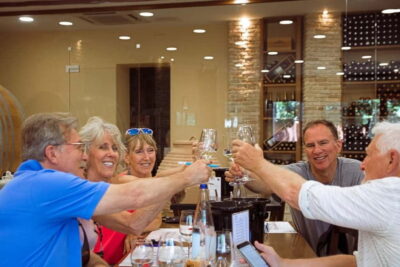
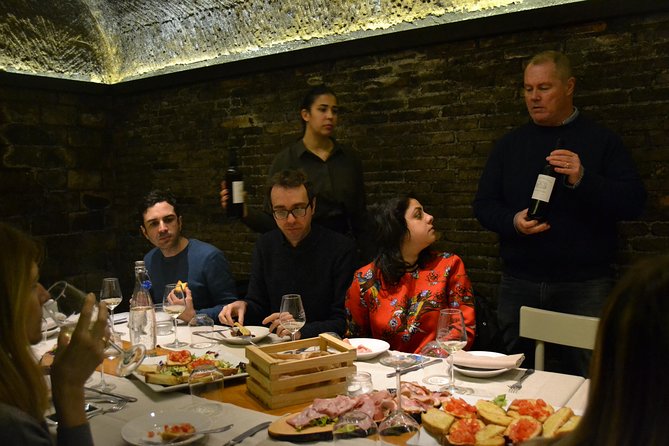
You’ll taste three different Italian wines during the lunch portion, guided by a trained sommelier. This is where the tour earns its reputation: the pairing and tasting are structured so you learn how to taste, not just what to drink.
In past experiences with this kind of format, the best guides do two things well: explain the basics of flavor and explain the logic behind pairing. Here, the pairing is central. Courses are matched with specific wines chosen to work with the food’s salt, fat, and acidity—so your taste buds have a “reason” to pay attention.
Guide style can vary by group. Names that have shown up with this experience include sommelier Christian, and another guide called Marco, both of whom were praised for balancing clear explanations with breathing room. If your guide is one of these types, you’ll probably leave with a better sense of how to describe what you’re tasting and how wine changes once it meets food.
A useful takeaway for you: pay attention to the order of the wines. The sequence usually helps your palate shift from fresher, lighter styles (often whites) to a more structured red. One guest described the lineup as two whites plus a red produced at the winery, which fits the idea of building from bright to deeper flavors.
Also, notice what the tour emphasizes beyond flavor notes: how the wine is stored and how tasting practices like allowing a wine to “open” can change your enjoyment. That’s the sort of detail that makes you smarter at wine bars later, back in Rome.
Lunch at the winery: antipasto-style plates and Roman dishes with wine pairings
After the cellar visit, you settle in for a guided tasting lunch at the winery’s own restaurant. This is not a quick snack. It’s built like a mini meal with courses and pairings.
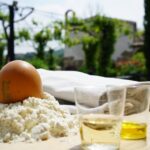
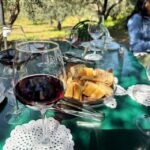
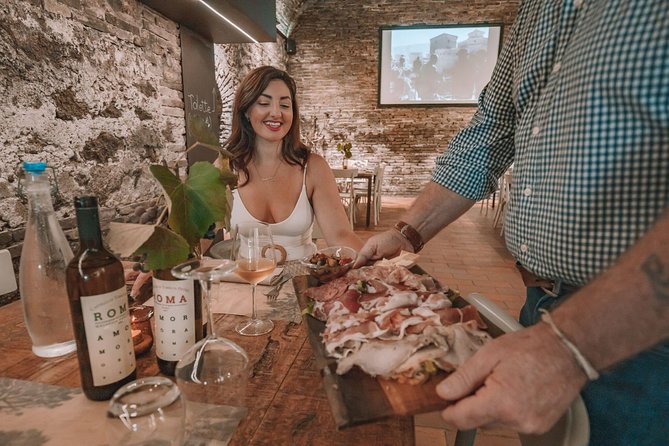
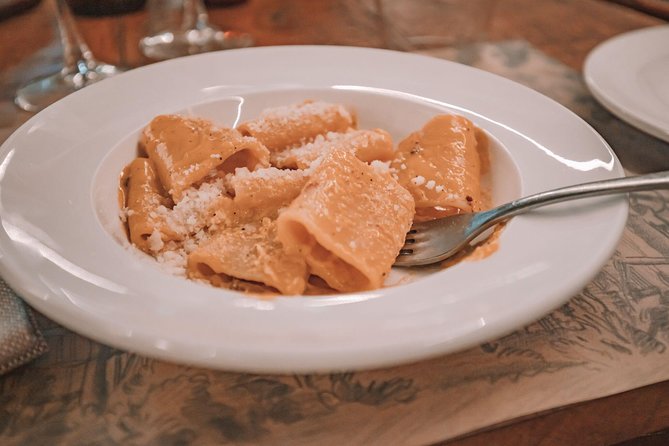
Expect an appetizer-style spread that typically includes regional cheese and cured meats, plus Roman-style dishes. Each course is paired with an elegant local wine selected by the chef and guide to bring out flavors in both directions—food supporting the wine, wine supporting the food.
Two things I like about this lunch format:
1) You’re eating what fits the region, not generic tourist fare.
2) The wine doesn’t feel random. It’s chosen to match what’s on your plate.
Food quality is a strong theme in the experience. One guest specifically called out gluten-free food as excellent, which is a comforting sign if you need that option. If you have dietary needs, it’s worth keeping expectations realistic for a group lunch, but the fact that a gluten-free option was handled well suggests the team takes it seriously.
One potential drawback: the lunch runs as part of a fixed schedule. If the day runs long or the group is large, you may get less time to linger between courses than you’d like. The flip side is that this structure prevents the “endless lunch” problem that sometimes happens on wine tours.
Shopping time: buying wine and olive oil at the winery shop
After lunch, you get a few minutes of free time to browse the winery shop. This is the moment to turn tastes into takes: you can buy bottles of wine and olive oil on site.
That matters for value. The whole point of wine tasting is remembering flavors. Buying here also makes sense because the wine comes from the very place you just toured. One review also mentioned an organic wine surprise, so if that style is important to you, it’s a good chance to ask what’s organic (or check labels in the shop) while you’re there.
Practical note: the shop time is brief, so decide quickly what you want. If you’re planning to buy more than a couple bottles, think about how you’ll pack them for the rest of your trip before you get carried away.



Price and logistics: what the $115 ticket covers, and why it’s fair
At $115 for about 4 hours, you’re paying for more than just wine. Your ticket covers transport by air-conditioned vehicle, a local sommelier guide, the medieval cellar visit, and tasting (three different wines). You also get the food tasting lunch built from local products, plus the historical setting and time at the winery shop.
For Rome, the biggest value piece is transport. If you tried to do this on your own without a car, you’d spend time solving logistics and then paying for taxis or rides that can add up fast. Here, you get a direct, scheduled day trip format with the driving handled.
Is it perfect value for everyone? It depends on what you want from the day:
- If you want a countryside break with guided wine + paired lunch, the structure fits.
- If you want the kind of winery visit where you wander for half the afternoon and chat for ages, you might find the timing tight.
Also, note the tour size cap is up to 50 travelers. That’s not tiny, but it’s also not a football stadium. The format still allows real guidance at your table, especially during the tasting and pairing explanations.
Who this medieval winery day trip suits best
This is ideal for you if you want:
- a half-day escape from Rome without renting a car,
- a guided wine experience that teaches tasting and pairing basics,
- a setting that’s genuinely historical, not just a modern room with a castle sign out front.
It’s also a good pick if you’re traveling with family or a mixed group. The format is structured around shared meals and scheduled wine tastings, so it keeps everyone together. One guest described the experience as accommodating for a table of 18, which hints at how the team can handle larger parties while still keeping the program moving.
If you’re very sensitive to timing, plan to show up early and be ready for a bit of schedule variability. A couple of comments pointed to transport coordination hiccups (like lateness and communication problems), while the winery portion itself tended to be rated highly.
Should you book it? My call
I’d book this if you’re looking for a focused, countryside Rome day with real wine education and a proper meal. The medieval cellar setting at Cantina Castello di Torre in Pietra gives you a memorable backdrop, and the tasting format with three wines plus pairings is the kind of value you can’t always find in Rome.
I would hesitate only if:
- you need a super flexible schedule,
- you hate any chance of missing early parts of a fixed tasting sequence,
- you’re expecting a slow, wandering vineyard afternoon rather than a guided half-day program.
If your goal is to leave with better wine sense, full bellies, and a few bottles to remember the day, this checks the boxes.
FAQ
Where does the tour start?
The meeting point is Piazza del Popolo (under the arch at Porta del Popolo).
What time does it start?
The start time is 11:00am.
How long is the experience?
It runs for about 4 hours (approx.).
What’s included with the ticket?
Transport by air-conditioned vehicle, a local sommelier guide, a visit to the medieval cellar, wine tasting of three different Italian wines, and a food tasting lunch with regional products. There’s also the possibility to buy wine and olive oil on site.
Is hotel pickup included?
No. Hotel pickup and drop-off are not included.
How many wines will I taste?
You’ll taste three distinct Italian wines.
If plans change, can I get a refund?
Free cancellation is available up to 24 hours before the experience’s start time for a full refund. If you cancel less than 24 hours before, the amount paid isn’t refunded.