REVIEW · ROME
Boutique Winery Visit & Tasting near Rome
Book on GetYourGuide →Operated by Slow Travel · Bookable on GetYourGuide
Volcanic soil meets a gentle Rome countryside pace. This Boutique Winery Visit & Tasting works because you get a real vineyard-to-barrel walkthrough, then a structured tasting of 4 wines paired with simple local bites. I like that it’s led by a live wine guide for a focused, two-hour format, and I also like the way the tour slows down to help you notice aromas, not just taste. One thing to keep in mind: if weather turns rainy or rough, the vineyard walk may be shortened or skipped.
You’re also not stuck with a huge crowd. Expect a small group (up to 10), English or Italian guidance, and a schedule that moves from the vines to fermentation tanks to barrels, then into the tasting room.
In This Review
- Key things I’d watch for before you go
- Ardea and the Roman Castles: why this trip feels worth it
- Finding Gaffino: meeting point and what to expect on arrival
- The 10-minute vineyard walk: learning soil and habits in real time
- Guided winery tour (about 30 minutes): steel tanks to fermentation basics
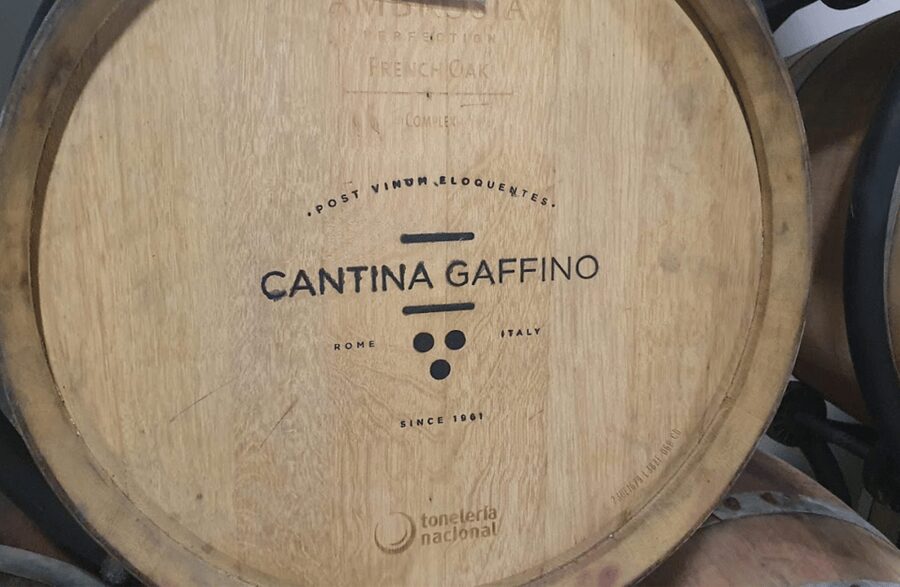
- Barrel room time: where aging turns into flavor and structure
- Wine tasting (about 80 minutes): 4 wines, your palate, and the food rhythm
- Pairings that keep it practical
- The guide and communication: English, Italian, and real friendliness
- Small group size (10 max): the difference you’ll feel
- Who this tour is best for
- Price ($57) and value: what you’re really paying for
- Practical tips before you go
- Should you book this winery visit near Rome?
- FAQ
- Where is the meeting point for the tour?
- How long does the experience last?
- How many wines are included in the tasting?
- Is there food included with the tasting?
- Are there non-alcohol options for kids?
- What languages are the guides available in?
- How big is the group?
- What happens if it rains?
- Is the tour wheelchair accessible?
- Can I buy wine bottles after the tasting?
Key things I’d watch for before you go
- 4 wine tastings with both red and rosé options, plus water to reset your palate between pours
- Vineyard walk (about 10 minutes) that connects the flavors to the area’s volcanic soils
- Steel tanks + oak barrel room stop, so you understand fermentation and aging in plain terms
- Food pairings with cold cuts/ham, cheese, and freshly baked bread
- Small group size (10 max) that makes it easier to ask questions and compare aromas
- Rain note: the vineyard walk may not be included if conditions aren’t good
Ardea and the Roman Castles: why this trip feels worth it
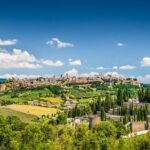
A day in Rome can be intense. This tour gives you a calmer rhythm without needing a long car ride. The winery is in Ardea, in the Roman Castles area, and it’s about 45 minutes by car from Rome. That timing matters: you get countryside time without sacrificing your whole day.
What I like about this setup is the story stays local. You’re not just tasting wine in isolation. The guide frames it through the region’s long winemaking tradition, including ties to Roman times and the fact that grape growing here has been happening for over two thousand years. Even if you’re brand-new to wine, it helps you understand why the place matters.
You can also read our reviews of more tours and experiences in Rome.
Finding Gaffino: meeting point and what to expect on arrival
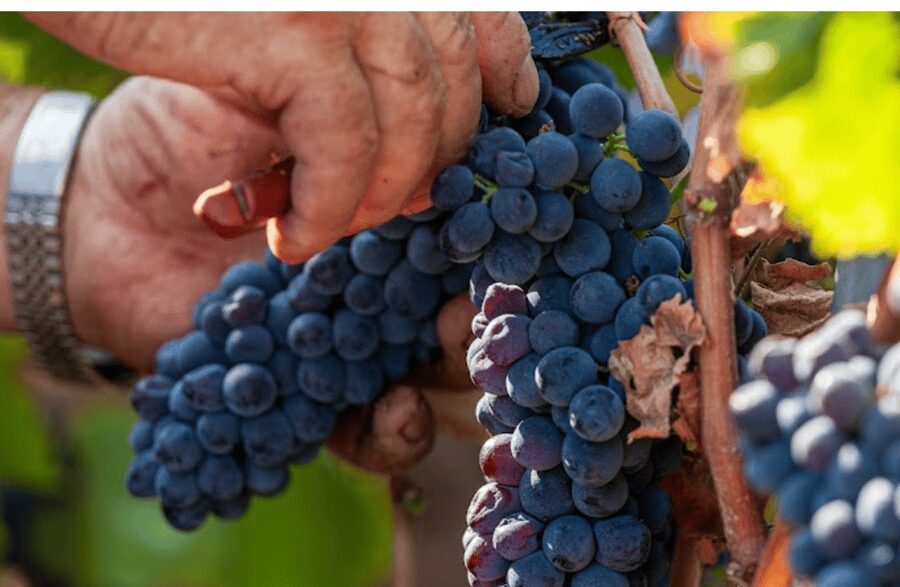
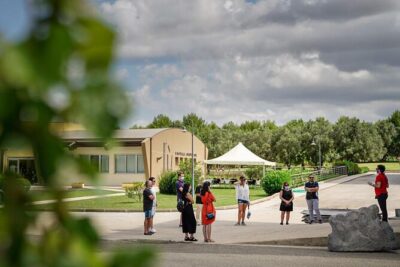
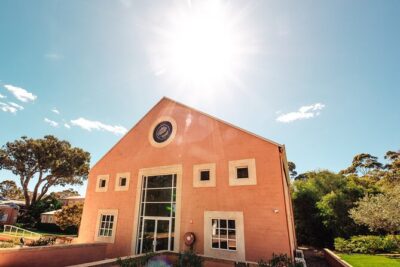
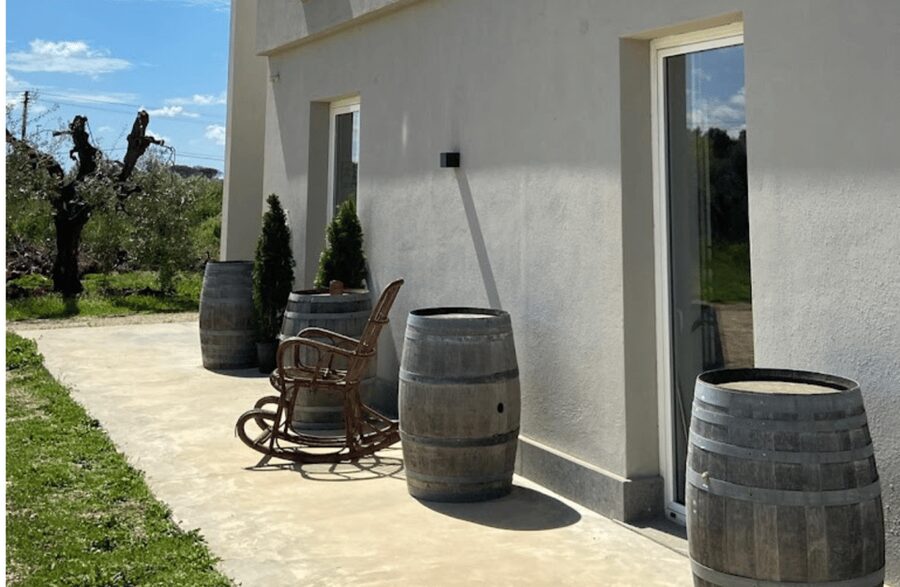
The meeting point is Gaffino – Vigneti e Cantina in Ardea. Google Maps works best if you search Cantina Gaffino, Ardea. When you arrive, look for a red sign reading Gaffino on a narrow street. You’ll see an iron gate and a white building—enter there.
This matters because wineries can feel like “we’ll be somewhere around here.” This one is clearly marked, and the tour starts from the winery itself. Once you’re inside, the experience is set up like a compact loop: you start at Gaffino, walk through the vineyards, tour the winemaking spaces, taste, then return back to the same spot.
The 10-minute vineyard walk: learning soil and habits in real time
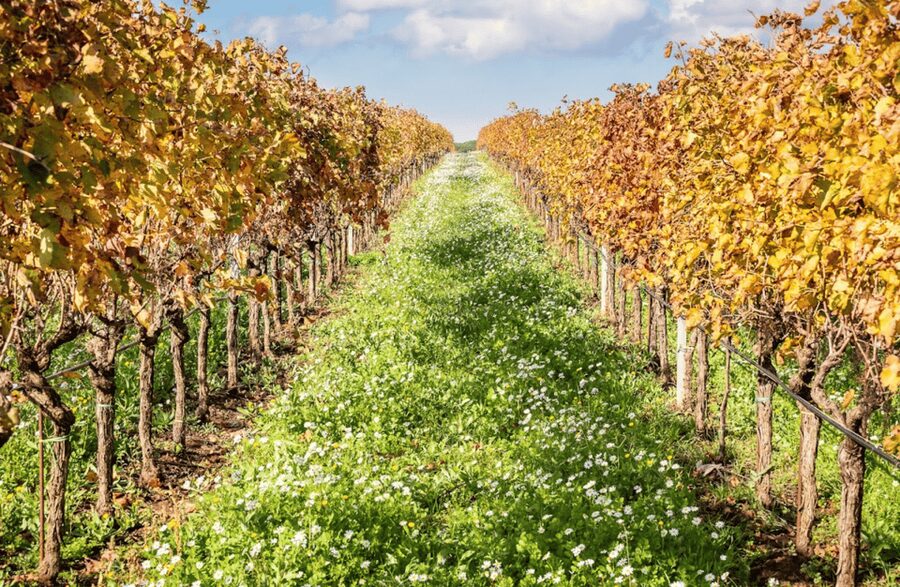
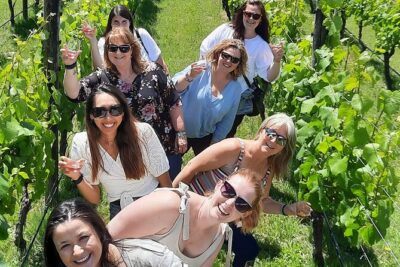
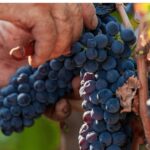
Your first active moment is a short walk through the vines—about 10 minutes. Don’t think of it as a quick photo stop. The guide uses the walk to connect flavors to practical growing conditions, including the volcanic soils and why this area has been good for grape growing for so long.
I like that it’s short. Big vineyard treks can eat up the energy you’ll want later for tasting. Here, you get just enough time to notice the setting, then you move on to how grapes become wine.
If the weather is bad, that walk might not happen. That’s the one downside to plan around: you’ll still get the core tour and tasting, but your first vineyard segment may be reduced or skipped depending on conditions.
Guided winery tour (about 30 minutes): steel tanks to fermentation basics
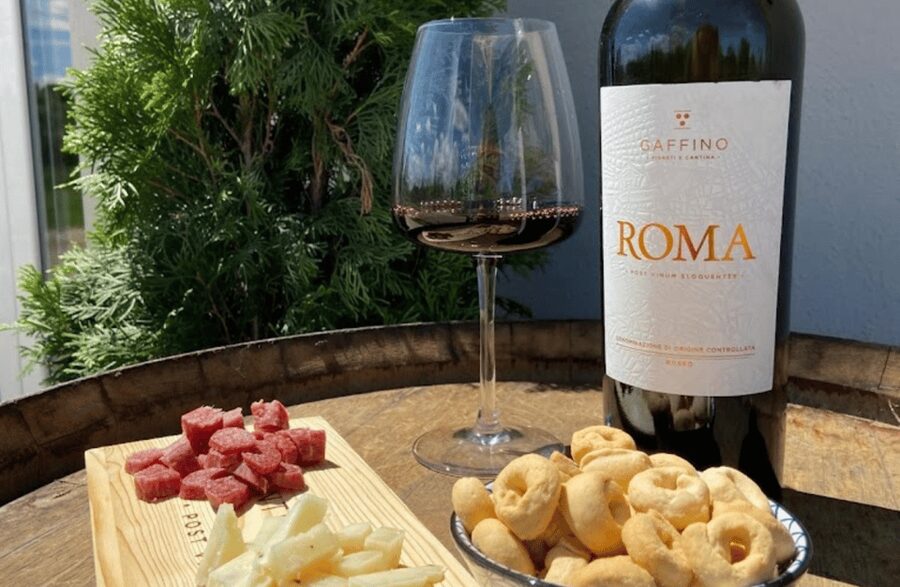
After the vineyard walk, you head into the working heart of the winery. The guided portion is about 30 minutes, and it’s designed to make the process make sense quickly.
A key stop is the steel tank area, where fermentation begins. This is where the guide can explain what’s happening when you taste: the transformation of carefully selected grapes as the wine starts to develop its character. Even if you don’t know the technical words, the flow of the explanation usually lands because you can see the place where it happens.
You’ll also get a look at how craftsmanship shows up in the process. The tour description highlights careful work from hand-harvesting to careful aging. The real value here isn’t memorizing every step—it’s understanding that the wine you taste later wasn’t random. It came from decisions made early.
Barrel room time: where aging turns into flavor and structure
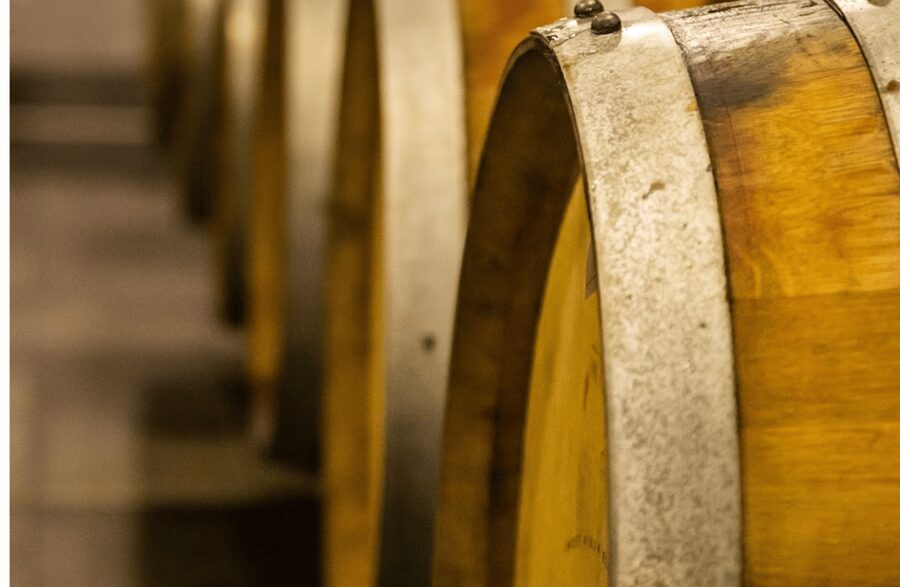
Next comes the oak barrel room, where aging gives each wine more complexity. This is a great stop for people who assume wine is just about grapes. In reality, aging choices also shape taste.
As you move through the barrel area, the guide connects what you’re seeing with what you’ll likely notice in the tasting: how aroma and texture can change as wine spends time in oak. It’s also a useful moment to ask questions. With a group capped at 10 participants, you’re not fighting for attention.
If you’re the kind of wine person who cares about why reds taste like reds and rosé tastes like rosé, this is where the logic starts to click.


Wine tasting (about 80 minutes): 4 wines, your palate, and the food rhythm
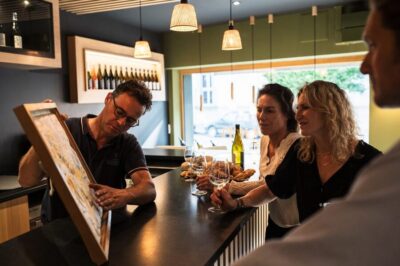
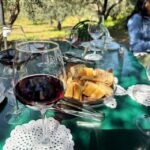
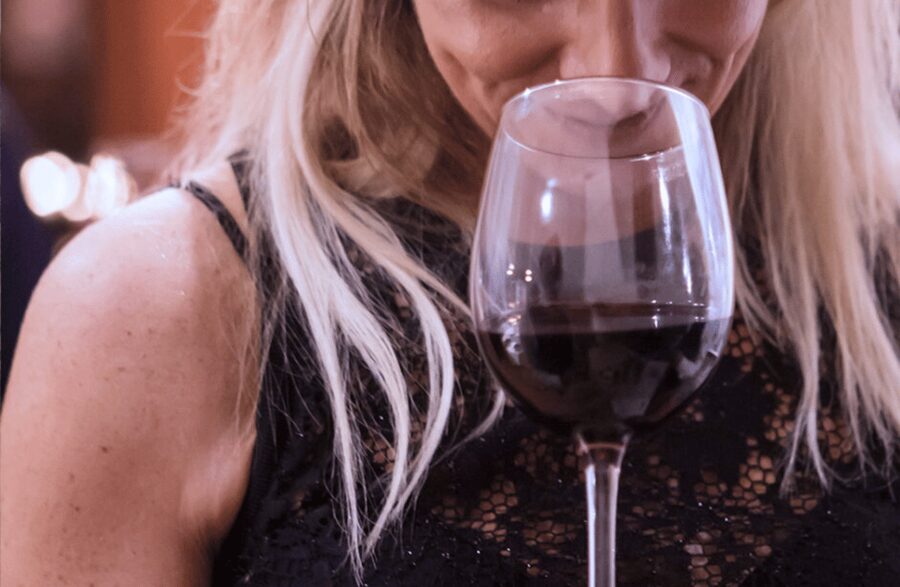
The tasting is the longest block—about 80 minutes—and it’s built like a sequence, not a free-for-all. You’ll sample 4 premium wines, designed to show range. The set includes both red and rosé options, so you can compare differences without guessing.
One of the better parts of this format is that it pushes you to smell. The tour includes a focus on discovering the scents of each wine, which makes your tasting notes (even if you don’t write them down) more meaningful. Aroma is usually where beginners feel lost. Here, the guide leads you through what to pay attention to.
Pairings that keep it practical
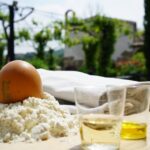
The tasting also includes a food platter that works with the wines: cold cuts/ham, local cheeses, freshly baked bread, and water to cleanse your palate between pours. This matters because wine can taste harsh or flat if your palate isn’t reset. The water between tastings helps you keep comparisons honest.
It’s also a smart move for people who don’t want a heavy meal. You’re not leaving stuffed—you’re leaving informed.
The guide and communication: English, Italian, and real friendliness
The tour is led by a live wine guide who speaks English and Italian. Reviews highlight that even when English isn’t perfect, communication still lands because the guide knows how to explain and keep things moving.
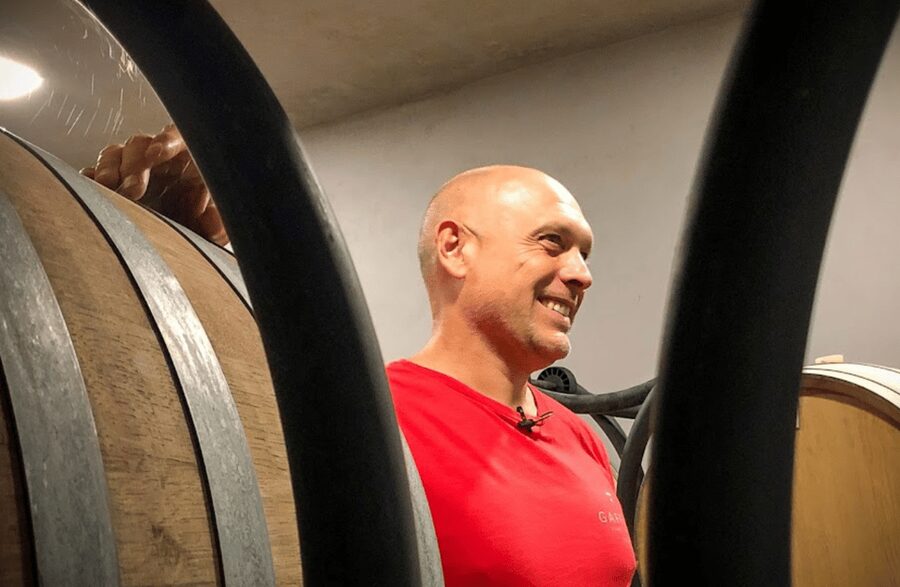
One guide name you’ll see praised in feedback is Gabriele, described as welcoming and easy to be around. That kind of personality matters more than people think, especially during a tasting. If the guide is warm, you ask more questions, and the whole experience becomes less like a lecture.
Small group size (10 max): the difference you’ll feel
With a small group limited to 10 participants, the pacing is more human. You’re close enough to hear details about fermentation and aging, and you’re not just a face in the back.
This size also helps you during tasting. When there are fewer people, you can compare your impressions with the guide’s cues—like the scents you should pick up and how to connect them to winemaking steps you saw earlier.
Who this tour is best for
This works well for:
- Wine beginners who want structure and guidance instead of guessing in a tasting room
- People who want a short countryside break from Rome with minimal time lost
- Visitors who like food pairing basics: cheese, ham, bread, and palate resets
- Travelers who prefer calm group dynamics over big bus tours
It’s not the best fit if you need wheelchair access, or if you’re pregnant, since the tour isn’t suitable for wheelchair users or pregnant women based on the activity info.
Price ($57) and value: what you’re really paying for
At $57 per person for 2 hours, the value depends on what you consider “worth it” in a winery visit.
Here’s what you’re getting:
- 4 wine tastings (with both reds and rosé)
- A guided winery tour, including steel tanks and the oak barrel room
- A vineyard walk segment (if weather allows)
- Food pairing with cheese, cold cuts/ham, bread, plus water
- A live guide (English/Italian) for the full visit
- Non-alcohol drinks available for kids
So you’re not paying just for wine. You’re paying for guided context plus guided tasting structure. If you like to understand what you’re tasting, that usually makes the cost feel fair.
You should know one extra detail: extra bottles can be bought separately. If you fall in love with one of the wines, you won’t be stuck with only small pours.
Practical tips before you go
A few things will make your visit smoother:
- Wear comfortable shoes for the short vineyard walk and winery surfaces.
- Expect the tasting to be the main event—plan for an 80-minute tasting portion after the cellar and barrel stops.
- If rain is in the forecast, keep expectations flexible. The vineyard walk may not happen, but the rest of the tour and tasting still fits the same general flow.
- Bring your curiosity. This is one of those tours where asking small questions can change how you experience each wine.
Should you book this winery visit near Rome?
I’d book this if you want a focused, two-hour winery day that teaches you what you’re tasting. The combination of vineyard context, steel tank and barrel rooms, and a guided tasting of 4 wines with cheese and ham makes it feel like a complete mini-course rather than a quick drink stop.
Skip it if you strongly need the vineyard walk no matter what, because weather can affect that part. And if accessibility is a factor for you or someone in your group, this one isn’t listed as suitable.
If you like your wine experiences structured, small, and connected to real winemaking spaces, this is a solid choice from Rome—especially when you want something more personal than the usual big-tour routine.
FAQ
Where is the meeting point for the tour?
The meeting point is at Gaffino – Vigneti e Cantina in Ardea. Look for a red sign with Gaffino, an iron gate, and a white building. You can search Cantina Gaffino, Ardea in Google Maps.
How long does the experience last?
The tour lasts about 2 hours.
How many wines are included in the tasting?
You get tasting of 4 wines.
Is there food included with the tasting?
Yes. You’ll have food pairings including cold cuts and cheese, plus freshly baked bread and water.
Are there non-alcohol options for kids?
Yes. Non-alcohol drinks for kids are included.
What languages are the guides available in?
The live guide offers English and Italian.
How big is the group?
The group is small, limited to 10 participants.
What happens if it rains?
In case of rain or adverse weather conditions, the vineyard walk may not be included.
Is the tour wheelchair accessible?
No. The activity is not suitable for wheelchair users. It’s also listed as not suitable for pregnant women.
Can I buy wine bottles after the tasting?
Yes. Extra bottles can be bought separately.