REVIEW · MONTEPULCIANO
Montepulciano: Winery Tour and Tasting
Book on GetYourGuide →Operated by Hidden Experiences · Bookable on GetYourGuide
Go underground for Tuscany wine lessons. This short Montepulciano winery tour and tasting takes you into a historic cellar and pairs it with a guided, sommelier-led tasting of top local wines. I particularly like the way the 16th-century tunnels set the mood right away, and how the sommelier connects the wine to real regional know-how, not just facts.
The main thing to keep in mind is timing: the tasting portion can feel a touch slow if you’re hoping for a quicker pace through the pours.
In This Review
- Key things to know before you go
- Entering Talosa Cantina Storica’s 16th-Century Cellar
- The Sommelier-Led Tasting: Rosso and Vino Nobile in Real Context
- What You Eat With the Wine (Bread, Snacks, and the Point of Pairing)
- How Much Time You Really Get: 1.5 Hours That Still Feels Full
- Price and Value: Is $41 Fair for a 16th-Century Cellar Tour?
- Who This Tour Suits Best (And Who Should Skip It)
- Practical Tips to Get More Out of Your Tasting
- Should You Book Montepulciano Winery Tour and Tasting?
- FAQ
- Where is the meeting point for the tour?
- How long is the Montepulciano winery tour and tasting?
- What’s the price per person?
- What’s included in the experience?
- Which wines will I taste?
- What languages are the live guides?
- Is hotel pickup or drop-off included?
- Who is the tour not suitable for?
Key things to know before you go
- Meet at Talosa Cantina Storica, right in the heart of Montepulciano
- Walk down steep steps and through low passages, since the cellar is underground and old
- Taste four well-known wines, including Rosso di Montepulciano DOCG and Vino Nobile di Montepulciano DOCG
- Expect a sommelier with real answers, often with a lot of room for questions
- Snacks and bread are included, so you’re not tasting on an empty stomach
- No hotel pickup, so you’ll want to plan to arrive on your own
Entering Talosa Cantina Storica’s 16th-Century Cellar
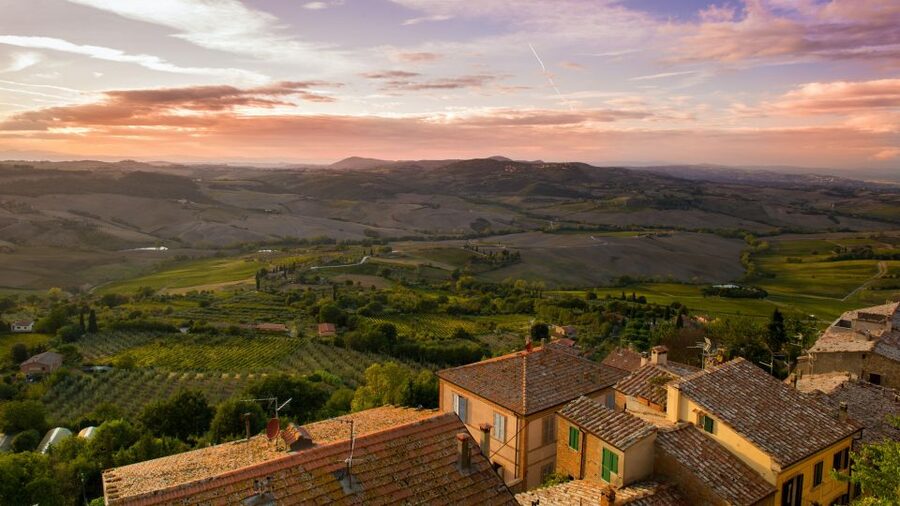
The experience starts at Talosa Cantina Storica, which makes it easy: no waiting for a van, no complicated transfer. Once you’re inside, you go down—really down—into the cellar’s underground world. This is the part I think most people come for, because it turns a standard tasting into something more memorable.
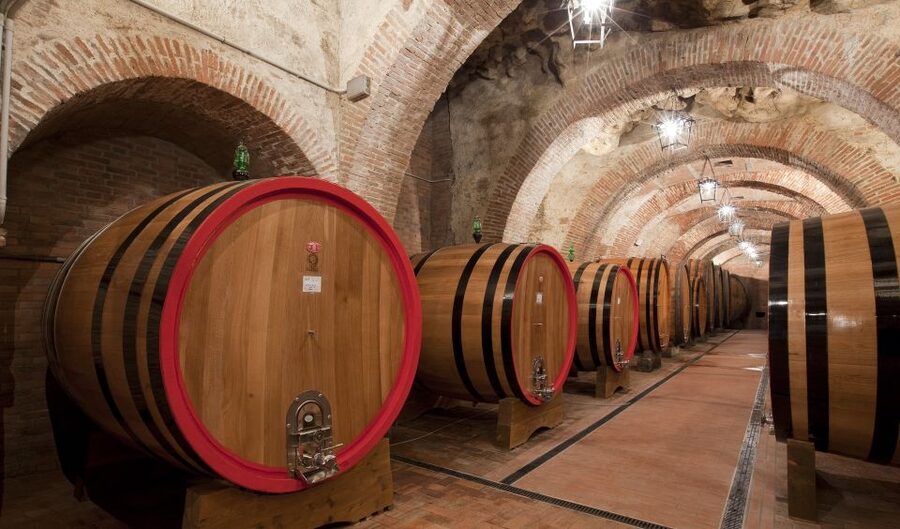
You’ll pass vaults, tunnels, and stone spaces built for centuries of wine storage. One review detail that’s worth paying attention to: the descent includes a steep staircase and at least one section where you may need to bend slightly to pass through. In the cellar itself, you’ll see big old wooden barrels and the kind of dim lighting that makes the place feel like it belongs in a film.
There’s also a strong sense the cellar isn’t just “a storage room.” People describe it as a site with layered past—used as a prison and shelter during World War II, plus even a church within the space. That context matters because it helps you understand why the setting feels so different from a modern tasting room. You’re not just tasting wine here. You’re tasting a region’s time scale.
Practical tip: wear shoes with good grip. The stone can be uneven, and you’ll be moving around on a short schedule.
You can also read our reviews of more tours and experiences in Montepulciano.
The Sommelier-Led Tasting: Rosso and Vino Nobile in Real Context
After you get oriented in the cellar, the tasting begins with an expert sommelier guiding you through the lineup. This is where the tour earns its keep. Instead of treating the tasting like a checklist, the sommelier typically explains the wines in a way that connects flavor to production choices and the local style.
The tasting includes four well-known wines of the region, and you’re definitely tasting:
- Rosso di Montepulciano DOCG
- Vino Nobile di Montepulciano DOCG
Those names are more than labels. They’re the big “identity wines” of Montepulciano, and tasting them side by side helps you notice the differences that matter: how the fruit expresses itself, how tannins feel in the glass, and how aging style shapes the finish.
One reason this tour gets high marks is the guide approach. Names like Luigi, Hector, and Flavio come up often in feedback, and they’re described as friendly, patient, and willing to answer both wine questions and non-wine questions. That last part matters if you’re the type who asks why something tastes a certain way, or if your group has mixed wine interest.
If you don’t consider yourself a “serious red wine person,” don’t worry. The structure still helps you understand what to pay attention to. You’ll learn how to describe what you’re tasting and how the wines differ, which is useful even if you end up buying only one bottle.
Single consideration on pacing: at least one person found the tasting portion a bit slow moving. So if you’re short on time or you prefer a faster, more “clink-glasses-and-go” vibe, set your expectations for a calm, guided tempo.
What You Eat With the Wine (Bread, Snacks, and the Point of Pairing)
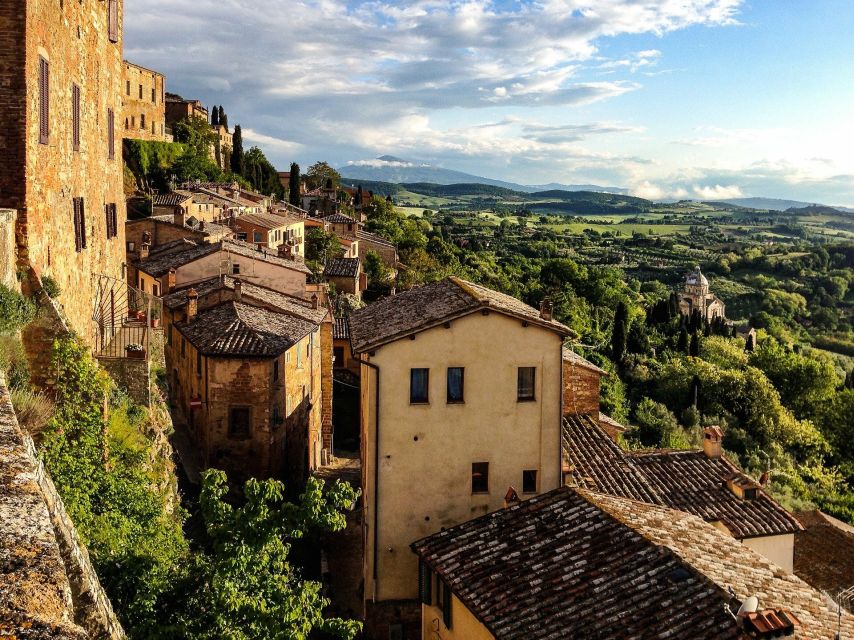
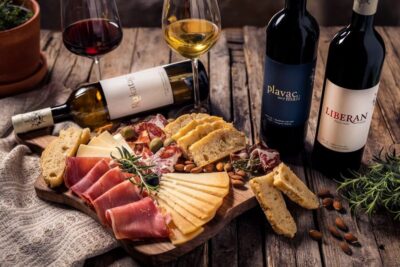
Wine tasting is more fun when your palate isn’t working overtime. Here, you get appetizers and bread plus water during the experience. That means you’re tasting with food support, not just sipping through hunger.
What kind of snacks? Details point to traditional Tuscan appetizers, and some feedback mentions a charcuterie-and-cheese plate style setup. The practical value is that you can focus on the wine instead of white-knuckling your way through dry moments.
The pairing also changes how you perceive tannins. With something salty or cured and something creamy or aged, reds can feel smoother and more balanced. That’s not just culinary theory—it’s the difference between tasting “raw” wine notes versus tasting the wine as a finished, more integrated experience.
One more real-world detail: you’ll likely be tasting multiple wines in one sitting, so the included bread matters. It’s an easy way to keep your energy steady during the 1.5 hours.
How Much Time You Really Get: 1.5 Hours That Still Feels Full
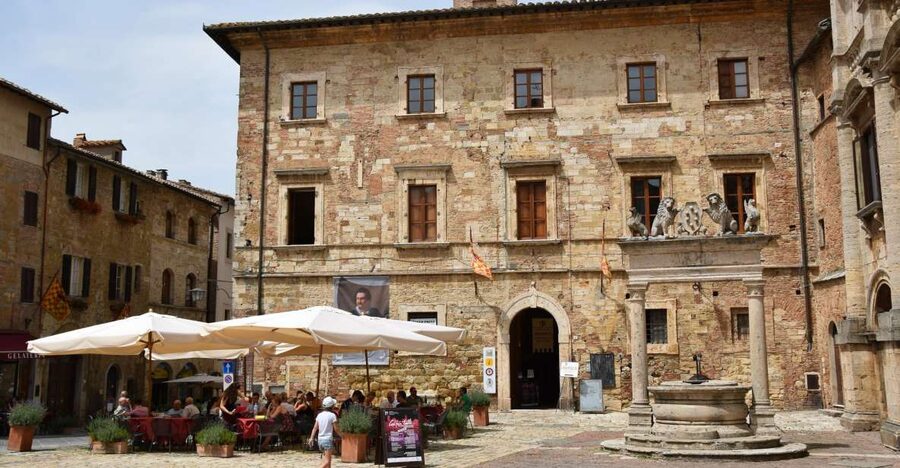
This tour runs about 1.5 hours. That’s a smart length for a tasting in Tuscany—long enough to see the cellar properly and learn the differences between the wines, short enough that you can keep your day moving.
The flow is basically:
- Meet at Talosa Cantina Storica
- Walk into the historic underground spaces
- Hear explanations about the cellar and its wine role
- Sit for the guided tasting of four regional wines
- Eat included snacks and bread, and drink water
The key for you: this is not a half-day wine crawl. It’s a concentrated introduction. If you want one focused tasting experience rather than trying to “cover” multiple wineries, this format is a good fit.
Group size isn’t stated in the info you provided, but reviews describe everything from small groups to mixed language settings. That’s why I’d plan to ask your questions in English if that’s your comfort level. In a mixed group (Italian and English), it’s possible not every Italian question gets translated. You can still learn a lot, but go in knowing the tour will prioritize its main guide explanations.
Price and Value: Is $41 Fair for a 16th-Century Cellar Tour?
At $41 per person, you’re paying for three things at once:
- a guided tour of a historic cellar setting
- a sommelier-led tasting (four wines)
- food support (appetizers, bread) plus water
For comparison in your head, tastings that include professional guidance and multiple pours are rarely “just a sip.” Here, you also get the setting: a cellar with old barrels, tunnels, and the kind of built-in atmosphere that you don’t get at sterile, modern venues.
The value shows in the details people praise. When guides like Luigi or Hector break down the wines clearly and take questions patiently, you get more than a drink. You leave understanding what you liked and why—useful if you later want to shop for bottles in Tuscany.
Also, because there’s no hotel pickup, you’re paying less for transportation logistics and more for the actual experience time. If you’re staying centrally in Montepulciano, that matters.
One more practical value point: the tasting is structured around regional DOCG names. That’s a smart way to sample the core identity wines of the area without guessing.


Who This Tour Suits Best (And Who Should Skip It)
This is a strong choice if you want:
- a focused Montepulciano wine tasting with expert guidance
- an experience that includes both history and wine
- to taste major local wines like Rosso di Montepulciano DOCG and Vino Nobile di Montepulciano DOCG
- a calm paced experience with snacks and water included
It’s likely less ideal if you:
- want a quick tasting with minimal walking
- need wheelchair access or have mobility limits
The tour is not suitable for people with mobility impairments and wheelchair users. Given the steep stairs and low passages described, that’s not the kind of “might be okay” situation. If mobility is a concern, skip this one and look for a more accessible option.
Age is another filter: it’s not suitable for children under 18. So think “adult couples, friends, wine-curious travelers,” not family groups with kids.
Practical Tips to Get More Out of Your Tasting
A little prep makes the tour feel smoother.
1) Wear sturdy shoes. The cellar descent includes steep steps and narrow spots.
2) Go in with one question. Something like: How do Rosso and Vino Nobile differ in style? You’ll get more value from the time if you have a target.
3) Ask about what you like. If you tend to prefer softer reds or you’re new to tasting, tell the sommelier what you notice in the glass. Guides are often good at steering you toward what to focus on next.
4) Expect a calm rhythm. If you’re the “scan menu, pick fast” type, the guided pace might feel slower than you want. But that pace is usually what makes the explanations stick.
5) Don’t skip the snacks. The included appetizers and bread help you taste the wine with a clearer palate.
Finally, if you’re tempted to buy wine, this tour gives you a solid base. One review note even mentions buying a reserve bottle—when you actually understand what you tasted, shopping becomes less guesswork.
Should You Book Montepulciano Winery Tour and Tasting?
Yes—book it if you want one high-quality, guided tasting in Montepulciano that pairs a historic underground cellar with a real sommelier-led lesson. The mix of cellar atmosphere, multiple local DOCG wines, and included snacks makes the $41 feel fair for what you get in time and guidance.
Skip it if you need wheelchair access or you have mobility limits, because this experience involves steep stairs and tight old-space movement. Also consider your pace preference. If you strongly dislike slow, guided tastings, you may find the wine portion drifts a bit.
If you fit the sweet spot—adult, curious, comfortable with a short walk down into the stone—this is an easy choice.
FAQ
Where is the meeting point for the tour?
Meet at Talosa Cantina Storica.
How long is the Montepulciano winery tour and tasting?
It lasts 1.5 hours.
What’s the price per person?
The price is $41 per person.
What’s included in the experience?
Included are the winery tour, wine tasting, a professional sommelier, water, and appetizers and bread.
Which wines will I taste?
The tasting includes four well-known wines of the region, including Rosso di Montepulciano DOCG and Vino Nobile di Montepulciano DOCG.
What languages are the live guides?
The live tour guide offers Italian and English.
Is hotel pickup or drop-off included?
No. Hotel pickup or drop-off is not included.
Who is the tour not suitable for?
It’s not suitable for people with mobility impairments, wheelchair users, and children under 18.
If you tell me your travel dates and where you’re staying in Montepulciano, I can help you plan what time to aim for and how to build the rest of your day around this 1.5-hour tasting.