REVIEW · MALLORCA
Palma: Orange Farm, Olive Mill, & Winery Tour with Tastings
Book on GetYourGuide →Operated by Elysee Tours UG (Haftungsbeschränkt) · Bookable on GetYourGuide
Mallorca tastes better when someone else handles the route. This 7-hour trip strings together orange farm treats, an olive mill story, and a winery tasting in one smooth day. I like that it’s built for real food time, not rushed photo stops, and that you get tastings that map to Mallorca’s main crops. One thing to think about: it’s a mostly walking day on farms, so comfortable shoes matter.
You’ll start with pickup from Palma-area hotels and head up toward the Tramuntana Mountains. The day includes an orange plantation visit with sampling, a guided olive estate/mill stop with olive oil tasting, and a winery guided tour with tastings plus snacks. The group is capped at just 8, which usually means you can ask questions without waiting your turn.
If you’re sensitive to alcohol rules, keep this in mind: tastings are only allowed in Spain from age 18.
In This Review
- Key highlights to know before you go
- A day built around Mallorca’s three signature crops
- Pickup and getting into Tramuntana country
- Stop 1: The orange plantation (self-guided, with juice and snacks)
- Stop 2: Time to reset on the van
- Stop 3: Olive estate and mill (guided tour + olive oil tasting)
- Stop 4: Another ride to the winery
- The winery visit: guided tour + tasting 3 wines
- Guides and pacing: why the small group matters
- Price and value: what $221 really covers
- What to bring (and what to skip)
- Who this tour is best for
- Should you book this Palma orange, olive, and winery tour?
- FAQ
- FAQ
- How long is the Palma: Orange Farm, Olive Mill, & Winery Tour?
- Where does pickup happen?
- Is pickup included in the price?
- What tastings are included?
- Do I get lunch on this tour?
- How big is the group?
- What should I wear or bring?
- Are there any alcohol restrictions?
- Is the tour wheelchair accessible?
Key highlights to know before you go
- Small group of up to 8 makes the day feel personal instead of chaotic.
- Two farm stops plus a winery means you get the whole Mallorca food chain, not just one flavor.
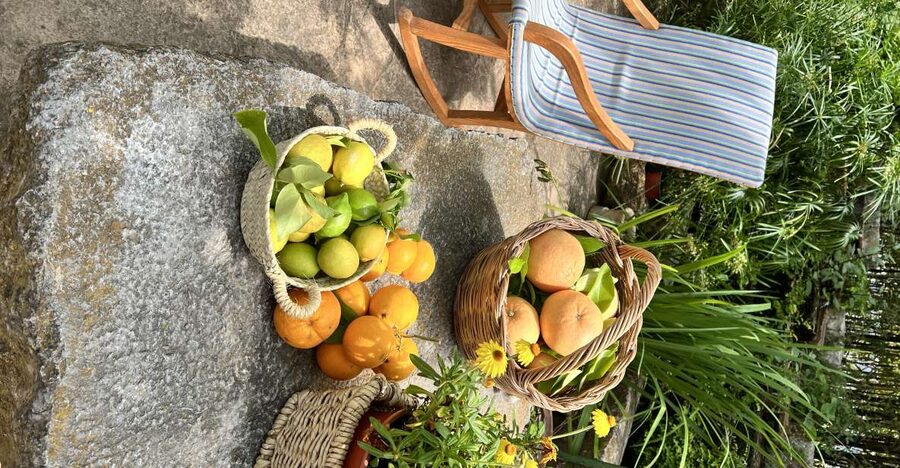
- Orange sampling on the plantation includes freshly squeezed orange juice, plus jams and local snacks.
- Guided olive mill tour + olive oil tasting connects the island’s agriculture to what ends up in your glass.
- 3-wine tasting at the winery with local snacks, plus a picnic lunch during the farm portion.
- Pickup options in Palma, Platja de Palma and Llucmajor keep logistics simple for most people.
A day built around Mallorca’s three signature crops
What I like most about this tour is how clearly it’s organized around Mallorca’s agriculture. You’re not just going to a place and looking around. You’re going to learn how oranges, olives (and the oil), and wine are made—and then you taste the results.
It helps that the route is designed for a day trip. You get transfers from Palma/nearby to the countryside, then multiple stops with enough time at each one to actually enjoy what you came for. And because it’s a small group, the pace feels human—especially at the farms where people naturally want to ask questions.
You’ll also notice a practical focus in the inclusions: orange juice and snacks, olive oil tasting, a picnic with local food, and a winery tasting with 3 wines. That’s a lot of food value for one ticket, as long as you’re comfortable with the walking and the farm setting.
You can also read our reviews of more tours and experiences in Mallorca.
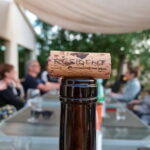
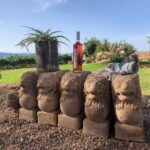
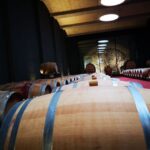
Pickup and getting into Tramuntana country
The day starts with two pickup options in the Palma area: Palma and Platja de Palma. The tour also notes pickup from accommodations in Palma, Can Pastilla, and Llucmajor, so you should be able to get picked up close to where you’re staying.
From there, it’s a van ride (about 45 minutes) before your first real stop. This is one of those moments where the tour earns its keep: you’re not stuck figuring out roads to rural estates, parking, and timing. You just show up, get on the van, and let the driver-guide manage the timing.
Plan to travel light. The tour specifies that luggage or large bags aren’t allowed, which usually means you should bring only a small day bag.
Stop 1: The orange plantation (self-guided, with juice and snacks)
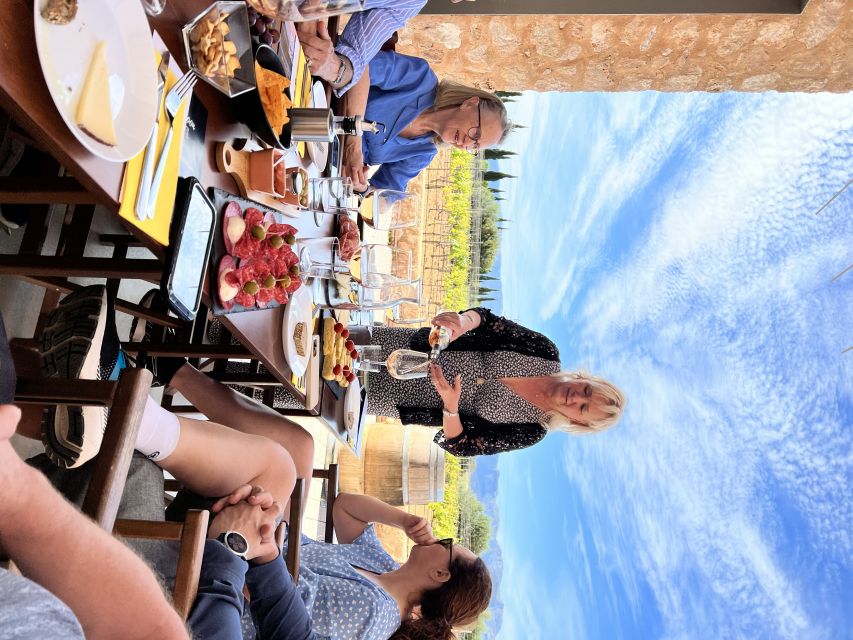
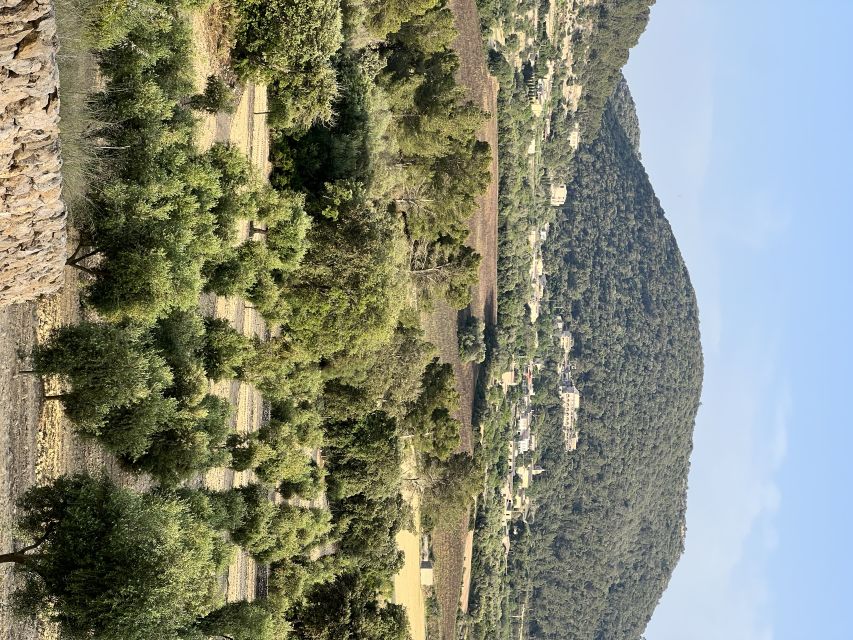
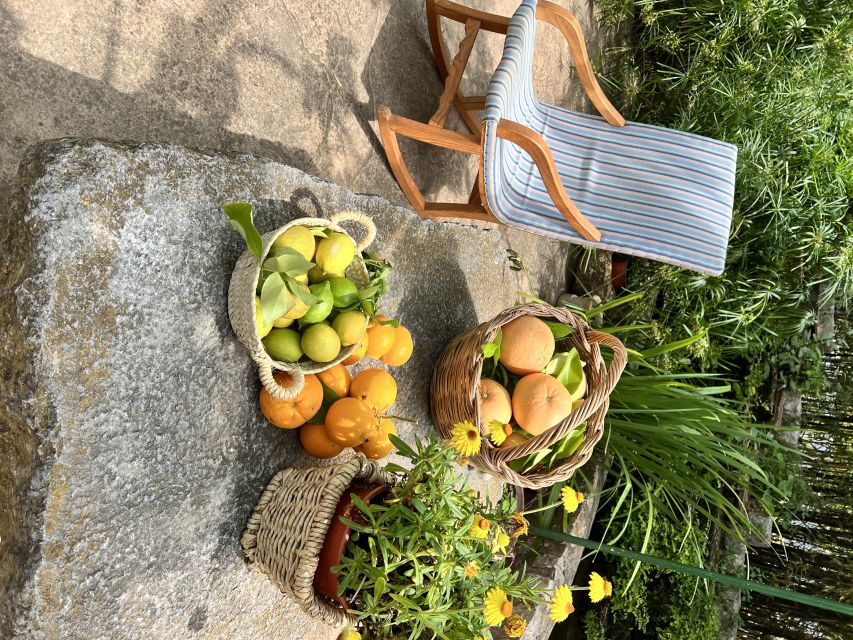
The first “hidden gem” stop lasts about 1.5 hours, and it’s all about the orange story on Mallorca. This is in the Tramuntana area, which matters because the mountains help shape the conditions where oranges thrive.
Here’s what you’ll do during this time:
- Walk the plantation at your own pace
- Learn how orange farming works on Mallorca
- Taste produce directly on site, including freshly squeezed orange juice
- Sample other local items such as jams and local snacks
Why this part is worth your time: oranges on Mallorca aren’t just a pretty product. The tour frames orange farming as a tradition tied to land, seasons, and careful cultivation methods. Even if you don’t consider yourself a food nerd, you’ll likely enjoy how the visit turns a simple snack into something with context—sun, soil, and farming practices that explain why oranges taste the way they do.
Possible drawback: since this is self-guided, you get a lot of freedom, but you also want to pay attention to any guidance you get at the start. If you want more explanations, be ready to ask your guide during the transfer or when you pause.
Stop 2: Time to reset on the van
There’s another transfer leg (about 35 minutes). Use it well. Bring water if you tend to get thirsty on tours like this, and use the time to get comfortable with the day’s rhythm: farm walks, guided milling and tasting, then winery time.
This break also helps you avoid the common day-trip problem: feeling like you’re always in motion without letting your senses catch up. You’ll need that once you start tasting olive oil and wine later.
Stop 3: Olive estate and mill (guided tour + olive oil tasting)
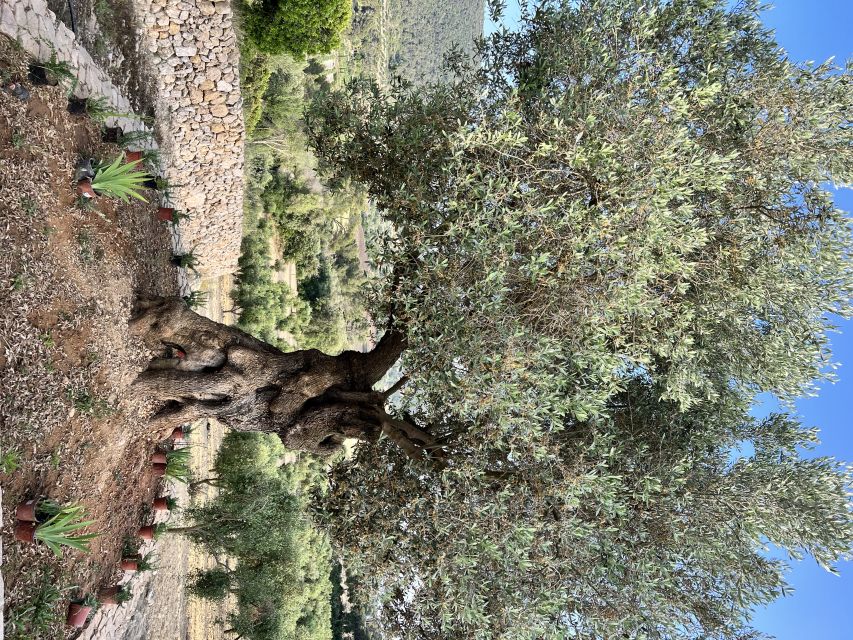
The next countryside stop lasts about 2 hours and focuses on Mallorca’s olive tradition. This is where you’ll get a guided tour of an olive estate and its oil mill (not just a view from the outside).
The tour also includes an olive oil tasting, and it connects the oil to a long chain of influences on the island:
- Phoenicians arriving in the 8th century BC
- Romans and Moors contributing to cultivation and production
- A later shift toward viticulture after the phylloxera disruption in 1891
- A modern revival of winegrowing since the 1980s
Even if you only remember one thing, remember this: Mallorca’s olive culture is older than most modern food trends. That’s part of why this stop feels more than a tasting. You’re learning the island’s timeline, then meeting it in a glass.
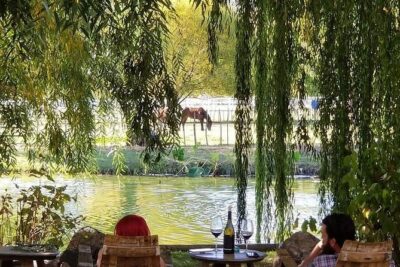
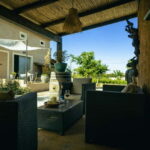
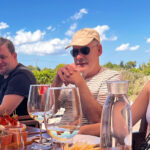
Also included here: a picnic lunch with local food. Because it’s part of the farm program, it usually feels more authentic than eating quickly in a town center. Expect a more relaxed, down-to-earth meal setting—often the kind of lunch that tastes better because you’re already in the right place.
Possible consideration: olive oil tasting can be strong if you’re not used to it. Plan on going slow, and take a sip of bread or whatever the snack setup includes (it’s described as local snacks alongside the tasting, but the exact items aren’t listed). You’ll enjoy it more if you treat it like a flavor lesson rather than a race.
Stop 4: Another ride to the winery
After the olive stop, there’s a 30-minute van transfer to the winery area. This leg sets up the final phase of the day: wine, guided storytelling, and structured tasting.
If you like learning while you eat, this transfer is a good time to think about what you’re trying to notice. For example, you can contrast the work behind olive oil (processing fruit into oil) with the work behind wine (grapes and fermentation). The tour gives you enough context that you can connect the dots yourself.
The winery visit: guided tour + tasting 3 wines
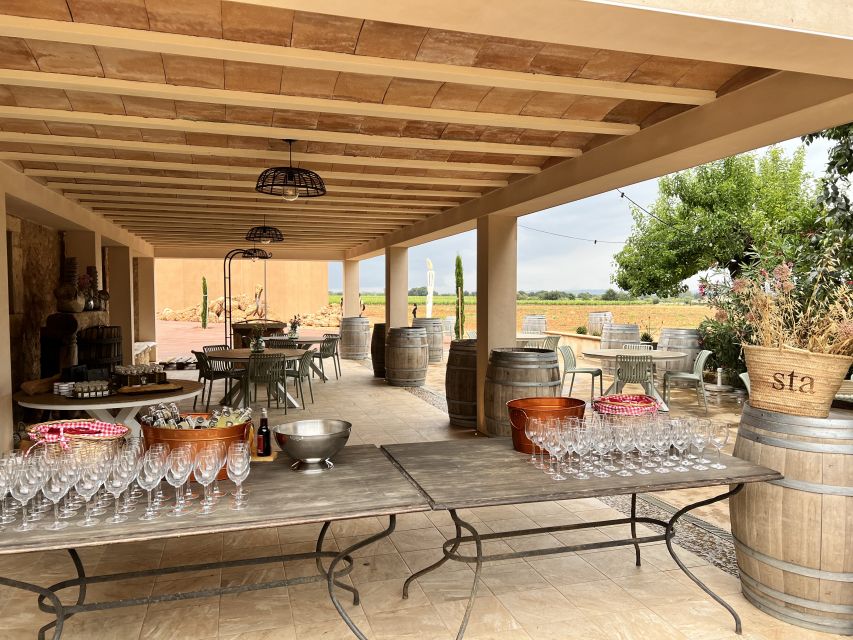
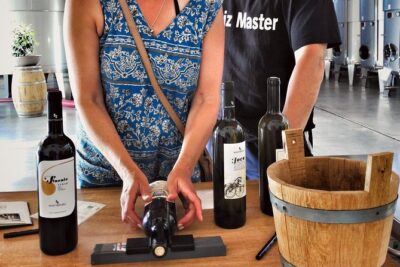
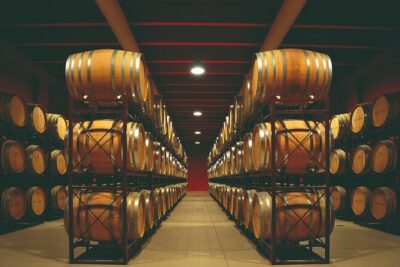
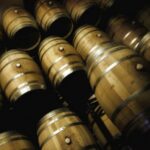
Your final “main” stop is the winery and lasts about 1.5 hours. This is where the day shifts from farms to cellar and craft—more structured, more explained, and usually more focused on the tasting room experience.
You’ll get:
- A guided winery tour
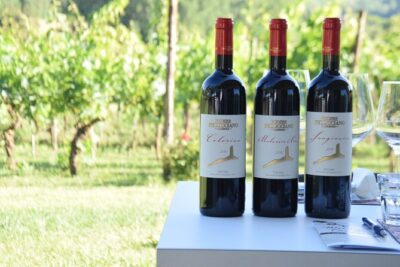
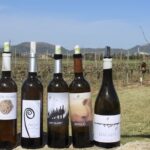
- A tasting of 3 local wines
- Local snacks served with the tastings
What I like about this approach is that the winery tasting isn’t just a casual sampling. The tour frames it as part of Mallorca’s agricultural story, which makes the wine taste more meaningful. You also come in with fresh knowledge from the orange and olive stops, so you’re not starting from zero.
Practical note: alcohol tastings are permitted in Spain only from age 18. If you’re under that age, you’ll want to consider how you plan to handle the wine portion.
Guides and pacing: why the small group matters
This tour is limited to 8 participants, and that shows in how the day feels. When you’re in a larger group, people often get bounced around like luggage. Here, it’s easier for the guide to slow down at the places where you’ll want questions—especially on the farms.
The guide experience also seems to be a strong point. Reviews highlight hosts and drivers who keep the day organized and informative, with names like Michael and Caroline showing up for their strong guidance, plus Yvonne noted for excellent driving around Mallorca. Even without expecting a specific person, that tells you the company puts effort into not just transporting you, but explaining what you’re seeing.
That matters because farm tours can turn into wandering. With a good guide, you get the story behind the taste, not just the taste itself.
Price and value: what $221 really covers
At about $221 per person, this isn’t a bargain-basement excursion. But when I look at what’s included, the pricing starts to make sense.
You’re paying for:
- Pickup and drop-off from the Palma area (including Palma, Can Pastilla, and Llucmajor)
- Transportation up to the Tramuntana region
- Multiple guided components (olive estate/mill and winery)
- Several tastings (orange sampling, olive oil tasting, and 3 wines)
- Picnic lunch with local food
- Snacks at different points in the day
If you tried to stitch this together on your own, you’d likely spend extra on transportation alone, and it’s difficult to replicate the guided oil mill and winery tasting structure without paying for separate experiences. This tour packages it into one day with enough time for each stop, which is where the value lands.
The biggest “value test” for you: are you the type who likes tasting as part of the sightseeing? If yes, this price is easier to justify.
What to bring (and what to skip)
Bring:
- Comfortable shoes (farm surfaces and walking time are part of the package)
Skip or limit:
- Luggage or large bags, since the tour doesn’t allow them
Also, if you’re planning to take photos, bring a small day bag and keep your hands free. You’ll want them available for sampling and for the short walks around plantation and estate areas.
Who this tour is best for
This fits especially well if you:
- Want a food-focused Mallorca day without planning a route
- Love olive oil, oranges, and wine—or want a friendly introduction to all three
- Prefer small-group tours over big-bus day trips
- Are okay with countryside walking and tasting sessions in the middle of the day
It might not be the best fit if you:
- Want a super urban sightseeing day with lots of free time in town
- Need step-free or wheelchair-friendly access (the tour notes it isn’t suitable for wheelchair users)
Should you book this Palma orange, olive, and winery tour?
I’d book it if your idea of a great Mallorca day is tasting your way through the island’s agriculture. The combination works: orange plantation sampling in the Tramuntana area, a guided olive estate and mill with olive oil tasting, then a winery visit with a structured 3-wine tasting plus snacks. Add a picnic lunch and you’ve got a full food day with built-in context.
I’d think twice if you hate walking, or if you’re looking for an art-and-architecture day instead of a countryside flavor tour. Also, if you’re sensitive to alcohol or under 18, you’ll want to plan around the tasting portion.
If you’re deciding between doing one or two tastings on your own, this one is strong because it bundles the full arc—fruit, oil, and wine—into a single organized 7-hour experience with pickup and a small group.
FAQ
FAQ
How long is the Palma: Orange Farm, Olive Mill, & Winery Tour?
It’s listed as 7 hours. Starting times vary, so you’ll want to check availability for the exact departure time.
Where does pickup happen?
Pickup is available from Palma and Platja de Palma, and the activity also states pickup at any accommodation in Palma, Can Pastilla, and Llucmajor.
Is pickup included in the price?
Yes. The tour includes pickup and drop-off at accommodations in the Palma area listed above.
What tastings are included?
You’ll have orange sampling (including orange juice and local snacks), an olive oil tasting, and a winery tasting of 3 wines with local snacks.
Do I get lunch on this tour?
Yes. A picnic with local food is included.
How big is the group?
The tour is a small group with a maximum of 8 participants.
What should I wear or bring?
Wear comfortable shoes. The tour also notes that luggage or large bags are not allowed.
Are there any alcohol restrictions?
Alcohol consumption is only permitted in Spain from age 18.
Is the tour wheelchair accessible?
No, it’s not suitable for wheelchair users.
If you tell me where you’re staying (Palma center vs Can Pastilla vs somewhere else), I can help you judge how painless the pickup/drop-off will be for you.