REVIEW · AIX EN PROVENCE
Provence Small Group Wine Full Day Tour in Chateauneuf du Pape vineyard from Aix
Book on Viator →Operated by Ophorus · Bookable on Viator
Chateauneuf-du-Pape is a wine lover’s shortcut. This full-day small-group tour pairs two winery tastings with a village visit and a viewpoint over the valley—plus you ride there in a comfy air-conditioned vehicle from Aix-en-Provence. It’s also one of the easiest ways to learn what people mean when they talk about aromas, flavors, and appellations without getting lost in jargon.
What I like most is the small group size (max 8), which keeps questions from getting swept under the rug. Second, the day is built around hands-on tastings at two different estates, so you can compare styles rather than doing one repeat-and-go stop. Guides named in past departures—Camille, Julien, Tomas/Thomas—also stood out for explaining the region and wine terms in plain language.
The one drawback to plan around is that snacks aren’t part of the tastings. France generally skips bread or crackers during wine pours, and several people noted that tasting on an empty stomach can make the alcohol feel heavier—so eat beforehand and hydrate.
In This Review
- Quick Takeaways Before You Go
- Why Chateauneuf-du-Pape Tours Work Best as a Small-Group Day Trip
- Morning: Arrive in Chateauneuf-du-Pape and Take in the Castle View
- First Winery Tasting: Learn How to Taste Beyond Pretty Labels
- Lunch on Your Own: How to Eat Well Without Derailing Your Afternoon Pouring
- Second Winery Tour: Comparing Two Estates in the Same Region
- Getting There and Back: Comfort, Timing, and a Real Sense of Flow
- Price and Value: What $190.10 Buys You (and What It Doesn’t)
- Who This Tour Suits Best (and Who Might Want a Different Plan)
- Should You Book This Chateauneuf-du-Pape Wine Day?
- FAQ
- How long is the Provence small group wine tour from Aix?
- What time does the tour start?
- Where is the meeting point in Aix-en-Provence?
- How many people are in the group?
- Are wine tastings included?
- Is lunch included in the price?
- Are snacks provided during the wine tastings?
- Is the tour adult-only?
- Are pets allowed?
- What is the cancellation policy?
- Is there air-conditioned transportation?
Quick Takeaways Before You Go
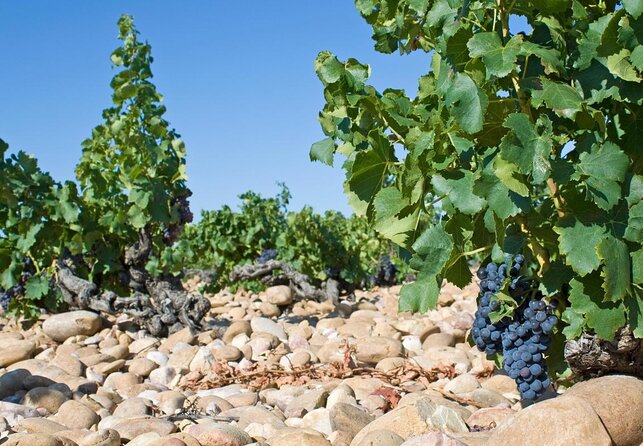
- Max 8 people: easier conversation with your guide at each stop.
- Two winery tastings included: you get a clearer sense of the region by tasting more than one estate.
- Chateauneuf-du-Pape village and ancient castle: the morning isn’t only bottles; it’s views and history too.
- A/C vehicle from Aix: you stay comfortable on the drive out and back.
- No meals included: lunch is on you, but your guide will suggest options.
- No snacks during tastings: plan a real breakfast or a solid early lunch.
Why Chateauneuf-du-Pape Tours Work Best as a Small-Group Day Trip
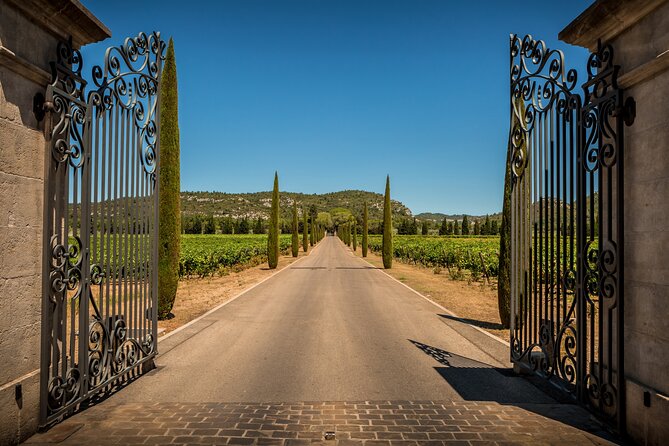
If you’re staying in Aix, this type of day trip makes sense. You get out to one of Provence’s headline wine regions without having to worry about driving, parking, or timing multiple tastings on your own.
The small-group format (up to 8 travelers) matters more than most people think. In a big van, you’re stuck listening while someone else asks questions. Here, you’re more likely to get your own moments—especially when the guide starts talking about how to read a wine by its smell and taste. Past guides such as Camille and Julien were specifically called out for making appellation language feel easier, not like a test.
Also, the tour is built for pacing. You’re not racing between stops. You get winery introductions, time to taste, and time to see the village and castle viewpoint—so the day feels like a real excursion, not a checklist.
Morning: Arrive in Chateauneuf-du-Pape and Take in the Castle View
You leave Aix-en-Provence at 9:00 am and head straight for Chateauneuf-du-Pape. The morning start is smart: you get cooler light for photos and less pressure to rush through viewpoints.
The first big moment is the village itself, with an ancient castle tied to the Popes’ summer residence. The tour also frames the area’s deep wine roots—there’s mention of early planting by Romans and the long timeline of winemaking that shaped this place. Even if you don’t care about the full chronology, you’ll feel the weight of the region when you’re standing where people once gathered for power, retreat, and agriculture.
Then comes the best payoff for many wine tourists: the panoramic valley view. This is where your brain connects the dots. You’re not just drinking wine that exists in a bottle—you’re seeing the broader setting that shapes it. Dry summers, hillside slopes, and long-growing-season conditions are easier to picture once you’ve got the view in front of you.
Practical note: wear shoes you’re comfortable walking in. Village stops often mean uneven ground and small climbs, even when the walk is short.
First Winery Tasting: Learn How to Taste Beyond Pretty Labels
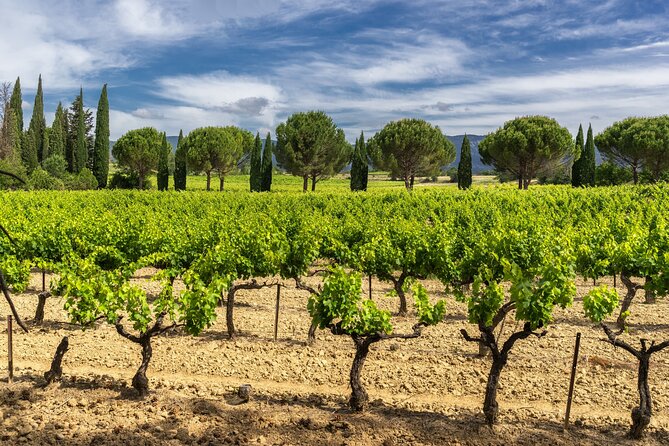
The morning includes a wine tasting at one carefully selected winery, after you arrive in the area. You’ll first get an estate introduction—usually the kind that turns a winery from a logo into a place with choices and history. After that, the tasting is where the tour tries to make you smarter fast.
This is the part people most often rave about. Guides named in reviews—Camille and Julien in particular—were praised for explaining appellation and terminology in a way that actually sticks. That matters because “notes” on a menu can be vague. When you learn what you’re looking for—like how aromas change from first swirl to final sip—you taste with more confidence.
What you should expect in the tasting experience:
- the winery’s history and how they think about their wine
- a guided tasting where you’re encouraged to compare what you smell and taste
- time to ask questions and figure out what’s driving each wine’s profile
One caution: tastings can include wines with higher alcohol levels. If you’ve had little food, the first pours can feel sharp. That doesn’t mean the wine is wrong—it means your body is missing the buffer. Plan your morning like a pro: eat first.
Lunch on Your Own: How to Eat Well Without Derailing Your Afternoon Pouring
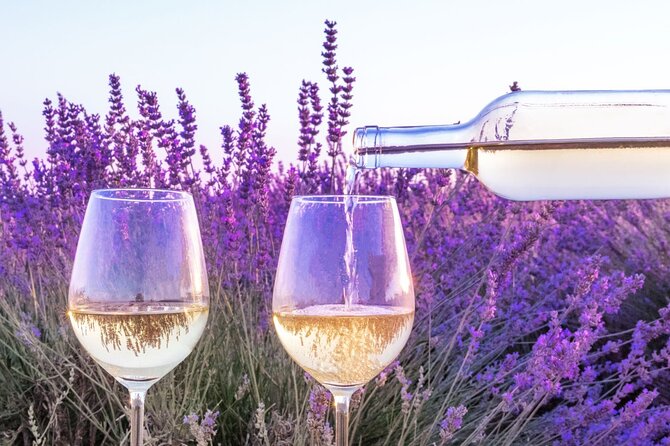
Lunch is not included. Instead, your guide suggests local options. That’s helpful, because you don’t want to gamble on a random spot that’s too touristy, too far, or too slow.
Here’s my practical advice: treat lunch like a strategy session. You want enough food to keep your palate steady and your energy level up for the second winery.
Also, remember that the tour guidance specifically flags a France-style norm: snacks aren’t usually provided during wine tastings. So you’re not getting bread or crackers to help you through the pours. If you tend to get lightheaded or taste-wise “gone” after a few wines, a heavier lunch (and water) is your friend.
If you want to make lunch easy:
- choose a sit-down meal over a quick pastry-only option
- go for something that includes carbs and protein
- drink water regularly, not just during tastings
Then you’ll be ready for the second estate without feeling like you’re working through a test you didn’t study for.
Second Winery Tour: Comparing Two Estates in the Same Region
After lunch, you visit a second Chateauneuf-du-Pape winery, with another tasting included. The format stays similar—estate introduction first, then a focus on the wines and how they’re made and perceived.
Why a second stop is so valuable: Chateauneuf-du-Pape can feel confusing if you only taste one place. Different estates may emphasize different styles, winemaking choices, or selections. Two tastings let you notice patterns instead of chasing one “favorite” you can’t explain.
This is also where pacing and group flow matter. One review mentioned that at least some tastings can involve shared tasting arrangements, like sharing tasting with another person and not receiving individual glasses. That won’t ruin the day, but it’s a heads-up: if you strongly prefer individual glasses or very personalized presentation, you may want to set expectations early.
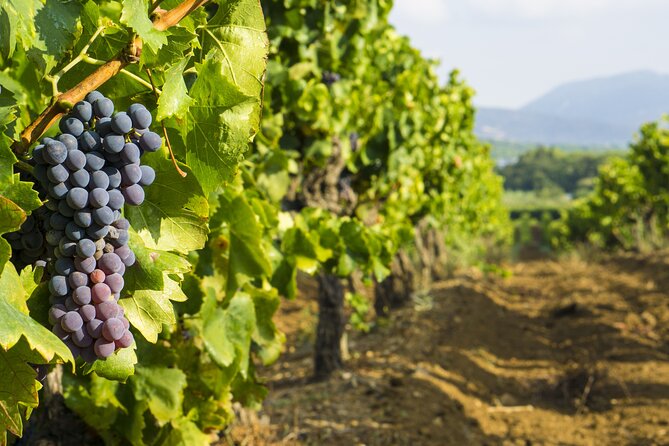
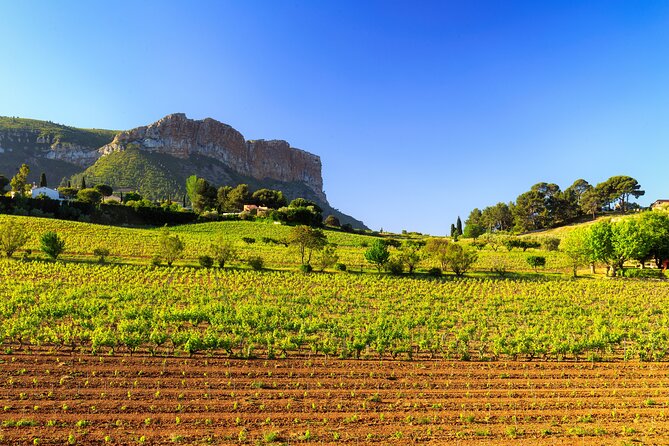
Still, the overall experience quality is repeatedly praised: people highlighted that the vineyards were beautiful, the tours were smooth, and the tasting time felt substantial enough to actually learn.
If you want to get the most out of the afternoon, use your first tasting as a baseline. Ask yourself:
- Did the flavors change, or just the intensity?
- Did the aromas shift from fruit-forward to more structured notes?
- Which part of the taste profile felt most different—finish, balance, or texture?
When you compare with intention, the second winery stops being “another tasting” and becomes a lesson.
Getting There and Back: Comfort, Timing, and a Real Sense of Flow
This tour runs for about 8 hours and starts at 9:00 am, returning to the same meeting point in Aix. It’s an adult-only tour (minimum 18 years old) and pets aren’t allowed.
The vehicle is air-conditioned, and that detail isn’t small. Provence can get hot, and a comfy ride helps you arrive with your senses intact. One review specifically noted that the bus stayed comfortable even in peak summer heat. That’s exactly what you want when your plan includes wine tasting, walking, and a midday meal.
Also, the small group size (max 8) affects logistics in a positive way. You’re less likely to feel like you’re waiting on a big crowd or losing your spot when you want to ask a question.
Price and Value: What $190.10 Buys You (and What It Doesn’t)
At $190.10 per person for roughly 8 hours, you’re paying for more than a couple sips.
Your included value:
- Transport in an air-conditioned vehicle from Aix
- Wine tastings at 2 wineries (tasting fees included)
- An English-speaking guide focused on local wine context
Your not-included costs:
- meals and drinks not mentioned in the program
- any monument or museum entrance fees not stated as included
- gratuities
- snacks during tastings (not provided)
So is it good value? For most wine-day-trippers, yes—because you’re effectively buying a guided day that covers both wine education and scenic sightseeing. The two winery stops are key. If this were only one tasting, the cost would feel harder to justify. With two, you can actually compare styles and walk away with a clearer sense of what you like.
Where you can save money: plan your own lunch, but keep it simple. Don’t waste time hunting a last-minute meal while you’re already a bit “lit” from tastings.
Who This Tour Suits Best (and Who Might Want a Different Plan)
This is a great fit if you want:
- a guided wine day without driving yourself
- a structured tasting where someone helps you connect aromas and flavors to the region
- enough time for views and a village stop, not only cellar time
It’s also ideal if you’re traveling with a friend or partner and want a shared experience. One review mentioned a couple booking that day and getting a private tour, which shows flexibility depending on demand.
You might consider a different approach if:
- you’re very sensitive to alcohol and don’t like tasting without food (the tour doesn’t provide snacks)
- you want fully catered meals (lunch is on you)
- you expect every tasting to be fully individualized (some shared tasting setups can happen)
Should You Book This Chateauneuf-du-Pape Wine Day?
I’d book it if your goal is a well-paced, small-group day that teaches you something and still lets you enjoy the scenery. The strong points are consistent: two tastings, a village and castle viewpoint, and guides who explain appellations in a way that makes sense.
Book with confidence if you’ll do two things: eat before you start tasting, and go into the day ready to compare wines, not just “collect tastes.” With that mindset, the $190.10 price turns into a full Provence wine experience, not a hurried tasting sprint.
FAQ
How long is the Provence small group wine tour from Aix?
It’s approximately 8 hours.
What time does the tour start?
The start time is 9:00 am.
Where is the meeting point in Aix-en-Provence?
The meeting point is 300 Av. Giuseppe Verdi, 13605 Aix-en-Provence, France.
How many people are in the group?
The tour has a maximum of 8 travelers.
Are wine tastings included?
Yes. Wine tasting fees are included at two wineries.
Is lunch included in the price?
Meals and drinks are not mentioned as included. At lunch, the guide will suggest local options, so you should plan to pay for your own meal.
Are snacks provided during the wine tastings?
Snacks are usually not provided in France during wine tastings. It’s recommended that you have a good breakfast or lunch beforehand.
Is the tour adult-only?
Yes. The minimum age to participate is 18 years old.
Are pets allowed?
No, pets are not allowed on the tour.
What is the cancellation policy?
Free cancellation is available up to 24 hours in advance for a full refund. If you cancel less than 24 hours before the experience’s start time, the amount paid is not refunded.
Is there air-conditioned transportation?
Yes. The tour includes an air-conditioned vehicle.
If you want, tell me your travel dates and what wines you already like (reds, rosés, GSM-style blends, etc.). I can suggest the best way to pace tastings across the two wineries so you enjoy the day instead of white-knuckling the pours.