REVIEW · RHODES
Rhodes: Winery Tour, Tasting and cooking with the Winemaker
Book on GetYourGuide →Operated by Timonfaya Travel Lanzarote · Bookable on GetYourGuide
Wine, vines, and a cooking class in one afternoon. I love the way the experience starts with a guided walk in the vineyards, then moves straight into a hands-on Greek cooking session with Jason, the winemaker. I also love finishing with a traditional mezedes-style meal served with vineyard views. One thing to plan for: transportation isn’t included, so you’ll likely need a taxi or local ride to get there.
What makes this tour feel special is the pacing. You’re not just tasting from a glass—you’re learning how grapes get grown and turned into wine, then pairing that with food you help make. You’ll also get a tsipouro tasting at the end, so you leave with a fuller picture of the whole grape-to-drink story.
With a 3-hour time slot and English/French hosting, it’s a good fit if you want an active but not exhausting day. Also, based on past group feedback, group size can run a bit large, so if you prefer quiet, small-group attention, go with a little flexibility in your expectations.
In This Review
- Key highlights you’ll feel right away
- Vineyard walk with Jason: where the tour truly starts
- Wine tasting at the outdoor bar: making sense of 5 labels
- Greek cooking session: why hands-on beats watching
- Mezedes meal over the vines: mostly vegetarian and built for pairing
- Tsipouro tasting at the distillery: the grape spirit finish
- Price and value: is $93 worth it for 3 hours?
- Logistics on Rhodes: where to meet and how to get there
- Who should book this Rhodes wine and cooking tour?
- Should you book? My practical take
- FAQ
- FAQ
- How long is the Rhodes winery tour?
- What’s the price per person?
- Is transportation to the winery included?
- Where is the meeting point?
- What languages are the host or greeter speaking?
- What does the wine tasting include?
- Is there a Greek cooking class?
- What kind of meal is served after cooking?
- What dishes might be included in the mezedes?
- Is tsipouro included?
Key highlights you’ll feel right away

- Vineyard walk with Jason: sustainable viticulture and traditional vinification explained on site
- Wine tasting of 5 labels at an outdoor bar with guided commentary
- Hands-on Greek cooking: participation is optional, but it’s the most fun part
- Mezedes meal with vineyard views: mostly vegetarian plates made for pairing
- Tsipouro tasting at the distillery: a proper look at grape distillation and the digestif ritual
- You get the process, not just the product: grape cultivation, fermentation, and aging come up clearly
Vineyard walk with Jason: where the tour truly starts
The tour begins out in the vineyards, and that first segment sets the tone. You’re walking, looking at grape-growing realities up close, and learning how local grapes are grown and managed through the seasons. The focus isn’t on vague wine talk. You’ll hear about sustainable viticulture and how traditional methods still shape the final bottle.
This is also where you learn to see the place you’re about to taste. Once you’ve stood among the vines and heard the basics of pruning and cultivation, tasting stops being random. You start to notice why a wine might feel lighter, more structured, or more aromatic. It’s not a “school” vibe, either. It’s explained in a way that feels social and doable.
One useful detail from the way Jason hosts: he mixes serious wine craft with humor—sometimes a bit of sarcasm and witty jokes. That matters. When someone keeps the mood light, you don’t feel pressured to act like an expert. You can just ask questions and enjoy the walk.
Expect the vineyard portion to be part education, part orientation. You’ll get the sense of what makes Rhodian wine character-driven—coming from the land, the growing approach, and how the grapes are handled before fermentation.
You can also read our reviews of more tours and experiences in Rhodes.

Wine tasting at the outdoor bar: making sense of 5 labels

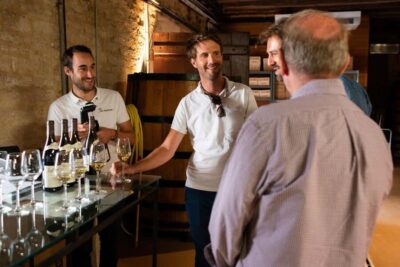
After the vineyard walk, you move to an outdoor wine bar for a guided tasting of 5 wines. This part works because it’s structured. You taste multiple labels, then you’re given the “why” behind them—how production choices can influence flavor and style.
The guide covers the production pathway from grape cultivation to fermentation and aging. Even if you only catch the key points, you’ll still walk away with a better mental map:
- cultivation choices affect how the grape expresses itself
- fermentation shapes texture and aroma
- aging decisions influence how long flavors last and how the wine feels in the glass
What I like about this setup is that it turns tasting into a conversation. You’re not just handed pours and told to rate them. The tasting includes guided commentary, so you learn how to pay attention—without needing a winemaker’s vocabulary.
Past participants also note the quality of the wines and the way aromas and flavors come through. That tracks with what happens when you taste thoughtfully and in sequence. Each wine becomes a data point, not just a sip.
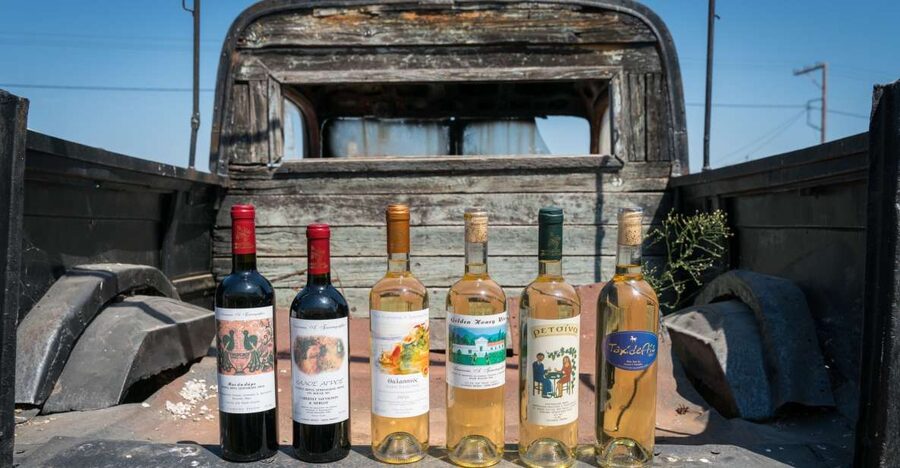
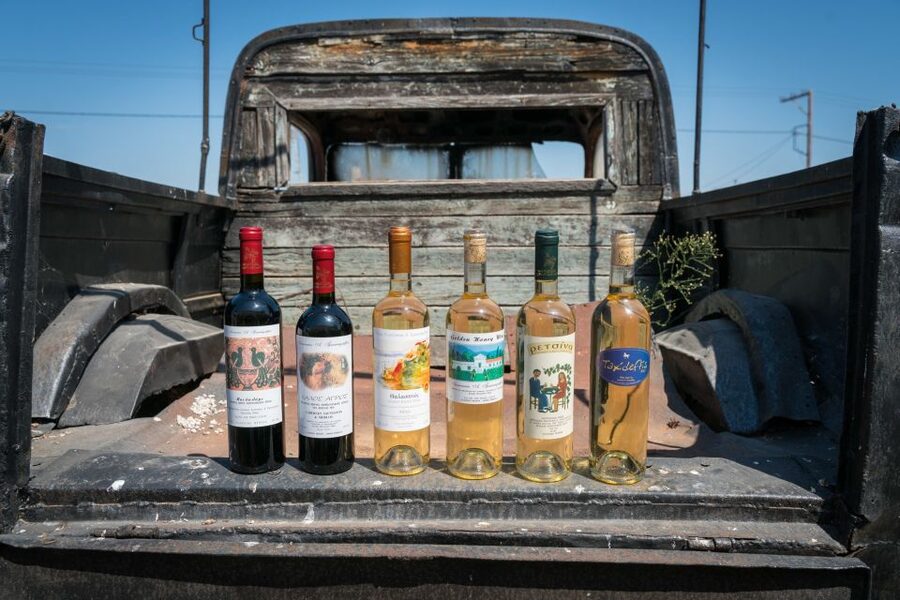
A small bonus you might notice: some labels use artwork choices (including paintings), which makes the bottles feel like part of the vineyard personality rather than anonymous brands. If you’re the kind of person who likes design, it’s a fun extra detail.
Greek cooking session: why hands-on beats watching
Next comes the Greek cooking session. Participation is optional—but it’s strongly encouraged. And I get why: when you actually make food, you understand it. You also get a faster way to connect to the ingredients behind the mezedes meal that comes after.
You’ll prepare traditional dishes inspired by local recipes and seasonal ingredients. The cooking is interactive, with clear steps, and it’s built for real engagement, not just an audience. In particular, past sessions have included learning to make things like tzatziki and eggplant salad, plus dishes such as dolmades (stuffed grape leaves). Even if you don’t handle every step, you’ll be able to taste the results and connect them to the meal ahead.
This part matters for value. Many wine tours stop at tasting and food is just a separate add-on. Here, the cooking is the bridge between wine and place. You learn the flavors of Greece in a practical way, then you’re fed that same flavor logic right after.
Also, the tone seems designed for enjoyment. People describe laughter and good energy during the cooking portion. That’s the kind of atmosphere that makes a few hours feel like a full, satisfying day.
If you’re short on confidence in the kitchen, don’t worry. You’re not expected to plate like a chef. Think of it as guided fun, with just enough structure to keep you moving and learning.
Mezedes meal over the vines: mostly vegetarian and built for pairing
After cooking, you sit down for the meal: a tapas-style Greek spread called mezedes. It’s served in a restaurant area with vineyard views, so the setting stays tied to the earlier vineyard walk. That makes a difference. Food tastes better when you’re in the right room, and this is the right room.
The menu is mostly vegetarian and typically includes:
- local bread
- Greek salad
- tzatziki
- tirokafteri
- eggplant salad
- and other traditional specialties
You’ll also get the sense that the meal is designed to match the wines you’ve already tasted. That pairing logic doesn’t require you to be a sommelier. If you pay attention—like noticing how a creamy dip changes what you taste next—it starts clicking.
One detail that’s worth knowing: the meal can feel long and multi-course. Some participants have described it as an eleven-course style experience. If you’re used to quick tavern meals, this will feel more like a mini banquet. Plan to arrive hungry, and you’ll enjoy the flow instead of feeling rushed.
Food quality also comes up strongly in past feedback, including praise for how well it fit the occasion and how it matched the wines.
If you’re vegetarian (or mostly vegetarian), this tour is a good match based on what’s served. If you eat everything, you’ll still likely appreciate the emphasis on Greek classics done with care.
Tsipouro tasting at the distillery: the grape spirit finish
The last act is tsipouro, a grape distillate. You step into the distillery area, learn about the distillation process, and then taste it traditionally served as a digestive.
This is a smart closing move. After wine and food, you get something different: a distilled spirit that changes the flavor rhythm. It also makes the grape story feel complete. You started with vineyard cultivation. Then you tasted fermented wine. Now you see how grapes can go through distillation to become tsipouro.
Even if you don’t know much about spirits going in, you’ll likely come away with a basic understanding of what distillation adds to the character of grape products. And since it’s served as a digestif, it feels like the kind of ending you’d find in Greek hospitality—warm, friendly, and meant to keep the conversation going after dinner.
If you’re sensitive to strong alcohol, keep that in mind. The point here isn’t to drink fast; it’s to understand and sample.
Price and value: is $93 worth it for 3 hours?
At $93 per person for a 3-hour experience, you’re paying for more than wine. You’re paying for:
- a guided vineyard walk
- a guided tasting of 5 wines
- a Greek cooking class
- a multi-course mezedes meal (mostly vegetarian)
- a tsipouro tasting
On a pure wine basis, some tours offer tasting without meaningful food depth. Here, food is a full segment—and cooking is included, not just eaten. That’s where the value shifts.
You’re also getting explanations that connect the dots between vineyard choices, fermentation, aging, and what you taste in the glass. That “story” component is part of the ticket price.
Finally, you’re doing it in a single package, so you don’t have to plan multiple stops: vineyard, tasting room, cooking, and meal. If you want a concentrated Rhodian food-and-wine afternoon without building a DIY route, it’s a strong deal.
If you only want a quick tasting and a snack, this might feel like more time and more food than you need. But if you want a genuine experience with multiple moving parts, it’s priced like one.
Logistics on Rhodes: where to meet and how to get there

Transportation isn’t included. That’s the one planning point you can’t ignore.
The meeting point is here (copy/paste into Google Maps):
https://maps.app.goo.gl/7amGite8nTDR3D2bA?g_st=ic
Many visitors get there with a taxi from nearby areas. For example, one person reported taking a taxi from Ixia for around 40 euros, which gives you a rough idea of the reality: you’re not walking off the bus and into a courtyard.
Also remember the tour duration is about 3 hours. That’s long enough to get involved, cook, and eat, so make sure you don’t stack it right next to another fixed activity.
Group size can be a factor. Some past experiences mention the groups can get large, which can mean less one-on-one attention at certain moments. The good news: the format still works, because the tasting, cooking, and meal keep you involved even when there are more people around.
Who should book this Rhodes wine and cooking tour?

Book it if you want:
- a vineyard walk that connects wine tasting to real growing practices
- an actual Greek cooking session (not just watching)
- a mezedes meal with vineyard views
- a tsipouro tasting that finishes the story
You’ll likely enjoy it most if you’re the type who likes learning by doing. You don’t need wine expertise. You just need curiosity and an appetite.
Skip it (or at least think twice) if:
- you don’t want to arrange transportation
- you prefer very small groups and lots of personal attention
- you’d rather do a quick tasting instead of a full food-focused afternoon
Should you book? My practical take
Yes, I think you should book this one if you’re staying in Rhodes and want a value-packed, hands-on day centered on local wine, Greek classics, and tsipouro. The combo is the point: vineyard + guided tasting + cooking + mezedes + distillery finish.
The only strong caution is logistics. If getting there is a hassle or expensive for your location, the tour can feel less “good deal” and more “one-off splurge.” But if you can handle a taxi and you’re hungry for a full experience, this is the kind of tour that leaves you with more than photos—you leave with flavors, process, and a story you can tell.
FAQ
FAQ
How long is the Rhodes winery tour?
The tour lasts about 3 hours.
What’s the price per person?
The price is $93 per person.
Is transportation to the winery included?
No. Transportation is not included.
Where is the meeting point?
You’ll find the meeting point here on Google Maps (copy/paste): https://maps.app.goo.gl/7amGite8nTDR3D2bA?g_st=ic
What languages are the host or greeter speaking?
English and French.
What does the wine tasting include?
The tour includes a guided wine tasting of 5 labels.
Is there a Greek cooking class?
Yes. You’ll join a Greek cooking experience. Participation is optional, but it’s encouraged.
What kind of meal is served after cooking?
You’ll eat a multi-course Greek mezedes meal, mostly vegetarian.
What dishes might be included in the mezedes?
The meal can include local bread, Greek salad, tzatziki, tirokafteri, eggplant salad, and other traditional specialties.
Is tsipouro included?
Yes. The tour includes a tsipouro tasting and an introduction to the distillation process.