REVIEW · APULIA
Salento Wine Tradition: Historic Cellar Visit & Tasting
Book on GetYourGuide →Operated by Timonfaya Travel Lanzarote · Bookable on GetYourGuide
Salento wine is best when it feels small and real. This family-owned winery visit in the Apulia countryside mixes a historic cellar tour with a guided 3-wine tasting paired with taralli, so you get both story and flavor. I like how the walk through the old rooms puts you right next to the oak barrels, and I like that the tasting includes three of the winery’s own wines instead of a quick sip-and-go.
One thing to plan for: it’s only 1.5 hours, and there’s no hotel pickup, so you’ll want to handle getting there on your own.
In This Review
- Key Highlights You’ll Feel Fast
- Why Salento’s Old Cellar Tour Feels Personal
- Getting There in Your Own Time (No Pickup Means Planning)
- Entering the Cellar: Oak Barrels and the 1885 Story
- Wandering the Vineyards Before You Taste
- The 3-Wine Tasting: Primitivo, Negramaro, and Fruity Rosé
- Taralli Pairing: Why the Snack Matters
- What the Guide Adds (Beyond Facts)
- Timing and Group Flow: A Tight 1.5 Hours
- Price and Value: Does $37 Actually Make Sense?
- Who This Winery Visit Is Perfect For
- Quick Practical Notes That Help You Enjoy It More
- Should You Book This Salento Wine Tradition Tour?
- FAQ
- How long is the Salento wine tradition visit?
- What does the tasting include?
- Which wines will I try?
- Is hotel pickup included?
- Is food included in the tour price?
- What languages are available for the guide?
- Is the tour wheelchair accessible?
Key Highlights You’ll Feel Fast
- 1885-founded winery: you’re not touring a new tasting room; you’re visiting a long-running cellar operation.
- Oak barrels, up close: you’ll see where aging happens, not just hear about it.
- Three wines, guided: you taste the winery’s Primitivo, Negramaro, and a fruity rosé with explanations along the way.
- Taralli pairing: those simple crackers make it easier to notice what changes from glass to glass.
- Vineyard stroll: you’ll step through the growing area and connect the grapes to what ends up in your glass.
- English/French/Italian hosting: the experience is guided and accessible in multiple languages, including English.
Why Salento’s Old Cellar Tour Feels Personal

Salento can be touristy in the wrong places. This doesn’t feel like that. The winery is family-run and set in the countryside of Apulia, so the visit has a calm, lived-in feel. You’re touring a working place where winemaking is part of daily life, not just a weekend show.
What makes it work is the pacing. You don’t just stand in one room. You move from the vineyards to the cellar, then into tasting mode. That “from vine to barrel to glass” flow helps the whole experience click.
Also, the guides clearly know how to keep things human. One guide you may meet is Beatrice, and in at least some cases a family member (including a son who can speak French) helps make the experience smoother when language matters. That family touch is the reason people leave smiling instead of scribbling notes and rushing back to town.
Getting There in Your Own Time (No Pickup Means Planning)
There’s no hotel pickup or drop-off. That’s not a dealbreaker, but it changes your day. You’ll need to arrive on time where the winery visit starts, using whatever local transport you’ve arranged.
Here’s the practical move: build a little buffer into your schedule. Rural Apulia takes time to get around. If you’re coming from a busier area, check your local timing so you’re not sprinting with a glass of wine on your mind.
If you’re planning day trips in Salento, this tour is best as a focused stop. Put it in the middle of the day when you can slow down, not as a rushed add-on between two distant plans.
Entering the Cellar: Oak Barrels and the 1885 Story

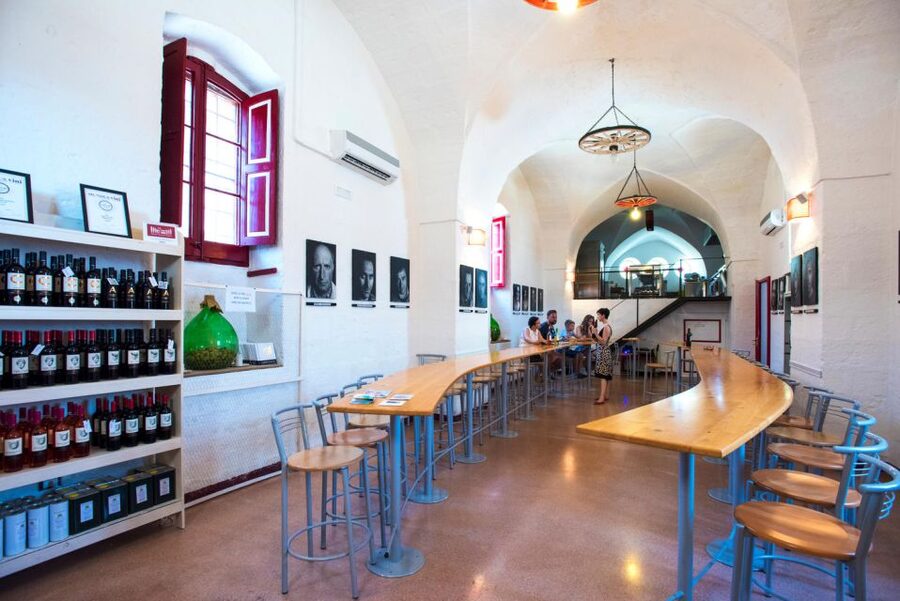
The heart of the visit is the guided tour of one of the older wineries in Apulia. The winery was founded in 1885, which means the cellar experience isn’t staged for Instagram. You walk through old spaces, then into the part where aging happens.
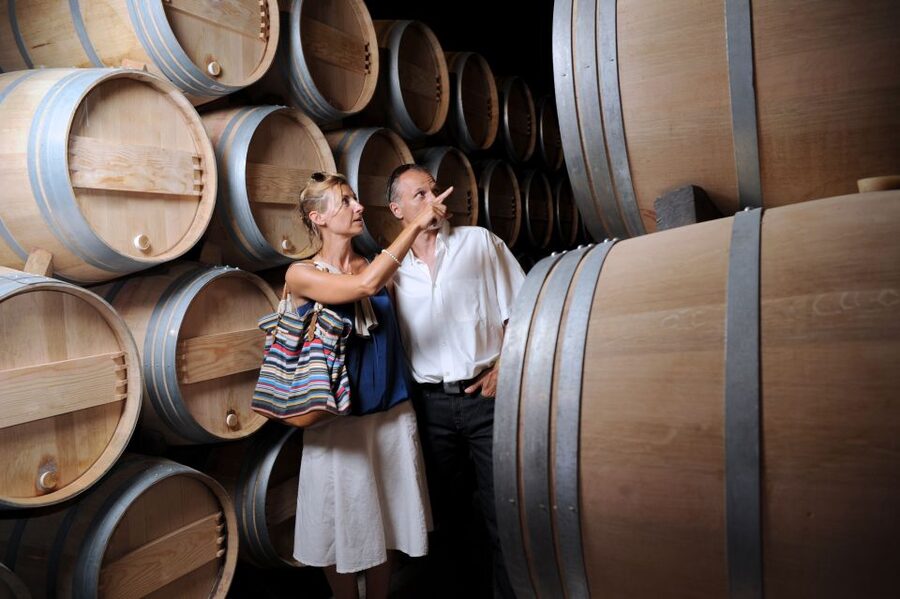
The big visual moment is the oak barrels. Seeing them in person helps you understand what aging does in practical terms: it’s not magic; it’s time, storage, and careful handling. Your guide explains how the wine is produced, step by step, so the cellar feels like an educational place, not just a cool room.
You’ll also get a chance to meet the winemaker. That matters more than you’d think. When the person responsible for the wine is part of the visit, the explanations tend to feel grounded. It’s easier to ask questions, and it’s easier to hear what they care about most.
And yes, it’s a real tour cadence. Expect walking, looking, and listening. You’re not just getting waved past displays.
Wandering the Vineyards Before You Taste
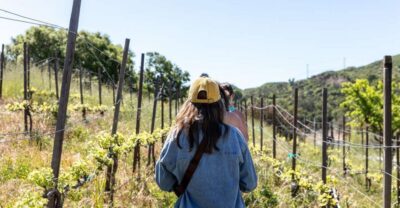
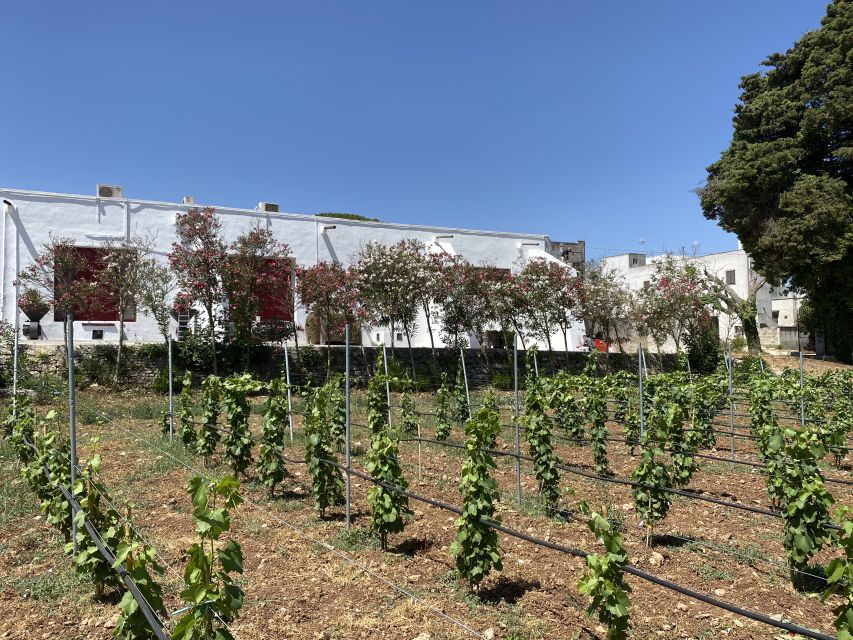
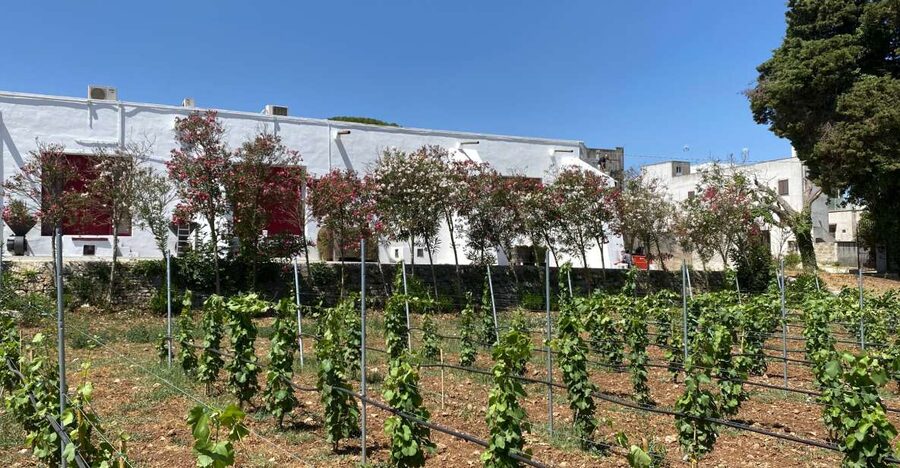
Before the tasting, you get a stroll through the vineyards. It’s a simple step, but it’s a smart one. Seeing the place where the grapes ripen to perfection in the rich Italian sun helps you connect the dots.
This isn’t a long hike. It’s a gentle walk that sets context. You’ll come away with a clearer picture of why these specific grapes show up in the winery’s lineup.
If you’re the kind of person who likes to understand what you’re drinking, this vineyard time is worth it. Even a short walk makes the later tasting feel less random.
The 3-Wine Tasting: Primitivo, Negramaro, and Fruity Rosé
The tasting is the main event: you’ll try three different wines produced by the winery. The lineup includes Primitivo, Negramaro, and a fruity rosé. You taste them as part of a guided session, not as a solo free-for-all.
What I like about this format is that it’s small enough to pay attention. Three wines gives you variety without turning the experience into a blur. And because the guide is there, you can ask what differences to look for.
You also get a sense of how the winery thinks about its own range. Instead of just tasting for effect, you taste for comparison. It helps you notice how each wine’s character shows up when paired with a snack like taralli.
One helpful detail: the tour is described as a guided tasting with the guide explaining the winemaking in detail. That means the tasting isn’t just about what you think you taste. It’s also about what the winery did to make the wine what it is.
Taralli Pairing: Why the Snack Matters
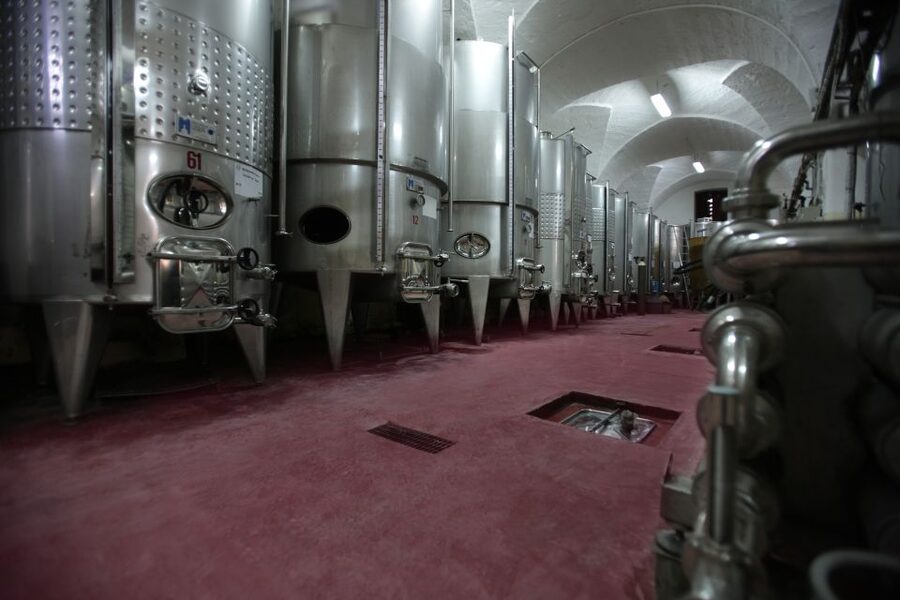
The wine is paired with taralli crackers. If you’re not familiar, taralli are a traditional snack bread-cracker type thing, simple and savory. They’re exactly the kind of pairing that works in real life because they don’t drown out the wine.
This pairing does two useful jobs:
- It resets your palate so the next glass feels clearer.
- It gives you a savory anchor, so the wine’s flavors feel easier to track.
I also like how the pairing reinforces the Italian vibe. It’s not fancy amuse-bouche language. It’s a traditional snack served in a setting where wine is part of the local rhythm.
What the Guide Adds (Beyond Facts)
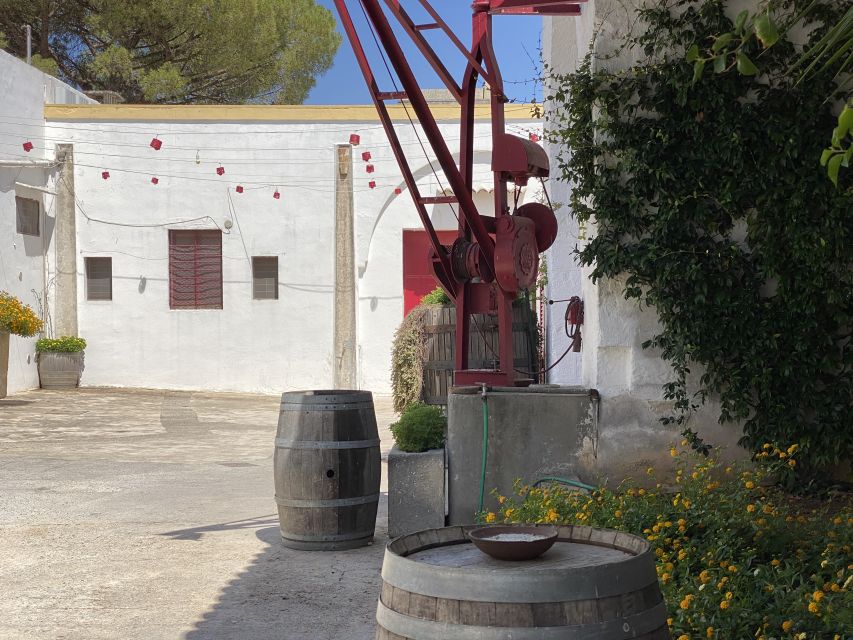
A good tasting guide can make you feel like you’re learning something without turning it into a lecture. That’s the tone here. The guide explains secrets of Italian winemaking and walks you through what you’re seeing in the cellar.
If you’re lucky with your timing, you might meet Beatrice, who comes up in past experiences as a standout host. Regardless of who guides your group, the real win is clarity. You come away understanding what you toured and what you tasted, instead of leaving with only names like Primitivo and Negramaro.
Also, the fact that the host can work in English, French, and Italian matters. Wine tours often suffer when language gets messy. Here, the explanations are built to be shared.
Timing and Group Flow: A Tight 1.5 Hours
The total duration is 1.5 hours. That length is part of why this experience is good value. You get vineyard context, cellar history, and the tasting—without burning your whole afternoon.
The trade-off is that it’s focused, not slow. If you want a long, sit-down tasting with extra pours or a deep food pairing, this is not that kind of outing. Think of it as a curated sampler of what this winery does well.
So if you’re planning your day, treat it like a main event. Then pair it with an easy lunch or a late coffee afterward—something you can do at your own pace.
Price and Value: Does $37 Actually Make Sense?
At $37 per person, the value depends on what you compare it to.
Here’s what you get for the money:
- A guided winery tour
- A tasting of 3 wines
- Pairing with taralli
- Vineyard time plus cellar time with oak barrels and winemaking explanation
You’re paying mostly for access and instruction. Wine tasting experiences can be expensive when you’re only paying for a few sips in a pretty room. This one adds real structure: cellar visit, vineyard stroll, and guided production talk.
You should also factor in what’s not included:
- No hotel pickup or drop-off
- No food beyond the taralli pairing
Still, for a 1.5-hour guided experience with three winery-produced wines and a proper tour, $37 often feels reasonable—especially if you’d otherwise pay a similar amount for just a tasting at a stop that doesn’t include the cellar walk.
Who This Winery Visit Is Perfect For
I’d point this tour at you if:
- You want a family-run feel rather than a mass-market setup.
- You like learning while you taste, not tasting blindly.
- You want to see oak barrels and vineyards as part of the same visit.
- You’re traveling with mixed interests (some people like wine, others like countryside scenes and guided storytelling).
It’s also a smart choice if you’re short on time in Salento but still want something authentic. One stop, one tasting, done—without the fatigue of a half-day tour engine.
If your idea of fun is long dinners and heavy food pairings, you might find the experience a bit brief. But if you want a focused wine moment with context, it hits the sweet spot.
Quick Practical Notes That Help You Enjoy It More
- Expect a guided pace that mixes walking and tasting. Wear comfortable shoes for the cellar and the vineyard stroll.
- Plan your transport since there’s no pickup.
- The tasting includes three wines, so pace yourself and treat it as a wine education session, not a drinking contest.
- If you’re booking ahead, you can usually keep plans flexible since the experience offers free cancellation up to 24 hours in advance and a reserve now & pay later option. That’s useful when you’re building a Salento itinerary.
Should You Book This Salento Wine Tradition Tour?
Book it if you want a short, well-guided winery visit that feels rooted in place. The combination of the 1885 cellar tour, the oak barrels, the vineyard stroll, and the 3-wine tasting (Primitivo, Negramaro, fruity rosé) with taralli is exactly the kind of experience that makes a trip to Salento feel less generic.
Skip it only if you require extra food, long tastings, or convenient pickup from your hotel. If you can handle getting there on your own and you’re happy with 1.5 hours, this is a solid, value-forward choice for Apulia wine lovers.
FAQ
How long is the Salento wine tradition visit?
The tour lasts 1.5 hours.
What does the tasting include?
You’ll taste three wines produced by the winery.
Which wines will I try?
The tasting includes Primitivo, Negramaro, and a fruity rosé.
Is hotel pickup included?
No. Hotel pickup and drop-off are not included.
Is food included in the tour price?
Food is not included, but the tasting includes a pairing with taralli crackers.
What languages are available for the guide?
The host or greeter is available in English, French, and Italian.
Is the tour wheelchair accessible?
Yes, the activity is described as wheelchair accessible.