REVIEW · SARDINIA
Sardinia: Winery Tour and Wine Tasting Experience
Book on GetYourGuide →Operated by Cantina Ferruccio Deiana · Bookable on GetYourGuide
Sardinian wine tastes better with a view. I like how this tour combines panoramic countryside with a hands-on look at how the wines are made, not just how they’re sold. I also really enjoy the storytelling from the guide, especially when it feels like you can ask anything, as Alice did during multiple English-language visits. One thing to consider: there’s no hotel pickup, so you’ll want transport figured out before you go.
The visit is built for a full 1-day outing (check available start times), and it runs rain or shine. You’ll meet at the winery entrance by the wine shop, walk through the production areas, then end in the tasting room with locally matched bites.
In the cellar portion, you’ll get a guided circuit that includes the surrounding vineyards, the production cycle from grape arrival to bottling, a stop in the museum, and then the final tasting with three iconic wines. If you want a more tailored wine and food experience, you can request options through the visit request or a quick telephone call ahead of time.
In This Review
- Key Highlights You’ll Actually Notice
- Where Ferruccio Deiana Vini Sets the Tone Near Cagliari
- The 1.5-Hour Guided Cellar Tour: What You See and Why It Works
- From Grapes to Bottling: The Production Cycle You’ll Walk Through
- Museum Stop and Barrel Cellar: Learning Without the Lecture
- Wine Tasting With Local Snacks: How to Taste the Three Wines
- Rain or Shine: What Changes and What Doesn’t
- Logistics That Matter: Meeting Point, Group Flow, and Getting Home
- Who This Tour Suits Best (And Who Might Skip It)
- Price and Value: What You’re Paying For
- Should You Book Ferruccio Deiana Vini’s Winery Tour?
- FAQ
- How long is the winery tour?
- What time does the tour start?
- Where do we meet?
- What happens during the guided cellar tour?
- How many wines will be tasted?
- Are snacks included?
- Is the tour private and is there a live guide?
- What languages are available?
- Is hotel pickup and drop-off included?
- Does the tour run in bad weather?
Key Highlights You’ll Actually Notice
- Su Leunaxiu setting near Cagliari: rolling hills and fertile valleys that have grown vines, wheat, and olives since ancient times
- A 1.5-hour cellar + vineyard guided walk: you see the real workflow from grapes to bottling
- Barrel cellar and museum stop: more than a photo op, it explains how the winery thinks about craft
- Three iconic Sardinian wines plus snacks: local pairings that help you taste with purpose
- English or Italian live guide: Alice-style explanations that are easy to talk through
- Private feel: the pacing supports questions and a more relaxed tasting
Where Ferruccio Deiana Vini Sets the Tone Near Cagliari
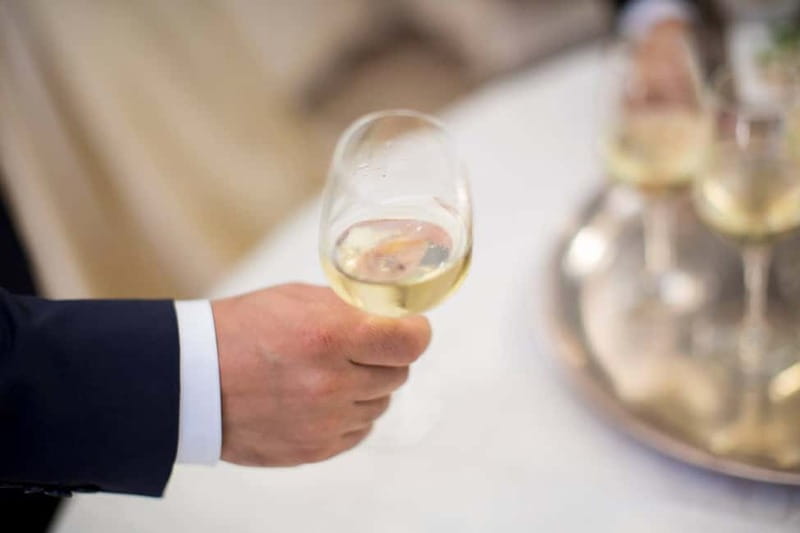
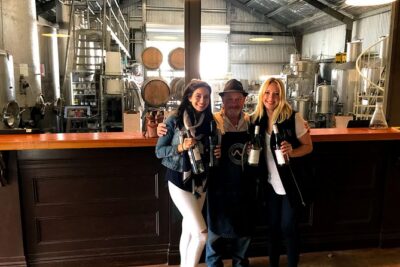
This tour starts at Ferruccio Deiana Vini, right at the winery entrance in Su Leunaxiu. If you’re coming from Cagliari, the area is more rural than city. That’s part of the charm: the winery is surrounded by those rolling hills and fertile pockets that make Sardinia feel different from mainland Italy.
I love that you don’t spend the whole experience trapped indoors. The schedule is designed so you get open-air vineyard views and fresh sightlines before you’re even deep in the production rooms. It changes how you understand the wine. When you can see the terrain the grapes come from, the later tasting makes more sense, even if you’re not a wine expert.
A quick practical note that matters: you’ll be responsible for getting there. Since hotel pickup and drop-off aren’t included, plan to arrive on time by taxi, rideshare, or your own transport. One solid win here is that the guide can help point you toward solutions when the visit ends, but don’t count on last-minute fixes.
You can also read our reviews of more tours and experiences in Sardinia.
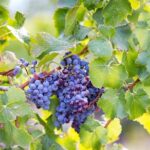
The 1.5-Hour Guided Cellar Tour: What You See and Why It Works
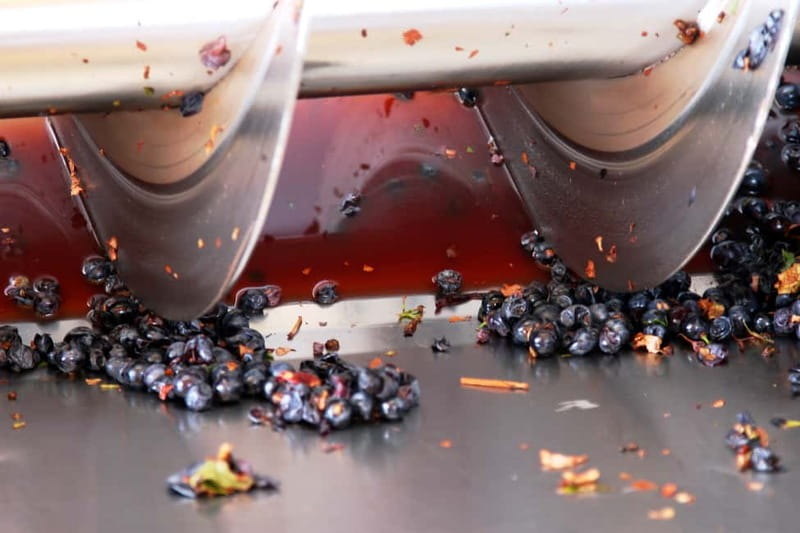
The heart of the tour is a guided cellar visit that lasts about 1.5 hours. This is where the experience earns its keep. You’re not just wandering. You follow a path that mirrors the winery’s process: arrival of grapes, movement through production areas, then bottling.
What makes this structure valuable is that it turns wine from a bottle into a chain of choices. The guide explains how viticulture and winemaking decisions affect flavor. Even if you only care about tasting, you’ll leave with a mental map: where grapes come in, what happens next, and where aging fits into the story.
During this cellar portion, you also get a look at the surrounding vineyards. That combo matters because it links two worlds: what happens in the field and what happens in the cellar. Many wine tours show you one or the other. This one tries to connect both.
Expect a tour that keeps moving—just not rushed. You’ll get enough time to ask questions and absorb the guide’s explanations. In English-language visits, Alice’s style shows up repeatedly in the feedback: passionate, approachable, and able to explain differences in flavor and pairing in a way that feels natural.
From Grapes to Bottling: The Production Cycle You’ll Walk Through
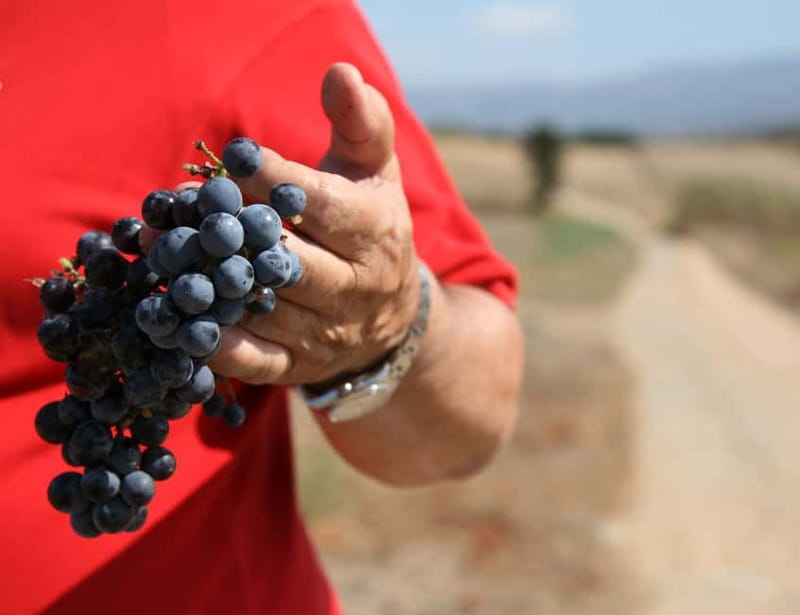
One of the best parts of this winery tour is that it’s organized around the full production cycle. You’ll cover the areas that deal with grapes arriving at the winery through to bottling. That progression is the backbone of the experience.
Here’s what you should watch for as you go:
- How the grapes get processed before anything goes into barrels or final stages
- How the winery organizes different parts of production (so you can follow the workflow)
- How the cellar environment supports the winemaking philosophy the winery uses
The winery’s approach is described as drawing on research and experiences from around the world, alongside Sardinia’s longtime farming traditions. That’s not just marketing. When a winery uses advanced methods while still staying rooted in local viticulture, you can often taste the result in balance—how the wine feels on the palate and how well it holds up with food.
Also, keep your expectations realistic. A tour can’t turn you into a winemaker in 90 minutes. But it can teach you what to pay attention to when you taste later: acidity, structure, how the wine changes with a bite, and why a winery might emphasize certain steps over others.
Museum Stop and Barrel Cellar: Learning Without the Lecture
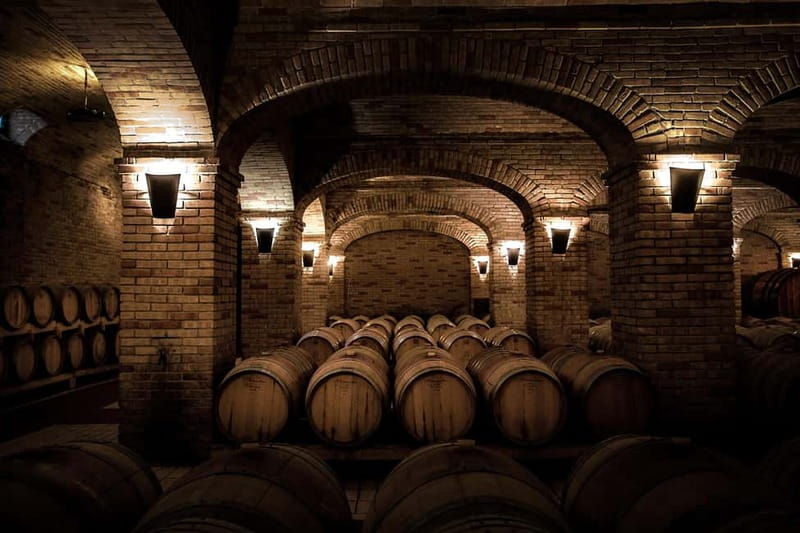
After the vineyard and production circuit, you’ll continue to a museum and then to the wine tasting room. That museum stop can be surprisingly helpful, because it gives context. You’re already seeing the modern process, so the historical or educational elements help you understand why the winery does what it does.
Then comes the barrel cellar phase. This is where the tour shifts from “how it’s made” to “how it matures.” Even if you’re not naming technical details, you’ll learn the practical idea: aging and storage choices shape the final style.
I like barrel-cellar stops because they make the tasting less random. When you know a wine spent time under certain conditions, the wine’s texture and flavor profile feel less like a mystery and more like an outcome you can predict.
Wine Tasting With Local Snacks: How to Taste the Three Wines
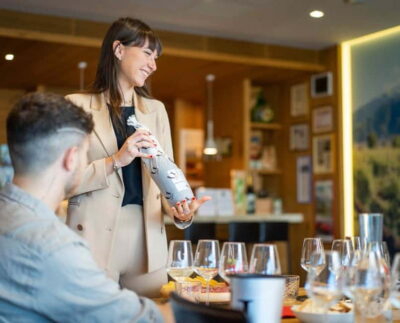
The tour ends in the wine tasting room with three iconic wines. These tastings aren’t meant to be a blind sprint. They’re paired with local gastronomical delicacies, and that pairing component is the part that helps most people taste better.
Use the snacks strategically:
- Start with a sip to identify the basic profile
- Then take a bite to see how the wine changes
- Try a second sip after the food to notice the shift in balance and finish
This is also where the guide’s communication style matters. In multiple English-language experiences, Alice is praised for being easy to chat with and knowledgeable, including explaining differences between flavors and pairing. That’s exactly what you want if you don’t want a wine tasting to feel like an exam.
One more thoughtful element: the tour is described as having tailor-made Wine & gastronomic tasting options you can request through a visit request or a phone call. If you have dietary preferences or a strong preference for red vs. white, it’s worth contacting ahead of time. A good guide can adjust the pacing or focus, and you’ll enjoy the tasting more when it matches your interests.
Rain or Shine: What Changes and What Doesn’t
This is one of those activities that you can feel comfortable booking without gambling on the weather. It takes place rain or shine.
Here’s what will likely stay the same:
- You’ll still follow the guided cellar path and see the production areas
- You’ll still end in the tasting room
- The guide will still explain viticulture and winemaking decisions
What might shift is the timing of vineyard viewpoints and how much time you spend looking out over the hills. If it’s rainy, expect less time for outdoor photos and more time indoors. That’s not a downgrade; it often means you get a calmer focus inside where you can hear the guide clearly.
Logistics That Matter: Meeting Point, Group Flow, and Getting Home
Meeting point is by the winery entrance, at the front of the wine shop. The experience ends back at the same point. That’s helpful because you’re not dealing with a confusing drop-off location.
Duration is listed as 1 day, but the guided cellar portion itself is about 1.5 hours. So what does the rest of your day look like? Think of this as a structured half-day to full-day commitment depending on start time and how long you linger for questions and tasting pacing.
Because hotel pickup and drop-off aren’t included, you should plan:
- Where you’ll park or how you’ll arrive
- What time you need to leave to avoid rushing at the start
- How you’ll get back after tasting
One practical comfort from the overall experience: the guide may help you find a taxi when the tour ends. Still, the safest plan is to arrange transport before you start the day so you don’t feel rushed.
Also, because the tour is private guided, the pacing can feel more personal than big-group tours. That usually means fewer distractions, and you get more attention for questions.
Who This Tour Suits Best (And Who Might Skip It)
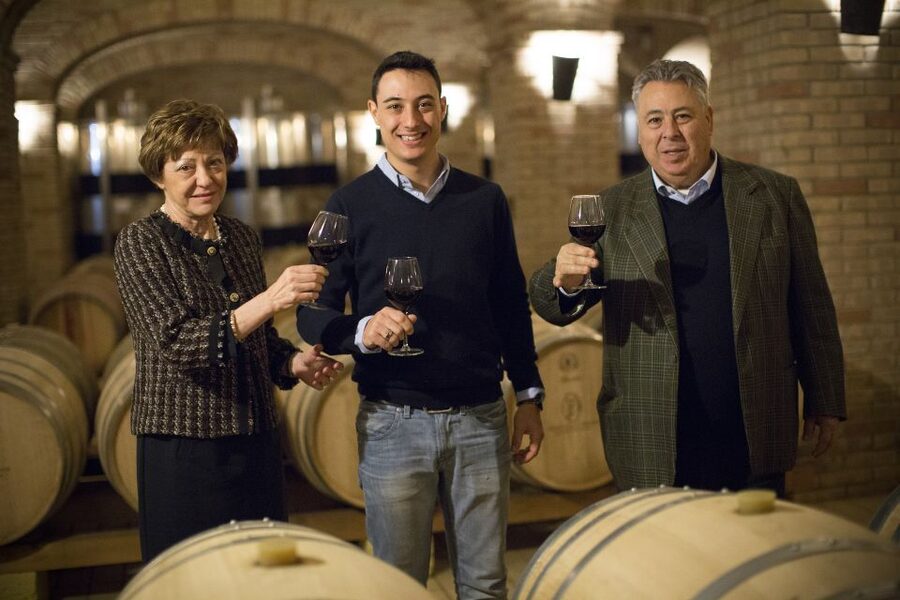
This is a great fit if:
- You want a serious wine education without needing technical jargon
- You care about Sardinia beyond the coast—villages, hills, and vineyard country
- You like tours with a mix of production + tasting + local food
- You appreciate a guide who can explain differences in flavor and pairing
You might skip it if:
- You’re hoping for a city-based itinerary with easy public transport (this area can be tricky)
- You only want a quick tasting with minimal walking through production areas
- You need an included transfer from your hotel
The big value is the combination: vineyard views, the full production cycle, a museum stop, and then a guided tasting of three iconic wines with snacks.
Price and Value: What You’re Paying For
The tour price includes the guided tour of the surrounding vineyards and cellar areas, plus the three iconic wines and snack pairings. That matters because it covers what’s usually separate in wine country: a guided walkthrough and the structured tasting.
Good value here comes from two places:
1) Time and access. You get a guided circuit through multiple production zones, not a quick peek.
2) Tasting with food. Pairings help you actually learn what you’re tasting, rather than just drinking.
If you want a wine experience that gives you a clear story—from grape arrival to bottling—this one is built for that. If you only want to sample without the learning portion, you might feel like it’s more than you need.
Should You Book Ferruccio Deiana Vini’s Winery Tour?
If you’re spending time near Cagliari and you want a wine-focused day that feels authentic, book it. You’ll get a well-paced guided cellar tour (about 1.5 hours), a tour of the production cycle, and a tasting room experience with three iconic Sardinian wines plus local snacks.
Do book only after you’ve confirmed transport. Since there’s no hotel pickup/drop-off, arriving and leaving is on you. If you can handle that one detail, this tour is a strong choice for getting beyond the basics and tasting with context.
FAQ
How long is the winery tour?
It’s listed as a 1-day experience. The guided cellar tour portion lasts about 1.5 hours.
What time does the tour start?
Starting times aren’t fixed in the details provided. Check availability to see the scheduled start times.
Where do we meet?
Meet at the winery entrance, in front of the wine shop.
What happens during the guided cellar tour?
The guided tour includes the surrounding vineyards, the production cycle from grape arrival to bottling, a stop at the museum, and then continues to the wine tasting room.
How many wines will be tasted?
You’ll taste three iconic wines.
Are snacks included?
Yes. The tasting includes snacks that match the wines.
Is the tour private and is there a live guide?
Yes, it’s a private guided wine tour, with a live guide.
What languages are available?
The live tour guide is available in English and Italian.
Is hotel pickup and drop-off included?
No. Hotel pickup and drop-off are not included.
Does the tour run in bad weather?
Yes. It takes place rain or shine.