REVIEW · MONTERIGGIONI
Tuscan Vineyard Dinner with Wine Tasting
Book on GetYourGuide →Operated by Poggio Ai Laghi · Bookable on GetYourGuide
A sunset dinner in Chianti hits different. At Poggio ai Laghi, you get more than a meal: you taste Poggio ai Laghi wines alongside structured tastings of olive oil and balsamic vinegars, all guided by a wine expert who brings in art and history.
I really like the way the tasting is organized, so each course makes the wine easier to understand. Another standout is the pairing mindset, where Tuscan foods are chosen to bring out what you’re tasting, from spumante to Chianti Riserva and even a Supertuscan.
One possible drawback: the dinner experience is described as great overall, but a few people found the food (especially dessert) less fancy than they expected. If you’re the type who wants a very high-end, multi-layer dessert moment, go in with flexibility.
In This Review
- Key highlights at a glance
- Poggio ai Laghi in Chianti: the setting and the vibe you’ll feel in 2 hours
- What’s actually included: the tastings that make this more than dinner
- The wine lineup: how to think about Arella, Firmina, Chianti Riserva, and Supertuscan Aranda
- The guide experience: when Simone’s stories add real value
- Food and wine pairing: why this menu makes sense
- Appetizers
- First course
- Main course
- Dessert
- Olive oil and balsamic tasting: the secret skill-builder
- Olive oil: truffle, chili, and classic balance
- Balsamic vinegar: Modena Gold and onion balsamic
- Skip-the-line entrance and timing: how to plan your evening
- Who this is best for (and who might want something else)
- Value check: is $66 per person worth it?
- Should you book the Tuscan Vineyard Dinner with Wine Tasting?
Key highlights at a glance
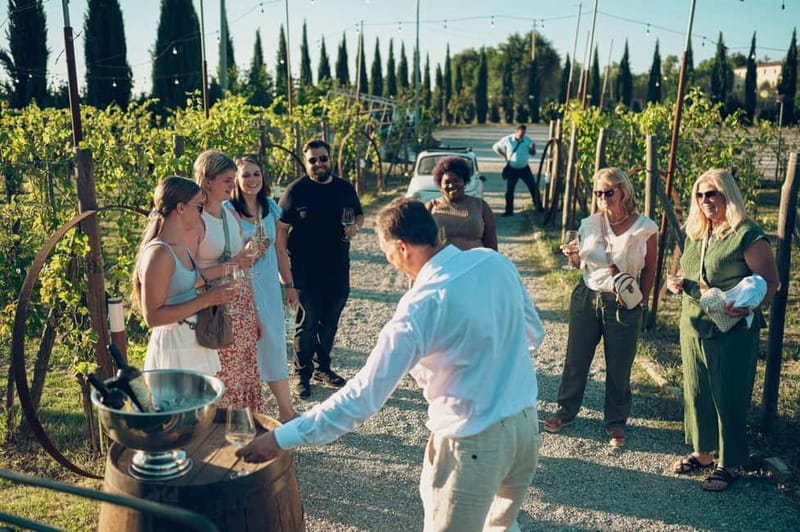
- Vineyard setting at Poggio ai Laghi: a dinner framed by the Chianti countryside feel
- Guided tasting with art and history: you’re not just sipping, you’re learning the why
- Wines + olive oil + vinegars in one sitting: a full-flavor education on Tuscan staples
- Two Spumante and multiple red wines: including Chianti and a Supertuscan IGT
- Tuscan-style menu flow: salumi and pecorino first, then lasagna ragù, then barbecue
- Vin Santo dessert plan: cantuccini paired with Vin Santo (though you may want to confirm expectations)
Poggio ai Laghi in Chianti: the setting and the vibe you’ll feel in 2 hours
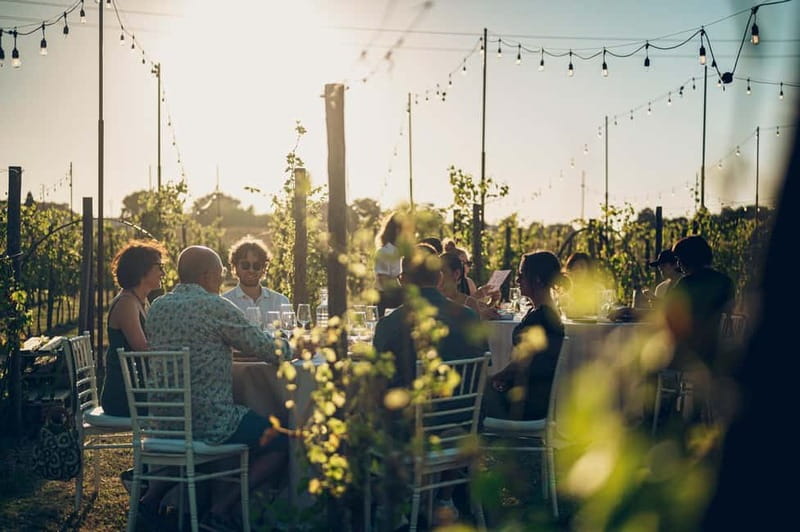
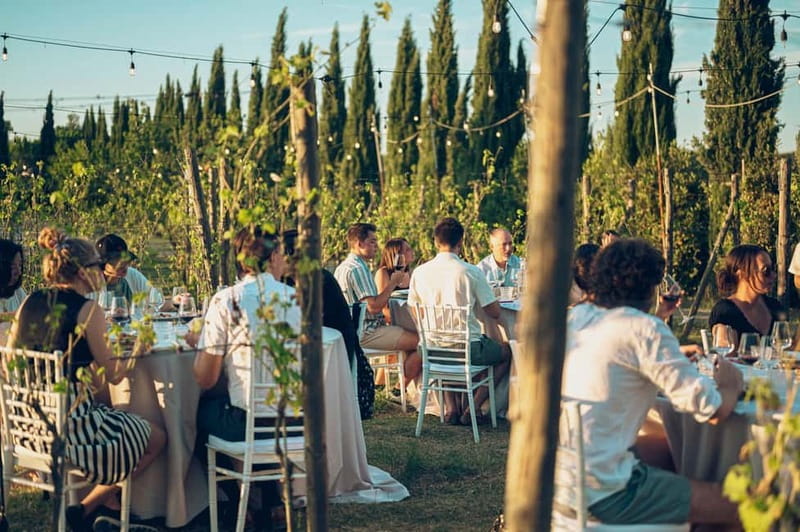
This is the kind of Tuscany evening that starts working on you before the first glass. You’re dining at Poggio ai Laghi, in the Chianti area, in a vineyard atmosphere where sunset light tends to make everything feel calmer and more scenic.
The pacing is also a big part of the charm. In about 2 hours, you move from appetizers to a first course, to a main course, then finish with dessert—without turning the night into a marathon.
You can also read our reviews of more tours and experiences in Monteriggioni.
What’s actually included: the tastings that make this more than dinner
A lot of wine dinners stop at wine. This one builds a broader tasting platform around three Tuscan flavor pillars: wine, olive oil, and balsamic vinegar. That matters because it gives you a way to taste across categories instead of only “red vs. red.”
Here’s the tasting lineup you should expect:
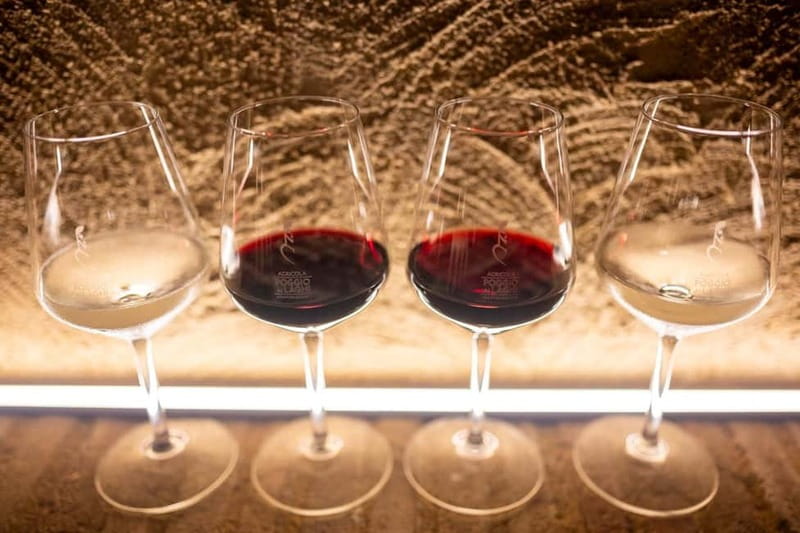
- Wine tasting: includes 2 Spumante and 4 red wines (the named bottles include Arella and Firmina for sparkling, plus Oletta, Lucilla, and Aranda for the Chianti/Supertuscan side)
- Olive oil tasting: Classic Extra Virgin Olive Oil plus White Truffle Olive Oil and Chili Pepper Olive Oil
- Balsamic vinegar tasting: includes Balsamic Vinegar of Modena PGI Gold Selection and Lacrime Viola (red onion balsamic)
If you love Tuscany because it’s hands-on and ingredient-driven, this format is a strong match. The tasting isn’t random; it teaches you how aroma and texture shift when you move from grapes to olives to aged vinegar.
The wine lineup: how to think about Arella, Firmina, Chianti Riserva, and Supertuscan Aranda
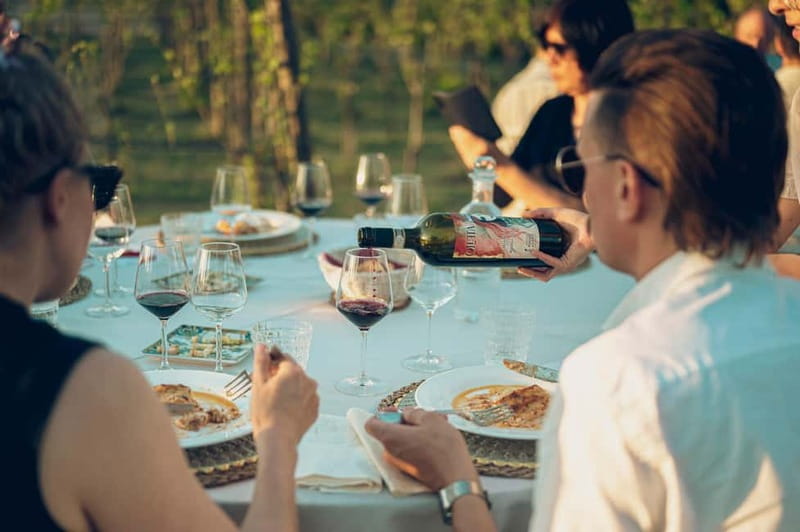
This dinner doesn’t just name bottles. It gives you a path through styles, so you can spot differences fast.
For the sparkling part, you’ll taste:
- Arella – Spumante Cuvée Extra Dry
- Firmina – Spumante Rosé Extra Dry
Then you move into the red side, where the “Chianti logic” comes through:
- Oletta – Chianti Riserva DOCG
- Lucilla – Chianti Classico DOCG
- Aranda – Supertuscan IGT
Why this ordering helps: sparkling wine opens your palate and resets your sense of freshness, while Chianti varieties tend to show their structure through acidity and fruit-driven character. Adding a Supertuscan matters because it broadens the mental map—so you’re not stuck in one flavor lane.
The guide experience: when Simone’s stories add real value
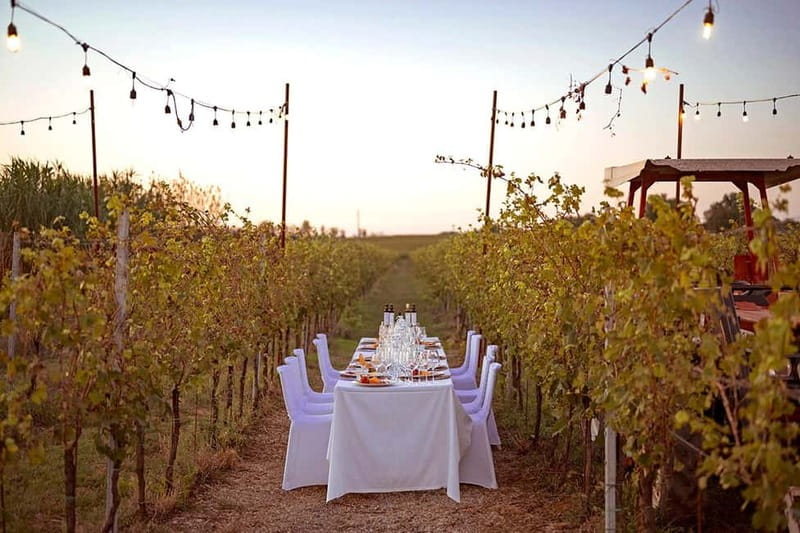
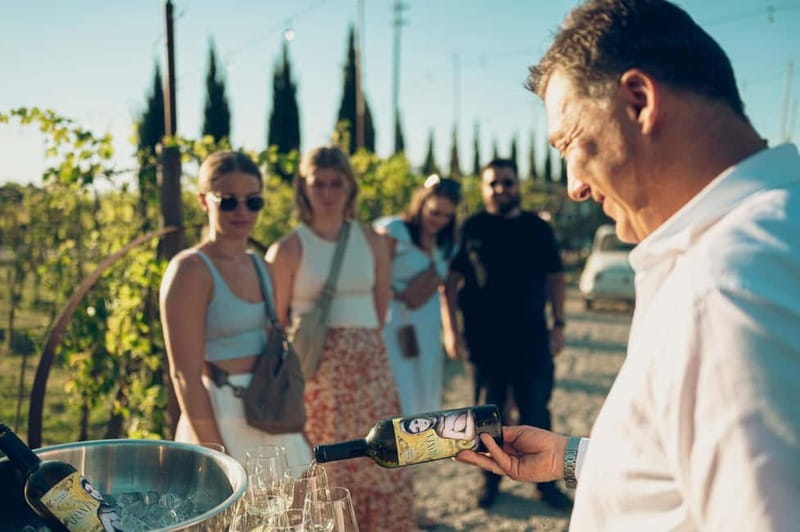
The experience is guided by a wine expert and a live guide (English and Italian). The highlight also points to art and history being woven into the evening, which is usually where these dinners become memorable instead of merely pleasant.
One guide specifically, Simone, gets praised for being funny and telling stories with energy and passion. Even if you don’t meet Simone, the takeaway for you is simple: pick this option if you like talking your way through wine, not just tasting it.
Food and wine pairing: why this menu makes sense
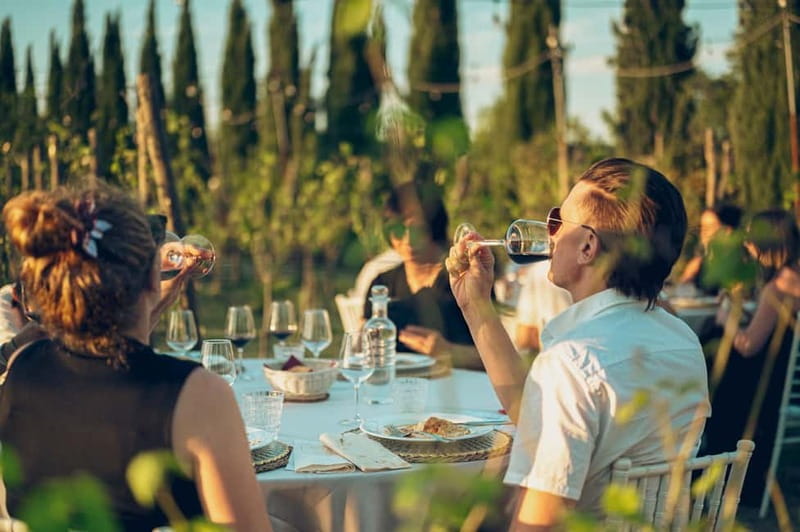
The dinner menu is classic Tuscan at heart, and it’s built to support the glasses you’re tasting. That’s what makes the whole thing feel cohesive instead of like a “food-and-wine buffet.”
Appetizers
You start with a spread that’s very Italy in spirit:
- Tuscan salami and finocchiona
- Tuscan prosciutto
- Pecorino cheese
- Bruschetta with fresh tomato and basil
- Toasted bread wafer with Extra Virgin Olive Oil
This first stage is practical for your tasting. Salumi and pecorino give you salt, fat, and savory intensity—exactly what helps you notice a wine’s acidity and how the tannins behave.
First course
Then comes traditional Tuscan lasagna with meat ragù. Lasagna is forgiving in a good way: it sits in the middle of the palate and gives you a stable platform before the more smoky, grilled flavors.
Main course
The second course is barbecue, including chicken, rosticciana, and sausage. If you’re used to wine dinners that lean too heavy on pasta, this is a refreshing change. Barbecue flavors can be tricky, but they’re ideal for seeing how red wine structure holds up with smoky, seasoned meat.
Dessert
Finish with cantuccini and Vin Santo. One practical note: at least one person felt the dessert moment was lighter than expected, so if Vin Santo is a must-have for you, you might want to double-check what’s served at your seating.
Olive oil and balsamic tasting: the secret skill-builder
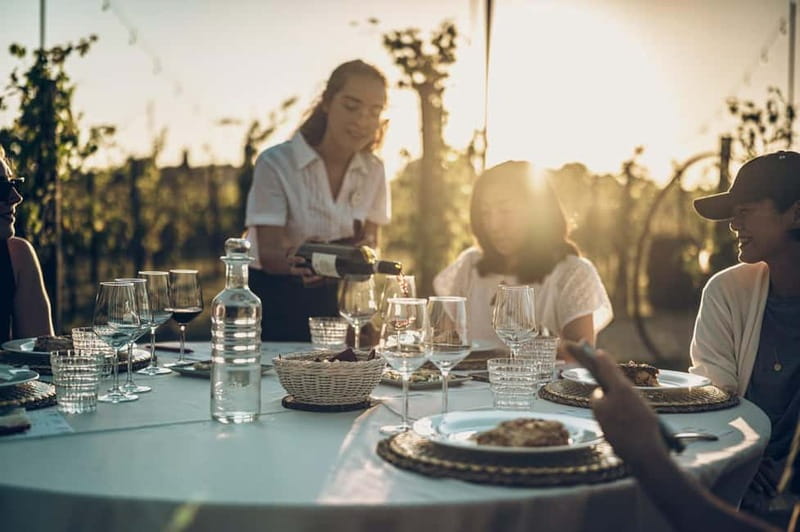
This is where the evening earns its keep. Olive oil and balsamic are part of Tuscan cooking, but they’re often treated like side topics on tours. Here, they become the main event for your senses.
Olive oil: truffle, chili, and classic balance
You’ll taste:
- Classic Extra Virgin Olive Oil for baseline balance and harmony
- White Truffle Olive Oil for an elegant, enveloping profile
- Chili Pepper Olive Oil for bold, vibrant character
The practical value: after tasting these oils, you’ll understand why Toscans treat olive oil like a flavor tool, not just a condiment. You’ll also start noticing how heat and aroma change how wine tastes afterward.
Balsamic vinegar: Modena Gold and onion balsamic
You’ll taste:
- Balsamic Vinegar of Modena PGI Gold Selection
- Lacrime Viola – Red Onion Balsamic Vinegar (Tuscan Excellence)
Balsamic can taste sweet, sharp, or deep depending on age and ingredients. When you taste it in a guided way, you learn what aged vinegar does to fruitiness, acidity, and the way your palate perceives spice.
Skip-the-line entrance and timing: how to plan your evening
The experience includes skip-the-line access via a separate entrance. That’s a small detail, but on busy days it can save you from unnecessary waiting and let you reach the vineyard dining mood faster.
Duration is 2 hours, with starting times depending on availability. If you’re also trying to fit in other Chianti activities, I’d treat this as your anchor event. It’s long enough to matter, short enough to keep your schedule flexible.
Who this is best for (and who might want something else)
This dinner is a great match if you:
- want Tuscany food and wine, but also want the how-to tasting education
- enjoy structured tastings (sparkling, then Chianti-style reds, plus a Supertuscan)
- like ingredient-focused experiences: olive oil and balsamic are center stage here
- want a romantic evening that still teaches you something
You might consider another option if you:
- mainly want a long winery/estate tour (this dinner does not include that)
- expect a very fancy, always-impressing dessert moment, every time
- get impatient with tasting-based formats and prefer open-ended wandering
Value check: is $66 per person worth it?
At $66 per person for a 2-hour guided meal, the value comes from what’s bundled together.
You’re not just buying dinner; you’re getting:
- a guided wine tasting with multiple pours (2 spumante + multiple red wines)
- an olive oil tasting with three distinct oils
- an aceto balsamico tasting with two vinegars
- a full food sequence (appetizers, lasagna ragù, barbecue, cantuccini with Vin Santo)
If you tried to recreate this on your own—wine + oils + balsamic tasting + a full dinner—you’d likely spend more just on drinks and tastings alone. The fixed price makes it easier to plan, and the structured format helps you actually remember what you tasted.
Should you book the Tuscan Vineyard Dinner with Wine Tasting?
I’d book it if you want an evening in Chianti that mixes scenery, a guided tasting education, and a real Tuscan menu—without spending half your day in transportation. The olive oil and balsamic tastings are a strong reason to choose this over a basic wine dinner, and the guide storytelling (including the praised Simone vibe) tends to add personality.
Pass or compare if you’re searching specifically for a formal estate tour or you’re very sensitive to dessert expectations. In that case, you might still enjoy the wines and tasting format, but it’s smart to set your expectations around dinner-first rather than tour-first.
If you tell me your travel dates and what you usually like—sparkling wine, classic Chianti, or the more adventurous Supertuscan side—I can suggest whether this menu aligns with your taste.