REVIEW · LISBON
Urban winery tour, premium tasting flight & tapas
Book on Viator →Operated by Adega Belem Urban Winery · Bookable on Viator
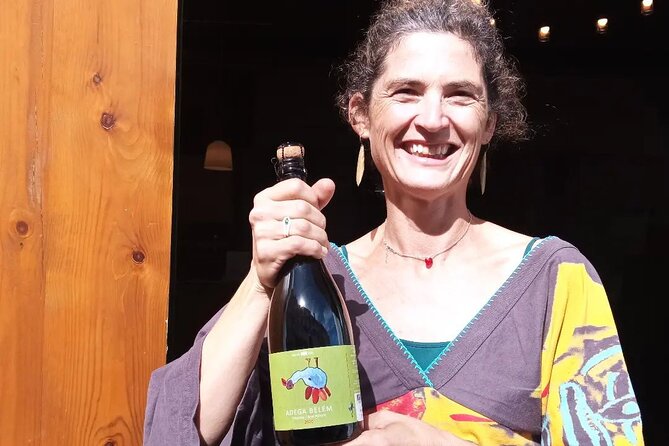
Wine in Lisbon, with a winemaker’s calm explanations. Adega Belem Urban Winery is in historic Belém, but the feel is modern and friendly, not stuffy. I love how the host breaks wine down into human terms, and I especially liked the sit-down five-wine flight paired with tapas made from family producers.
You’ll learn what’s happening behind the scenes, from the social life of yeasts to why tannins act the way they do. The tasting is built for real conversation at one long table, so you’re not just taking sips and rushing off.
One consideration: this isn’t a heavy, booze-forward drinking tour. It’s a guided, educational premium tasting flight with snacks, so if your main goal is getting very drunk, your expectations should be different.
In This Review
- Key things I’d circle before you go
- Adega Belem Urban Winery in Belém: a modern tasting room in an old Lisbon neighborhood
- The tour walk-through: from grape to glass without the wine-bro vibe
- The long-table premium tasting flight: how the structure keeps it fun
- Practical tip: use spit buckets if you want accuracy
- Pairing the wines with artisan tapas: why the food matters here
- Yeast, tannins, port and sparkling: the mini science lesson you can actually use
- Yeast as more than fermentation
- Tannins and the oxygen story
- Port and sparkling: why method creates personality
- What you’re tasting: five premium wines, not a random walk through a shelf
- Where the experience starts and how to plan your timing in Lisbon
- The souvenir touch: postcard and pen you’ll actually keep
- Price and value: is $59.17 a good deal for this Lisbon wine experience?
- Who this tour is best for (and who should reconsider)
- Should you book Adega Belem Urban Winery in Belém?
- FAQ
- How long is the Adega Belem Urban Winery experience?
- Is the tour in English?
- What’s included in the price?
- How many wines do you taste?
- Are vegan or vegetarian options available?
- Is there free cancellation?
Key things I’d circle before you go
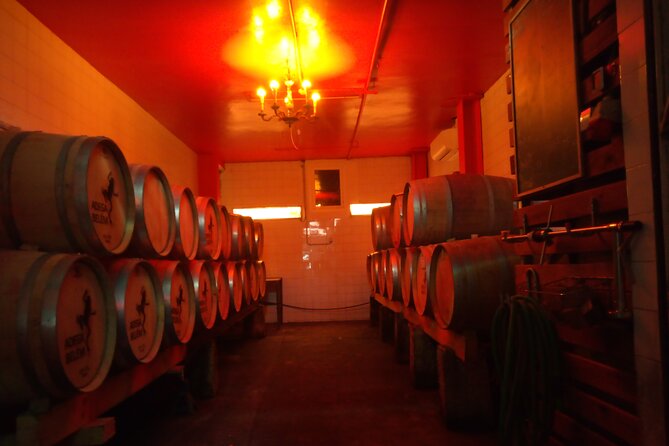
- Winemaker-led storytelling in plain language so the science lands without lectures
- Five premium wines at one long table, guided and paired with food
- Tapas built from family-owned producers, plus fresh sourdough bread
- Spit buckets provided (recommended, optional), which keeps the tasting comfortable
- A small group size (max 16) that makes Q&A actually possible
- Take-home extras: a postcard and a pen as a souvenir
Adega Belem Urban Winery in Belém: a modern tasting room in an old Lisbon neighborhood
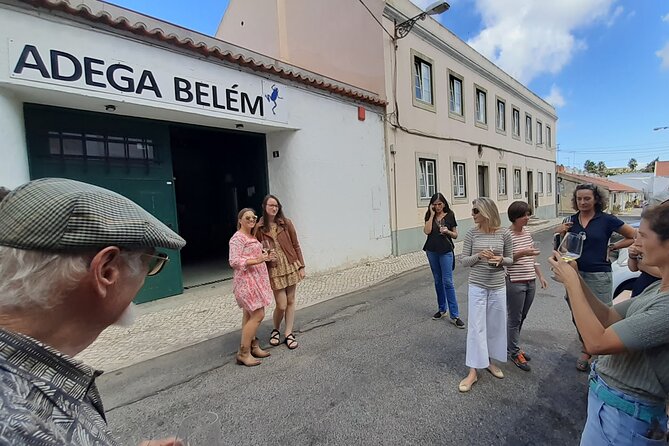
Belém is where you go for classic Lisbon sights, but this winery experience sits in the middle of it with a different vibe. Adega Belem Urban Winery feels purpose-built for learning. You’re not standing around with a plastic cup and vague instructions.
What makes this setting work is how it connects old-world location with a hands-on modern approach. You start with a tour of the winery itself. That matters because the tasting doesn’t pretend wine is magic. It’s presented as something made—step by step—and the space helps you visualize what you’re hearing.
Also, the experience is run in English, with a host who speaks accessively. If you’ve ever felt shut out of wine talk because you didn’t grow up swirling glasses like it was school, you’ll feel more at ease here.
You can also read our reviews of more tours and experiences in Lisbon.


The tour walk-through: from grape to glass without the wine-bro vibe
The first part is a tour led by a winemaker. The way they teach is the secret sauce. Wine terminology is there, but it’s explained like you’re smart and curious, not like you should already know everything.
Here’s what you can expect to hear about as you move through the winery:
- Yeast and its social life: why fermentation is more than a single moment
- Tannins and their cravings for oxygen: why that structure in wine isn’t just taste—it’s behavior
- Why port and sparkling methods matter: how different wine styles get shaped
- The gap between supermarket wine and premium wine: what you’re really paying attention to when you choose better bottles
I like that this tour doesn’t just say, good wine is better. It explains what changes in the process, and why those changes end up in the glass.
You’ll also get a guided tour of how different wine types are made—white, rosé, red, sparkling, and fortified wines. That’s useful because many tastings only focus on one style. Here you see the bigger map of how winemaking produces different results.
The long-table premium tasting flight: how the structure keeps it fun
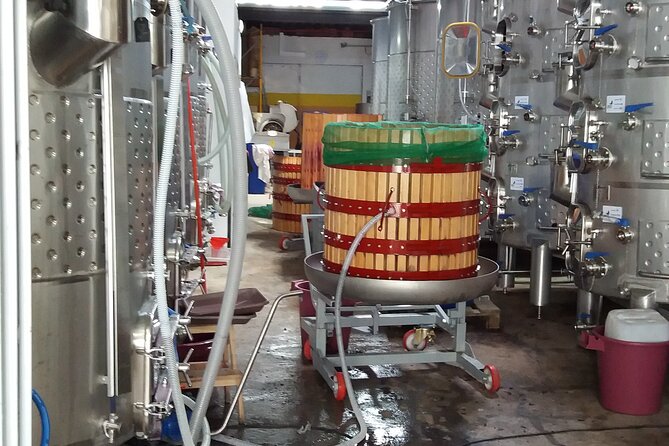
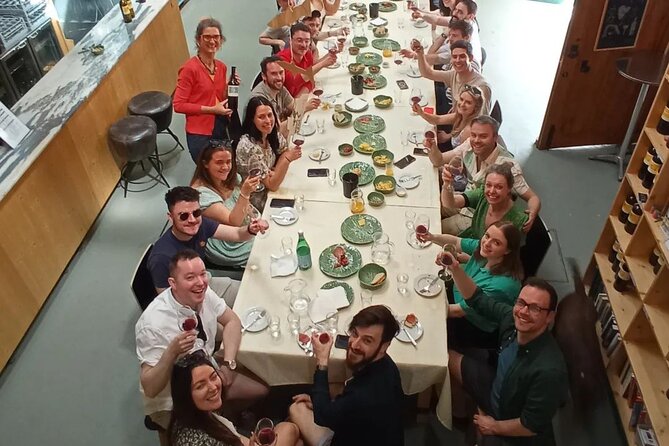
After the winery tour, the tasting switches into a sit-down format at one long table. This is one of those details that sounds small until you experience it.
A long table does two things well:
- It keeps the tasting social without turning it chaotic.
- It makes it easier for the winemaker to explain, then move through questions and comparisons.
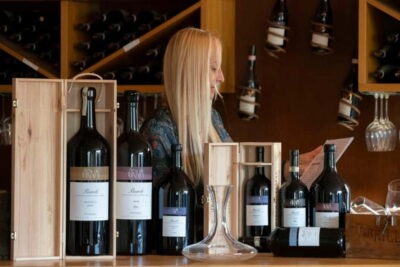
You’ll taste five premium wines, each presented and co-explored rather than delivered in a rush. The flight is in tasting glasses, and the pacing is designed to match the learning moments. You’re not just drinking; you’re building the habit of noticing.
There’s also a light-touch intro to tasting technique. It’s not meant to patronize. Think of it as a basic reset: how to look, smell, and taste with a clearer target, so your palate stops guessing.
Practical tip: use spit buckets if you want accuracy
You can use the spit buckets provided. It’s recommended, but not required. If you want to keep tasting sharp—especially on an afternoon schedule—using them helps.
Pairing the wines with artisan tapas: why the food matters here
Let’s talk about the food, because it’s part of the point.
Your tasting is accompanied by snacks and platters, including:
- artisan cheese and cured meats
- fresh sour dough bread
- nibbles that focus on small family producers
The menu includes things like artisan cheese, Iberian pork sausage, cured presunto, and the sourdough bread. That’s a good pairing strategy because these foods bring salt, fat, and texture—three things that show up fast in wine perception.
You’ll also find that the tastings aren’t built around loud gimmicks. It’s straightforward: wine first, then the food supports what you’re learning. You start noticing how a tannin-forward wine behaves when paired with salty cured meat. You start tasting how bread can calm the edges and make flavors feel clearer.
Vegetarian and vegan options are available on request. That’s important because wine and cheese-heavy pairings can feel limiting in some settings, and this one is set up to handle dietary needs.


Yeast, tannins, port and sparkling: the mini science lesson you can actually use
One reason people walk away talking about this experience is that it links everyday sensations in wine to the process behind them. The winemaker doesn’t just name parts of winemaking. They explain what those parts do.
A few of the learning themes stand out:
Yeast as more than fermentation
Fermentation is often described as a single step. Here, you’re taught to see yeast as active and social—something that develops the character of the final wine.
That framing helps you stop thinking of wine as a fixed product and start thinking of it as an outcome of choices and conditions.
Tannins and the oxygen story
Tannins can feel dry, firm, or slightly gripping. You’ll learn about their craving for oxygen, explained in a way that makes sense with what you taste. Even if you don’t become a tannin expert, you’ll start noticing how the texture changes across the flight.
Port and sparkling: why method creates personality
Port and sparkling wine both bring “method” into the conversation. You’ll hear how those styles are made differently, and you’ll connect that to how they taste.
That’s valuable in Lisbon, where wine culture is everywhere. You don’t just hear about what to buy—you understand why it tastes the way it does.
What you’re tasting: five premium wines, not a random walk through a shelf
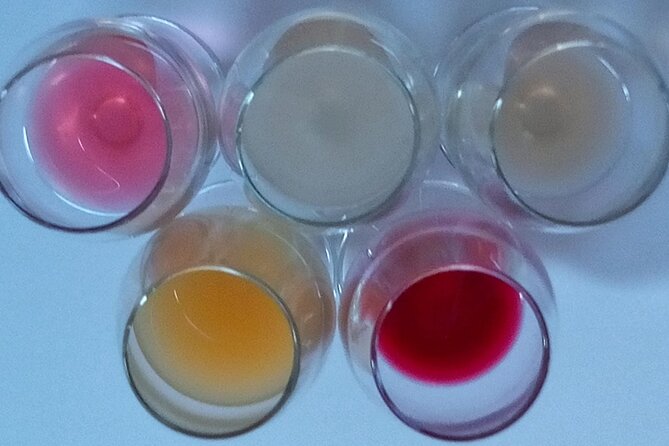
The flight includes five different wines, covering the range of styles discussed in the tour. Expect a mix designed to help you compare—not just sample.
The tasting is guided in a way that encourages you to try simple comparisons, like:
- how a white tastes compared to a rosé style
- how red structure shows up against cured meats
- how sparkling or fortified character can feel different in texture and intensity
You’ll get enough instruction to follow along, but you won’t be trapped in a classroom. The tone is welcoming. Even if you’re a seasoned wine lover, the format still gives you something to think about because it focuses on process and sensation, not just brand or region talk.
One thing I appreciate: the host doesn’t treat premium wine like an exclusive club. They explain the difference between cheaper wine and premium wine in a way that gives you a practical way to make choices later.
Where the experience starts and how to plan your timing in Lisbon
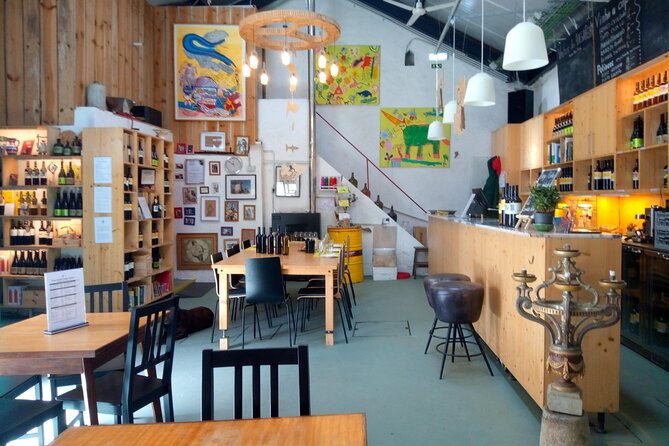
The meeting point is Tv. Paulo Jorge 9, 1300-444 Lisboa. The activity ends back at the same point. That makes it easier to plan your day, because you’re not committing to a long transport chain.
The duration is about 2 hours. That’s a sweet spot. Long enough to learn and taste properly, short enough that you can still do other Belém plans afterward.
Group size max is 16 travelers, which helps keep the experience personal. It also means your host can actually manage questions and keep the pacing smooth.
Also note: this tour lists mobile ticket and English as the offered language. If you like showing up and getting straight to it, that’s the kind of setup that reduces stress.
If you’re pairing this with a big day in Belém, remember one more detail: it’s not marketed as an all-day “start drinking at noon” plan. It’s designed to be a focused tasting.
The souvenir touch: postcard and pen you’ll actually keep
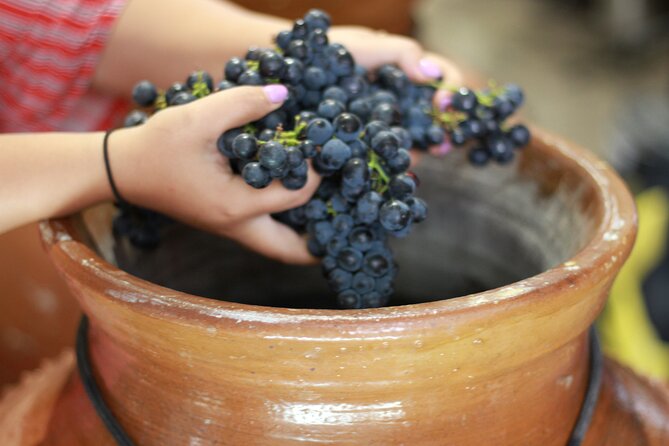
At the end, you take home a gift of a postcard and a pen. It sounds small, but it’s the kind of thoughtful souvenir that doesn’t feel like clutter.
I like it because it matches the tone of the experience: practical, human, and meant to be remembered without turning into a sales push.
Price and value: is $59.17 a good deal for this Lisbon wine experience?
At $59.17 per person for about 2 hours, the value depends on what you want most from a wine tour.
Here’s why I think the price can make sense:
- You get a modern winery tour plus a guided tasting flight of five premium wines.
- You don’t just taste wine; you taste it with artisan cheese, cured meats, and fresh sourdough bread.
- Alcohol is included, but framed as a tasting, not a free-for-all. That matters because it usually means better pacing and a more thoughtful experience.
It also helps that the experience includes fees and taxes, plus bottled water is mentioned as not sold—tap water is the approach. That’s a small ethics-and-comfort detail that some travelers will appreciate.
Potential downside on value: if you were hoping for a bigger “party” style tasting, you might feel it’s more education than intoxication. But if you like structured tastings, paired food, and learning how the process shapes the glass, the package fits.
Who this tour is best for (and who should reconsider)
This is a strong fit if you:
- want a winemaker-led experience with clear explanations
- prefer food-and-wine pairing over just drinking
- like comparing multiple wine styles in one session
- enjoy small groups where questions aren’t ignored
- want an English experience that doesn’t require prior wine knowledge
It’s less ideal if you:
- want a long, bus-and-sightseeing day with lots of movement
- want a heavy alcohol-focused experience rather than a tasting flight
- are looking for a hands-on crush-your-own-grapes type of activity (this one is more tour plus tasting than winery work)
Should you book Adega Belem Urban Winery in Belém?
If you’re in Lisbon and you want a wine stop that feels grounded and easy to follow, I’d say yes—especially if your travel style is “learn something, eat well, then move on.”
Book it if you like structured tastings, honest pairing with artisan tapas, and explanations about yeast, tannins, port, and sparkling that make wine feel less mysterious. You’ll also appreciate the practical format: short duration, small group size, and a long-table tasting that keeps it social without losing focus.
Skip it only if your idea of wine tourism is mostly about drinking as much as possible. This one is about tasting with meaning.
FAQ
How long is the Adega Belem Urban Winery experience?
It runs for about 2 hours.
Is the tour in English?
Yes, it’s offered in English.
What’s included in the price?
It includes wine tasting flight in tasting glasses, artisan snacks (cheese, meat, fresh bread), and bottled/tap water, plus all fees and taxes.
How many wines do you taste?
You taste five premium wines in the tasting flight.
Are vegan or vegetarian options available?
Yes, vegan/vegetarian options are available on request.
Is there free cancellation?
Yes. You can cancel for a full refund up to 24 hours in advance.