REVIEW · CATTOLICA
Vineyard Tour and Winery Visit with Tasting of Wines of Romagna
Book on GetYourGuide →Operated by Enio Ottaviani vini e vigneti · Bookable on GetYourGuide
Wine and sea breeze meet in Rimini hills. This small-group vineyard tour at Enio Ottaviani Wines and Vineyards is a very human look at how Romagna grapes turn into DOC bottles, with a family story that runs from the vines to the Adriatic. What I like most is the way the guide links the winemaking steps to the land you can actually see.
The second thing I like is the tasting setup: you choose among tasting routes (local, international, or white-wine focused), and you get guided pours alongside local food. One possible drawback: the tour is offered in English and Italian, but language can vary by guide, so if you need English specifically, plan around that when you book your time slot.
In This Review
- Key things to know before you go
- Rimini hills, Adriatic roots: what this setting teaches you
- Enio Ottaviani: a winery where the family name is part of the product
- What happens on the guided tour: vineyards, cellar, and the Bottaia visit
- Tasting strategy: choose your route and make the wines mean something
- Romagna wines plus local food: a pairing you’ll actually remember
- Which wines you should expect to focus on
- How long it takes, and what group size changes about the experience
- Price and value: is $59 a fair deal?
- Language matters: English guide availability and how to plan
- Who this tour suits best
- A practical checklist before you go
- Should you book the Vineyard Tour and Winery Visit?
- FAQ
- Where is the vineyard and winery experience located?
- How long does the tour last?
- How much does the tour cost?
- What is included in the wine tasting?
- What does the guided portion include?
- Are there different tasting options to choose from?
- What languages does the live guide speak?
- Is the tour wheelchair accessible?
- Is smoking allowed during the tour?
- Can I cancel and get a refund, and do I pay later?
Key things to know before you go
- Enio Ottaviani’s family story: four generations in the Rimini Territory shaping DOC wines
- A guided walk with real process talk: harvest through maturation, plus a look at the Bottaia
- Three tasting routes: local, international, and white vine only, with multiple glasses per route
- Romagna food pairings: local cold cuts, breads, and even piadina during the tasting
- Small group size: limited to 10 people, which keeps the pace friendly
Rimini hills, Adriatic roots: what this setting teaches you
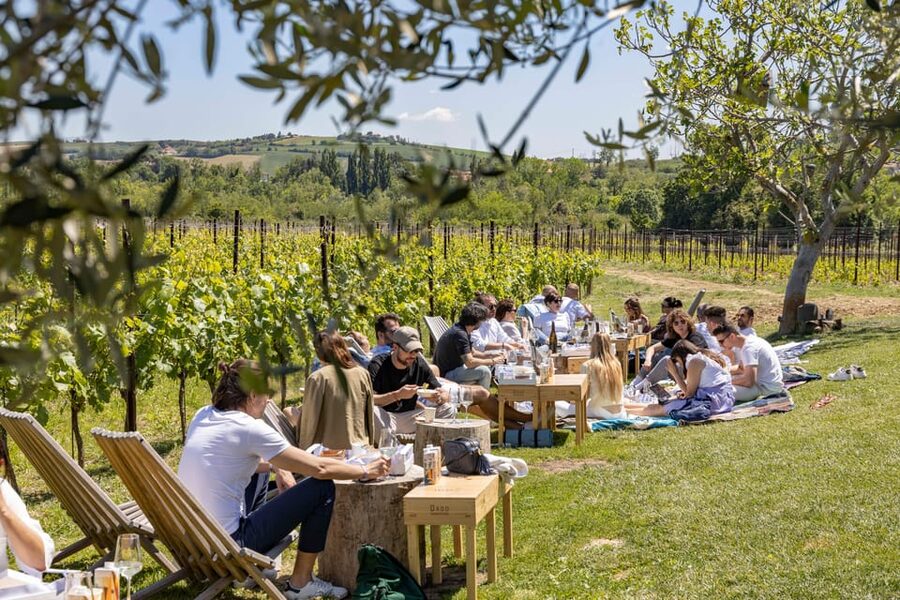
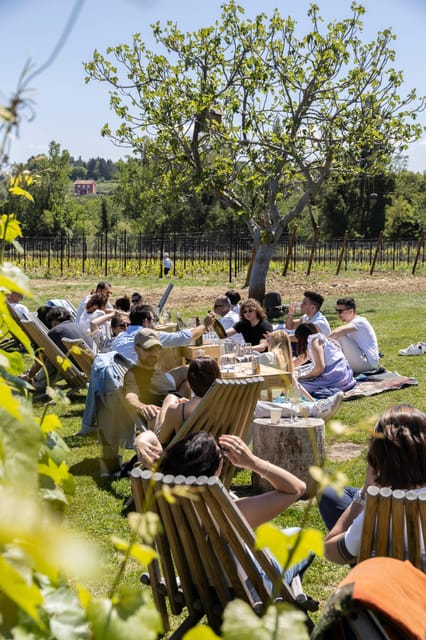
The winery is in the hills around Rimini, so you get that classic Romagna mix: gentle slope, open views, and sea-influenced freshness in the wines. Even before you taste, the tour’s theme is clear. Wine here is not a museum piece. It’s a working craft shaped by weather, soil, and family decisions passed down over time.
This matters because Romagna DOC wines can taste different from what you might expect if you only know Sangiovese from central Tuscany. The Ottaviani experience is built to make you read the wines the way the region reads them: grapes as a “language,” not a collection of labels.
Two grapes and one idea show up repeatedly. Sangiovese brings the energy and structure. Rebola adds a fresher note that often surprises people who assume everything in the area is just red. And then there are blends that show how Romagna balances tradition with small, practical choices in the cellar.
Enio Ottaviani: a winery where the family name is part of the product
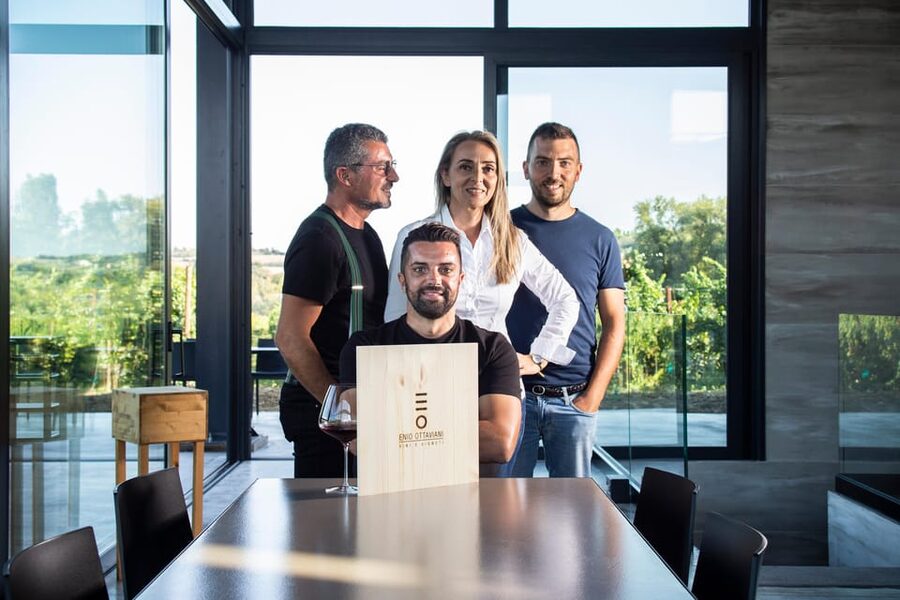
You’re visiting one of the leading wineries in the Rimini Territory, Enio Ottaviani Wines and Vineyards. The story is family-run and multi-generational, and that comes through in how the tour is told. This isn’t just a “look at our bottles” stop. It’s a guided explanation of why their approach makes sense for their land.
The hospitality has a lived-in feel. One clue is the mention of roots in Romagna dance halls. It’s not a marketing gimmick; it signals that the experience aims to be sociable. You’re not treated like a ticket number. The vibe is more like being hosted for a good afternoon, with wine explained clearly enough that you can actually connect it to what you see.
Also, the winery is set up for small groups (max 10). That scale keeps the guide’s attention where it should be: on your questions and on making the tasting make sense, not just run on a schedule.
What happens on the guided tour: vineyards, cellar, and the Bottaia visit
The tour is guided by an expert, and it follows the winemaking path from vineyard work to maturation. You’ll move through the winery area and get an explanation of key steps, including harvest and how the wine is matured. The guide’s job is to turn process into something you can taste later.
A standout part of this kind of tour is the Bottaia. It’s where the “thinking” of winemaking becomes physical. You can see the storage space and hear the narration tied to maturation choices. Even if you don’t nerd out on cellar details, the practical benefit is simple: the guide helps you notice how the wine you’ll drink next fits into the process you just heard.
Timing also helps. The experience is listed for a day, but the on-site visit often feels like a focused block rather than an all-day production. Plan for around two hours on site depending on the start time and how questions land with your group.
Tasting strategy: choose your route and make the wines mean something
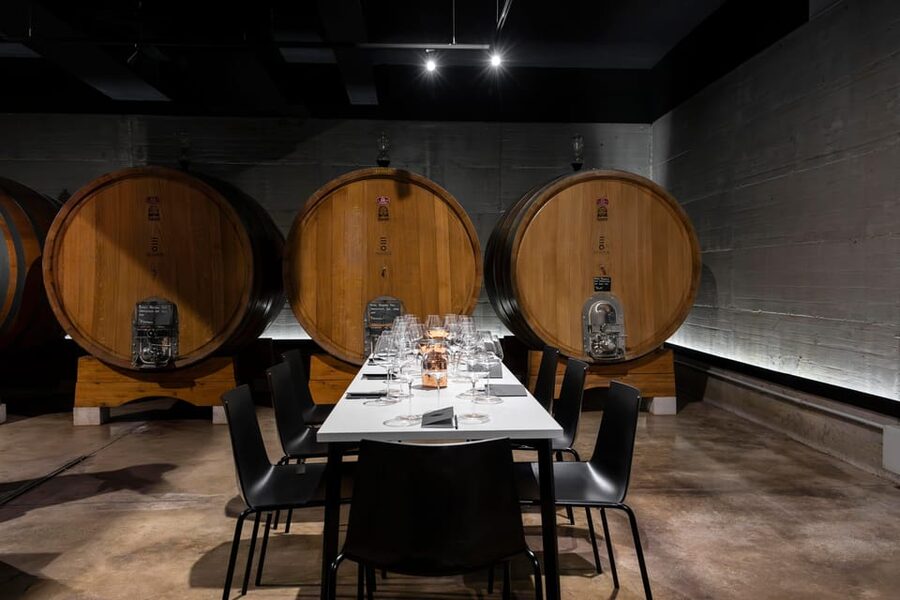
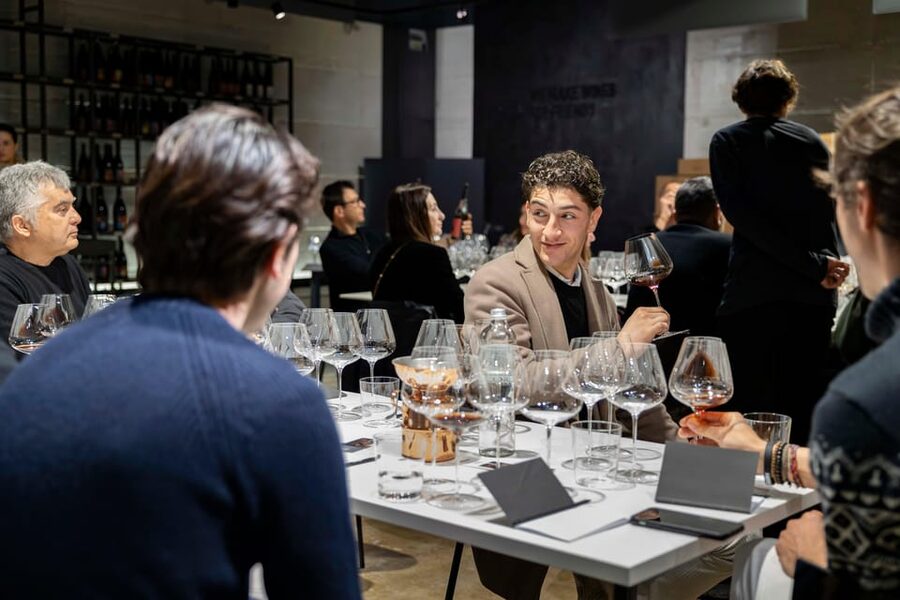
The tasting is built around choice. You select among three tasting routes, and each route comes with a set of glasses (with multiple options depending on the path). This is one of those details that changes the whole experience, because you stop tasting everything and start tasting with intention.
Here’s how the three routes work conceptually:
- Local route: emphasizes Romagna’s “native” logic—how the region frames its own flavors
- International route: gives you a different reference point, useful if you compare styles across countries
- White vine only route: shifts the focus so you can hear Rebola and other whites in context
During tasting, the guide explains each wine as you go, so you’re not just collecting sips. You’re learning what to look for in the glass: acidity, fruit profile, structure, and how blends or varietals behave differently.
This approach is especially helpful if you’re a beginner. You don’t need to already know the region. The guide gives you a simple map. If you’re more advanced, the structure still helps because it ties the glass back to decisions made in the vineyard and cellar.
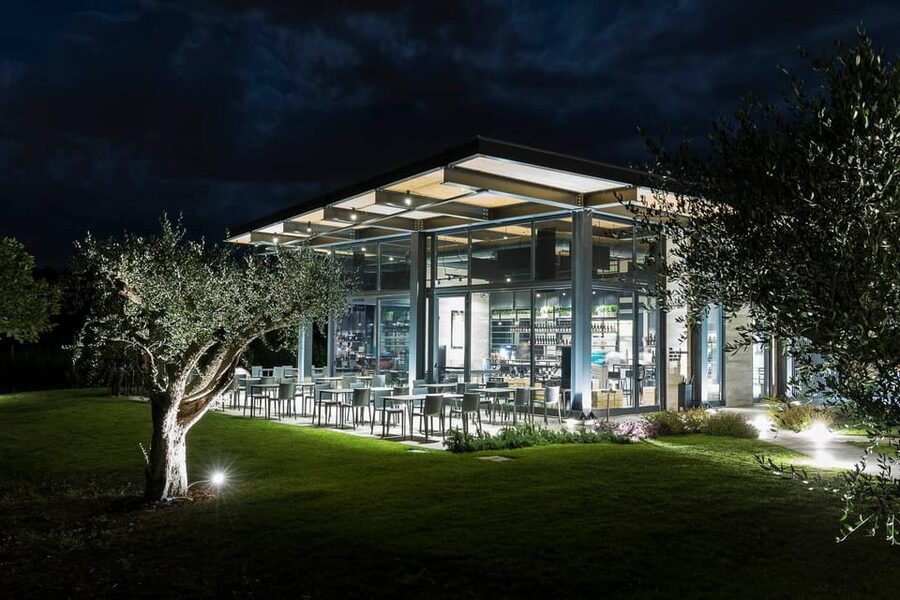
One practical tip: if you have the option, ask the guide where to sit during the tasting. Shaded outdoor seating can make the afternoon feel more comfortable, while the indoor area may have air conditioning. Either way, you’ll be in a setting meant for unhurried conversation.
Romagna wines plus local food: a pairing you’ll actually remember
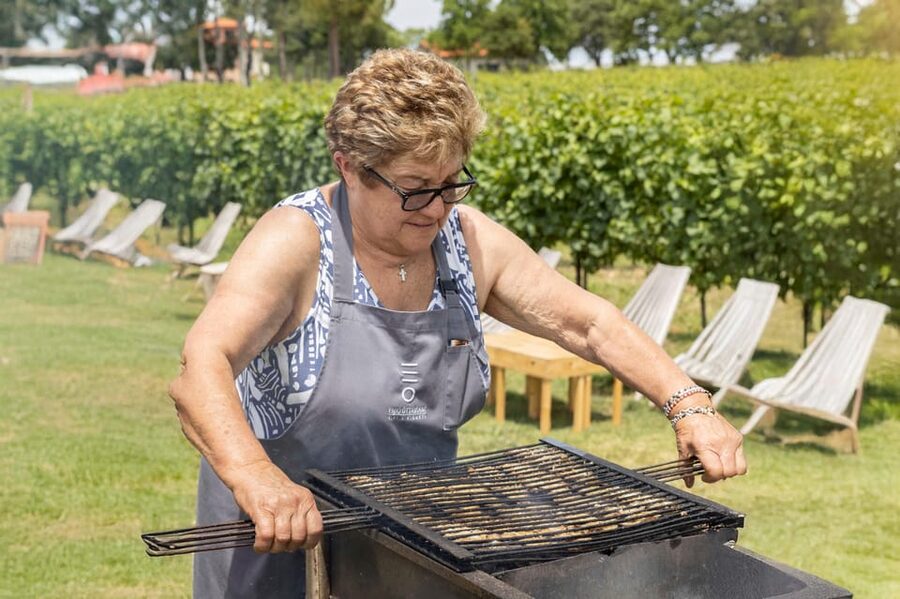
The tasting isn’t only wine. It comes with local products, and the food is part of why the wines land better on the palate. You’ll typically find local cold cuts and breads, and in some tastings piadina appears as part of the spread. The goal is to connect the wine to the everyday flavors of Romagna, not to a generic cheese-board standard.
This is also where you can slow down and ask questions. Food gives you a reset between pours. It also helps you understand why certain wines work with savory, salty notes and why the lighter or fresher options can feel like a palate cleanser rather than just another sip.
If you want to stay longer, the winery experience can turn into a longer meal. After your tasting, you may be able to try additional items from the menu for an extra cost. That flexibility is great if you’re traveling on a tight schedule and don’t want the day to end right after the last glass.
Which wines you should expect to focus on
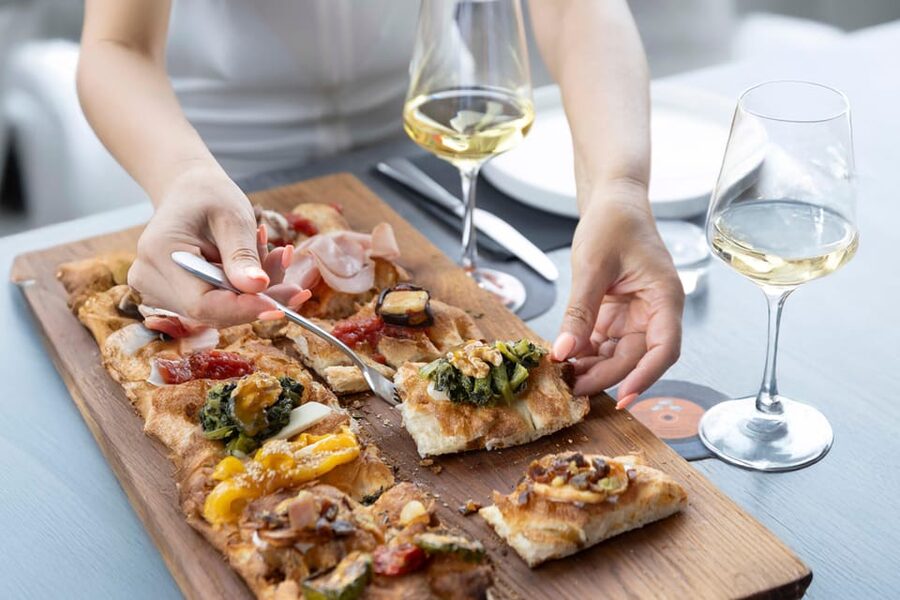
Your tasting is built around Romagna wines, with the specific lineup depending on the chosen route. Still, the experience clearly spotlights a few key grapes and styles:
- Sangiovese: the main engine for classic Romagna reds, often showing structure and a bit of lift
- Rebola: the freshness angle, especially noticeable when you’re in a route that highlights whites
- Unique blends: wines made by combining grapes to balance fruit, acidity, and texture
The value here is that you get guided listening for those styles. Without explanations, it’s easy to taste wine and forget it ten minutes later. With the narration, you’re tasting with a framework.
How long it takes, and what group size changes about the experience
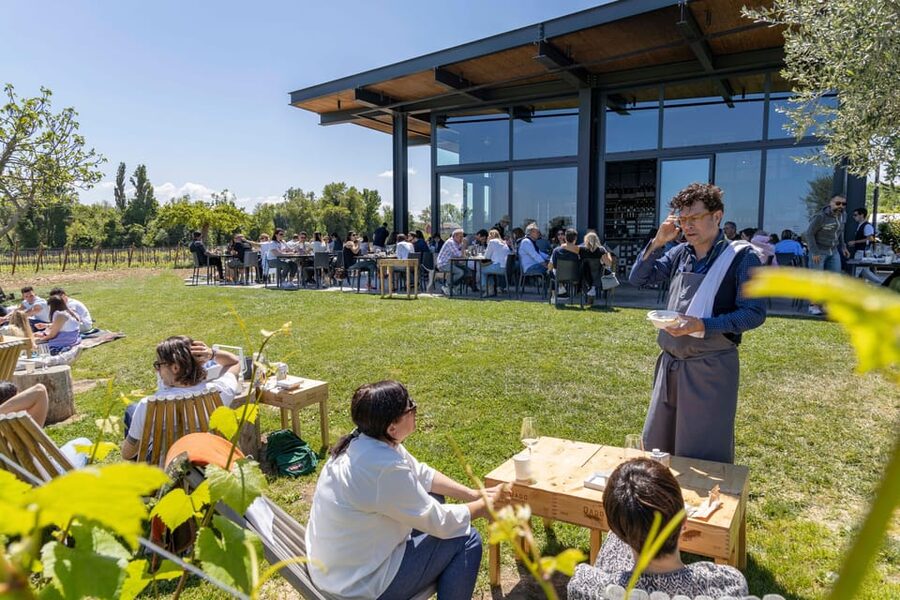
This is limited to 10 participants, and that small size changes the feel. You can ask follow-ups. You’re more likely to get a personal explanation rather than a fast run-through.
Also, depending on your start time, you might find the group is very small. When the group is quiet, it becomes easier to slow down, savor, and get your questions answered without feeling rushed. Even if you’re traveling solo, that can be a big quality-of-life upgrade.
If you’re sensitive to pacing, keep it in mind that the tour includes a guided winery and process talk plus tasting and food. The experience is not a quick photo stop. It’s a guided session meant to teach you something practical about the wine and the place.
Price and value: is $59 a fair deal?
At $59 per person, this tour sits in the “worth it if you like wine” category. The price is more reasonable than you might expect because it bundles several things most wine experiences charge for separately:
- a guided vineyard and winery tour
- explanations of winemaking processes
- a Bottaia visit
- tasting of multiple Romagna wines (4 types depending on the route)
- local products paired with the wines
- a paper guide you can keep as a souvenir
What makes it good value is the structure. You don’t just taste. You learn the process and then apply it immediately to what’s in the glass. That’s how tours like this become more than a tasting flight.
If you’re on a strict budget, the main question is simple: do you want guided wine education plus food, rather than buying a few bottles on your own? If yes, the math usually works in your favor.
Language matters: English guide availability and how to plan
The tour is offered with a live guide who can speak English and Italian. That said, one downside worth flagging is that the exact language quality can vary depending on the guide and the group. If English is non-negotiable, message ahead or choose your start time carefully so you’re not stuck with an explanation you can’t follow.
The good news: when the guide’s English is clear, the explanations are easy to track, and you’ll leave knowing what you tasted and why. If you’re comfortable with basic wine vocabulary, you can still follow more than you think, but clarity matters most if you’re paying attention to process details.
Who this tour suits best
This is a strong fit for you if:
- you want a guided wine education in the Romagna region, not just a tasting room experience
- you like small groups and conversation-friendly pacing
- you enjoy food pairings with wine
- you’re curious about Sangiovese and Rebola, plus blended styles
It’s not the best fit if:
- you need a fully family-friendly outing (it is not suitable for children under 18)
- you want a purely self-guided visit with zero explanation
- you’re sensitive to language variations between guides
A practical checklist before you go
- Wear something comfortable for walking around the vineyard/winery areas.
- If the weather is hot, plan to sit in shade when possible and use indoor seating if needed.
- If you’re choosing between routes, think about your goal: compare styles, or focus on whites.
- Remember smoking is not allowed.
Should you book the Vineyard Tour and Winery Visit?
Book it if you want a family-run winery visit that teaches you how Romagna wines get made and why they taste the way they do. The combination of vineyard/cellar storytelling, the Bottaia stop, and the structured tasting routes gives you a genuinely useful experience for the price.
Skip it or rethink it if English is critical for you and you can’t risk a language mismatch. In that case, confirm the guide language before you pay, or choose a time slot where you expect an English-speaking guide.
If your plan is Rimini plus a short escape into the hills, this is one of the best ways to spend a half day that still feels meaningful. You’ll go home with a better palate for the region, and a paper guide you can actually use later when you’re picking bottles.
FAQ
Where is the vineyard and winery experience located?
It takes place in the hills of Rimini, in Emilia-Romagna, Italy, in the Rimini Territory.
How long does the tour last?
The activity is listed as valid for 1 day. The on-site experience is typically around two hours depending on the time slot.
How much does the tour cost?
The price is $59 per person.
What is included in the wine tasting?
You get a tasting of Romagna wines and local products, with 4 types of wine depending on the route you choose.
What does the guided portion include?
You’ll have a guided tour of the vineyards and winery, explanations of the winemaking process from harvest to maturation, and a visit to the Bottaia.
Are there different tasting options to choose from?
Yes. The tasting offers three routes: local, international, and white vine only.
What languages does the live guide speak?
The live tour guide is available in English and Italian.
Is the tour wheelchair accessible?
Yes, it is wheelchair accessible.
Is smoking allowed during the tour?
No, smoking is not allowed.
Can I cancel and get a refund, and do I pay later?
You can cancel up to 24 hours in advance for a full refund. It also offers a reserve now and pay later option.