Godinje is the kind of place where wine tastes better because the setting is real. I like that this experience pairs three wines with home-made snacks and a focused explanation from the agronomist and wine producer hosting in English. If you’re looking for a super-fast stop, the time on both the tasting and the heritage village may feel long.
What really won me over is the personal feel: a maximum of 15 people, plus you get time for questions and conversation. I’d just plan around the fixed tasting start times, and remember it runs only when the weather cooperates.
In This Review
- Key highlights you’ll care about
- Entering Godinje: location, timing, and how you’ll get there
- Winery Garnet tasting: what happens during the 1.5 hours
- Food pairing in real Montenegrin style (not just wine tasting talk)
- Godinje heritage village: stone houses and the Balsić connection
- Small group attention: why the guide’s role matters
- Price and value: is $66.08 worth it?
- Logistics that actually help: tickets, start times, and planning
- Who should book (and who might skip)
- FAQ
- What time do tastings start at Winery Garnet?
- How long is the experience?
- What’s included in the price?
- What language is the tour offered in?
- How many people are in the group?
- Is there a minimum age?
- Is the tour dependent on weather?
- Should you book this wine and heritage tasting in Godinje?
Key highlights you’ll care about
- English-speaking host (an agronomist and wine producer) keeps the tasting easy to follow
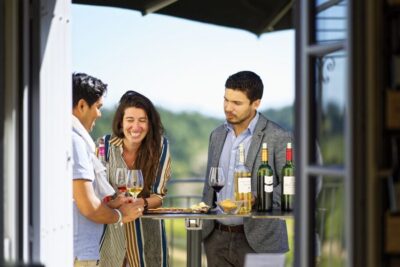
- Three glasses of different wines paired with home-made snacks
- Fruit liqueur or traditional brandy is included, not optional
- Multiple start times at 12 pm, 2 pm, 4 pm, and 6 pm so you can match your day
- Godinje heritage settlement visit adds culture to the tasting
- Max 15 travelers, which usually means you actually get attention, not a crowd
Entering Godinje: location, timing, and how you’ll get there
This tasting-and-village outing happens in Godinje, a village near Virpazar in southern Montenegro. The winery, Winery Garnet, is in the historical part of the village, where you reach it by car, bike, or walking from nearby Virpazar (about 5 km). From there, you’re also close enough that it works as a planned half-day add-on if you’re already exploring the region.
The schedule is built around tasting start times: 12 pm, 2 pm, 4 pm, and 6 pm. That matters because you’re not wandering into a random tasting room. You’re showing up at a set moment when the host is ready to guide you through the wines and food pairings.
One practical note: the experience requires good weather. If conditions are bad, you’ll be offered another date or a full refund. So if your trip dates are tight, it’s smart to book early and keep your other plans flexible.
You can also read our reviews of more tours and experiences in Podgorica.

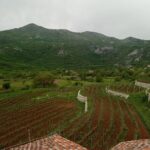
Winery Garnet tasting: what happens during the 1.5 hours
The heart of this experience is the tasting at Winery Garnet. Plan on about 1.5 hours for the tasting block, and it’s guided by the host—specifically, the winery’s agronomist and wine producer, fluent in English. That’s a big deal: you don’t just get handed a glass and a printed menu. You get a real explanation of what you’re drinking and why.
You’ll get:
- Three glasses of different wines
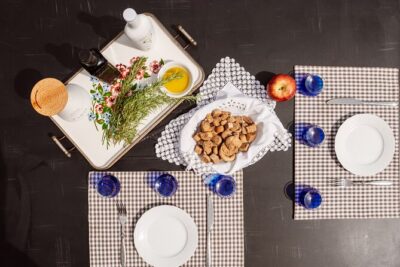
- Home-made snacks paired with the pours
- One glass of fruit liqueur or traditional brandy (also included)
This setup is ideal if you want to understand the wines without turning it into a school exam. You’ll taste your way through a small set of choices, then you can ask follow-up questions when something stands out—especially around style, flavor, and how the food pairing changes what you notice in the glass.
And based on the kind of feedback this tour gets, the vibe is warm and personal. People mention hosts like Misko and his family welcoming them with genuine kindness, plus friendly conversation that doesn’t feel scripted. For couples, this kind of relaxed attention is often more satisfying than a formal, high-volume tour.
Food pairing in real Montenegrin style (not just wine tasting talk)
One reason I like tasting tours like this is that they teach you flavors through your senses, not through lectures. Here, the snacks are home made, and they’re served as part of the tasting pairing. You’re not trying to guess what to pair; you’re tasting with guidance.
The experience is specifically designed to help you learn the flavors that make up Montenegrin cuisine. Even if you’re not a food nerd, you’ll still pick up patterns—how the snacks and wine work together, and how the pairing shifts the taste.
Here’s how to make the most of it:
- Take notes in your head. Notice which wine works best with salty, savory, or more lightly flavored bites.
- Ask what the pairing is meant to highlight. With an agronomist host, you’ll usually get answers that connect grape and food.
- Slow down between pours. The difference between wine A and wine B can feel subtle at first, then suddenly obvious once you reset your palate.
Also, the inclusion of fruit liqueur or traditional brandy is a smart move. It gives you a broader picture of what producers do beyond the main wine glasses. If you like finishing your meal with something spirit-based, you’ll probably enjoy this extra step.
Godinje heritage village: stone houses and the Balsić connection
After (or alongside) the tasting, you’ll spend time in Godinje, described as the first ever declared Montenegrin heritage settlement village. This is the part where the tour stops being only about wine and becomes about place.
In Godinje, you’ll see remnants of the summer house of the Royal family Balsić from the 14th century. That’s a strong historical anchor, but it doesn’t turn the village into a museum. The area is known for mostly deserted stone houses and a feel that’s quieter than the tourist route.
What to expect in practical terms:
- You’ll likely do a walk or look around the village area during your visit time.
- Bring footwear that handles uneven surfaces, because old stone villages rarely come with perfectly smooth paths.
- Go slowly and use the guide’s English explanations to connect the physical remains to the story of the place.
Why this works well with the tasting: wine regions often have strong cultural roots, and Godinje helps you understand that wine here isn’t just a product. It’s part of a lived landscape—heritage, family, and farming traditions tied together.
Small group attention: why the guide’s role matters
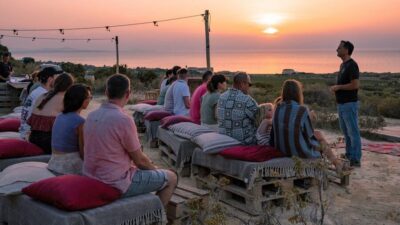
This tour caps at 15 travelers, and that usually changes the whole experience. In a crowd, wine tasting becomes a production line. In a small group, you get real interaction: questions land faster, and the host can adjust pacing based on what you’re curious about.
Because the host is both an agronomist and wine producer, you’re more likely to get answers that make sense. You’ll be able to ask things like what to look for in a particular wine style, how the food pairing is chosen, or what flavors you should pay attention to while tasting.
The feedback around the welcoming atmosphere is consistent. People describe warm arrivals and friendly conversation with hosts like Misko, plus family members such as Maja and Vedran mentioned in replies. If you like tours where people treat you like a human instead of a ticket number, this one fits that mood.

Price and value: is $66.08 worth it?
At $66.08 per person, you’re paying for a guided, structured tasting plus a small cultural visit in a heritage village. What makes the value feel solid is the drink-and-food package you receive:
- Three wine glasses
- Home-made snacks
- One included glass of fruit liqueur or traditional brandy
- A host who can explain what you’re tasting in English
Many wine experiences charge separately for food or for the guide’s time. Here, the tasting is built around a defined set of inclusions, so you can treat it as a “meal plus tasting” rather than a gamble on what costs extra later.
The main trade-off is time and schedule. You’re tied to the tasting windows (12 pm, 2 pm, 4 pm, 6 pm) and you’ll want good weather. If your day is already flexible, that’s not a problem. If you’re chasing a packed itinerary with no buffer, the fixed timing can be the downside.
For me, $66-ish feels reasonable if you want a guided tasting with real pairing and a calmer second stop, not just a quick drink outside.
Logistics that actually help: tickets, start times, and planning
You’ll get a mobile ticket, and you’ll receive confirmation at booking time. That’s useful when you’re traveling with limited patience for paperwork.
The meeting point is Winery Garnet, Godinje village, Virpazar, Godinje 81305, Montenegro, and the activity ends back at the meeting point. That means less uncertainty about where to regroup, which matters when you’re planning other transport.
Also:
- Minimum age is 18
- Service animals are allowed
- Most travelers can participate
- Most likely, you’ll want to plan around a relaxed pace (this isn’t described as an athletic excursion)
Who should book (and who might skip)
Book this if you want:
- A small-group wine tasting with food pairing
- A host who can explain wines in English without making it stuffy
- A chance to mix wine culture with the quieter, older feel of Godinje
- An experience that’s often a good fit for couples, based on the warm, social tone people describe
You might skip it if:
- You only have a tight window and can’t match one of the scheduled tasting times
- You’re traveling when weather is unpredictable and you can’t afford rescheduling
FAQ
What time do tastings start at Winery Garnet?
Tastings start at 12 pm, 2 pm, 4 pm, and 6 pm.
How long is the experience?
The tasting at Winery Garnet is listed as about 1.5 hours, and the Godinje stop is also listed as 1.5 hours. The overall tour duration is listed as approximately 1 hour 30 minutes, so plan for a longer block if you want time to enjoy both parts.
What’s included in the price?
It includes three glasses of different wines, snacks, and one glass of fruit liqueur or traditional brandy.
What language is the tour offered in?
The tour is offered in English, and the host is fluent in English.
How many people are in the group?
This activity has a maximum of 15 travelers.
Is there a minimum age?
Yes, the minimum age is 18.
Is the tour dependent on weather?
Yes. The experience requires good weather. If it’s canceled due to poor weather, you’ll be offered a different date or a full refund.
Should you book this wine and heritage tasting in Godinje?
If you want a wine tasting that feels personal, with three wines plus paired home-made snacks and time to look around Godinje’s heritage village, this is an easy yes. The small group size, English-speaking producer host, and the extra included pour of fruit liqueur or brandy make it feel like good value for what you get.
I’d book it sooner rather than later if your trip dates line up well with the 12 pm/2 pm/4 pm/6 pm start times. And if you’re the type who enjoys a quiet village moment after tasting, this one will fit your style.