REVIEW · NORTHEAST AEGEAN ISLANDS
Winery Tour and Wine Tasting at Karimalis Winery in Ikaria
Book on Viator →Operated by Let's Book Travel · Bookable on Viator
Wine tasting starts with a walk. At Karimalis Winery in Ikaria, you get a vineyard stroll and a clear look at how Ikarian wines are made, then you finish with tastings plus farm-fresh snacks.
I love the tour’s hands-on storytelling, especially the way it connects today’s production to older traditions like the ancient Pramnios wine. The hosts also keep it warm and family-focused, so the visit feels friendly, not rushed.
One consideration: the experience depends on good weather, since there’s a vineyard walk as part of the tour.
In This Review
- Key highlights to know before you go
- Why Karimalis Winery in Ikaria is worth your time
- The 90-minute flow: what happens when you arrive
- Vineyard walk: grapes, varieties, and farm life in motion
- Inside the winery: old press, pythostasi, and the logic of aging
- The tasting portion: what you actually eat and taste
- Price and value: what $48.01 buys you on Ikaria
- Who should book this Karimalis wine tour (and who might not)
- Final verdict: should you book?
- FAQ
- How long is the Karimalis Winery tour and wine tasting?
- What is included in the tour price?
- Where do I meet for the tour?
- Is the tour offered in English?
- How many people are in the group?
- Are children allowed on the tour?
- How old do you need to be for the wine tasting?
- What should I expect during the tour?
- What happens if the weather is bad?
- Can I cancel for a full refund?
Key highlights to know before you go

- Small group feel (up to 20 people), which makes it easier to ask questions during the explanations
- Vineyard + winery in 90 minutes, so you get the full picture without losing the evening
- Old press and preserved pythostasi, with lots of practical detail on aging and storage
- Wine tasting of all their wines, paired with snacks made from the farm
- English-speaking guide, with recent groups led by guides like Amelia
Why Karimalis Winery in Ikaria is worth your time
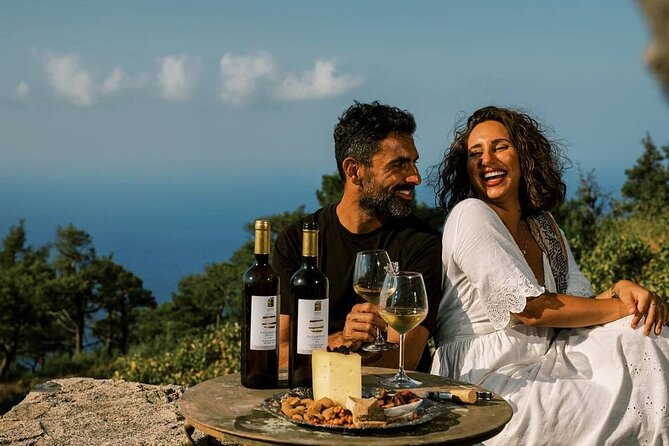
If you want wine tourism that actually explains what you’re drinking, Karimalis Winery is a smart pick. This isn’t just a sit-down-and-smile tasting. You start with a stroll through the vineyard to get oriented, then you move into the winery area to understand what happens after grapes are harvested. By the time you taste, you already know where the flavors come from.
The setting also helps. You’re on Ikaria, where food culture and small-scale farming are part of everyday life. Karimalis leans into that with snacks that come straight from the farm, not from a convenience shelf. That alone makes the experience feel grounded and real.
And there’s a big bonus for history lovers: you’ll hear about the ancient Pramnios wine and how it was produced, then the hosts tie that story to what they do on their own vineyards. Even if ancient references aren’t usually your thing, the connection helps you see winemaking as a living craft rather than a finished product on a label.
You can also read our reviews of more tours and experiences in Northeast Aegean Islands.

The 90-minute flow: what happens when you arrive
This experience is built for an efficient evening. It runs about 1 hour 30 minutes, and it ends back at the same meeting spot at the winery. That tight timing matters on Ikaria, where you may want flexibility after dinner plans or sunset plans.
The meeting point is easy to locate: Karimalis Winery & Farmhouse Restaurant – ikarian wine, Pigi 833 02, Greece. Once you’re there, you’ll be guided through the vineyard walk and then into the winery for explanations and tasting. There’s no complicated “find the bus, then hunt for the van” feeling. The tour is designed to keep you moving together.
Most people can participate, and the group size is capped at 20, which keeps the tour conversational. You’re not swallowed by a huge crowd.
One practical note: this is a wine tasting, so it’s aimed at adults. Guests must be over 18 to take part in the tasting portion.
Vineyard walk: grapes, varieties, and farm life in motion
The tour begins with a stroll around the property’s vineyard. This is the part I like most when I’m trying to understand a wine region. Seeing the grapes growing tells you how the farm operates and what the hosts care about.
You’ll get familiarized with the grape varieties cultivated in the vineyard. That matters because it gives your tasting a framework. Instead of tasting “mystery wine,” you’re tasting with a sense of what you’re looking at in the field. You also walk through the farm space where viticulture tools and working traditions are part of the story.
The vineyard walk also sets expectations for the rest of the tour. When you later hear about aging and storage, you’re already connected to the raw material—the fruit—and the pace of farm work that produces it.
Drawback: because this includes time outdoors, you’ll want your weather to cooperate. The experience is noted as requiring good weather, so if conditions are poor, you may face a change of date or a refund option.
Inside the winery: old press, pythostasi, and the logic of aging
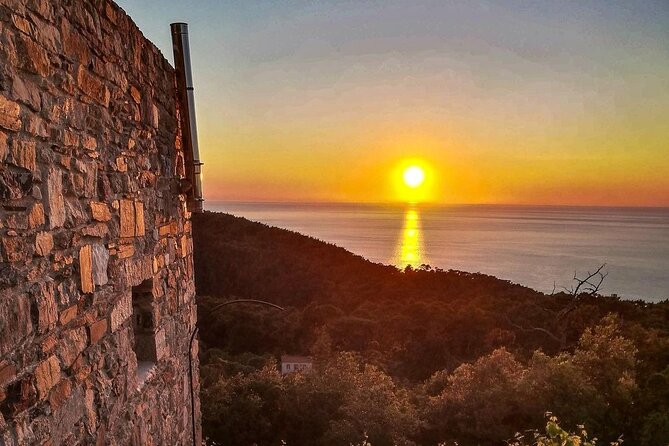
After the vineyard stroll, the tour finishes at the winery where the hosts explain the steps of winemaking and aging. This is where the tour becomes more than tasting notes.
You’ll learn about Ikarian wine-making techniques, including visits to older, preserved equipment. Two standout items are the old press and the pythostasi—both carefully preserved on the farm. Even if you don’t speak “wine process,” these kinds of details help you visualize the workflow: what gets done first, what needs careful handling, and where aging decisions influence flavor.
You’re also shown antiquated machinery and other items used by the family’s ancestors, including wine storage vessels and viticultural tools. That’s a key part of why this tour feels authentic. It’s not just modern production theory—it’s a physical tour through the history of how the craft was practiced here.
One more piece of context: you’ll hear about the history of the ancient Pramnios wine and how it was produced, then the hosts link that story to their own family vineyards. Think of it as a thread running through the evening. It helps the tasting feel like a continuation of tradition rather than a standalone product demo.
The overall tone is practical. The tour doesn’t just name steps—it explains them. If you like asking questions, this is a good setting to do it while the guide is pointing at the equipment and storage spaces.
The tasting portion: what you actually eat and taste
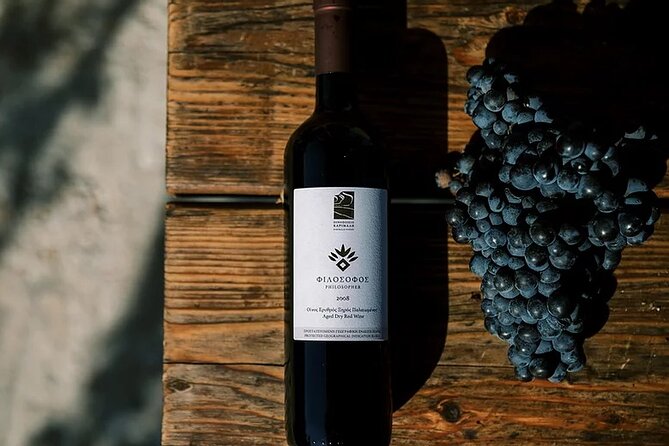
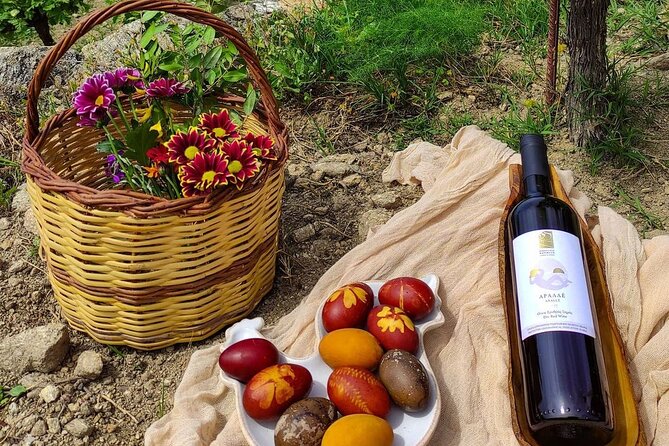
The finale is a tasting of the range of wines, accompanied by local delicacies. The tasting is described as covering all of their wines, paired with snacks that come 100% from the farm.
On the food side, you should expect items such as:
- pre-leavened hand-kneaded bread
- goat’s cheese
- fresh vegetables
- olives
This pairing approach works. Bread and cheese plus olive and vegetables gives you plain, savory support for tasting. It also keeps you from feeling like you’re only eating crackers between sips.
On the wine side, you’ll taste the range, and you’ll do it after the tour’s explanations, which helps the tasting “click.” You’re less likely to walk away with the feeling that everything tastes the same. You’ll have names, process context, and a sense of the grapes involved.
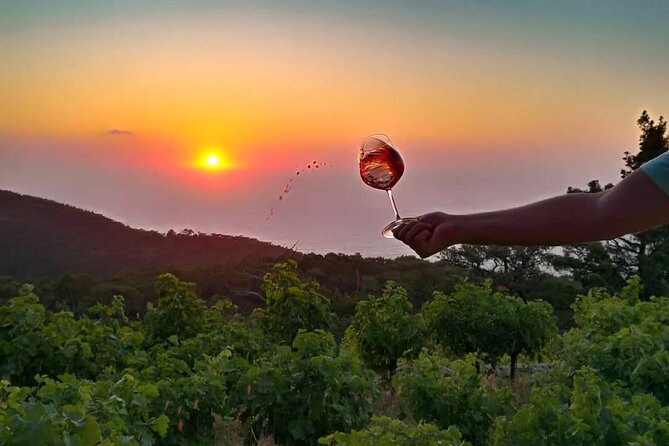
Timing can add atmosphere too. One highlight from recent experiences is tasting as the evening shifts toward sunset over the ocean, which can make the whole last stretch feel extra special.
Alcohol rules are straightforward. Wine tasting is included for adults, and children can’t participate in the wine tasting. If parents bring kids along, they can order a non-alcoholic beverage on the spot.
Price and value: what $48.01 buys you on Ikaria
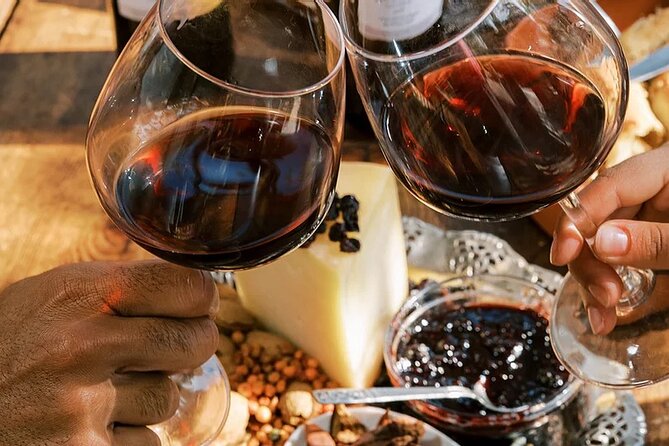
At $48.01 per person for about 1 hour 30 minutes, this tour is priced like a focused, guided winery visit—especially when you factor in what’s included.
Here’s what you get for that price:
- vineyard and winery tour
- wine tasting of their range
- snacks made from farm produce
That combination is the value equation. Many wine tours give you one of these elements (tasting, or a quick walk, or a light snack). Karimalis adds all the pieces together, and the farm-sourced snacks help keep the experience from feeling purely transactional.
The small group cap of 20 also matters for value. It’s easier to hear explanations and stay engaged when you’re not in a huge crowd. You’re also more likely to get answers to your questions during the process talk.
If you’re weighing this against other ways to spend an evening on Ikaria, think in terms of “one ticket, one guided storyline.” You’re paying for structure and for access to the farm’s winemaking spaces, plus adult tastings and food.
Who should book this Karimalis wine tour (and who might not)
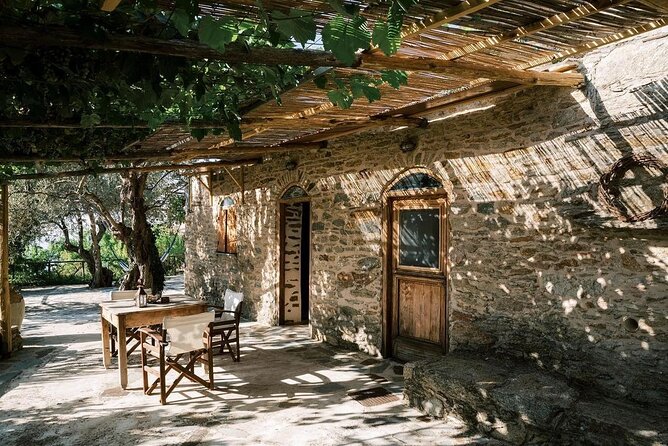
This tour fits best if you want:
- a guided understanding of how Ikarian wine is made
- a real look at farm tools and preserved equipment like the old press and pythostasi
- a tasting paired with farm-grown snacks, not packaged extras
- a small-group vibe where conversation stays possible
It’s also great if you’re the type who likes to learn a region through one craft. Ikaria has a reputation that people talk about for food and lifestyle. This tour connects you to that same world through wine, land, and family production.
You might skip or adjust expectations if:
- you’re bringing kids who specifically want to do the wine tasting (they can’t), though non-alcoholic options are available on-site
- you strongly dislike outdoor time, since the experience depends on good weather for the vineyard walk
- you’re looking for a long, slow meal experience. This is about the tour and tasting in a set window.
Final verdict: should you book?
I’d book this if you want an honest winery experience with a clear teaching style and real farm snacks. The big reason is the pairing of context + tasting. The tour doesn’t treat wine as magic; it shows you the equipment, the steps, and the tradition—plus you get to taste the results.
If you’re on Ikaria with limited time and you’d rather spend your evening learning and tasting with a small group, Karimalis is a strong choice. It’s not just about drinking; it’s about understanding what you’re drinking, then eating along the way.
FAQ
How long is the Karimalis Winery tour and wine tasting?
It lasts about 1 hour 30 minutes.
What is included in the tour price?
You get a vineyard and winery tour, plus wine tastings and snacks made from farm produce.
Where do I meet for the tour?
Meet at Karimalis Winery & Farmhouse Restaurant – ikarian wine, Pigi 833 02, Greece.
Is the tour offered in English?
Yes, it’s offered in English.
How many people are in the group?
The experience has a maximum of 20 travelers.
Are children allowed on the tour?
Most travelers can participate, but children are not allowed to participate in the wine tasting. Parents can order a non-alcoholic beverage for children on the spot.
How old do you need to be for the wine tasting?
Guests must be over 18 to take part in the wine tasting.
What should I expect during the tour?
You’ll walk around the vineyard, learn about grape varieties, tour the winery and preserved equipment like the old press and pythostasi, and then finish with tastings and farm snacks.
What happens if the weather is bad?
The experience requires good weather. If it’s canceled due to poor weather, you’ll be offered a different date or a full refund.
Can I cancel for a full refund?
Yes. You can cancel up to 24 hours in advance for a full refund.