REVIEW · PADUA
Winery Tour & Tasting on Padua Hills
Book on GetYourGuide →Operated by Slow Travel · Bookable on GetYourGuide
Four glasses, ancient vines, and real cellar talk. In the Colli Euganei near Due Carrare, Cantina Salvin turns a quick visit into a full sensory lesson on how wine gets made. You get the vineyard view, then the production details, then the tasting—together.
I really like the small group format (10 people max), which keeps the guide’s explanations easy to follow instead of rushed. I also like that the tasting isn’t just liquid: you pair 4 iconic labels with local cheeses and cured hams, so you taste the wines in context, not in a vacuum.
One possible drawback: the total time is about 1 hour, so it’s best if you’re happy with an efficient overview rather than a long, unhurried hang.
In This Review
- Key Points at a Glance
- Due Carrare and the Euganean Hills: Setting That Changes the Tasting
- What the 1-Hour Format Really Delivers (and What It Doesn’t)
- Vineyard Walk: Pergola and Guyot in Plain Sight
- Cellar Stops: Stainless Steel and the Start of Fermentation
- The Barrel Room: Oak Aging and That Search for the Right Notes
- The Tasting Itself: 4 Iconic Wines with Cheese and Cured Ham
- What you’ll likely taste
- Food pairing that actually supports the wine
- Price and Value: Is $53.01 Worth It for an Hour?
- Guides, Languages, and Group Size: Why Small Matters Here
- Who This Winery Tour Suits Best (and Who Might Skip It)
- Should You Book Cantina Salvin on the Padua Hills Tour?
- FAQ
- Where does the winery tour start?
- How long is the tour?
- What’s the price per person?
- How many wines are included?
- What food is included with the tasting?
- Is there a live guide?
- What languages are available for the tour?
- Is the tour wheelchair accessible?
- Is the experience suitable for everyone?
- Is there free cancellation?
Key Points at a Glance
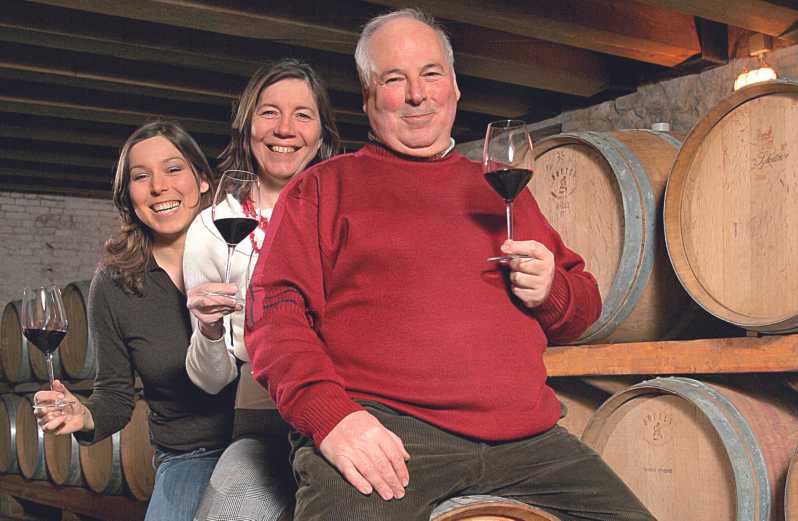
- Ancient vines by a medieval village in the Colli Euganei area
- Short, focused tour: vineyard walk, cellar, and the barrel room
- 4 iconic wines (plus 4+ pours total) paired with cheeses and cured hams
- Pergola and Guyot vine training styles explained while you walk the rows
- Stainless steel to oak barrels: you see the key production steps behind the flavors
- A family-run feel to the winemaking story, shared in your live guide’s words
Due Carrare and the Euganean Hills: Setting That Changes the Tasting
This isn’t a city tasting where you stand in one room and hope you remember what you liked. You’re out in the countryside of the Euganean Hills (Colli Euganei), near Due Carrare, and the whole point is that the scenery and the process go together. The tour starts in Due Carrare, about 25 minutes from Padova by car, so plan to arrive with enough time to get settled before the group starts.
What this setting does for you is simple: when you see the vines first, the wine stops being abstract. You’re tasting grapes and decisions you just learned about. Even in an hour, the order matters.
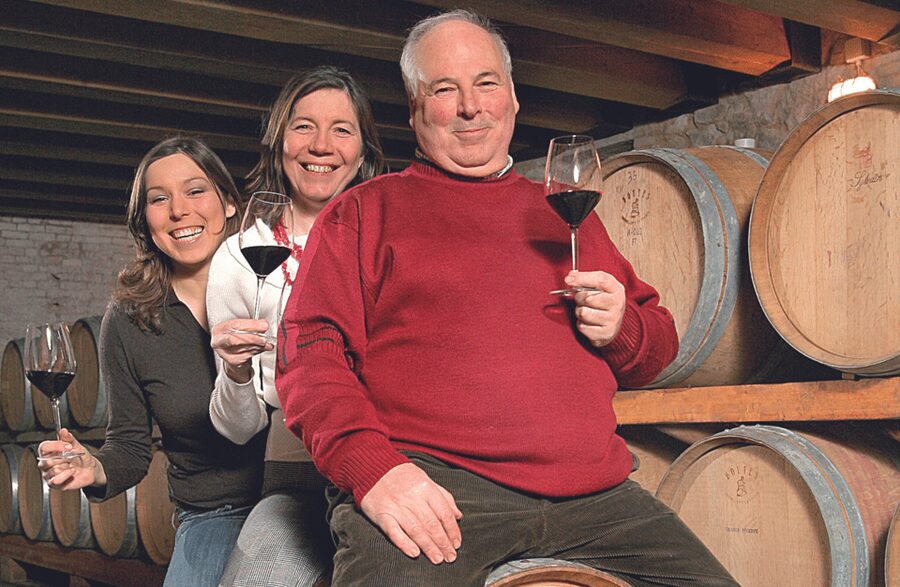
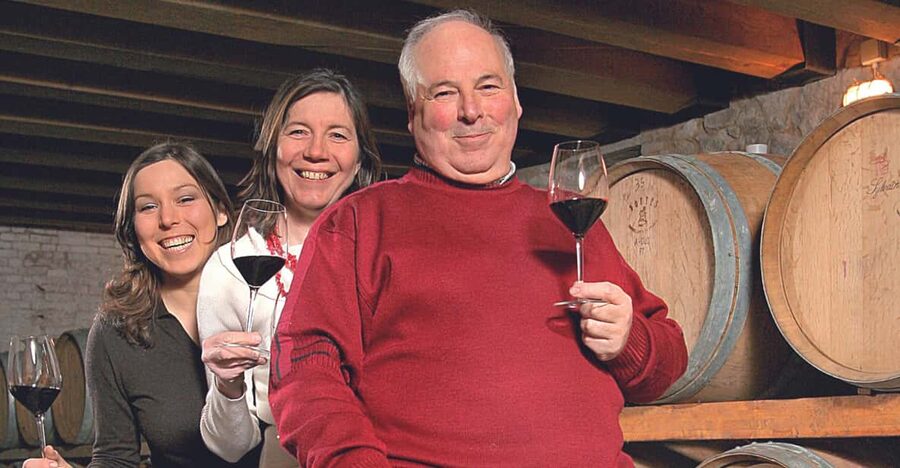
And there’s a good chance you’ll feel the family-business energy. One guide mentioned in past sessions, Francesca, is a big part of that warmth—she’s described as friendly and hands-on, with a knack for explaining both the vineyard and the pairing choices. If Francesca isn’t on your day, you’ll still get a live Italian/English/German guide who works the same plan.
You can also read our reviews of more tours and experiences in Padua.
What the 1-Hour Format Really Delivers (and What It Doesn’t)
Let’s be real: a 1-hour wine experience has to move. This one is built to cover the big beats quickly—vineyard, cellar, barrels, then tasting—without stretching into a half-day.
Here’s what you can count on within the hour:
- A walk among estate vines, including a stop where vine-training styles get explained
- A look at where fermentation begins and how stainless steel processing fits in
- A move to the barrel room area where aging choices come into focus
- A structured tasting that pairs wine with food (3 cheese types and 2 cured ham types)
What it doesn’t promise: extra time for lingering over one favorite wine, or a deep technical class where you take home a flow chart of fermentation temperatures. If that’s your thing, this tour is more “clear overview with strong context” than “laboratory-level training.” But for most people, it’s a great match: you leave understanding why the wine tastes the way it does.
Vineyard Walk: Pergola and Guyot in Plain Sight
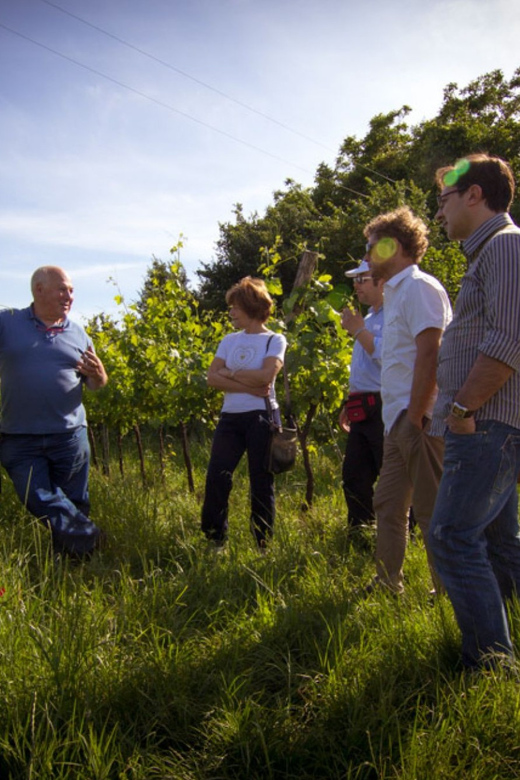
The heart of the tour is the vine walk. You head into the winery area in the Colli Euganei region and get a sense of how the estate grows grapes. The tour highlights cultivation in pergola and Guyot styles, and you’ll learn what those styles mean while you’re physically walking through the rows.
Why this matters for your tasting: vine-training affects canopy and exposure—how the grapes get light and air, and how the grapes ripen over the season. Even if you don’t remember the technical definitions later, you’ll remember what your guide said when you taste and think, Oh, that’s what they were aiming for.
This part also comes with the setting effect: you’re out among ancient vines on hillside ground with open views. It’s not just a photo break. It’s the tour’s built-in mental link from landscape to wine—so your palate has a story to follow.
Cellar Stops: Stainless Steel and the Start of Fermentation
After the vines, you shift into the production side. In the cellar, you uncover the role of stainless steel processing, where the wines begin their fermentation.
This is one of the key “why it tastes like this” explanations. Stainless steel is often associated with freshness and clarity, especially for whites, and it can help keep aromas lively. The tour keeps this practical: you’re not getting a lecture that assumes you already know the winemaking language. Instead, you see where fermentation begins and hear how the producers approach the early stages.
In a 1-hour format, the cellar stop is your reality check. Before you taste, your brain gets a framework: fermentation choices aren’t random. They’re part of a plan—especially in a family operation that treats each label as its own job to get right.
The Barrel Room: Oak Aging and That Search for the Right Notes
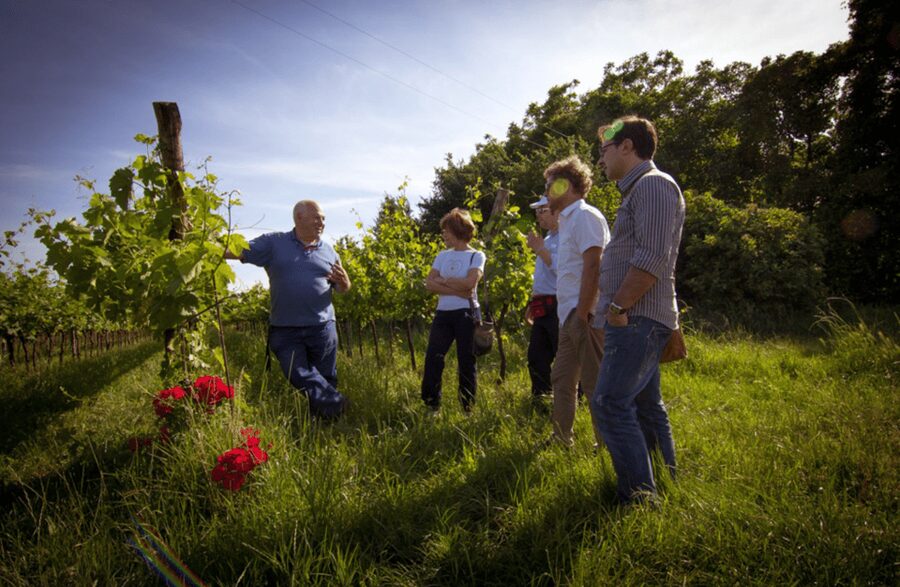
Next comes the oak side: you explore the barrels and learn how each one can influence the wine’s character. This is where the tour turns from “how you start” to “how you shape.”
The barrel room message you take away is about precision and taste. The process includes careful attention to how each label is guided toward its ideal profile—down to finding the right tasting notes for the bottle.
This portion helps you taste smarter. When you later sip and think about texture, spice, and how the fruit comes across, you’ll have a production reason in your head. You’ll stop guessing and start comparing.
The Tasting Itself: 4 Iconic Wines with Cheese and Cured Ham
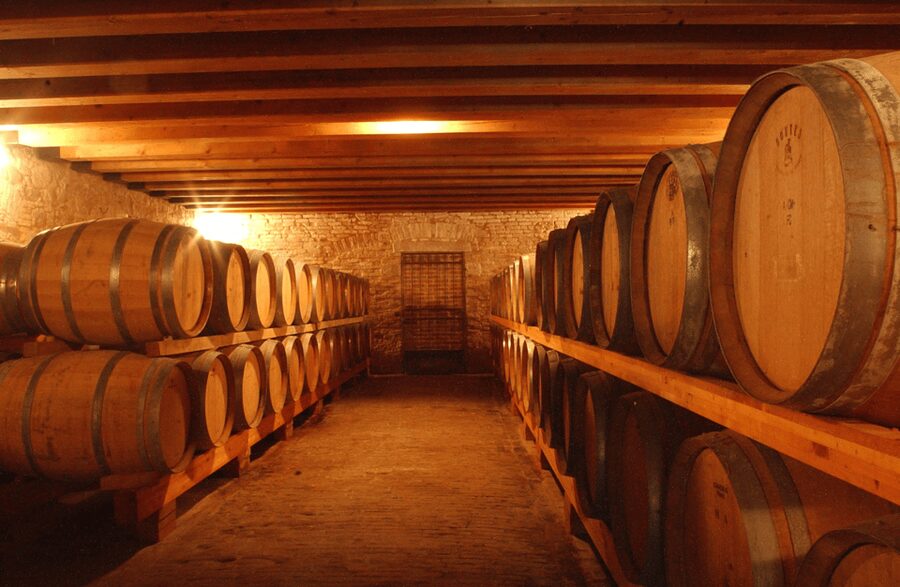
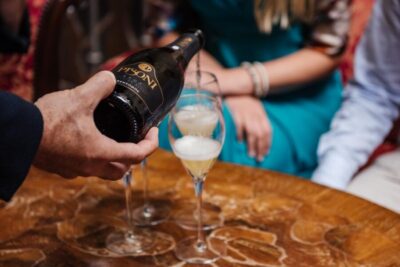
Now the fun part: the tasting. You’ll taste four of the winery’s iconic wines, with the format described as 4+ wine tastings from the winery selection. That’s an important detail for value—your money is tied not just to four pours, but also to the overall tasting flow and pairing.
What you’ll likely taste
The tasting is built around the Euganean Hills style and includes:
- sparkling wine
- a white wine
- an emphasis on young and aged red wines
On the red side, the tour points to labels based on Merlot, Cabernet Franc, and Cabernet Sauvignon. Even if the exact pairing of grapes to each glass isn’t spelled out in your head at the start, you’ll taste in a way that makes those grape names make sense by the end.
Food pairing that actually supports the wine
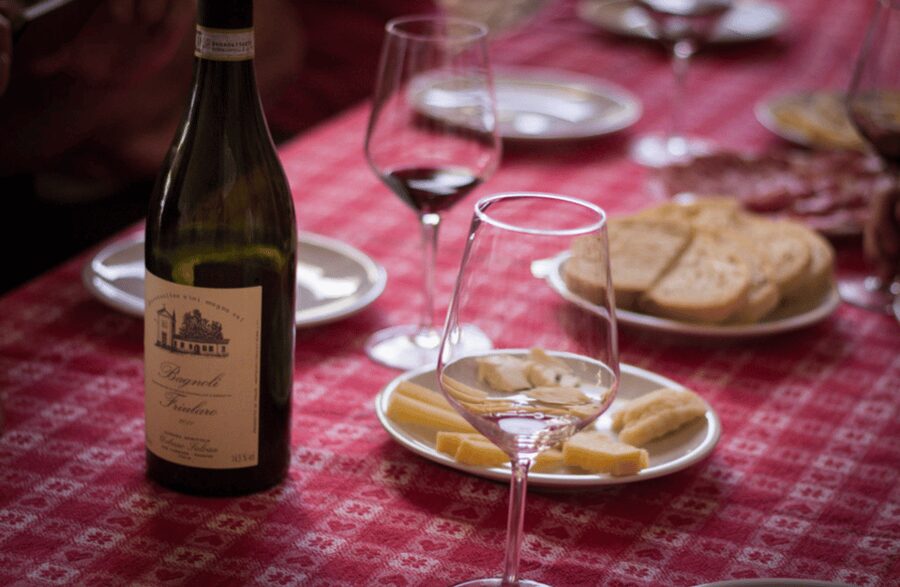
This is where the tour earns extra points for practicality. You’re not just handed cheese and told good luck. You get local cheeses—3 types, each matured differently—and 2 types of cured hams. The pairing is explained live by your guide during the tasting, so you’re learning what to notice as you switch between wines.
One reason this works: matured cheeses and cured meats can swing from salty and savory to more complex and aged. That variety makes it easier to tell where a wine is fruity, where it has structure, and where it picks up spice or softness after oxygen and time in the glass.
You’ll likely also get bread as part of the food setup; that detail showed up in past descriptions of the tasting experience, and it makes a difference if you’re trying to keep your palate balanced between pours.
Price and Value: Is $53.01 Worth It for an Hour?
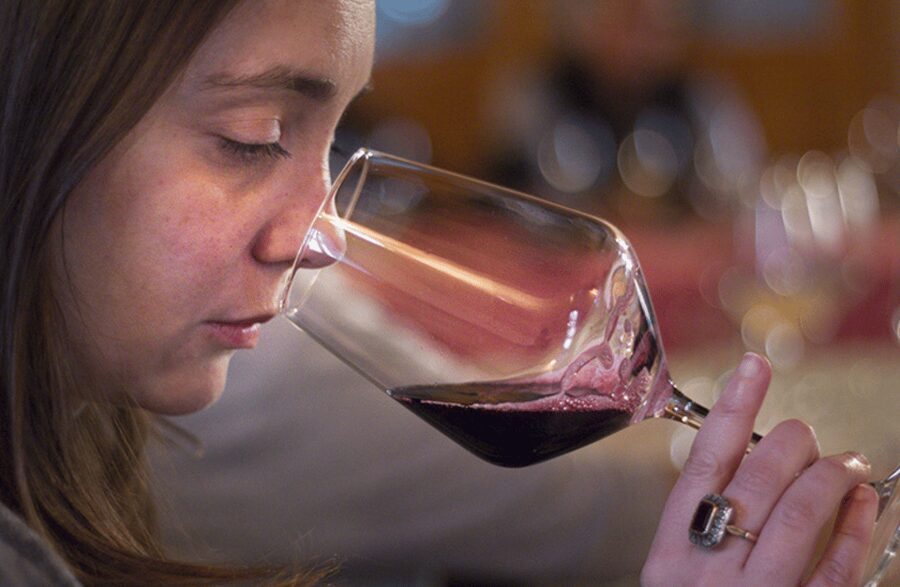
At $53.01 per person for about an hour, the real question is value: do you get enough for the time and price?
Here’s what you do get:
- a vineyard walk among ancient vines
- a cellar look at stainless steel fermentation
- a barrel room visit for oak aging context
- four iconic wines (and the structure suggests 4+ pours total)
- a real pairing plate: 3 cheeses and 2 cured hams, plus a live guide
For me, the value isn’t just the pours. It’s the fact that the tasting comes after you understand the production steps. That order makes your tasting more useful—and less like random sipping.
If you prefer wine tasting that includes education (but still stays short), this price makes sense. If you only want to drink without learning and you hate walking, you might feel the schedule is too structured.
Guides, Languages, and Group Size: Why Small Matters Here
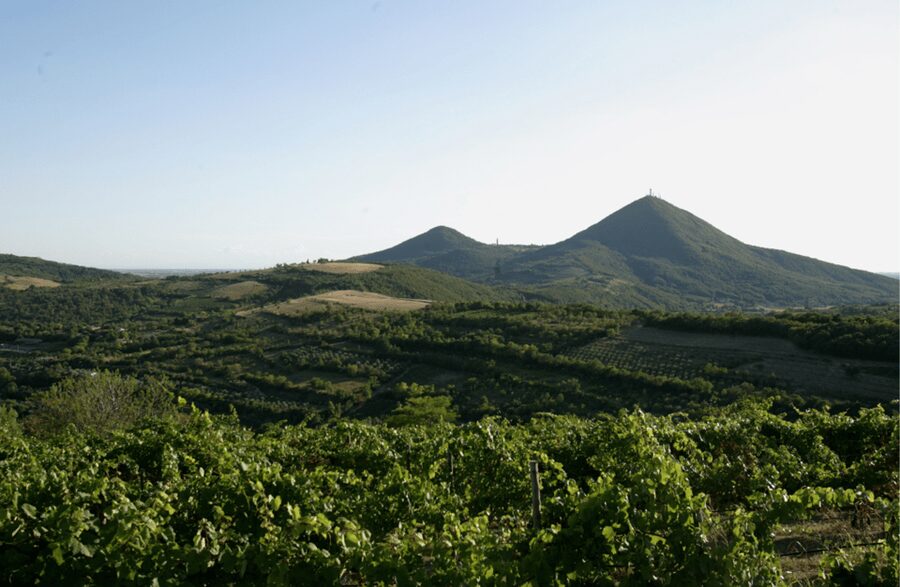
This is capped at 10 participants, which is a big deal in a short tour. With a larger group, food and wine pairings turn into a conveyor belt. With a small group, the guide can slow down, answer questions, and switch between explaining production and discussing the tasting notes.
Languages available include Italian, English, and German, so you should find a session that fits your comfort level. Past sessions also highlighted guide personalities like Francesca—especially her ability to connect the vineyard stroll to the steps behind the wine. When the guide hands off during the session (a mother took over in at least one described experience), the key win here is continuity: you still get the full tasting sequence rather than a half-finished explanation.
Who This Winery Tour Suits Best (and Who Might Skip It)
You’ll probably love this if:
- you want a guided, structured tasting with food pairings
- you like seeing production spaces, not just tasting in a room
- you’re curious about how native Venetian vine traditions connect with red grape exploration
- you enjoy short tours where you still leave with clear mental “why” behind the flavors
You might be less thrilled if:
- you want a long, leisurely tasting with lots of downtime
- you dislike walking in the countryside or standing indoors for production explanations
- you’re sensitive to the note that the experience is not suitable for pregnant women (per the tour’s stated suitability)
Should You Book Cantina Salvin on the Padua Hills Tour?
Book it if you want an efficient, high-context tasting that ties vineyard choices to cellar steps and then to a paired flight. The biggest reason to go is the rhythm: vines first, fermentation and barrels next, then wines with cheese and cured ham.
Skip it if you’re chasing a slow-paced, purely social winery day. This tour is designed for focus and momentum. In exchange, you get a lot of wine understanding for an hour—plus a tasting that isn’t just four glasses, it’s four glasses with real food support.
FAQ
Where does the winery tour start?
It starts at the winery in Due Carrare, a village near Padova in the Colli Euganei park, and the activity ends back at the same meeting point.
How long is the tour?
The duration is about 1 hour. Starting times depend on availability.
What’s the price per person?
The price is listed as $53.01 per person.
How many wines are included?
The experience centers on tasting four iconic wines, and the included tasting is described as 4+ wine tastings from the winery selection.
What food is included with the tasting?
You’ll have local cheese and cured meats: 3 types of cheese and 2 types of cured hams, each matured differently.
Is there a live guide?
Yes. You’ll have a live wine guide during the tour and tasting.
What languages are available for the tour?
The tour is offered in Italian, English, and German.
Is the tour wheelchair accessible?
Yes, it’s listed as wheelchair accessible.
Is the experience suitable for everyone?
It’s specifically noted as not suitable for pregnant women.
Is there free cancellation?
Free cancellation is available up to 24 hours in advance for a full refund.