REVIEW · REIMS
Champagne Lamiable: Stroll and taste in the Grand Cru Champagne vineyard
Book on Viator →Operated by In Vox Veritas · Bookable on Viator
Grand Cru vines and cellar history in one slow walk.
At Champagne Lamiable near Reims, you get a proper Grand Cru-area stroll plus a guided tasting that explains what you’re actually sipping, not just where to pose for photos.
I like that this visit is intimate, with a max of 8 people, so you’re not lost in the shuffle. I also like the pacing: the dug-by-hand cellar tour comes first, then a break at the vineyard lodge to taste three original cuvées, led by a guide like Elena who brings energy and keeps the focus on how Champagne is made and how styles differ.
One consideration: the experience depends on good weather, and you’ll be walking in the vineyard, so pack for cool and damp conditions if the forecast looks iffy.
In This Review
- Key highlights worth planning for
- Getting to Champagne Lamiable: Tours-sur-Marne as your launchpad
- Inside the dug-by-hand cellar: where the story becomes real
- The vineyard lodge tasting: how three cuvées teach you to taste
- Strolling the Grand Cru rows: connecting terroir to flavor
- Why the small group and English guide make this feel better
- Price and value: does $66.08 make sense?
- Who this tour is perfect for
- Should you book Champagne Lamiable?
- FAQ
- How long is the Champagne Lamiable stroll and tasting?
- How much does the tour cost?
- What language is the tour offered in?
- How many people are on the tour?
- What’s included in the tasting?
- What happens if the weather is poor?
Key highlights worth planning for
- Dug-by-hand cellar time: learn the family know-how from the underground spaces where the process starts
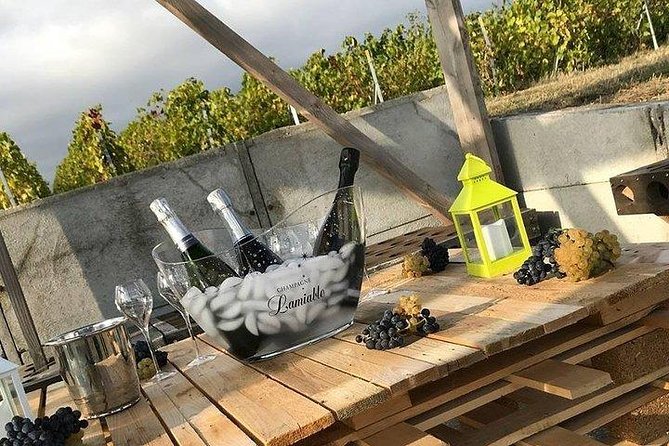
- Three glasses, three original cuvées: taste with built-in context, then compare styles
- Grand Cru vineyard stroll: walk the rows and connect the taste to the vines
- Small group of up to 8: more questions, less rushing
- English experience: you’ll get the explanations clearly, without needing to guess
Getting to Champagne Lamiable: Tours-sur-Marne as your launchpad
This tour is set up around Tours-sur-Marne, not deep in the center of Reims. The start point is at 8 Rue de Condé, 51150 Tours-sur-Marne, and the activity ends back there too. Round-trip transfers from Tours-sur-Marne are included, which matters because Champagne touring can get annoying fast if you’re coordinating rides.
One detail that keeps things simple: private transportation isn’t included. So if you’re already based in Tours-sur-Marne, you’re in good shape. If you’re staying farther away, plan your own way to the meeting point so you don’t end up stressed at the last minute.
The tour uses a mobile ticket, and it runs about 2 hours 30 minutes. That’s a good length for a Champagne afternoon: enough time to tour, walk, and taste, but not so long that you lose your whole day.
You can also read our reviews of more tours and experiences in Reims.


Inside the dug-by-hand cellar: where the story becomes real
The signature here is the cellar itself. You’ll discover the family history and know-how connected to a dug-by-hand cellar, the kind of place that immediately makes Champagne feel less like a product and more like craft.
The tour focuses on how things work, not just the brand name on the bottle. You’ll hear about the process of making Champagne and the reasoning behind it, which is especially useful if you’re new to Champagne or if you’ve tasted a few glasses before but never really understood why they’re different.
A dug-by-hand cellar also signals something practical: this isn’t a showy, modern set. Underground spaces like this tend to run at more stable temperatures and humidity, which is exactly the kind of environment the Champagne method relies on. Even if you don’t geek out on cellar conditions, you’ll feel the difference as you move from daylight to cool stone.
The vineyard lodge tasting: how three cuvées teach you to taste
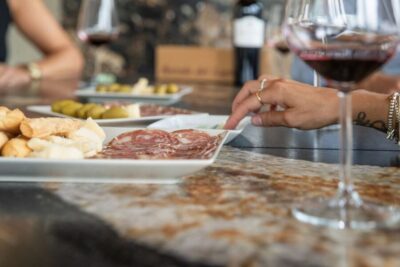
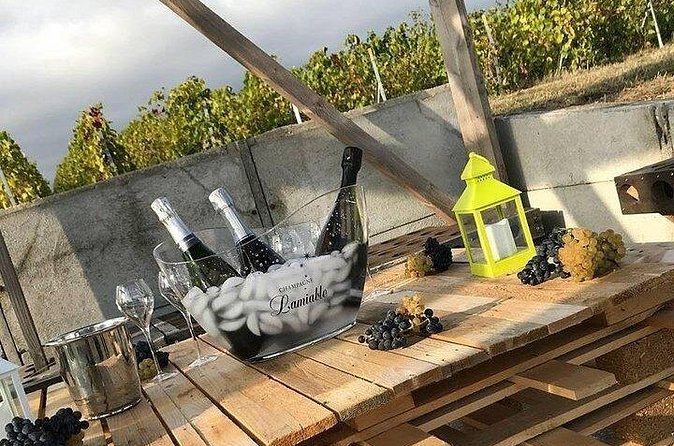
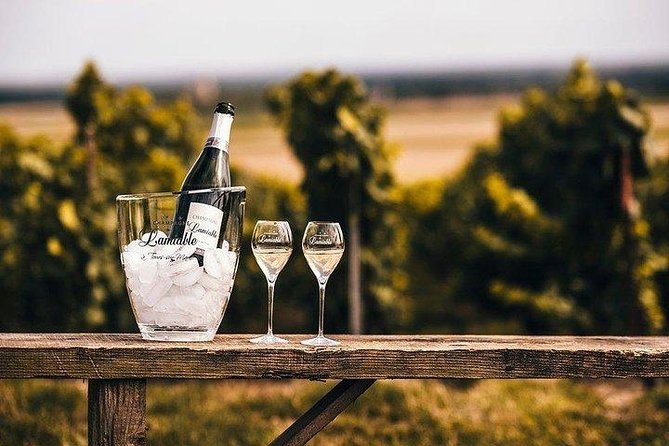
After the cellar part, you head to a vineyard lodge for a break and your tasting. The included tasting is 3 glasses of Champagne, and the goal isn’t just to drink. It’s to taste three original cuvées while you learn what you’re seeing and comparing.
This is where the tour earns its value. A lot of tastings are basically: here’s a flute, enjoy. Here, you’re given enough background to understand what separates the bottles—so your notes in your head become more than vibes.
Practical tip for tasting: take 15 seconds per glass. Look at the color, notice the bubble size and persistence, then smell before you swallow. It sounds basic, but doing it on purpose makes the differences between the cuvées much clearer—especially when you’re switching styles through the tasting sequence.
The guide’s job is to keep you oriented during that process. In the experience, Elena stands out for explaining from the basics up through the different styles, with room for questions. That’s exactly what you want if you’re the type who wonders why one glass feels crisper or more textured than the next.
Strolling the Grand Cru rows: connecting terroir to flavor
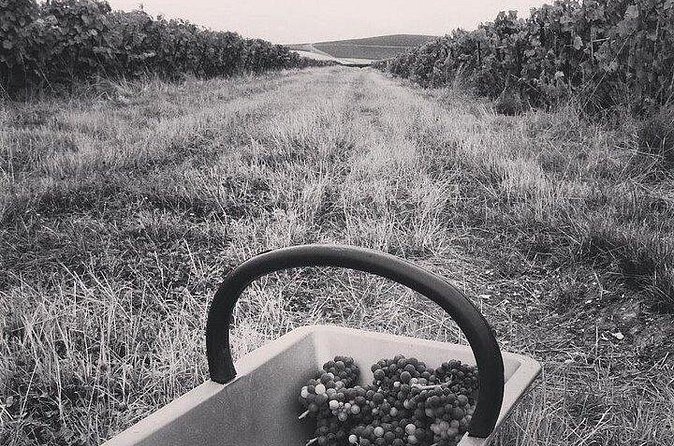
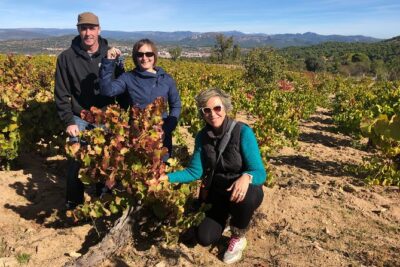
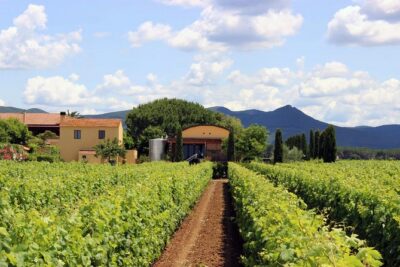
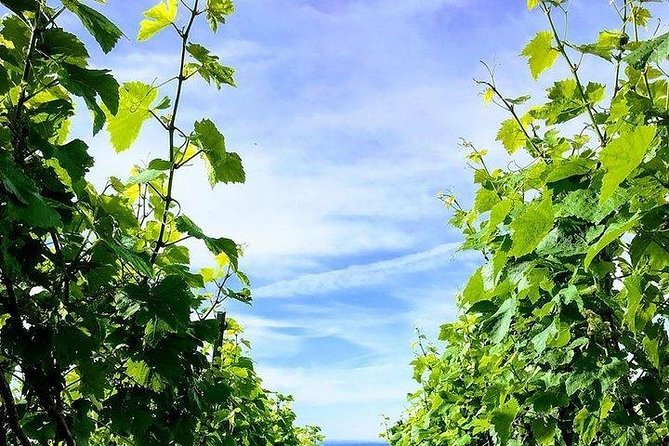
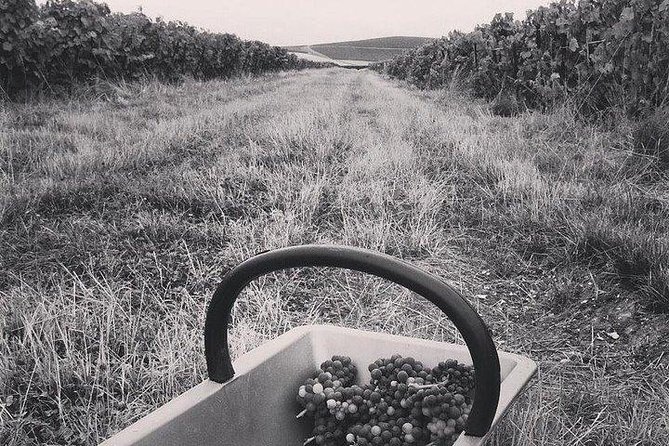
The tour doesn’t end at the cellar door. You also walk through the vines in the Grand Cru area and taste in the vineyard setting, which is one of the best ways to make Champagne feel place-based.
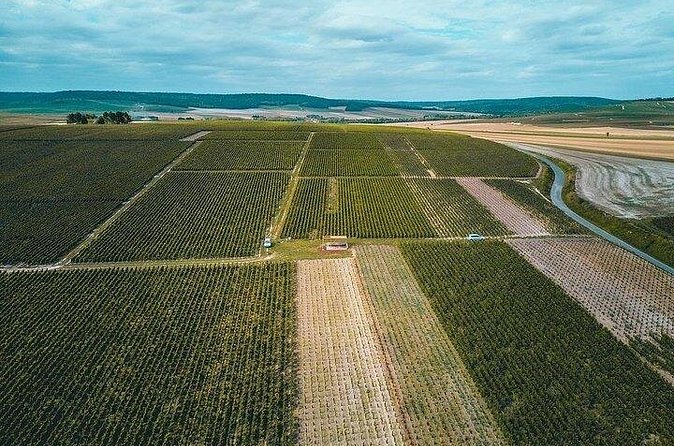
In plain terms, the vineyard stroll helps you stop thinking of Champagne as something that comes from a bottle shelf. You start thinking in terms of location: how the vines grow, what the vineyard environment gives to the grapes, and why a Champagne can have a different character even when it’s made in the same region-wide style.
You’ll be among the rows, moving at a stroll pace, and this part works well for photos—yes—but more importantly it helps you remember what you learned in the cellar when you’re tasting again. You get the sensory link between ground, vines, and the glass.
Because this is outdoors, it’s worth planning smart layers. Comfortable shoes matter too, since you’ll be walking through vineyard terrain and paths that aren’t designed for heels or slick soles.
Why the small group and English guide make this feel better
This is built as an exclusive experience with a maximum of 8 travelers. That small size changes the vibe. You can ask questions without feeling like you’re interrupting a parade of people. You can also linger longer on the parts you care about—cellar process, vineyard practice, or how the tasting differences add up.
The tour is offered in English, which is another practical win in Champagne country. You can focus on the explanations rather than translating everything in your head. And if your French is rusty, that matters.
The guides in this experience also seem to bring personality. Elena, in particular, comes across as friendly and motivated, with the kind of enthusiasm that turns a technical subject into something you actually pay attention to. That energy helps the whole visit move smoothly, especially during the shift from cellar history to vineyard tasting.

Price and value: does $66.08 make sense?
At $66.08 per person, you’re paying for more than a pour-and-go tasting. The price includes 3 glasses of Champagne, a guided cellar and vineyard experience, and round-trip transfers from Tours-sur-Marne. It’s also capped at a small group size, which usually costs you less time waiting and more time learning.
Here’s how I think about value for Champagne tours like this: you’re not just buying alcohol. You’re buying context, access, and a format that keeps your attention. With cellar time, vineyard walking, and tasting built together, the cost feels in line for what you actually do during the 2.5 hours.
If you’re comparing to a quick tasting that’s shorter and less guided, this option tends to feel better because it gives you enough structure to remember what you tasted and why. If you’re looking for a Champagne tour that feels more like a conversation and a walk than a timed bus ride, the structure fits that goal.
Who this tour is perfect for
Book this if you want a family-run style of Champagne touring with real explanations and time to look around. It’s a great fit for:
- First-time Champagne drinkers who want the basics explained clearly
- People who prefer a small group and don’t want to feel rushed
- Friends and couples who want a memorable outing in the Reims area without the chaos
- Anyone who likes pairing food or drink with a sense of place, not just brand names
It may be less ideal if you hate any outdoor walking, even short sections. The tour also depends on good weather, so plan an indoor option nearby in case the day changes.
Should you book Champagne Lamiable?
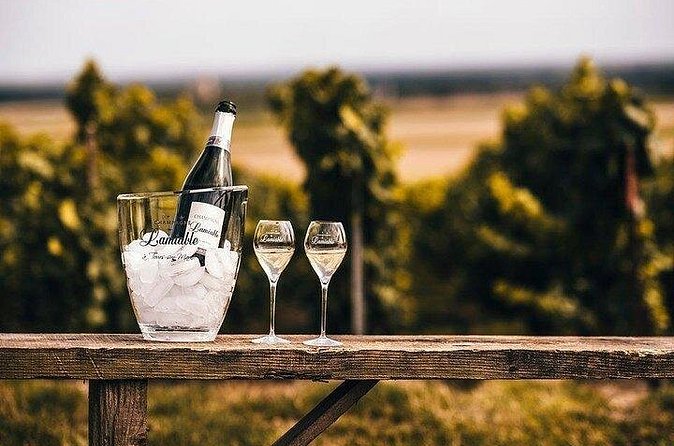
Yes—if you want a Champagne experience that’s thoughtful and hands-on, not just a quick tasting. The combination of the dug-by-hand cellar tour, a vineyard lodge break, and a Grand Cru stroll makes it easier to connect the process to the glass. Add the small group size and the included tastings, and you get a strong mix of education and enjoyment for the price.
I’d say reconsider only if you’re highly weather-dependent or you need a fully indoors, no-walking outing. If that sounds like you, choose another day or a more indoor-focused option. Otherwise, this is the kind of tour that makes Champagne feel real, right down to the vines.
FAQ
How long is the Champagne Lamiable stroll and tasting?
The tour lasts about 2 hours 30 minutes.
How much does the tour cost?
It costs $66.08 per person.
What language is the tour offered in?
The experience is offered in English.
How many people are on the tour?
The tour has a maximum of 8 travelers.
What’s included in the tasting?
You’ll have 3 glasses of Champagne, and you’ll taste 3 original cuvées.
What happens if the weather is poor?
This experience requires good weather. If it’s canceled due to poor weather, you’ll be offered a different date or a full refund.