REVIEW · MAREUIL LE PORT
Champagne Vineyard Experience: Delve into the terroir
Book on GetYourGuide →Operated by Champagne Harlin Père & Fils · Bookable on GetYourGuide
Bubbles start with dirt. On this 90-minute Champagne Harlin Père & Fils tour, I love the walk through the oldest vines and the stop in the historic cellar, where the guide explains how champagne production really works.
You’re not just hearing facts. You’re moving through the estate in a logical line: garden to vines to the cool depths below.
I also like that you end with a focused tasting of champagnes and Ratafia Champenois, plus a conversation with a producer who has a strong commitment to biodiversity. One thing to keep in mind: the tasting portion is about 30 minutes, so it’s more about guided learning than a long, heavy pour session.
In This Review
- Quick takeaways
- Entering Champagne Harlin Père & Fils at 8 Rue de la Fontaine
- From grandfather’s garden vines to the cool cellar stairs
- Oldest vines and terroir: organic viticulture you can see
- Historic cellar secrets: how the estate explains Champagne-making
- Meeting the producer focused on biodiversity preservation
- The 30-minute tasting: Champagne plus Ratafia Champenois
- Getting the most from the tour: stairs, timing, and how to taste
- Price and value for $28 in Grand Est
- Should you book this terroir-focused Champagne tour?
- FAQ
- How long is the Champagne Vineyard Experience?
- Where is the meeting point?
- What languages are available for the tour?
- What is included in the ticket price?
- What do you taste during the tour?
- Does the tour include vineyard visits and a cellar visit?
- Are children allowed to join?
- Do children need a ticket?
- What should children be given if they cannot drink alcohol?
- Is outside alcohol allowed?
- FAQ
- Can I cancel for a full refund?
- Is reserve now & pay later available?
- How does the tasting fit into the total time?
- Do you learn how to taste during the tour?
Quick takeaways
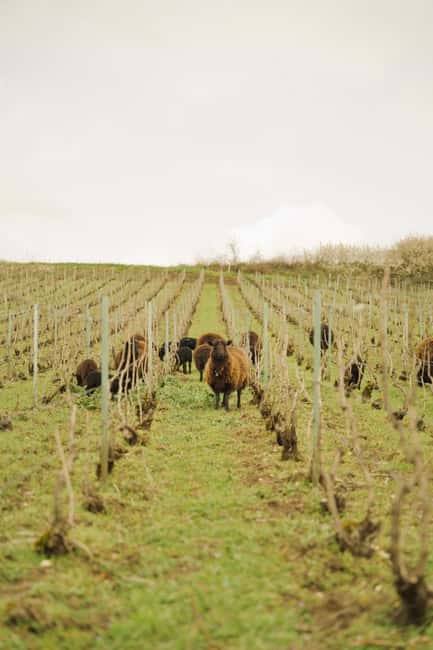
- Old vines first: you start where the estate has real age behind it
- Historic cellar tour: learn how production is discussed on site, not in a classroom
- Organic and sustainable viticulture: see how soils shape the cuvée
- Ratafia Champenois tasting: a signature taste beyond standard Champagne
- Terroir mapping by place: Mareuil-le-Port, Épernay, and Tours-sur-Marne guide what you notice
- Clear, friendly guiding: English and French, with guides like Sarah and Chléo doing the explaining
Entering Champagne Harlin Père & Fils at 8 Rue de la Fontaine
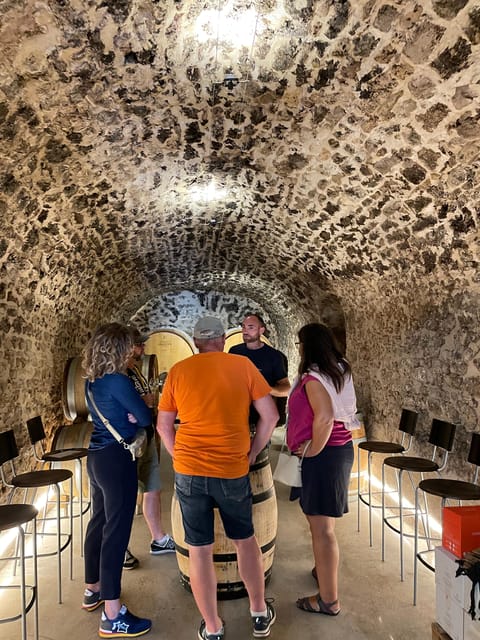
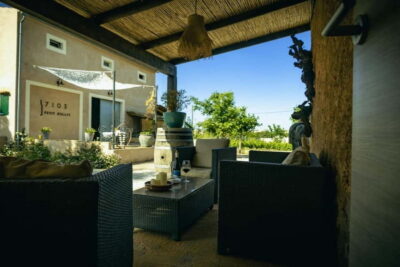
Your tour begins in the courtyard of Champagne Harlin Père & Fils at 8 Rue de la Fontaine. It’s the kind of meeting spot that feels practical: you show up, step into the courtyard, and your guide is there to get you rolling.
This matters because it sets the tone. You’re not wandering for a start time or waiting for a pickup. You’re in place, then you start walking through the estate right away. The whole experience stays in that rhythm, from vines to cellar, ending with tasting at the right moment.
Guides work in English and French, which is a big deal for Champagne country. If your French is rusty, you still get the full story: how the estate thinks about viticulture, how the guide teaches you to taste, and how the wine’s identity is connected to the land.
From grandfather’s garden vines to the cool cellar stairs
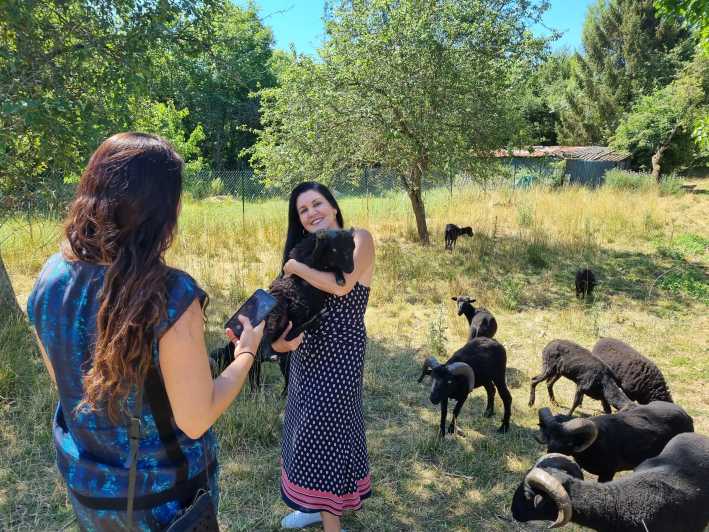
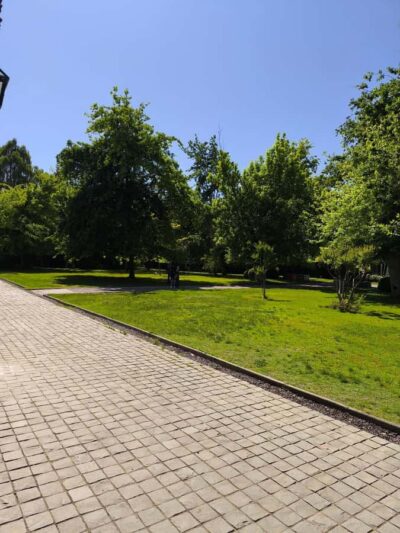
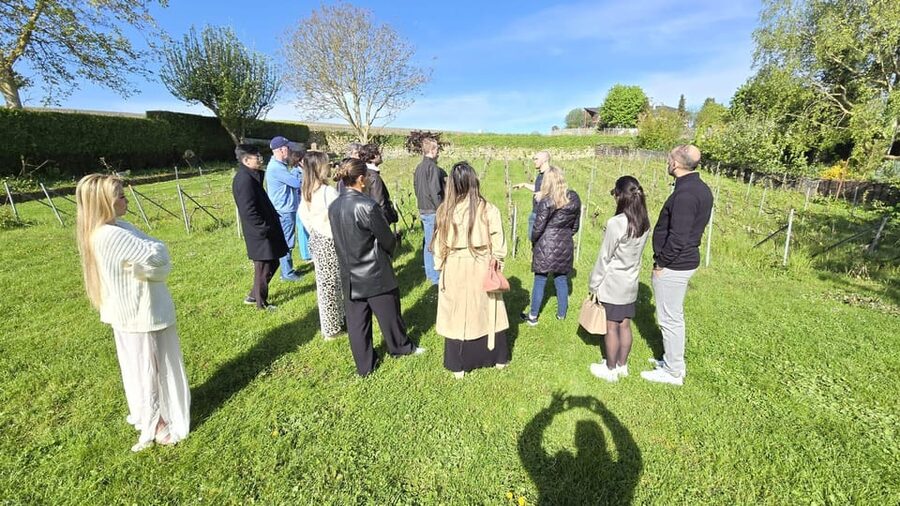
The tour traces the estate in a way that makes sense on your feet. You begin at the garden area where your grandfather’s vines grow, then you move through the vineyards, and finally you head down into the cellar—cool, quiet, and built for the work that needs steady conditions.
You should expect some walking and some steps. Even on a shorter 90-minute visit, this is not a seated-only experience. One helpful detail: the experience includes a small promenade in the vines and stairs to access the cellar and tasting room. If you prefer to minimize stairs, plan accordingly.
What I like about the sequence is the way it trains your senses. In the vines, you’re reading the setting—how the grapes are surrounded by soils and farming choices. In the cellar, you’re switching gears to the slower, cooler part of production. Then you finish with tasting when your head and palate are ready.
Oldest vines and terroir: organic viticulture you can see
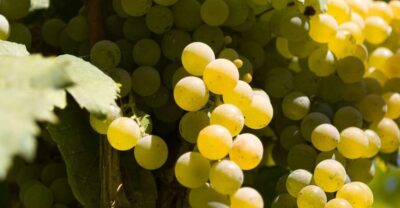
One highlight is the tour in the oldest vines. That’s not just a poetic detail. Old vines often mean more character in how the grapes express the land, and in an experience like this, it helps you understand terroir in a concrete way.
The guide links what you’re seeing to viticulture choices. You’ll explore organic and sustainable viticulture, and you’ll hear how soils shape each cuvée. That’s the core idea behind a terroir tour: you’re trying to learn the wine’s logic, not just the wine’s flavor.
Here’s the practical payoff for you: once you’ve heard how the estate talks about soils and sustainable farming, tasting becomes less random. You can start asking better questions like: does this taste align with the vine location the guide emphasized? Does the wine feel brighter or more structured when the terroir focus shifts?
And the tour keeps that connection tight by bringing in specific terroirs: Mareuil-le-Port, Épernay, and Tours-sur-Marne. Even without getting technical, you’ll notice the guide uses place names as anchors for what to pay attention to.
Historic cellar secrets: how the estate explains Champagne-making
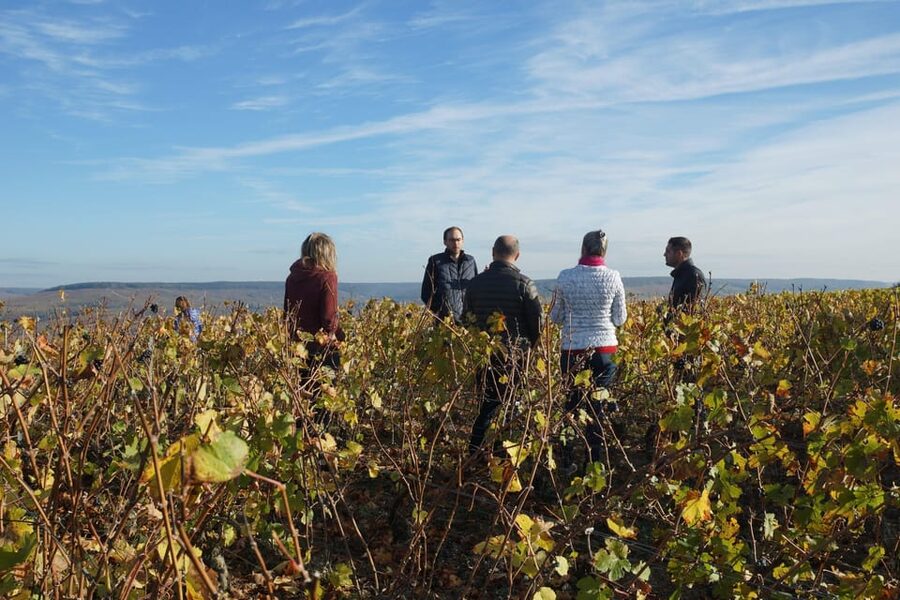
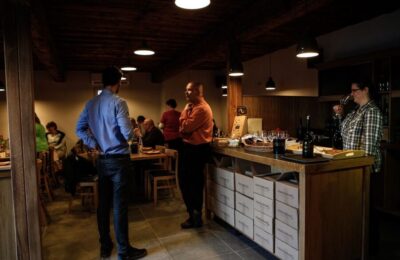
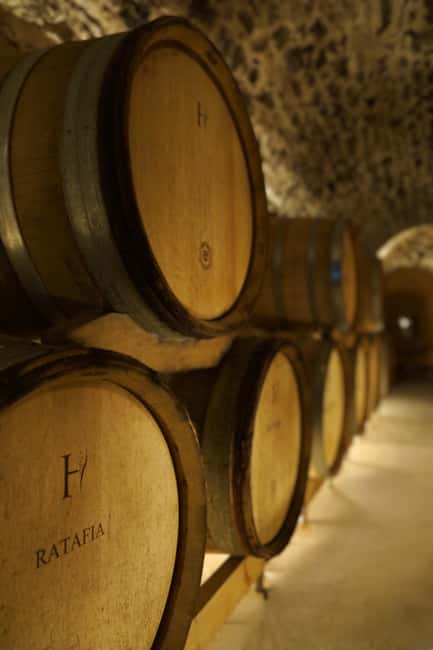
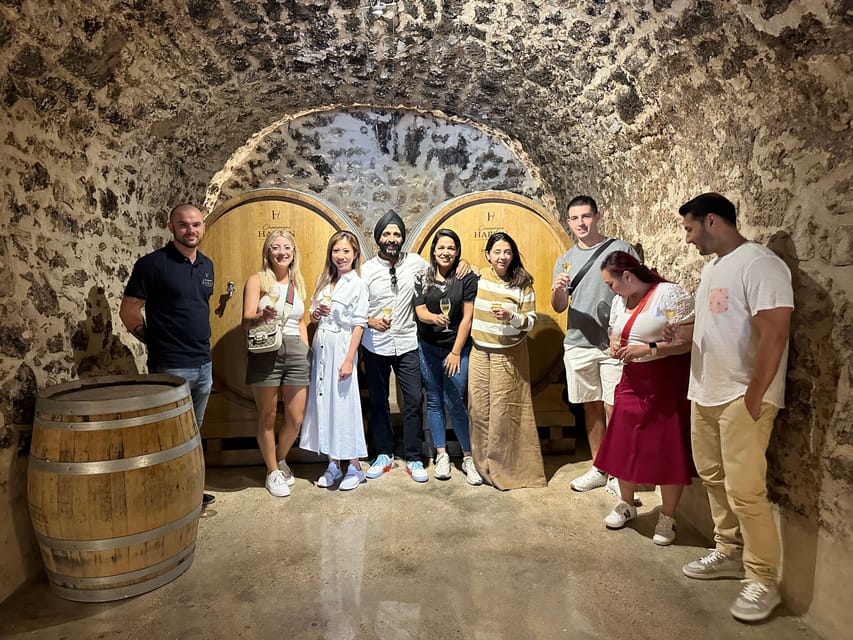
In the historic cellar, the guide shares secrets of Champagne production. The emphasis here is on explanation in context. You’re not just standing in front of equipment; you’re in the environment where production decisions matter—cool temperatures, stable conditions, and the physical space where the wine’s story continues.
This is also where your guide shifts from vineyard observation to wine understanding. You’ll learn the art of tasting and how to think about what you’re drinking. That part is gold if you usually feel lost at tastings. The guide doesn’t assume you already know what to look for.
One more reason the cellar visit works: it creates contrast. After walking in the vines, you go into a totally different world. That change helps the information stick.
Meeting the producer focused on biodiversity preservation
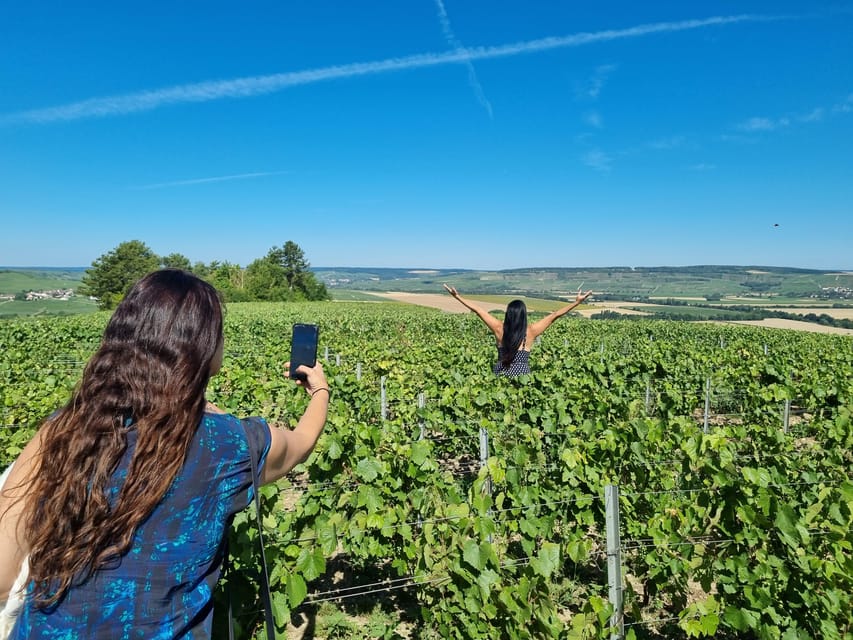
Another standout is meeting a Champagne producer with a strong commitment to biodiversity preservation. You’ll hear how that approach fits with the estate’s broader attitude toward organic and sustainable viticulture.
Even if you already care about the environment, I think this adds value beyond being a feel-good story. Biodiversity choices often influence how vineyards function day to day, from soil health to the balance of the ecosystem. In other words, it’s not only ethics—it can shape the growing conditions that lead to the final bottle.
If you’re the kind of person who asks questions like What do you actually do differently in the vineyard?, this is your moment. The guide’s job isn’t only to talk; it’s to connect the biodiversity commitment back to the wines you’ll taste later.
The 30-minute tasting: Champagne plus Ratafia Champenois
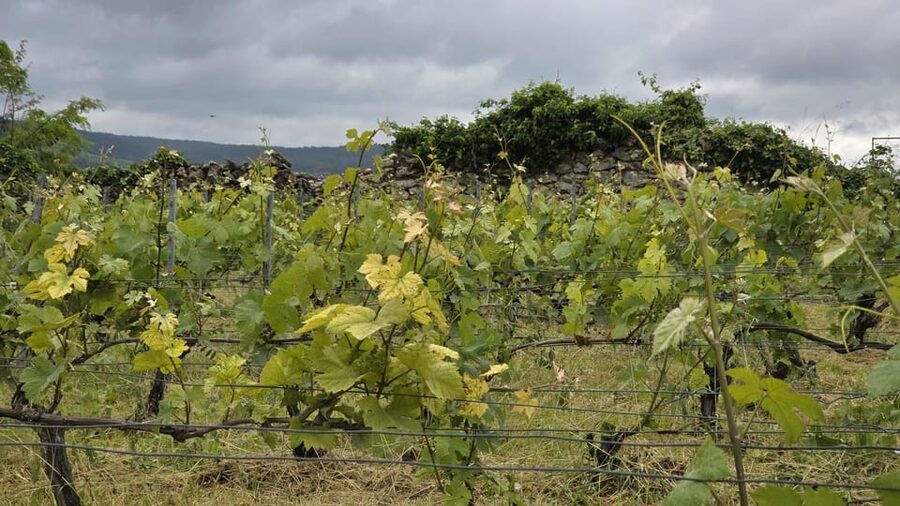
After the walk and cellar time, you land on the part you came for: tasting. The tasting segment is about 30 minutes, and it includes champagnes plus the estate’s emblematic Ratafia Champenois.
This is the point where your learning turns into flavor. The guide helps you taste with more intention, using the terroir themes from the tour—so you’re not only evaluating sweetness, dryness, or bubble character. You’re also comparing what the guide told you to what your palate is picking up.
The Ratafia Champenois tasting is the curveball in the best way. Champagne can dominate your mental picture of the region, but this offering broadens it. It gives you a sense of how estate identity can show up outside standard Champagne expectations.
Also, remember the pacing. A 90-minute tour includes a tasting, but it’s still a short window. The experience is designed to teach you how to notice, not to turn the whole afternoon into a drinking marathon.
Getting the most from the tour: stairs, timing, and how to taste
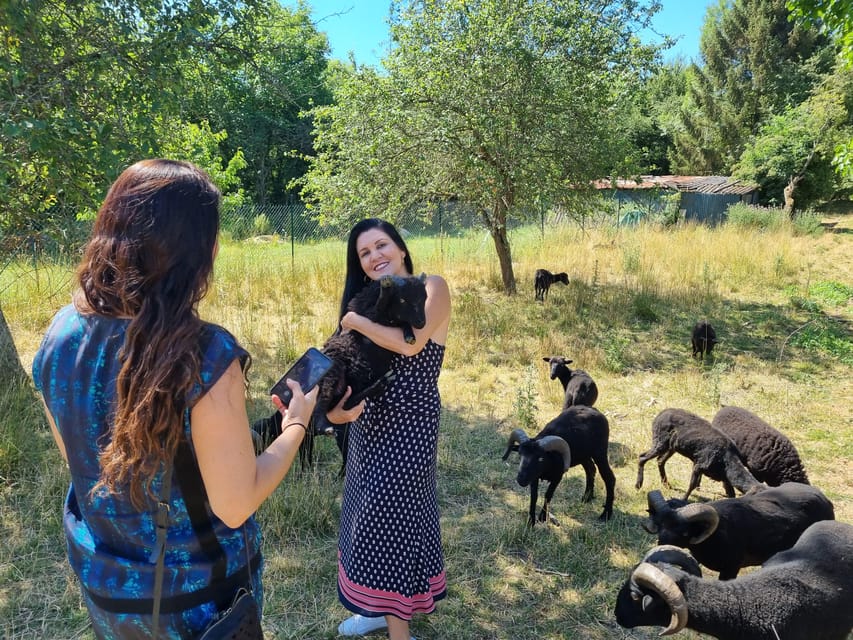
This experience is 90 minutes total, with tasting about 30 minutes. That timing is friendly if you want something real without losing most of your day to paperwork, long transport, or long-form lectures.
You’ll also be on your feet for parts of it. Plan for the fact that there are stairs to reach the cellar and the tasting room. Wear shoes you can trust on uneven ground, especially if conditions outside are damp.
When it comes to tasting, take the guide’s cues seriously. The tour’s goal is to teach you the art of tasting—not just to pour and move on. If you’re unsure what to do, lean into it. Ask what to watch for first. Ask how terroir shows up on the palate. The guide will frame it in a way you can actually use.
And if you’re traveling with others, this tour has the feel of small-group attention. Sometimes the conditions can make it feel nearly private, with strong guide-to-group interaction. That’s especially helpful when you want to ask follow-up questions in real time.
Price and value for $28 in Grand Est
At $28 per person, you’re paying for a guided estate walk plus cellar access plus tasting of champagnes and Ratafia Champenois. For Champagne country, the biggest value question isn’t only the price. It’s what you get during the limited time you’re there.
Here’s what makes this feel like decent value: the tour isn’t a generic stop. It targets oldest vines, includes a historic cellar with on-site explanations, and ends with a guided tasting that ties back to terroir. You’re also paying for the human element—the guide explanation in English or French, and the chance to meet a producer focused on biodiversity.
Now, the honest consideration. One poor-value complaint shows up when people feel the tasting doesn’t match expectations for what they paid. That can happen with any tasting format, because the session is short by design. If you’re the type who wants lots of bottles, larger pours, or a very heavy focus on premium Champagne varieties, you might find the experience feels more like a lesson than a luxury tasting.
In my view, this price works best when you want terroir context and a guided introduction, not when you’re chasing maximum quantity.
Should you book this terroir-focused Champagne tour?
Book it if you want an experience that links vineyard conditions to what you taste, with real estate walking and a cellar visit that explains Champagne production. It’s also a great choice if you care about organic or sustainable viticulture and want to hear how a producer talks about biodiversity in practical terms.
I’d think twice if you strongly prefer long tastings or expect a big, bottle-heavy format for the price. This tour is short, guided, and tasting-focused for learning, with about 30 minutes at the end.
Finally, it’s family-friendly in a specific way: children under 18 can accompany you, but they won’t be permitted to drink alcohol under French laws. They also don’t need a ticket for entry, and fruit juices can be provided for their enjoyment. If that fits your group, this tour can be a solid way to experience Champagne country without planning a complicated day.
FAQ
How long is the Champagne Vineyard Experience?
It lasts 90 minutes.
Where is the meeting point?
Meet your guide in the courtyard of Champagne Harlin Père & Fils at 8 Rue de la Fontaine.
What languages are available for the tour?
The live guide is available in English and French.
What is included in the ticket price?
The ticket includes the guide and a tasting.
What do you taste during the tour?
You’ll taste champagnes and Ratafia Champenois.
Does the tour include vineyard visits and a cellar visit?
Yes. The route includes time in the vineyards and a visit down into the cellar.
Are children allowed to join?
Yes, children under 18 can accompany you, but they will not be permitted to drink alcohol during the tasting.
Do children need a ticket?
Children do not require a ticket for entry.
What should children be given if they cannot drink alcohol?
The information provided says fruit juices can be provided for children’s enjoyment.
Is outside alcohol allowed?
No. Alcohol (and drugs) are listed as not allowed.
FAQ
Can I cancel for a full refund?
Yes. There is free cancellation up to 24 hours in advance for a full refund.
Is reserve now & pay later available?
Yes. You can reserve now & pay later.
How does the tasting fit into the total time?
The tasting portion is about 30 minutes of the 90-minute experience.
Do you learn how to taste during the tour?
Yes. The experience includes learning the art of tasting as part of the guided visit.