REVIEW · JEREZ DE LA FRONTERA
Jerez: 1.5-Hour Sherry Winery and Tasting Tour
Book on GetYourGuide →Operated by ANDALUCIA EXPERIENCIAS · Bookable on GetYourGuide
Sherry has a way of sneaking up on you. I love how this 1.5-to-2-hour visit to González Byass turns a quick taste into a real understanding of fortified wine, with a live guide keeping it clear and lively in Spanish. You’ll sample the famed sherries of Jerez de la Frontera, then leave knowing what makes them taste the way they do.
The other thing I like a lot is the production angle. You learn how sherry is built from Palomino grapes, then aged in open oak barrels where contact with air matters, plus how older sherry is managed alongside younger wine over time. Even the bodega’s milestone of the Tío Pepe facilities (built in 1963) helps you place what you’re seeing into the bigger Jerez story.
One drawback to plan around: this experience is not suitable for people with mobility impairments.
In This Review
- Key takeaways before you go
- Inside González Byass: why Jerez’s sherry capital matters
- Your 2-hour plan: how the tasting tour usually unfolds
- 1) Arrival and bodega introduction
- 2) How fortified wine becomes sherry
- 3) The aging step: why open oak barrels and air matter
- 4) Time for the tasting itself
- The sherry-making details that actually help your tasting
- Palomino grapes and the “young wine” stage
- Fortified wine isn’t a footnote
- Open oak barrels and contact with air
- Tío Pepe and the bodega context you get for free
- What you get with the $39 price (and what you don’t)
- Who should book this sherry tour (and who should skip it)
- Small planning tip to avoid a frustrating start
- Should you book? My straightforward take
- FAQ
- What’s included in the González Byass sherry winery and tasting tour?
- How long is the tour?
- Where do I meet for the tour?
- Is food included or allowed during the experience?
- What language is the tour guide?
- Is the tour suitable for people with mobility impairments?
- What identification do I need?
- Can I cancel and get a refund?
Key takeaways before you go
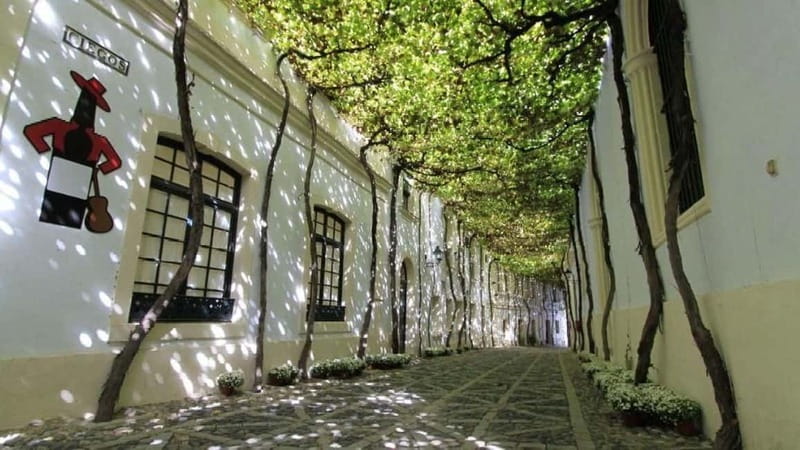
- Legendary Jerez sherries at one of the most visited wineries in Europe
- Fortified wine explained with an emphasis on how sherry develops over time
- Palomino grape basics and why the aging process is unusual (open oak barrels, air contact)
- González Byass background including the 1963 Tío Pepe bodega connection
- Award-winning visitor experience recognized as Best Visitor Centre in the Drinks International Wine Tourism Awards
Inside González Byass: why Jerez’s sherry capital matters
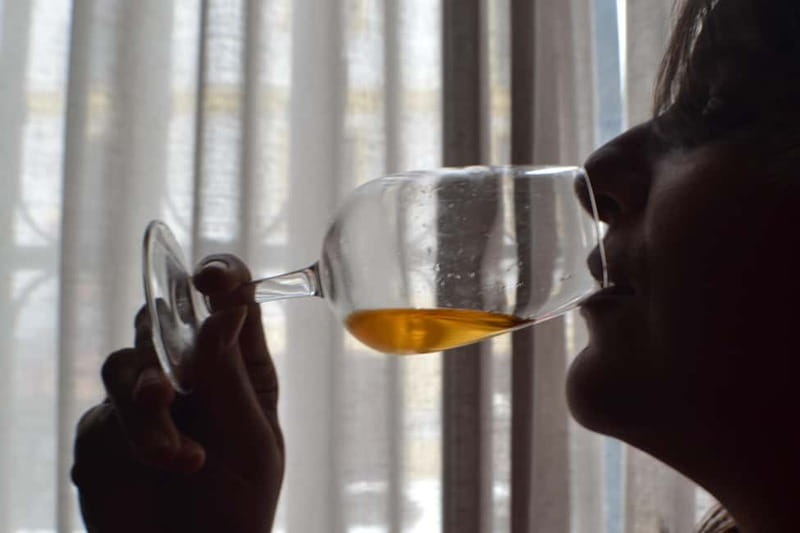
If you want to understand sherry, you need the right address—and Jerez de la Frontera is the place. This tour is centered on one of the most important names in the category, González Byass, a bodega known worldwide for fortified wines and brandies. The setting alone helps: you’re not just tasting a product, you’re stepping into the place where generations of sherry-making habits have been refined.
I like that the experience doesn’t treat sherry like a mystery box. The guide frames it as something you can learn: where the grapes come from, how the wine is fortified, and why the aging method shapes the flavor. That turns your tasting into a kind of practical education, not just a series of sips.
You can also read our reviews of more tours and experiences in Jerez De La Frontera.
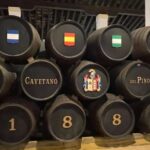

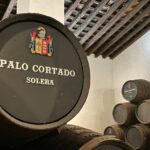
Your 2-hour plan: how the tasting tour usually unfolds
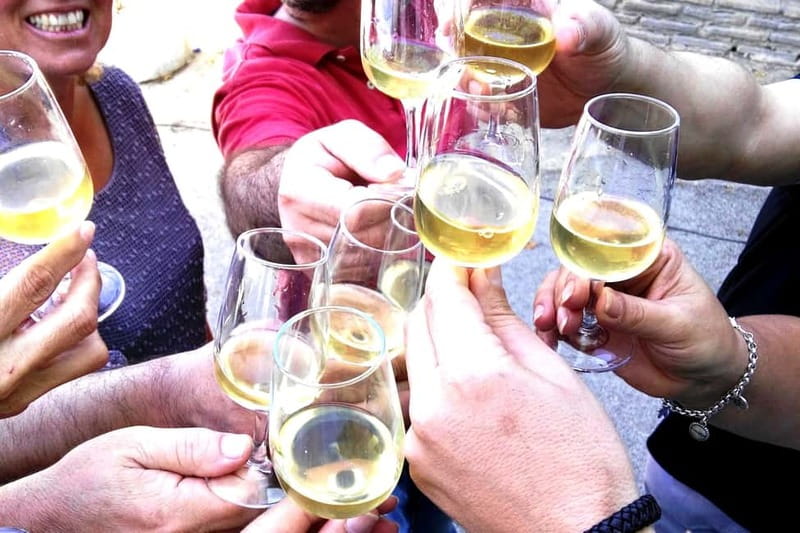
This is a tight, 2-hour program, so you can expect a structured flow rather than a meandering walk. The meeting point is at González Byass Winery, Manuel María González 12, 1140 Jerez de la Frontera. From there, you’ll be brought into the bodega experience and guided through the key ideas behind sherry.
1) Arrival and bodega introduction
The tour starts with you orienting to the winery and its role in Jerez. González Byass has deep roots and is also tied to famous brandies, like Soberano and Lepanto (including the Lepanto bottle design connection to the Royal Glass Factory of La Granja). You might not be drinking those brandies on this specific tour, but the context matters. It helps you see how one company became a heavyweight across fortified categories, not only sherry.
This opening sets expectations in a good way. You’ll know what kind of flavors you should be thinking about before you start tasting.
2) How fortified wine becomes sherry
Next, you focus on production—especially the fortified part and how that choice affects everything later. The guide explains that sherry uses Palomino grapes to create a young wine, which then goes through a mixing and ripening process before aging.
What I find useful here is that the guide connects the technique to what you’ll taste. Instead of memorizing steps, you start noticing flavor patterns as you go. Fortified wine is not just regular wine with extra alcohol; it’s a production route that changes structure, aroma, and how the wine evolves.
3) The aging step: why open oak barrels and air matter
One of the most distinctive parts of sherry is the way it’s aged. You’ll learn that it spends time for about a year in open oak barrels, and that this is unusual because it’s one of the few wines that improves with contact with air. That detail is the kind of thing you can taste later, even if you don’t have a wine degree.
You also learn how older sherry is stored in aged barrels and constantly replenished to maintain quality, and how a noble old sherry can educate younger ones. It’s a neat way to understand sherry blending and aging as a living system, not a one-and-done process.
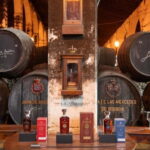
4) Time for the tasting itself
Finally, you’ll taste different sherries. The exact lineup can vary by schedule and availability, but the goal stays the same: sample the range and connect each sip back to the production lesson you just got.
This is where I recommend you slow down mentally. Don’t just taste and move on—identify what you notice (sweetness vs. dryness, nutty vs. fresh styles, edge of bitterness vs. rounded texture). Your guide will steer you, but your job is to match what you taste to what you learned: grapes, fortification, and that air-and-barrel aging process.
The sherry-making details that actually help your tasting
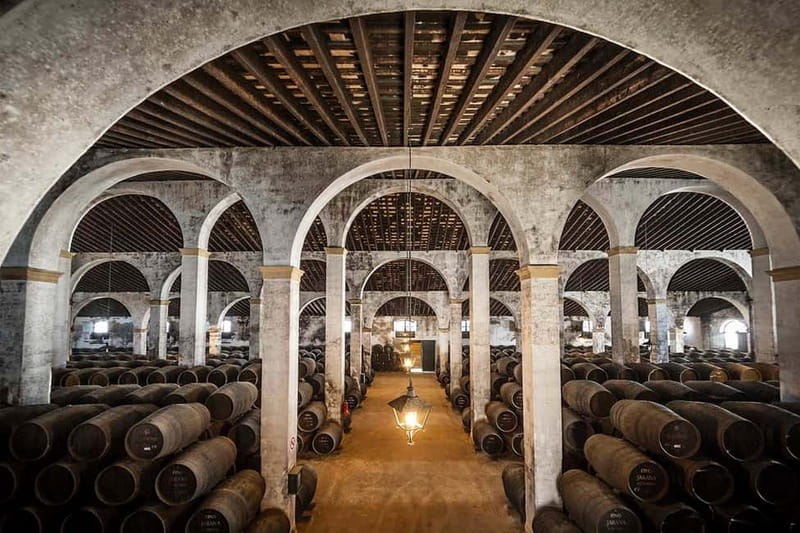
If you’re new to sherry, the science can sound intimidating. Here, the production points you’ll hear aren’t academic. They’re built to help you taste with purpose.
Palomino grapes and the “young wine” stage
You’ll hear that González Byass makes sherry using Palomino grapes, producing a young wine that’s thoroughly mixed and ripe. That matters because Palomino often gives sherry its bright, grape-driven base, before aging takes over and reshapes it.
Fortified wine isn’t a footnote
Fortification is central to the story. The guide’s emphasis on how fortified wine is produced helps you understand why sherry styles behave differently than many non-fortified wines. It’s one of the reasons sherry can cover such a wide flavor ground while still feeling like sherry.
Open oak barrels and contact with air
This is the big “aha” point. A year in open oak barrels with contact to air is part of why some sherries develop complexity. Even without lab equipment, you can often sense the results: the shift toward more developed aromas and flavors compared with what you’d expect from closed, sealed aging.
Tío Pepe and the bodega context you get for free
Tours can feel like they’re either only tasting or only sightseeing. This one gives you both, in a practical way. González Byass is recognized for more than one product line, and part of the experience is understanding why the bodega looks and feels the way it does.
A highlight you’ll hear is the construction of the great Tío Pepe bodega in 1963. That kind of detail matters because it turns the building from scenery into evidence. It’s a reminder that this is an operation built for long-term aging, not just a storage closet.
And since the tour is part of an award-winning visitor experience (Best Visitor Centre in the Drinks International Wine Tourism Awards), you can generally expect the explanation to be set up for visitors, not only wine professionals.
What you get with the $39 price (and what you don’t)
At $39 per person for about 2 hours, you’re paying for two things: entry to González Byass and a wine tasting guided by a live tour guide. That combination is where the value sits. In other words, you’re not just buying access—you’re buying someone to translate the process so your tasting sticks.
A couple of practical notes that affect value:
- Food is not included, and food isn’t allowed during the activity.
- Transfers aren’t included, so you’ll need to make your own way to the meeting point.
For me, the “good value” question is simple: do you want the why behind what you’re tasting? If yes, $39 can feel fair for a guided learning + tasting format in one of Jerez’s most important bodegas. If you only want to drink and you already know sherry basics, you might find a cheaper option elsewhere. But if you want a guided framework, this is the sort of tour that usually pays off later when you’re comparing sherries in bars around town.
Who should book this sherry tour (and who should skip it)
This tour suits you best if:
- You’re curious about fortified wine and want a clear explanation tied to the tasting.
- You like iconic producers and want your sherry lesson anchored at González Byass.
- You enjoy guided storytelling that makes technical details easier to remember.
You may want to skip it if:
- You need an experience suitable for mobility impairments, since it’s not suitable for that.
- You’re not comfortable with a Spanish-language live guide. The tour language is Spanish.
Small planning tip to avoid a frustrating start

The program relies on meeting the right people at the right time. To prevent a common travel headache, double-check your start time and make sure you arrive at the González Byass meeting point on Manuel María González 12 with enough buffer to get oriented before the guide moves on. This is one of those tours where being on time matters more than you’d expect.
Should you book? My straightforward take
Book it if you want a guided sherry experience that connects taste to process at González Byass, using the right Jerez context and a teaching-focused tasting. The production lesson (Palomino base, fortification, open oak barrel aging, and how older sherry is managed) is the difference-maker, because it helps you taste smarter, not just more.
Skip it if you need an accessibility-friendly alternative or if you strongly prefer an English-language guide. Also, if you’re already fluent in sherry terms and simply want a quick pour, you might do better spending that time tasting independently with fewer structured explanations.
If your goal is to leave Jerez understanding what you tasted, this tour is a solid choice.
FAQ
What’s included in the González Byass sherry winery and tasting tour?
Entry to González Byass and a wine tasting are included.
How long is the tour?
The duration is listed as 2 hours.
Where do I meet for the tour?
The meeting point is González Byass Winery, Manuel María González 12, 1140 Jerez de la Frontera.
Is food included or allowed during the experience?
Food is not included, and food is not allowed.
What language is the tour guide?
The tour guide is live and the language is Spanish.
Is the tour suitable for people with mobility impairments?
No, it’s not suitable for people with mobility impairments.
What identification do I need?
You can bring a passport or ID card. A copy is accepted.
Can I cancel and get a refund?
Yes. Free cancellation is available up to 24 hours in advance for a full refund.