REVIEW · LA PALMA
La Palma: Bodegas Teneguia Winery Tour with Wine Tasting
Book on GetYourGuide →Operated by Bodegas Teneguía · Bookable on GetYourGuide
Volcanic wine starts with a short walk. At Bodegas Teneguía in Fuencaliente, you learn how grapes grown in volcanic soil become wine, with vineyard views during your tasting.
What I like most is how practical it feels: you’re watching the process, not just hearing about it.
I also like the people factor. Your visit is led by an English/Spanish guide (often described as a strong English-speaking sommelier) who keeps the flow moving through the cellar. And the cement warehouses built in 1945 plus oak-barrel aging rooms add real visual texture to what you’re tasting.
One thing to consider: the tour is bilingual, and in at least one case the pacing felt slow with lots of repeated explanations and limited places to sit. Plan for the chance that the 1-hour plan can stretch, especially with a larger group.
In This Review
- Key Points You’ll Care About
- The Teneguía Tour: A Quick Reality Check (and What Makes It Worth Your Time)
- Where You Start in Fuencaliente (and Why Location Shapes the Wine)
- Inside the Reception Hall: How the Tour Sets Up the Wine You’ll Taste
- The Cellar Walk: From Destemming and Pressing to Fermentation
- Aging Rooms and the 1945 Cement Warehouses: Seeing Patience in Concrete
- Bottling and the Tasting: What You’ll Actually Drink
- Price and Value: Does $17 Make Sense on La Palma?
- Who This Tour Fits Best (and Who Might Skip It)
- What to Bring and How to Plan Your Day Around It
- Should You Book Bodegas Teneguía? My Take
- FAQ
- How long is the Bodegas Teneguía winery tour with wine tasting?
- How much does the tour cost?
- Where does the tour start?
- Is the tour guided?
- What languages are offered?
- What’s included besides the tour?
- Are transportation and meals included?
- What should I wear or bring?
- Can I cancel for a refund?
- Can I reserve and pay later?
Key Points You’ll Care About
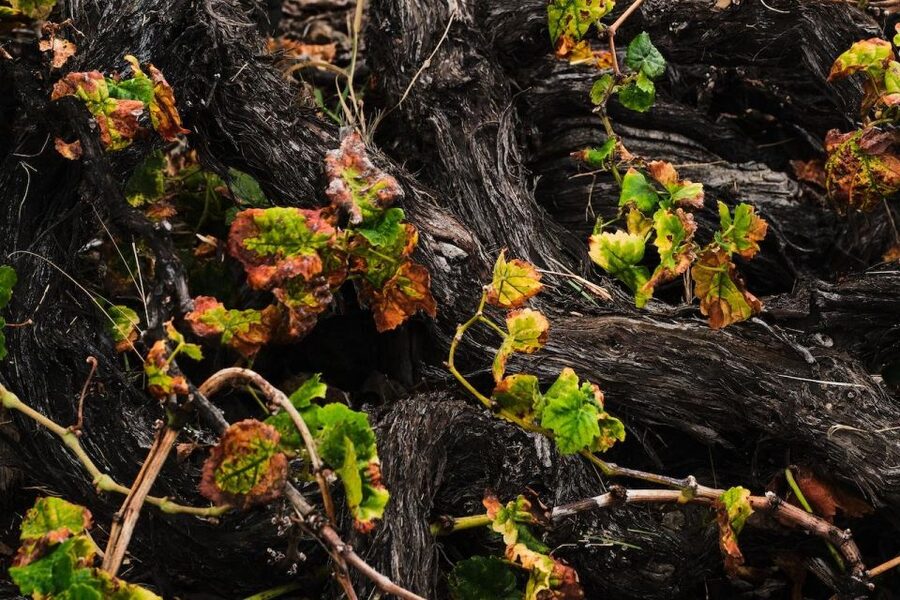
- Fuencaliente’s volcanic viticulture: You’ll connect the soil story to what ends up in your glass.
- Grape-to-bottle tour, in plain language: destemming and pressing come up early in the cellar walk.
- Aging rooms you can see: authentic oak barrels plus cement warehouses from 1945.
- A tasting with a small selection: you should expect only a couple pours (often described as one white and one red).
- Value that matches the price: the tour hits a lot for $17—as long as timing works for you.
The Teneguía Tour: A Quick Reality Check (and What Makes It Worth Your Time)
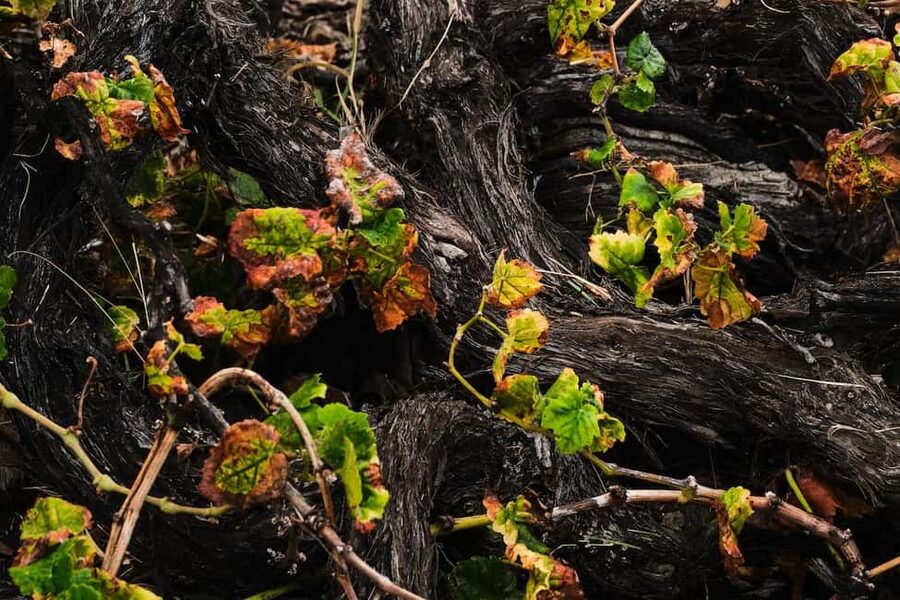
This is a short, focused wine stop. You get a guided walkthrough of how wine is made at Bodegas Teneguía, then you taste. The duration is listed at 1 hour, which matters because La Palma days are easy to fill up fast—this tour is designed to fit without hijacking your whole afternoon.
The price is listed at $17 per person, and that’s the big appeal here: for a guided cellar experience plus tasting, it’s a straightforward value play. Where that value really lands is in the details. This isn’t a photo-op only. You’re walking through the cellar areas tied to real steps—harvesting handling, pressing, fermentation, aging, and then bottling—so the tasting isn’t floating in midair.
The main consideration is pacing. The tour is delivered in English and Spanish, and if you’re sensitive to repeating the same explanation twice, you might feel the time. Also, one guest reported it ran closer to 2 hours with few seating opportunities. So if you’re planning around meals, hydration breaks, or young kids, go in with eyes open.
You can also read our reviews of more tours and experiences in La Palma.
Where You Start in Fuencaliente (and Why Location Shapes the Wine)
You’ll begin at Llanovid S. C. L. Bodegas Teneguía. The key here isn’t just the address—it’s the setting. Fuencaliente is known for viticulture, and that comes through in how the winery frames its work: vine cultivation is described as laborious, and it’s tied directly to the final wine style.
La Palma’s volcanic context is a central theme. The tour highlights that grapes are grown in volcanic soil. That’s not just marketing language. It gives the sommelier a good framework to explain why these vines are treated the way they are—how cultivation work connects to grape character, and then to what the cellar does next.
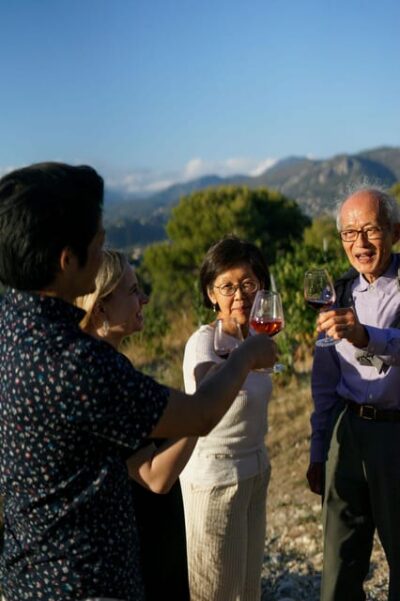
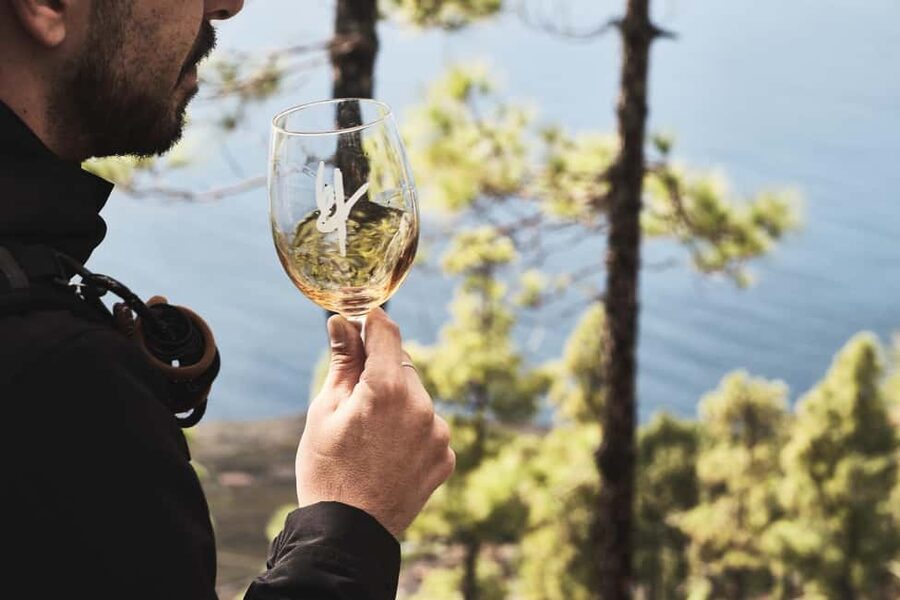
You’ll also get the chance to sip while enjoying vineyard views. That’s a small detail, but it changes the vibe. Wine tasting in a busy bar can feel disconnected. Here, you’re tasting in the same agricultural setting that produced the grapes, so your brain makes the connection faster.
Inside the Reception Hall: How the Tour Sets Up the Wine You’ll Taste
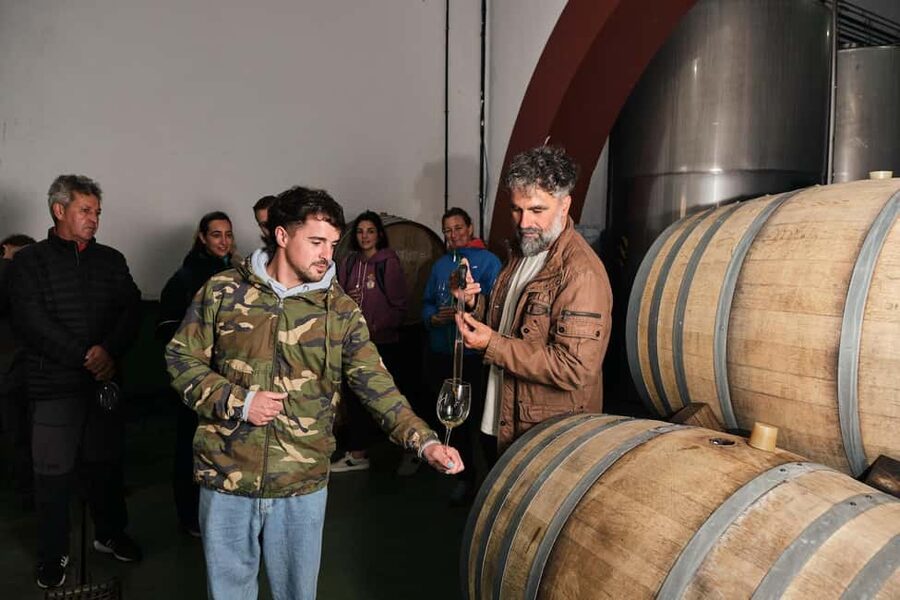
The tour flow starts in the winery’s reception hall. This matters because it primes you for what you’re about to see. Instead of wandering the cellar and hoping the guide fills in the blanks, you’re given the roadmap first: grape processing steps, then aging areas, and finally bottling plus tasting.
You follow your English/Spanish guide through the process from the beginning. The tour explains the grape handling and early winemaking steps—specifically destalking and pressing. Those are key words, and knowing them before you taste helps you understand why the guide talks about raw material and grape treatment rather than just fermentation time.
In the cellar walk, you also hear about what raw material is used in wine making, including details related to harvest and the grapes’ journey once they’re brought in. Even if you don’t know a ton about wine, those are tangible steps you can visualize as you move from room to room.
The Cellar Walk: From Destemming and Pressing to Fermentation
Once you move past the reception intro, the tour gets more hands-on in terms of concepts. You learn how the grapes are destalked and pressed, and you hear about what happens to the harvest once it’s in the cellar.
Here’s why this portion is valuable: it turns wine into a process you can follow. When you later taste, you’re not guessing. You know what stage the guide just described. That makes the tasting more meaningful, even if you’re not chasing wine jargon.
There’s also a practical angle. If you’ve never been in a working winery, this is where you’ll appreciate the industrial logic of the whole place: grapes go in, juice gets separated and treated, and then fermentation and aging decide much of the character. The guide keeps it focused on the grape-to-bottle path, which is exactly what you want from a short tour.
Aging Rooms and the 1945 Cement Warehouses: Seeing Patience in Concrete
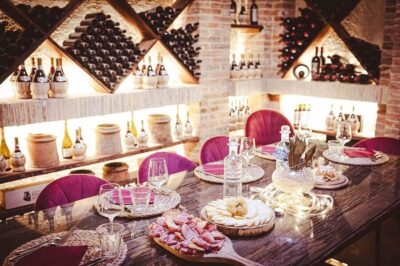
One of the strongest parts of the experience is the walk into the aging rooms. You’ll find authentic oak barrels, with barrels positioned on either side of the room. That arrangement helps you understand how the winery structures the aging environment.
Then comes the standout visual detail: the hall also accommodates cement warehouses built in 1945. Even if you’re not a history buff, seeing that age and construction style makes the story feel real. Wine aging isn’t only about recipes. It’s about space—temperature stability, materials, and timing—so this is where the tour earns its “famous winery” reputation.
The tour explains that the wine is aged after fermentation. That sequence matters. If you’ve ever wondered why guides talk so much about fermentation before tasting, this is the logic: once fermentation is done, aging becomes the period where structure and texture develop further.
Bottling and the Tasting: What You’ll Actually Drink
The tour ends after the bottling area, followed by a tasting of the winery’s best quality wine. That’s the promise. What you should know is that the tasting can be fairly compact.
Based on the information you have here, the tasting session is included, and it’s presented as tasting the best quality wine produced by the winery. In at least one account, guests described the tasting as a small set—often two wines, one white and one red. So don’t expect a flight of six or eight pours. Think “guided highlights,” not “full spectrum wine seminar.”
Still, that small selection can work well. With only a couple wines, you can focus on differences you can name. You’ll also be fresh from the cellar walk, so you can connect what you saw—pressing, fermentation, aging—to what you taste.
And there’s a useful end step: you’ll have the opportunity to purchase the wines you tasted at the point of sale. That’s handy if one bottle becomes your clear favorite during the tasting and you don’t want to hunt it down later.
Price and Value: Does $17 Make Sense on La Palma?
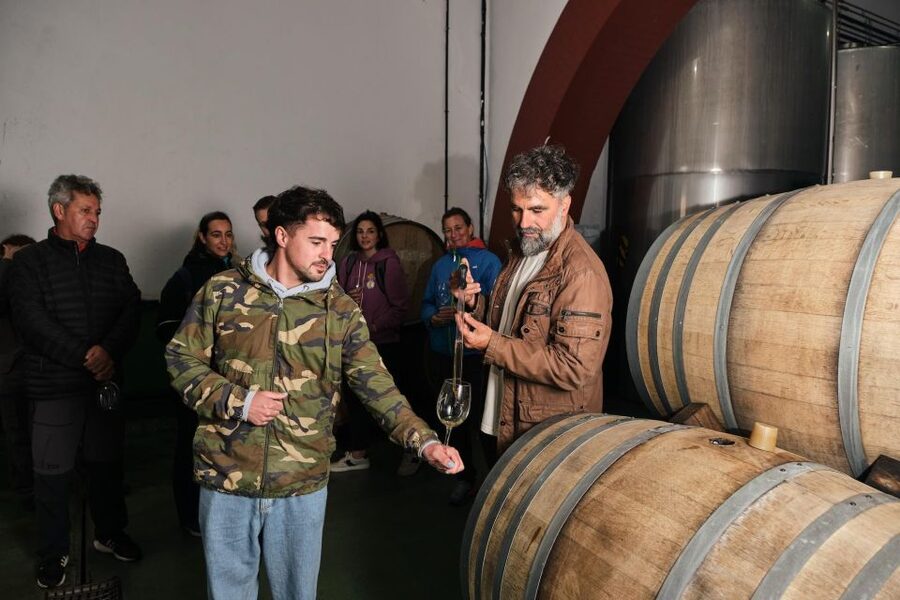
For $17 per person and about an hour on the ground, this is priced like a practical add-on. You’re paying for three things at once: a guided tour of winery areas, a tasting session, and the ability to buy wines afterward.
The value is strongest if you want a structured overview without spending half a day. The winery visit includes both English/Spanish guided context and access to specific cellar spaces like aging rooms and bottling areas. Compared with self-guided options, the guide is the multiplier: they’re the one linking volcanic grape cultivation to the steps you walk through.
Where the value could feel weaker is if you strongly dislike repetition between languages or if the pacing drifts. One guest mentioned the English and Spanish explanations felt repetitive and the group size was large. If you’re the kind of person who gets bored when someone repeats themselves, you may prefer a different format on the island.
Still, at this price point, most people are going to feel satisfied—especially if you care about real process steps, not just a quick glass in a scenic spot.
Who This Tour Fits Best (and Who Might Skip It)
This tour is a great match if you want a short, guided winery experience with visible aging spaces. You’ll likely enjoy it most if you:
- like learning the basics of winemaking steps without needing advanced wine vocabulary
- enjoy tasting while connecting it to what you saw in the cellar
- want a structured outing that doesn’t swallow your day
It might be less ideal if you:
- prefer tours in one language only
- need frequent seating breaks
- expect a large tasting flight with many wines
There’s also a situational caution. In at least one verified booking, the winery was reportedly closed with nobody at the meeting point, and the guest spent time trying to sort it out. That kind of issue is rare, but it’s worth taking seriously: if your schedule is tight, show up early and confirm you’re at the right start location before you’re all settled.
What to Bring and How to Plan Your Day Around It
Bring comfortable shoes and comfortable clothes. Winery floors can be uneven or packed, and you’ll be moving from room to room. Since the experience includes a walk and sightseeing on the way, footwear matters more than you might think.
Time it like you’d time a museum visit: expect the tour to run as a group activity. If you’re eating right before or after, don’t schedule another time-sensitive reservation immediately. Even though the tour is listed as 1 hour, one guest reported a longer duration and fewer seating opportunities.
Also, plan to taste like it’s a tasting, not a drinking contest. You’ll likely have a couple pours, and you’ll be back outside to continue exploring La Palma.
Should You Book Bodegas Teneguía? My Take
If you want a compact wine tour that connects volcanic grape cultivation to real winemaking rooms, I’d book it. The guide-led format, the aging-room walk, and the cement warehouses built in 1945 give you more than just a sip-and-snap experience.
I’d hold off only if you hate bilingual repetition, need lots of seating, or you’re booking on an ultra-tight schedule where any delay would ruin your plans. And because there’s at least one report of the winery being closed unexpectedly, it’s smart to arrive a little early and do a quick day-of check.
Overall: for $17, this feels like a sensible La Palma add-on—especially if you like seeing how wine actually gets made.
FAQ
How long is the Bodegas Teneguía winery tour with wine tasting?
It’s listed as 1 hour.
How much does the tour cost?
The price is listed as $17 per person.
Where does the tour start?
The starting location is Llanovid S. C. L. Bodegas Teneguía.
Is the tour guided?
Yes. It includes a guided tour of Bodegas Teneguía.
What languages are offered?
The tour includes English and Spanish.
What’s included besides the tour?
The included items are the guided tour, a wine tasting session, and the option to purchase wines.
Are transportation and meals included?
No. Transportation to and from the winery and meals and additional drinks are not included.
What should I wear or bring?
Wear comfortable clothes and bring comfortable shoes.
Can I cancel for a refund?
Free cancellation is available up to 24 hours in advance for a full refund.
Can I reserve and pay later?
Yes. You can reserve now and pay later.