REVIEW · LA PALMA
Visit Bodegas Teneguía winery in La Palma with wine Tasting
Book on Viator →Operated by VIMOTIONS · Bookable on Viator
Volcanic wine beats postcard sights every time. I like that this tour is hands-on through the winery process and ends with a real wine tasting of top Canary Islands bottles. I also like the way the guide ties grape work to Fuencaliente’s volcanic conditions, not just wine facts. One thing to consider: the experience is in English, but if you’re very language-dependent, I’d still be ready for occasional slips depending on the guide and group.
The visit runs about an hour, with a small group size (up to 20) and a mobile ticket that keeps things easy. It’s a good way to spend a couple of hours in Los Canarios without feeling trapped in a long tour circuit.
Plan around the fact that no lunch is included, and tasting is only for guests 18+. If you’re hungry, pair this with something before or after, so the hour doesn’t get swallowed by your stomach.
In This Review
- Key highlights worth marking on your day
- Bodegas Teneguía: what you’re really paying for
- Where you start in Los Canarios and how to plan timing
- Inside the winery: reception, destemming, pressing, bottling
- A quick reality check: factory tours can be tight on time
- Volcanic wine talk: geology and climate in the glass
- The tasting: what you drink and how to use it
- Buying bottles: how to make the purchase easy
- Price and value: $18.02 for an hour that actually teaches
- Group size and vibe: small, focused, and conversation-friendly
- Weather and getting the day to cooperate
- Who should book this tour (and who might skip it)
- Tips to get the most from your hour
- Should you book Bodegas Teneguía with wine tasting?
- FAQ
- How long is the Bodegas Teneguía wine tasting visit?
- Where does the tour start?
- What time does the tour start?
- Is the tour in English?
- Can everyone taste the wine?
- What’s included in the price?
- What isn’t included?
- Can I buy bottles after the tasting?
- When is the Sales Point open?
- Is free cancellation available?
Key highlights worth marking on your day
- 70+ years of winery work where tradition and modern methods meet
- Stop-by-stop factory tour from reception and destemming to bottling
- Volcanic wine talk tied to climate and geology, not wine spray and vibes
- Tasting included, with sales on-site so you can buy bottles after
- Small group format (max 20) for a more direct, Q&A-friendly visit
- Old equipment stories, including instruments used during harvest weighting
Bodegas Teneguía: what you’re really paying for
For $18.02 per person, you’re not just buying a sip-and-stroll. You’re paying for access to how a working winery in Fuencaliente turns grapes into award-leaning Canary wine, plus a guided tasting and wine to drink. The value is strongest if you want context: where the grapes come from, why the processing matters, and how volcanic influence shows up in the glass.
What makes this feel different from many “wine experiences” is the short, tight structure. You move through key areas of production—reception, destemming, grape pressing, bottling—then you taste the results. In about an hour, you see the story in order.
That also means you shouldn’t come expecting a long seated dinner-style tasting. This is an efficient visit. If you want to linger with multiple pours and deep technical comparisons, you can always follow up by buying bottles at the Sales Point and planning a longer tasting at your pace later.
You can also read our reviews of more tours and experiences in La Palma.
Where you start in Los Canarios and how to plan timing
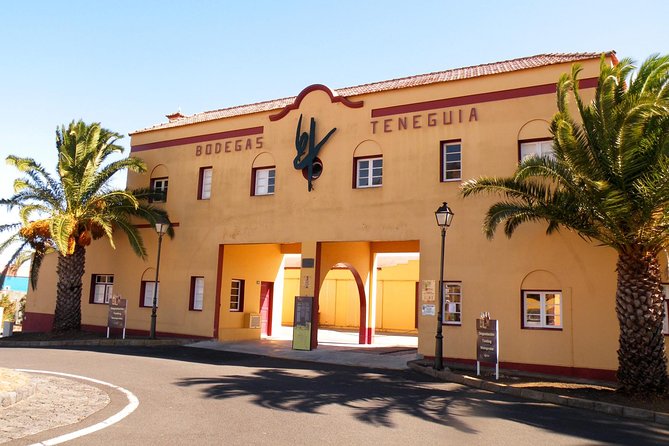
This tour begins at 12:30 pm at Llanovid S. C. L., Bodegas Teneguía, Calle Antonio Francisco Hernández Santos, nº 10, 38740 Los Canarios (Santa Cruz de Tenerife, Spain). The end is back at the meeting point.
A few practical notes that help you enjoy the hour instead of rushing it:
- The tour is near public transportation, so you’re not locked into a car.
- Parking fees are included, which is great if you’re driving in La Palma and don’t want surprise costs.
- You’ll want to arrive a few minutes early. With a one-hour format, being late can shrink the tasting time more than you’d expect.
Also, tasting requires you to be 18 or over. If you’re traveling with a mixed-age group, you’ll want to make a plan for who will take the tasting portion and who will wait.
Inside the winery: reception, destemming, pressing, bottling
The heart of the experience is the guided walk through production spaces. You don’t just hear about wine. You see the steps.
Here’s what you can expect, in plain terms:
- Reception area: you get a sense of where grapes enter the process.
- Destemming zone: this is where grapes are prepared for pressing.
- Grape-pressing area: you learn how juices come out and why timing and handling matter.
- Bottling area: you move toward the packaging side, right before the tasting and sales.
The tour doesn’t feel like a museum walkthrough. The winery uses real working procedures, and the guide points out why each step matters for flavor. One standout detail: you’ll also get to see old instruments connected to harvesting logistics, including a scale used to weight harvesters’ vehicles. It’s the kind of specific, grounded detail that makes the whole operation feel real.
You’ll also hear about more than 70 years of history at Bodegas Teneguía. The point isn’t nostalgia. It’s how tradition and up-to-date techniques blend in the same workflow.
A quick reality check: factory tours can be tight on time
Because the schedule is condensed, you’ll likely have less time for long questions during each station. If you have strong interests—say, how volcanic soils influence acidity or how pressing choices affect structure—think of your main question beforehand so you can ask it when the guide has a moment.
Volcanic wine talk: geology and climate in the glass
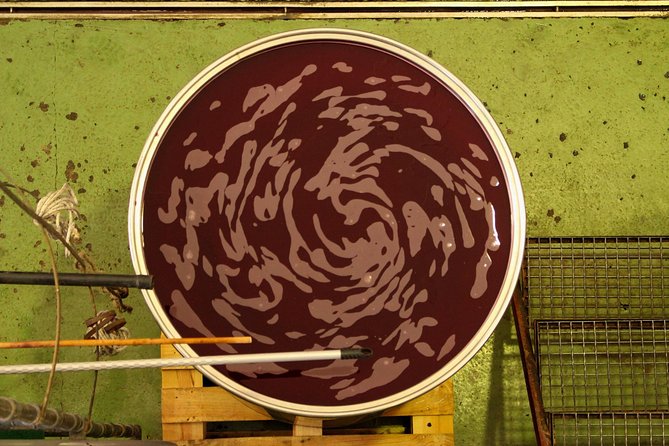
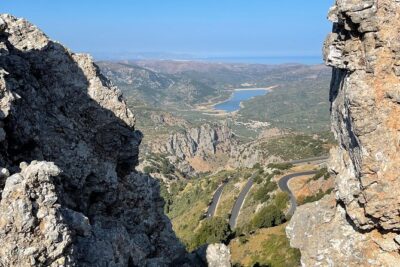
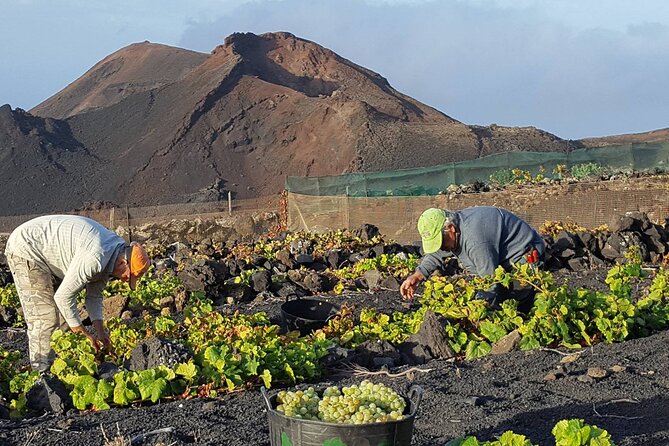
This tour leans hard into the “why” behind the wines: volcanic conditions and how the island’s climate shapes grapes and, eventually, taste.
You’ll get explanations connecting the island’s geology and local growing conditions to wine character. It’s the kind of story that helps you stop treating wine labels as marketing and start reading them like food: what conditions shaped the raw material, then what the winemaking steps did to it.
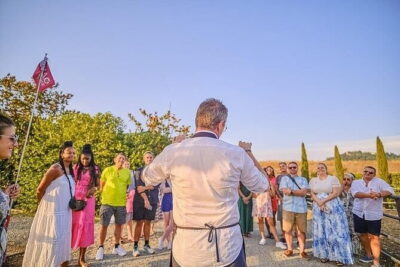
In the experience, you may be guided by passionate hosts such as Nicolás or Diego, who focus on geology and climate and explain their consequences for flavor. The tone tends to be energetic and human, not scripted.
If you’ve only had Canary wines that taste different from what you expected—too sweet, too flat, too unfamiliar—this kind of explanation is exactly what can reframe your palate. Volcanic wines in the Canaries are often about precision: balance, freshness, and texture that doesn’t come from fruit sweetness alone.
The tasting: what you drink and how to use it
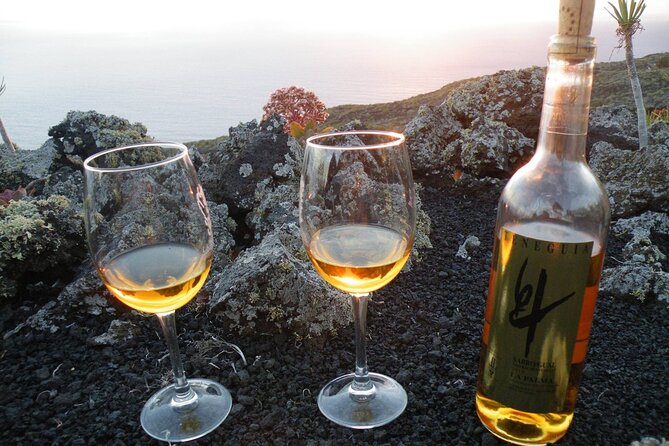
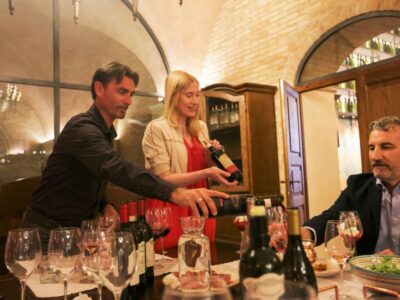
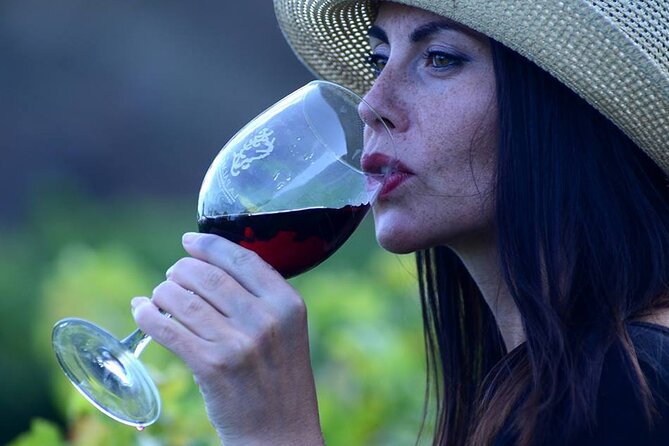
At the end of the walk, you shift into the tasting and sales area. The tasting is included, and it’s the payoff: you sample the wines you just learned about, so the processing steps suddenly make sense.
What you should do during the tasting:
- Take a few seconds to think in terms of structure: aroma, acidity, and finish.
- Compare what you expected versus what you notice. Volcanic influence can surprise people used to mainland styles.
- If you’re planning to buy bottles, pay attention to what feels most versatile for your trip meals.
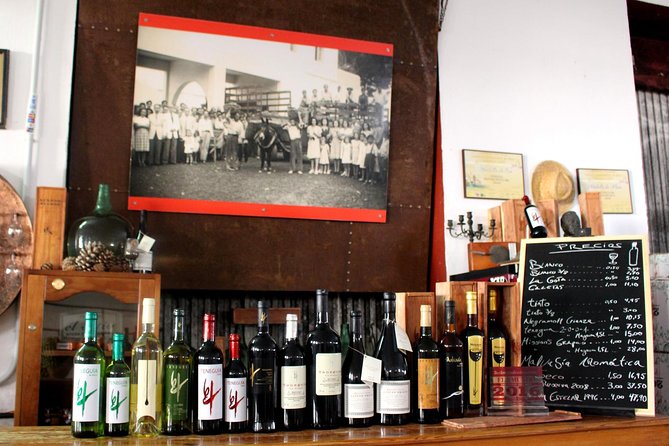
The tasting setup is also where you’ll feel how this experience is designed for actual buyers. After you taste, you can purchase bottles on-site at the Sales Point, which is open:
- Monday to Friday: 10:00 to 18:00
- Saturdays, Sundays, and holidays: 10:00 to 13:00
That matters because your hour might end before you’re ready to pick a bottle. Having sales hours nearby lets you return later without hunting for another shop across the island.
Buying bottles: how to make the purchase easy
If you’re taking wine home, don’t overthink it in the moment. Choose:
- One bottle you loved during tasting
- One bottle that felt different enough to be interesting later
- One “safe” bottle if you’re buying for friends who don’t want weird flavors
You can always add more once you’ve had a chance to read labels slowly at home. The Sales Point gives you that breathing space.
Price and value: $18.02 for an hour that actually teaches
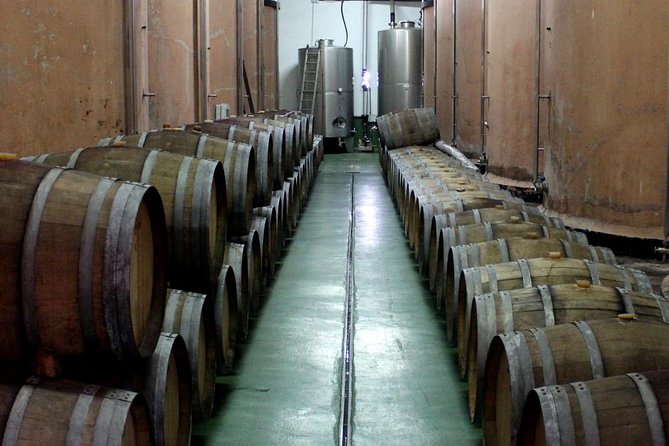
Let’s talk value, because wine tours can swing from affordable to oddly expensive.
At $18.02, the deal includes:
- Winery admission
- Guided visit
- Parking fees
- Wine tasting (alcoholic beverages)
And it lasts about one hour. That’s a strong ratio if you want more than a quick tasting flight. It’s also easier to justify if you’re doing other La Palma highlights the same day and don’t want to lose half your afternoon.
Where value may feel weaker:
- If you don’t like guided tours and prefer self-paced tastings, you may feel rushed.
- If you’re expecting a restaurant-style experience with long, repeated pours, this will feel concise.
But if you like learning while you drink, you’re in the right place.
Group size and vibe: small, focused, and conversation-friendly
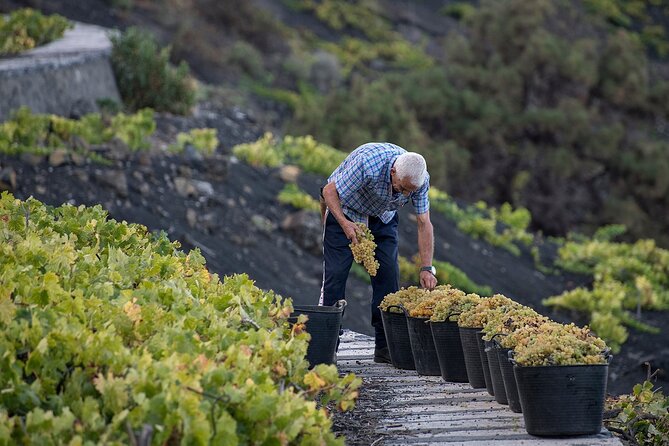
The tour caps at 20 travelers, and that does real work. Smaller groups usually mean you can hear the guide clearly and have a better shot at questions.
Language is listed as English, and confirmation is received at booking. Still, because one experience includes an account of language mismatch, I’d plan with this in mind: if your partner doesn’t understand Spanish and you need fully English commentary, it’s worth mentioning your preference when you arrive and asking the guide to keep things clear for your group.
Weather and getting the day to cooperate
This experience requires good weather. If conditions aren’t right and the tour is canceled due to weather, you’ll be offered a different date or a full refund.
So if you’re building your itinerary, don’t lock all your big outdoor plans to the same tight weather window. Put this wine stop in a slot that can flex.
Who should book this tour (and who might skip it)
Book it if:
- You want a local winery visit instead of another bus-and-photo stop
- You care about how volcanic conditions connect to taste
- You like short, structured tours that still include meaningful tasting time
- You want to buy bottles right after tasting at the Sales Point
Skip it if:
- You need a long tasting with extensive food pairing (lunch isn’t included, and the schedule is tight)
- You dislike guided walkthroughs of production spaces
- You’re traveling with someone who won’t taste and you want an experience that fills time without the tasting focus
Tips to get the most from your hour
Here are a few practical ways to leave feeling satisfied instead of “that was nice”:
- Arrive a few minutes early so you don’t cut into the tasting.
- Think about one question you care about before you go in—something like how volcanic influence changes acidity or texture.
- During the walk, listen for the specific processing steps—reception, destemming, pressing, bottling—because those are the anchors that make the tasting clearer.
- If you’re planning bottle purchases, decide what you need before you taste too quickly. Then ask questions while the guide is still with you.
And if you’re trying to match wine to your trip meals, do it while you have the guide’s guidance in front of you. That’s when it’s easiest to pick bottles you’ll actually use.
Should you book Bodegas Teneguía with wine tasting?
I’d book this if you’re in La Palma and want a real producer experience that teaches you what you’re tasting. The hour format is ideal when you want value, context, and access to on-site bottle buying without spending all day.
It’s especially worth it if you’re curious about volcanic wines and you’d like the island’s geology explained in a way that connects to flavor. With a small group size and an included tasting, it’s a straightforward use of your time.
If you’re sensitive to language clarity, plan to communicate your needs up front. And if you’re hungry, eat first. With those small checks, this is a smart, worthwhile break from the typical tourist rhythm.
FAQ
How long is the Bodegas Teneguía wine tasting visit?
It runs for about 1 hour.
Where does the tour start?
The meeting point is Llanovid S. C. L. Bodegas Teneguía, Calle Antonio Francisco Hernández Santos, nº 10, 38740 Los Canarios, Santa Cruz de Tenerife, Spain.
What time does the tour start?
The start time listed is 12:30 pm.
Is the tour in English?
Yes. The experience is offered in English.
Can everyone taste the wine?
Only participants who are willing to taste must be 18 or over.
What’s included in the price?
Included are the winery entrance, guided visit, parking fees, and wine tasting (alcoholic beverages).
What isn’t included?
Lunch is not included.
Can I buy bottles after the tasting?
Yes, you can purchase wines at the on-site Sales Point.
When is the Sales Point open?
It is open Monday to Friday from 10:00 to 18:00, and Saturdays, Sundays, and holidays from 10:00 to 13:00.
Is free cancellation available?
Yes, you can cancel for a full refund up to 24 hours in advance of the experience start time.