REVIEW · CHIANTI
Montefioralle Winery – Tour and Wine Tasting in Chianti
Book on Viator →Operated by Montefioralle Winery · Bookable on Viator
Chianti can get tour-bus loud, but this one slows down in Montefioralle. I like that you’re tasting four different wines with snacks, not just swallowing wine in a hurry, and you also get the story behind how a small estate makes it. I also really enjoyed the setting: vineyards close by, plus the chance to taste outdoors with a big view over the Chianti countryside.
One thing to plan around: this experience includes wine and snacks, but no lunch or dinner, so come hungry only if you’re okay with snacking rather than eating a full meal.
In This Review
- Key things that make it worth your time
- Montefioralle Winery: what you’re actually buying for $42
- Where the experience happens (and why that matters)
- The tasting area: indoor room or outdoor square
- Stop 1: the winery tour that stays practical
- Who might guide you (and why that’s a plus)
- Stop 2: Montefioralle itself and that “real Chianti” feel
- The four wines: what you’ll likely taste
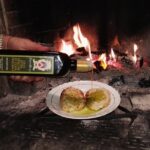
- Snacks and pairing: why it doesn’t feel like a gimmick
- What the Vin Santo moment can teach you
- Group size and pacing: why it feels relaxed
- Price value: when this is a smart choice
- Practical tips so your visit goes smoothly
- Should you book? My straight answer
- FAQ
- What does the tour cost?
- How long is the Montefioralle Winery tour and tasting?
- What wines are included?
- Are snacks included?
- Is lunch or dinner included?
- Where do I meet and where does it end?
- Is the tour offered in English?
- How many people are in the group?
- Is a mobile ticket used?
- Are service animals allowed?
- What is the cancellation policy?
Key things that make it worth your time
- Four-wine tasting including Chianti Classico, Chianti Classico Riserva, an IGT, and Vin Santo
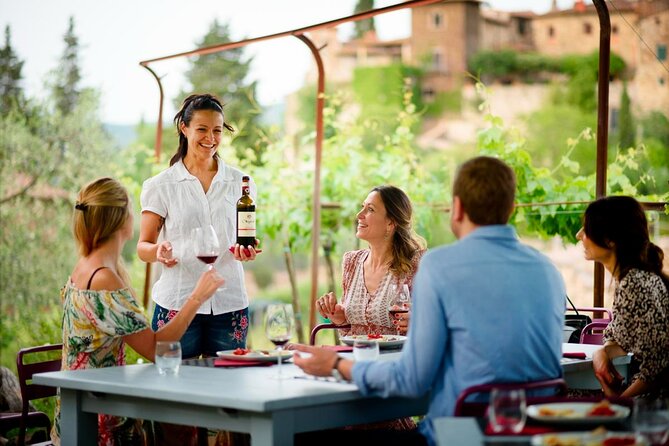
- Scenic Montefioralle views from either an outdoor square or an indoor room above the basement
- Short, focused winemaking walk-through from grape mashing to aging and bottling
- Small group size (up to 15), which keeps the vibe relaxed and easy to ask questions
- Snacks made for pairing, praised as a real match rather than random add-ons
Montefioralle Winery: what you’re actually buying for $42
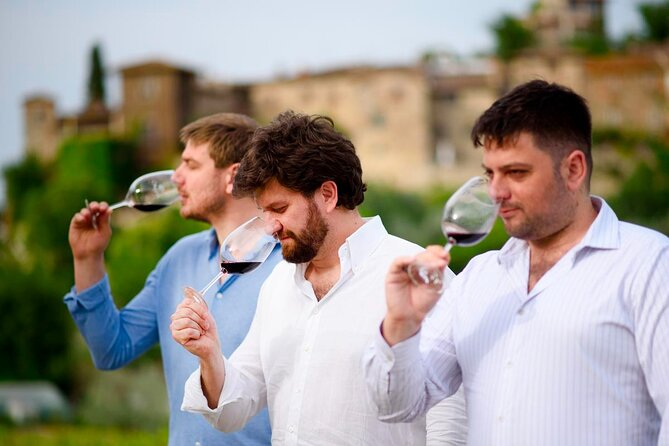
For about $42.24 per person and roughly 1 hour 15 minutes, you’re getting more than a pour-and-go flight. This is a small, family-run style tasting where the winemaking process is explained, and the setting does part of the work for you. You’ll stand in and around the vineyards, then taste four Chianti-area wines with lighter snacks that help you notice differences.
This price feels fair for what’s included: alcohol, snacks, and guided time with the people making the wine. If you’re doing other paid tastings in Chianti, this one can be a smart value choice because it aims for less “glitzy” and more practical.
You can also read our reviews of more tours and experiences in Chianti.
Where the experience happens (and why that matters)
The meeting point is Via Case Sparse (Montefioralle), 40, 50022 Greve in Chianti FI, Italy, and the activity ends back at the same spot. That “back where you started” format matters in the Chianti hills, where getting around can be its own mini-adventure.
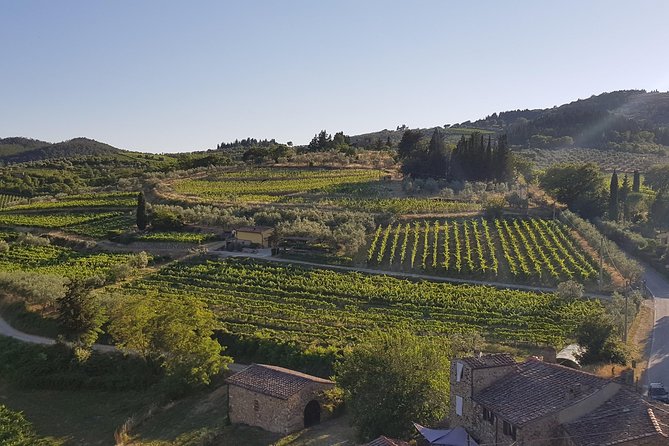
Montefioralle sits above the working vineyards, so the view isn’t a postcard screenshot. You’ll likely taste in a small room above the basement, or outdoors in the square surrounded by vineyards, depending on the time of year. Either way, the experience is built around that hillside-feel, not just tasting in a back room.
The tasting area: indoor room or outdoor square
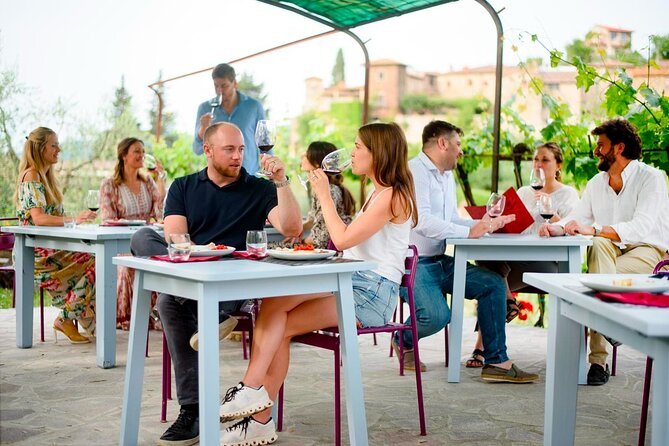
Seasonal timing can change the mood. In cooler or less ideal weather, the tasting may be carried out in a small room above the basement. In warmer stretches, you may taste outdoors in the square with vineyards around you and a standout view of the Montefioralle countryside scene.
Why this matters: outdoors makes the tasting feel slower and more “local,” while indoors usually means fewer wind-and-cloud disruptions and more focus on the glass. Either option keeps the visit intimate, since it’s a maximum of 15 travelers.
Stop 1: the winery tour that stays practical
Your first stop is the winery area at Montefioralle. The big win here is that you don’t just hear marketing talk—you learn the basic processes behind production. The explanation typically moves through the steps: mashing grapes, winemaking and aging, and then bottling.
That sequence is useful for you because Chianti styles can taste very different, and it helps to know what changes along the way. For example, aging choices (and the grape selection for reserves) can affect tannin feel, fruit depth, and how long the wine seems to “hold” on the palate.
In the same area, you’ll also get your tasting started. Guides often explain what you’re tasting as you taste, so the four pours connect to real decisions made in the cellar.
Who might guide you (and why that’s a plus)
This is the kind of stop where the guide being close to the business makes a difference. Some visits are led by the owner, and you can also run into guides like Manila or Alessia, who were specifically praised for clear, concise explanations and friendly hosting.
If you ask questions, this tour usually supports it. The group stays small, and the format isn’t so rigid that you can’t clarify things like why one wine is lighter or why a dessert-style wine works.



Stop 2: Montefioralle itself and that “real Chianti” feel
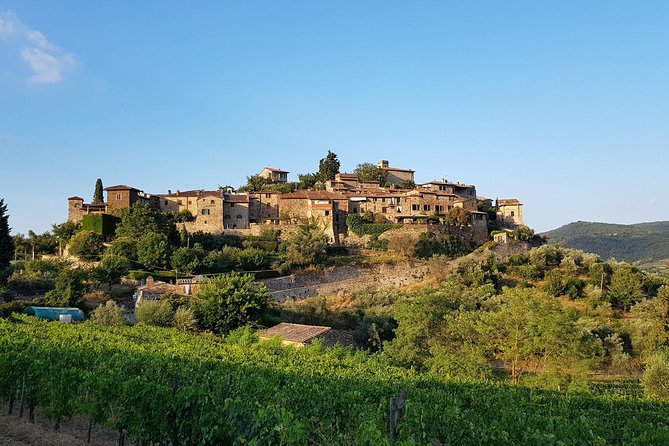
The second stop centers on Montefioralle. Even if the tour stays short, this is the part that helps the wine connect to a place. You’re in the zone where people farmed the hills for centuries, and the view is the payoff.
You’ll feel it most if you taste outdoors in the square, because the vineyards become part of the scene while you sip. Reviews and descriptions repeatedly point to the view of the Chianti countryside and the character of Montefioralle, including sights framed by vineyards rather than by a parking lot.
If you’re the type who likes to understand a destination in one stop, not ten, this “wine first, place second” balance is a good fit.
The four wines: what you’ll likely taste
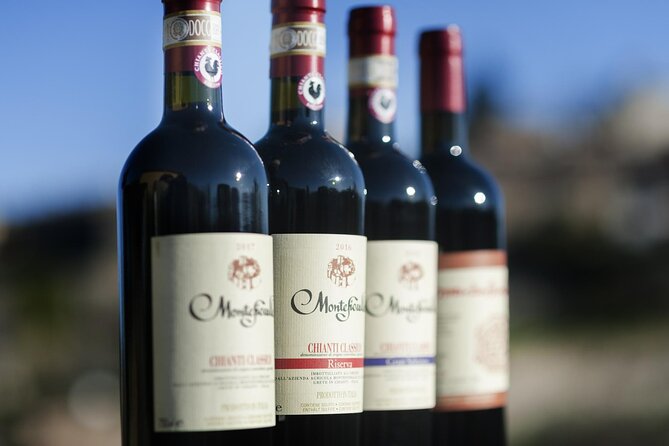
This tasting is built around four Chianti-area wines. The experience is designed to explore styles across the Chianti spectrum, including:
- Chianti Classico (regular style)
- Chianti Classico Riserva (selected best grapes from older vines)
- IGT (a Chianti-area category that can help you compare interpretations of local grapes and methods)
- Vin Santo del Chianti Classico (a raisin-based dessert wine made with a complex, traditional process)
To give you a concrete sense of the lineup, one published sample menu includes these vintages:
- Chianti Classico 2019
- Chianti Classico 2018
- Chianti Classico Riserva 2018
- Vin Santo del Chianti Classico 2017
What you should listen for as you taste: the Riserva is framed as coming from older vines and using the “best grapes,” so expect a deeper, more structured expression compared with the regular Chianti Classico. And with Vin Santo, the goal is totally different: you’re tasting fruit-forward sweetness shaped by centuries of Tuscan farming know-how.
Snacks and pairing: why it doesn’t feel like a gimmick
Wine tastings that include food sometimes treat it like a checkbox. Here, the snacks are repeatedly described as a great pairing, not random crunch on the side.
This matters because snacks help you reset your palate between pours, especially when you’re moving from dry reds into something like Vin Santo. You also get more enjoyment if you’re the sort of person who actually likes to talk about taste rather than just nod at flavors.
If you’re picky about food pairings, you’ll likely appreciate that the snacks are intended to match the tasting flow, not distract from it.
What the Vin Santo moment can teach you
Vin Santo is the one that often flips the script for people who think dessert wine is automatically too sweet. One highlight from the experience: guests praised the Vin Santo as especially good, including the way it was served in a glass that suited it.
You don’t need to “like dessert wine” to enjoy this part. The raisin-based style tends to bring dried fruit character, a different kind of aroma than typical red wines, and it gives you a clean contrast after the reds. It’s also a great way to understand that Tuscan wine isn’t only about dry tables wines.
Group size and pacing: why it feels relaxed
With a maximum of 15 travelers, this isn’t the kind of tasting where you’re squeezed into someone else’s timeline. The pace matches the visit: you tour, you learn the steps of production, you taste four wines, and you finish without overstaying.
The experience duration—around 1 hour 15 minutes—also helps. You can fit it into a day that includes Florence, Greve, or other Chianti stops without turning it into a half-day commitment.
Price value: when this is a smart choice
At $42.24, you’re paying for:
- guided wine tasting with alcohol included
- snack pairings
- a guided explanation of production steps
- a small, scenic setting in Montefioralle
This is best value if you want a tasting that feels connected to how wine is made and where it comes from. If your goal is to do a party-style flight with heavy food service, you may find the snack approach too light. But if you want “wine + process + views” in a short time window, this checks the right boxes for the money.
Practical tips so your visit goes smoothly
A few practical points based on what’s typical for this kind of Chianti hillside setting:
- Wear shoes you trust. Even if the walk is short, you’re on a farm property and in/around a village square.
- Plan for weather shifts. The tasting can move indoors or outdoors depending on the season, so dress in layers.
- Go easy on heavy meals right beforehand. You’ll have wine and snacks, so arriving too full can mute aromatics.
- Ask about the differences between the regular Chianti Classico and the Riserva. The Riserva is tied to older vines and best-grape selection, and it’s usually the most noticeable contrast in the lineup.
- Take your time with Vin Santo. It’s not a quick sip; it’s a flavor experience that benefits from slowing down.
If you’re worried about language, this tour is offered in English, which makes the production explanations easier to follow.
Should you book? My straight answer
Book Montefioralle Winery if you want a small, family-run feel, real explanation of winemaking steps, and a tasting tied to the views around Montefioralle—not just wine in a formal hall. It’s also a strong pick if you like dessert wine surprises, because Vin Santo often becomes a standout.
Skip it or plan carefully if you’re expecting a full meal as part of the tour. Since lunch and dinner aren’t included, you’ll want to eat before or after.
Overall, this is a good match for couples, small friend groups, and anyone who wants Chianti wine in a setting that still feels like a working farm.
FAQ
What does the tour cost?
The tour costs $42.24 per person.
How long is the Montefioralle Winery tour and tasting?
It lasts about 1 hour 15 minutes.
What wines are included?
The tasting includes Chianti Classico, Chianti Classico Riserva, an IGT, and Vin Santo del Chianti Classico. A sample lineup also lists Chianti Classico 2019 and 2018, Chianti Classico Riserva 2018, and Vin Santo 2017.
Are snacks included?
Yes. Snacks are included and are served to pair with the tasting.
Is lunch or dinner included?
No. Lunch and dinner are not included.
Where do I meet and where does it end?
You meet at Via Case Sparse (Montefioralle), 40, 50022 Greve in Chianti FI, Italy, and the experience ends back at the meeting point.
Is the tour offered in English?
Yes. The tour is offered in English.
How many people are in the group?
The group is limited to a maximum of 15 travelers.
Is a mobile ticket used?
Yes. The tour offers a mobile ticket.
Are service animals allowed?
Yes. Service animals are allowed.
What is the cancellation policy?
You can cancel for a full refund if you cancel up to 24 hours in advance. If you cancel less than 24 hours before the start time, the amount paid isn’t refunded.