REVIEW · MADRID
Ribera del Duero Winery Guided Tour and Wine Tasting from Madrid
Book on Viator →Operated by Winebus · Bookable on Viator
One day in Ribera can feel like a whole vacation. This full-day trip from Madrid mixes guided wine tastings with the kind of medieval places you usually need separate travel days for.
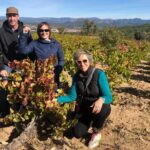
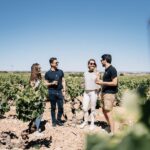
I like that it’s built for real conversation, not just standing in lines. You’re in a small group (maximum 8) and you’ll have time for questions as you sample wines from different styles of bodegas.
One heads-up: lunch and drinks aren’t included, so you’ll want a simple lunch plan (and budget) before you go.
In This Review
- Key things I’d watch for before you book
- Why Ribera del Duero is a smart day trip from Madrid
- Meeting point, timing, and the reality of a 10-hour day
- Winery stop 1: what you’re actually learning during the tasting
- What I consider a “win” about the first stop
- Winery stops 2 (and maybe 3): how you taste variety on purpose
- Lunch break in Castile y León: freedom, plus one planning tip
- The flexible afternoon: medieval towns and castle options
- How to pick your afternoon option
- Transport from Madrid: you’re buying convenience, not just a ride
- The guide makes the difference (and the name you might hear)
- Price and value: what $191.87 buys you (and what it doesn’t)
- Small-group comfort: max 8 travelers changes the tone
- What to wear and how to handle the wine side
- Who this tour suits best
- Should you book this Ribera del Duero day trip?
- FAQ
- How long is the Ribera del Duero tour from Madrid?
- What time does the tour start, and where do I meet?
- Is transport included from Madrid?
- How many wineries will we visit?
- Are wine tastings included?
- Is lunch included in the tour price?
- What can I do in the afternoon?
- Is the guide bilingual?
- What’s the minimum age for drinking?
Key things I’d watch for before you book
- Small group (max 8): easier pace, more back-and-forth with your guide
- 2–3 wineries with included tastings: you get variety, not the same flavor lesson three times
- A real afternoon choice: medieval towns and castles are part of the deal, not an afterthought
- Round-trip transport from Madrid included: you focus on wine and sights, not logistics
- Lunch is on your own: you’ll pick the restaurant and pay for it
Why Ribera del Duero is a smart day trip from Madrid
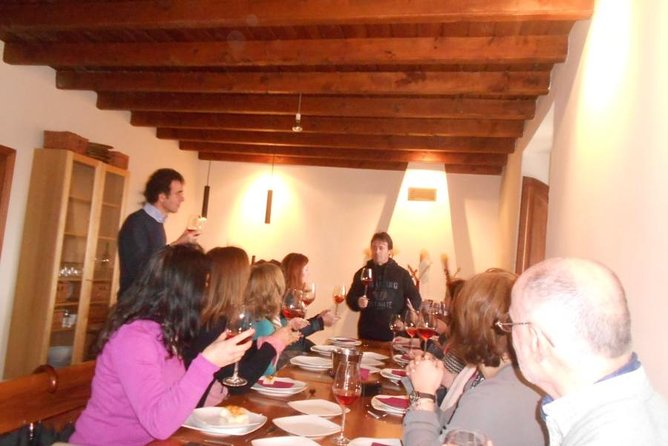
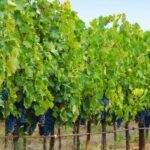
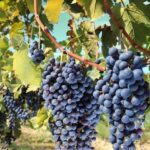
Ribera del Duero is Spain’s denominación de origen wine region—meaning there are official rules that protect what “counts” as Ribera. The big draw is the style: bold, structured red wines made from local Tempranillo (often called Tinto Fino in this area).
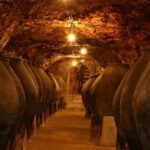
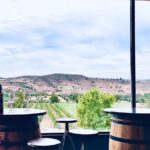
What makes this tour worth your time is the pairing. You don’t only taste wine. You also see where the wine culture sits in daily life: stone towns, castle views, and old-world Castile vibes. It turns your day into a mix of senses—smell the cellars, taste the wines, then look out over the countryside from a medieval hill town.
It’s also convenient. Madrid to Ribera is too far for a relaxed self-drive day unless you already know the region. This is “leave Madrid, get there comfortably, and come back before your legs protest too loudly” travel.
You can also read our reviews of more tours and experiences in Madrid.
Meeting point, timing, and the reality of a 10-hour day
This tour runs about 10 hours total. You start at 9:30 am, meeting at Hotel Claridge (Pl. del Conde de Casal, 6, Retiro, 28007 Madrid). Then you head out by air-conditioned vehicle.
The schedule is built around a morning arrival at the first winery (you’ll reach it roughly 2 hours after departure). That timing matters because wineries often plan tastings and cellar access in tight windows. Going early helps you avoid rushed stops.
In the afternoon, you get a flexible activity choice starting later in the day, then you return to Madrid in the evening. Translation: this is a full day. If you like slow mornings and long naps, you’ll want to set those expectations ahead of time.
Winery stop 1: what you’re actually learning during the tasting
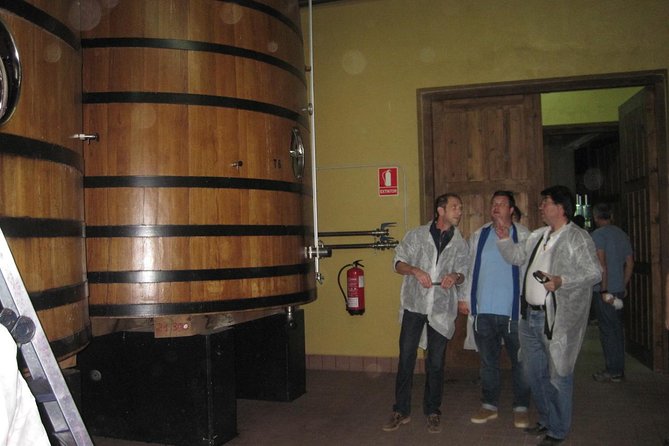
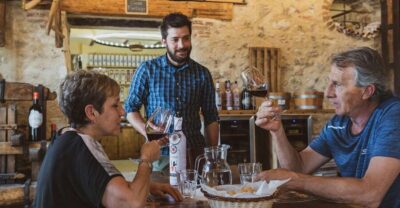
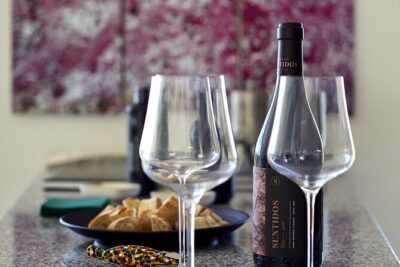
Your first winery visit is where the day usually clicks. You’ll get a guided tasting that’s more than “try this and like it.” You learn how Ribera del Duero came to be a top-tier red region, plus the typical wine styles local winemakers produce.
You also get a cross-section of vintages, so you can taste how the same region expresses itself year to year. That’s useful because many people try Ribera for the first time as a single bottle experience. A guided tasting makes the wines feel like a story, not just a product.
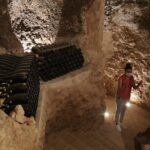
And you’ll likely see different “faces” of the industry right away. One winery style you might encounter is a larger, more corporate operation with a striking architecture and a polished visitor set-up. Another could be the opposite: smaller, more traditional processing with caves that play a central role in fermentation and storage.
That contrast is a big reason this tour works. It helps you understand that Ribera isn’t one winery personality. It’s an area with many approaches—same region identity, different methods and choices.
What I consider a “win” about the first stop
You’ll feel grounded in the region early. By the second tasting, you’re not only swallowing wine flavors—you’re connecting them to production choices you heard about earlier.
Winery stops 2 (and maybe 3): how you taste variety on purpose
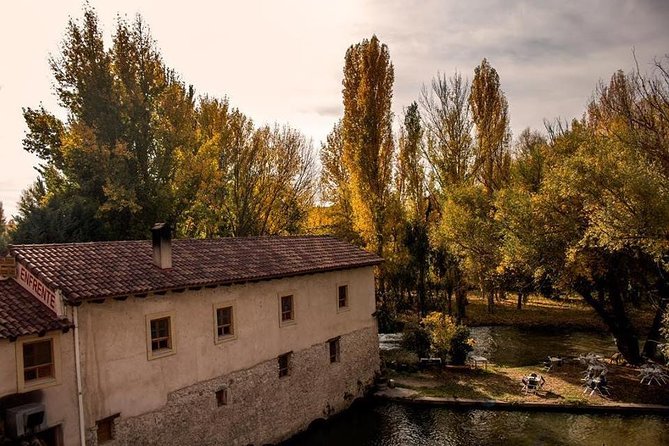
After lunch, you go to a second winery, different from the first. In many cases, it can include a third stop if things line up well—this tour is designed with flexibility so you can hit at least two tastings.
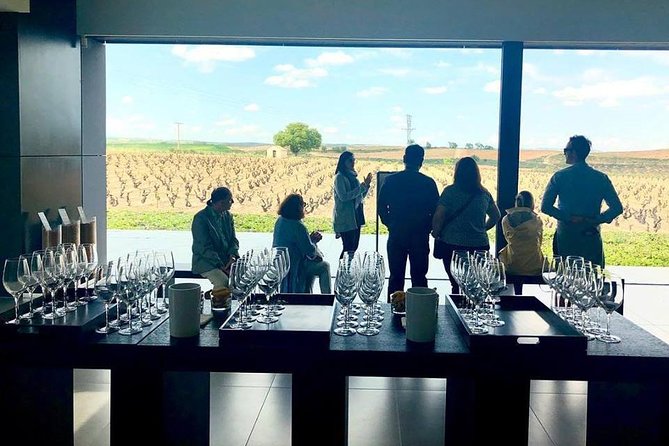
Here’s what you gain from multiple bodegas: different production methods tend to show up in the glass. One winery might lean into innovation and marketing with an on-site restaurant or hotel experience. Another might emphasize more traditional cellar work. Even when the wines share a home region identity, the tasting experience can feel noticeably different.
This is also where the guide’s role matters. With wine tastings, timing and pacing can make or break the day. The best part is having a guide who adjusts based on what you care about—whether that’s the history of winemaking, the aging process, or simply getting pointed toward the bottle style that fits your taste.
In the real world, that usually means:
- you can ask follow-up questions without feeling rushed
- you spend enough time at each tasting to compare properly
- you get food and wine recommendations that actually match what you’re drinking


Lunch break in Castile y León: freedom, plus one planning tip
Lunch is not included, so you’ll take a break mid-afternoon to eat at your own expense. The upside: you can choose the kind of meal you want rather than being stuck with one set menu.
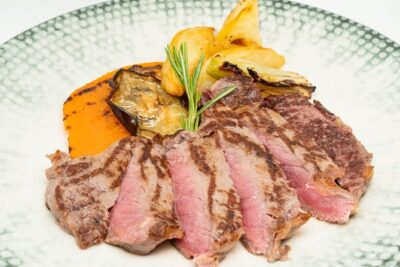
This region is known for Castilian dishes, and you’ll have chances to sample traditional food (often the best move is to pick something local and simple rather than chasing the most English-friendly menu).
One practical tip: since lunch is on your dime, check whether the afternoon option you pick might involve walking around medieval streets. If you choose a town with hills or stairs, plan a lighter lunch so you don’t feel sluggish in your sightseeing boots.
And yes—since the day includes wine tastings, pace matters. I’d treat lunch as a chance to reset your energy level.
The flexible afternoon: medieval towns and castle options
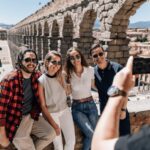
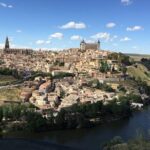
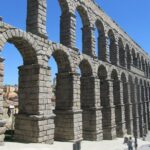
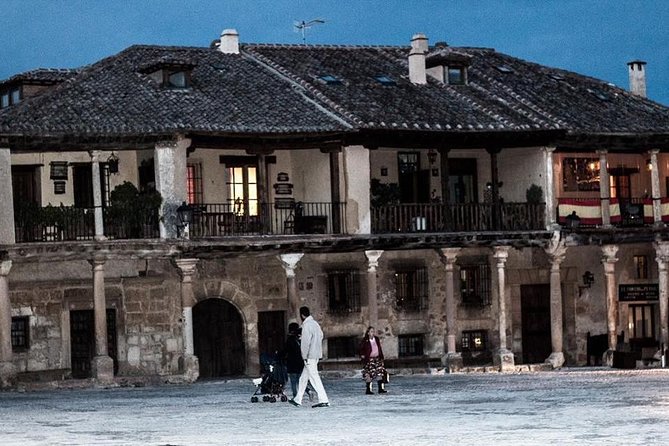
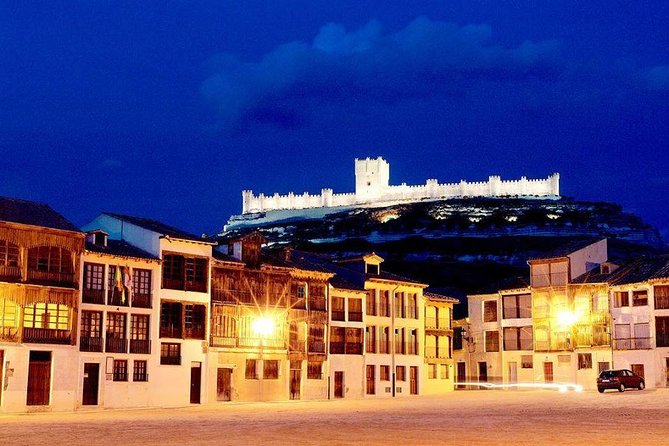
After winery stop(s), you get to choose from potential activities starting in late afternoon. The exact option can vary, but you’ll have choices like Peñafiel, Pedraza, Aranda de Duero, Segovia, Riaza, and Peñaranda.
What makes this portion valuable is that it turns your wine day into culture. You see the human geography of the region—how people built their lives around the same landscapes that grow grapes and shaped the towns you’ll visit.
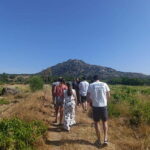
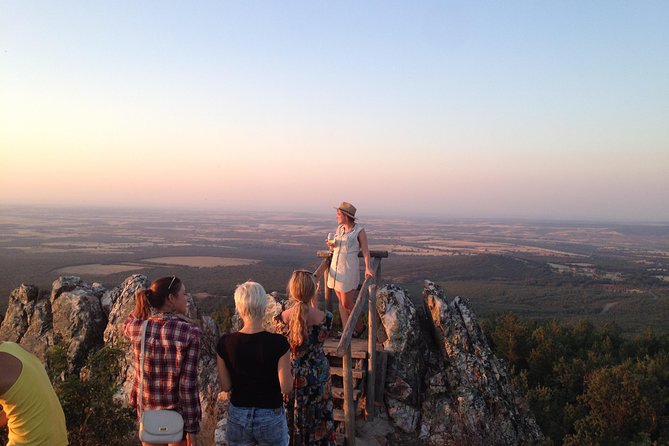
Some days can also include a bonus castle-style stop when it fits the timing, with viewpoints that make you understand why castles were built where they were: visibility, defensibility, and a commanding sense of place.
How to pick your afternoon option
If you want maximum walking and old-stone charm, pick a medieval town. If you prefer a single strong viewpoint and photos, pick a castle-focused stop. If you’re short on energy, choose the option that sounds closest to “easy wandering,” not “all-day sprint on cobblestones.”
Transport from Madrid: you’re buying convenience, not just a ride
The tour includes transportation by car and/or minivan and/or coach with air conditioning. That matters more than people think. Ribera is rural. You don’t want to spend your day coordinating trains, transfers, or last-mile taxi math.
Also, the guide handles the routing and timing. That reduces the most stressful part of a winery day trip: getting from one tasting window to the next without panic.
You’ll also use a mobile ticket, which is convenient if you’re juggling multiple reservations during your Madrid stay.
The guide makes the difference (and the name you might hear)
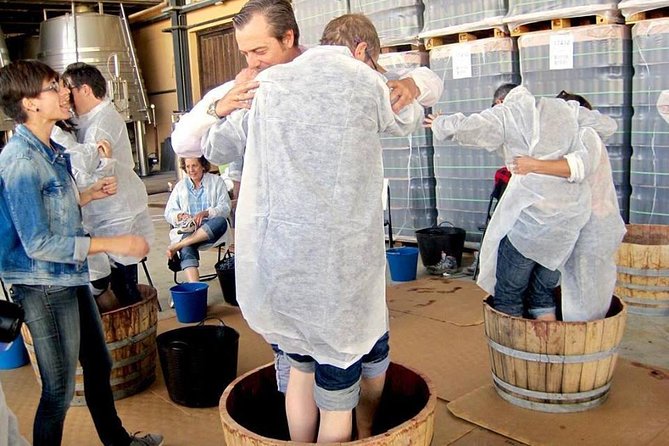
The tour runs with a local professional guide, and in many cases it can be bilingual (Spanish and English). If you end up with the guide Ignacio, you’ll see why the ratings are so high: the ride includes stories that connect Madrid and the wine route, and the guide uses the journey to set context before you ever taste.
In the day experience, the guide’s strongest contribution tends to be flexibility:
- adding brief extra stops for views or interesting local details when it makes sense
- tailoring time at tastings based on your interest level
- offering food recommendations that match the wine vibe of the day
This is not a “hard-sell” tour. It’s more like having a friendly regional expert with you, plus a driver who gets you there and back with minimal fuss.
Price and value: what $191.87 buys you (and what it doesn’t)
At $191.87 per person, this isn’t a budget throwaway day. But it’s also not paying just for “some wine.” You’re getting a whole package: transport from central Madrid, a small group setting, a professional guide, and included wine tastings (plus included activities as part of the afternoon options).
If you price the day realistically, the value is strongest when you actually use what’s included:
- tastings at multiple bodegas
- guided explanations tied to what you’re tasting
- an afternoon cultural stop planned around the same region
The main cost you’ll add is food and drinks. Lunch isn’t included. If you order like you’re on vacation in Madrid and ignore portion size, the total can creep up. If you keep it simple, it stays reasonable.
Also, remember you’re paying for coordination. In wine country, a “self-planned” day can easily become more expensive once you factor in rides, entry fees, and the risk of missing tasting windows.
Small-group comfort: max 8 travelers changes the tone
Maximum 8 travelers is a sweet spot. Large groups get you volume but less attention. With a smaller group, you’re more likely to have time to ask questions and compare notes across wines.
It also helps the guide adjust pacing. If someone wants more time at a cellar point, or you want to spend a little extra moment on the aging process, small-group days tend to handle that better.
And if your schedule aligns with fewer bookings on the day, you may end up with an even more personal experience—one of the best parts of booking a tour designed to keep group size small.
What to wear and how to handle the wine side
Dress code is smart casual. You don’t need formal gear, but you should feel comfortable in layers. Wineries and towns can shift from indoor cellar cool to outdoor light, and you’ll be switching between a vehicle and walking around.
Minimum drinking age is 18. So bring an ID if you’re on the younger side of that range.
Bring your usual travel essentials, but also plan around tastings:
- pace your sips during the morning and afternoon tastings
- hydrate between stops
- eat lunch even if you’re tempted to “just have a little”
Good weather helps for the day overall. If weather cancels the experience, you’ll be offered a different date or a full refund.
Who this tour suits best
This is a great fit if you:
- want wine education without sounding like a lecture
- like medieval towns/castles and want them tied into the same day
- prefer a small group where your questions actually get answered
- don’t want the headache of driving wine country from Madrid
If you only care about shopping for souvenirs or you hate structured tastings, this might feel like too much wine focus. Also, it’s a long day. Plan a low-key evening back in Madrid.
Should you book this Ribera del Duero day trip?
I think you should book it if you want a high-value day that blends real tastings with strong regional sights. The included tastings across different winery styles and the guide-led context make the wine feel intelligible, not random. Add the medieval-town/castle option in the afternoon, and you get more than a wine tour checklist.
I’d hesitate only if you’re counting every euro and you’re the type who really needs lunch and drinks to be included to feel “worth it.” Since lunch is on you, your total depends on your choices.
If you’re excited by Ribera del Duero and want your Madrid trip to include more than museum time, this is one of the most practical ways to do it.
FAQ
How long is the Ribera del Duero tour from Madrid?
It runs for about 10 hours.
What time does the tour start, and where do I meet?
The start time is 9:30 am, and you meet at Hotel Claridge, Pl. del Conde de Casal, 6, Retiro, 28007 Madrid.
Is transport included from Madrid?
Yes. The tour includes transportation by car and/or minivan and/or coach with air conditioning.
How many wineries will we visit?
The plan is for you to visit at least 2 wineries, with a possible third stop if timing allows.
Are wine tastings included?
Yes. Wine tasting is included.
Is lunch included in the tour price?
No. Lunch is not included, and you’ll pay for food and drinks yourself unless something is specified as included.
What can I do in the afternoon?
In the late afternoon, you can choose from options such as Peñafiel, Pedraza, Aranda de Duero, Segovia, Riaza, and Peñaranda, plus other activities depending on the day’s plan.
Is the guide bilingual?
The tour may be operated by a bilingual guide in Spanish and English.
What’s the minimum age for drinking?
The minimum drinking age is 18 years.