REVIEW · TURIN
Piedmont Winery Tour: Taste Barolo, Barbaresco & Traditional Food
Book on Viator →Operated by Curioseety SRLS · Bookable on Viator
Two hours in Barolo country. This Piedmont winery visit pairs a guided vineyard walk with a cellar tasting led by hosts like Carlo and the owner Charles. You’ll sample seven wines plus digestifs, matched with local cheese and cold cuts, focaccia, and homemade bread, including Barolo Chinato and Grappa di Barolo. The main catch: it’s a bit remote from Turin, and the vineyard portion can be weather-dependent.
I love how this stays simple and hands-on: you’re shown how the wines are made, then you taste them with food right there in the tasting rooms. It’s run for a small group (max 15), with English offered and a mobile ticket you can use right at the start.
In This Review
- Key highlights you’ll feel right away
- Why Langhe UNESCO country changes the way you taste wine
- The 2-hour rhythm: what you actually do (and why it works)
- Sobrero Vini meets Monforte d’Alba: the setting and your first steps
- Cellar time with owner Charles and host Carlo: how the tour is guided
- The tasting lineup: Barolo, Barbaresco, Barbera, Moscato and two digestifs
- What you eat with Barolo: local cheese, cured meats, focaccia, and bread
- Extra virgin olive oil, and a small detail to double-check
- The shop factor: pricing, what you’ll want to pack, and the free-bottle deal
- Getting there from Turin: train, taxi, or car on twisty roads
- Small group dynamics: when it feels VIP and when it can get loud
- Who this Piedmont tour fits best (and who should choose another day)
- Should you book this Piedmont Winery Tour: Taste Barolo, Barbaresco & Traditional Food?
- FAQ
- How long is the Piedmont winery tasting?
- Is the tour offered in English?
- What wines and liquors are included in the tasting?
- Is food included with the wine?
- Where does the tour start?
- Do I need transportation from Turin?
- How big is the group?
- Are children or pets allowed?
- What is the cancellation policy?
Key highlights you’ll feel right away
- Langhe (UNESCO) wine country around Barolo territory, with a real vineyard walk before tasting
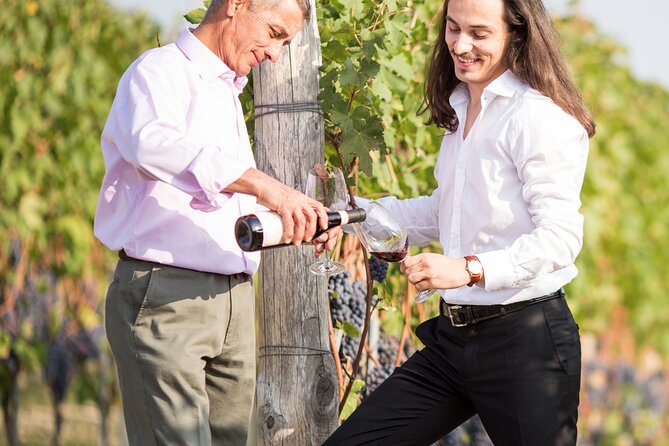
- 7 wines + 2 house digestifs, including Barolo Chinato and Grappa di Barolo
- Food pairing with local cured meats, fine cheeses, focaccia, and rustic bread
- Extra virgin olive oil included in the experience, not just as an afterthought
- Family-run feel with hosts such as Carlo (and owner Charles) guiding the session
- Max 15 people, which can make the tasting more personal than big-bus wine stops
Why Langhe UNESCO country changes the way you taste wine
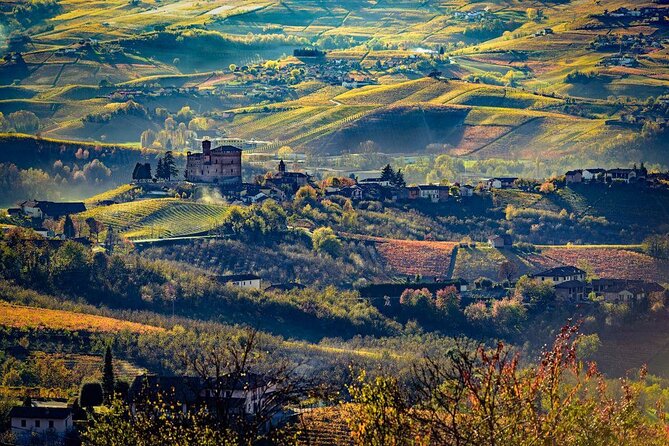
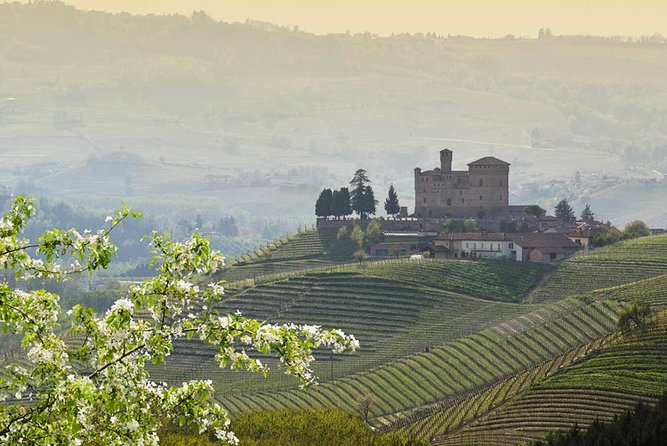
Piedmont wine isn’t just about bottles. In the Langhe area, the hills and vineyards are part of how the wines express themselves. That’s why it’s worth doing a short tour here instead of only grabbing wine at a shop in Turin.
On this visit, the UNESCO setting matters because you’re not only reading labels. You’re walking through the place where the vines grow, then learning what the winery is doing in the cellar. That sequence helps your brain make a link between place, process, and taste.
You can also read our reviews of more tours and experiences in Turin.
The 2-hour rhythm: what you actually do (and why it works)
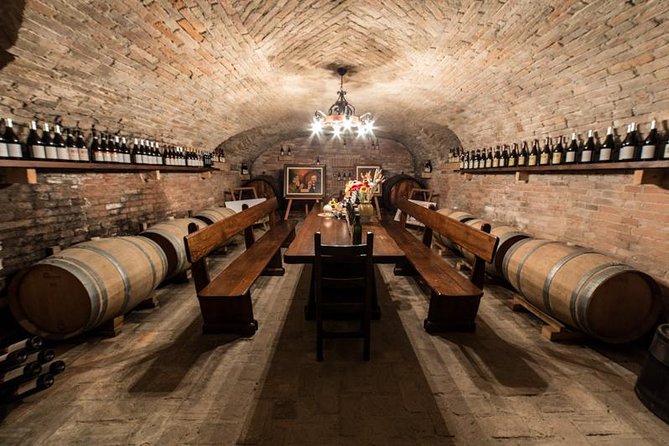
The timing is about 2 hours from start to finish, ending back at the meeting point. A guided walk comes first, then you move into the cellar tasting room. It’s tight enough to fit into a day trip from Turin, but long enough to taste multiple styles and still get answers.
You’ll also see practical touches built in: the tour uses a mobile ticket, it’s offered in English, and the group size is capped at 15. For food, alcohol, and pacing, that matters. You’re not sprinting through tastings, and the food arrives alongside the wine experience rather than at the very end.
Sobrero Vini meets Monforte d’Alba: the setting and your first steps
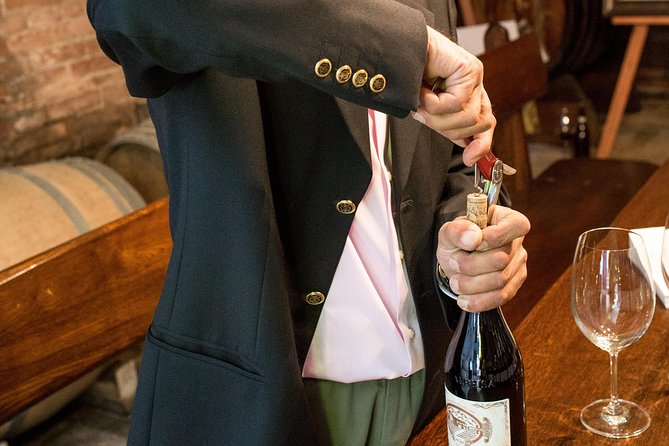
You start at Sobrero Vini, Via Alba Monforte 39, 12060 Castiglione Falletto (CN), Italy. Even though the experience is framed around the Comune di Monforte d’Alba / Barolo-area vineyards, you’ll be physically in the Castiglione Falletto hills, where the wine country roads wind uphill.
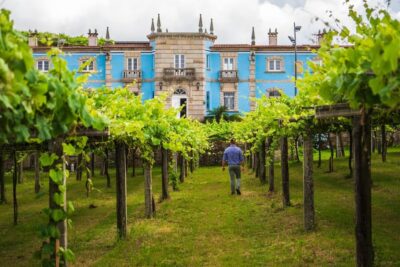
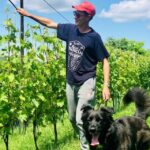
Your first real moment is the vineyard walk. It’s a guided stroll meant to show you how vines are grown and how the property’s history connects to today’s production. In most weather, that’s when the tour feels most “you are here” in a way a seated tasting never does.
One planning note: if it rains hard, the vineyard part may not happen. That’s not something the winery can control, but it’s worth bringing a jacket and shoes you don’t mind getting dirty, just in case.
Cellar time with owner Charles and host Carlo: how the tour is guided
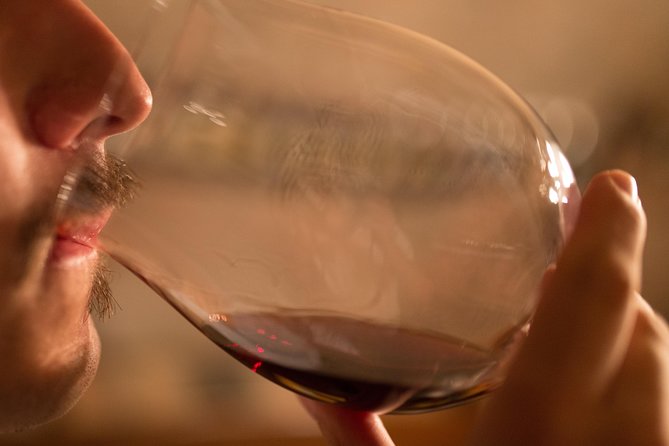
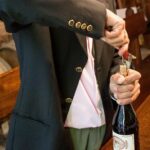
The cellar component is where you get the behind-the-scenes story. The owner Charles (and hosts like Carlo in many sessions) will walk you through the wine-making process and what the winery focuses on from grape to bottle.
This is also where the tour earns its keep. A wine tasting is fun, but a guided cellar conversation gives you a framework: what to notice in color, aroma, and structure, and why those features differ between varieties grown in the same region.
A small heads-up for pacing: the experience is run by a host who handles the guiding while managing the tasting flow. In a shared group, that can mean less one-on-one time if the session is fuller than average or if several questions pile up at once.
The tasting lineup: Barolo, Barbaresco, Barbera, Moscato and two digestifs
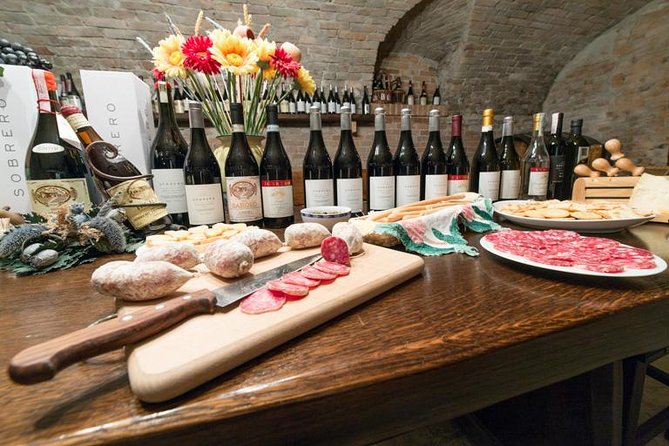
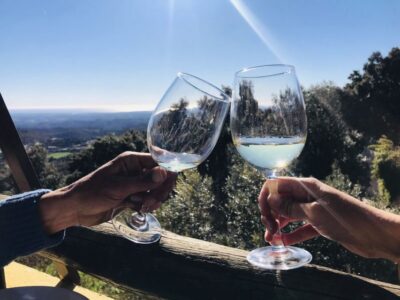
You’ll taste seven wines during the main tasting. The lineup includes big Piedmont names such as Barolo, Barbaresco, Barbera, and Moscato. The experience is designed so you’re not stuck only in red wine—expect a mix of styles as part of the Piedmont story.
On top of the seven wines, you’ll also get two house liquors:
- Barolo Chinato
- Grappa di Barolo
That pairing is smart. Barolo and Barbaresco tend to steer the tasting toward structure and depth, while Barbera and Moscato help you experience Piedmont’s range. The digestifs then reset your palate and give you a clean finish.
Some sessions also end up with a slightly larger number of wine pours (people have described tasting more than the baseline count). Either way, you should plan for a “multi-wine” tasting session rather than a single-theme Barolo-only flight.
What you eat with Barolo: local cheese, cured meats, focaccia, and bread
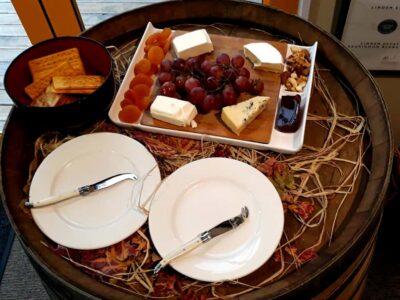
Wine changes when food joins the glass. Here, you’re not only handed crackers. You get a serious spread: local cured meats and fine cheeses, plus focaccia and bread.
This food lineup is part of why the tour feels traditional, not touristy. In Piedmont, eating is tied to the culture of wine—salty cured meats and cheeses can soften tannins, while bread and focaccia help you keep enjoying sip after sip.
One standout detail: the food appears alongside the tasting rather than waiting until you’re done. That keeps you from switching into “I’m done with wine now” mode after the first couple pours.
Extra virgin olive oil, and a small detail to double-check
The experience includes extra virgin olive oil. That can show up as part of the pairing or tasting elements in the room.
One guest noted that the olive oil bottle they expected as part of the included items did not arrive as expected. It’s not something you can control, but it’s an easy fix if you’re attentive: at the end, make sure any included take-home items (like oil, if offered that way) are actually handed over.
The shop factor: pricing, what you’ll want to pack, and the free-bottle deal
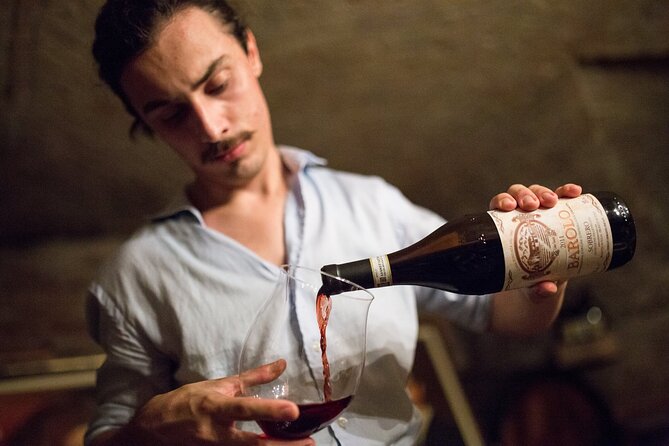
Yes, there’s a shop moment after the tasting. People tend to leave tempted, and the region’s bottles are exactly the kind you’ll want to bring home.
There’s also a specific promo written into the experience: one bottle of Barolo or Barbaresco free every €200 of purchase. That can turn the “nice souvenir” into a smart deal—especially if you’re buying for at least one wine-loving person back home.
Just be realistic about logistics. You’re tasting and then buying in a remote hill area, so plan for how you’ll transport bottles. If you’re flying, you’ll either need checked luggage or a shipping plan you can compare.
Getting there from Turin: train, taxi, or car on twisty roads
Transportation is not included. The tour is remote enough that you should treat it like a true day trip, not a casual walk from a station.
The most reliable options you’ll realistically use:
- Car: often easiest, but expect twisty hill roads
- Train + taxi: one described route was about 1 hour 20 minutes by train, then around 15 minutes by taxi
If you’re hiring a driver, build in extra time. These roads can slow your schedule, especially if you’re aiming to arrive early for the vineyard portion.
Small group dynamics: when it feels VIP and when it can get loud
The tour caps at 15 people, which helps. And many sessions can feel very friendly and personal, especially when the group is small and the host can keep the pacing flexible.
Still, there are two practical realities:
- If the group runs closer to the max, the host may repeat information across tables rather than staying in one loop
- Some groups can bring different energy levels, which can affect how easy it is to hear explanations clearly
If you want more quiet instruction, arrive with patience and don’t assume every moment will be perfectly tailored to your pace. The good news: the tasting and food stay the core of the experience, and that part usually delivers even when the room gets busy.
Who this Piedmont tour fits best (and who should choose another day)
This experience is a strong match if you want:
- A focused taste of Barolo country without spending a whole day driving between wineries
- A balance of wine and food, with digestifs included
- A small-group setting with English offered
It might be less ideal if:
- You want only one style, like strictly Barolo and nothing else
- You dislike loud rooms or fast instruction when groups are fuller
- You plan to arrive in the rain expecting a vineyard walk no matter what (the vineyard part depends on conditions)
Should you book this Piedmont Winery Tour: Taste Barolo, Barbaresco & Traditional Food?
I’d book it if you want a high-value, small-group introduction to Piedmont that’s actually rooted in the place—vineyards first, cellar second, then wine with food. At about $59.13 for the tasting, you’re paying for multiple pours (including Barolo Chinato and Grappa di Barolo) and a real local food spread, not just a quick sip-and-stare stop.
Skip it or consider a different format if getting to the hill area is a headache for you, or if you’re the type who needs a quiet, ultra-detailed, one-on-one teaching session. For most people who enjoy wine and want the Barolo region to make sense quickly, this one is a solid choice.
FAQ
How long is the Piedmont winery tasting?
It lasts about 2 hours.
Is the tour offered in English?
Yes, it’s offered in English.
What wines and liquors are included in the tasting?
You’ll taste seven wines, including Barolo, Barbaresco, Barbera, and Moscato. You’ll also have two liquors: Barolo Chinato and Grappa di Barolo.
Is food included with the wine?
Yes. You’ll have local cheese and cold cuts, plus focaccia and bread/snacks as part of the experience.
Where does the tour start?
The meeting point is Sobrero Vini, Via Alba Monforte 39, 12060 Castiglione Falletto (CN), Italy, and the tour ends back there.
Do I need transportation from Turin?
Transportation is not included. It’s noted as being remote from Turin, and people often use a car or a train plus taxi route.
How big is the group?
The tour has a maximum of 15 travelers.
Are children or pets allowed?
Children and pets are warmly welcomed.
What is the cancellation policy?
You can cancel up to 24 hours in advance for a full refund. After that window, the amount paid is not refunded.