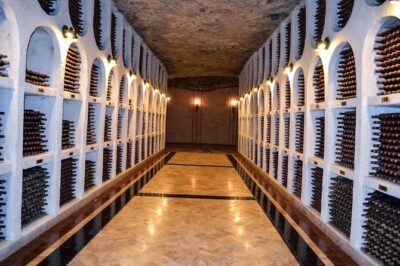
REVIEW · SAINT EMILION
Saint-Émilion: Bordeaux Vineyard Tour and Wine Tasting
Book on GetYourGuide →Operated by Château Saint-Georges Côte Pavie · Bookable on GetYourGuide
Three pours, one hour, and you get it. At Château Saint-Georges Côte Pavie, you’ll walk the Pavie Hill vineyard with guides such as Valentin or Chloe, then learn why Bordeaux tastes the way it does. I love the three tastings for the price, and I love the cellar time where aging and barrel work are explained in plain language. One thing to consider: it’s a short visit, so come with a couple of questions queued up.
This is a small-group stop (max 8) that fits neatly into a Saint-Émilion day. You’re paying for focused access: vineyard context, Grand Cru-level wines, and just enough know-how to enjoy what you taste.
In This Review
- Key things you’ll notice on this tour
- Why a Côte Pavie tasting is a smart 1-hour Bordeaux plan
- A small drawback to plan around
- Château Saint-Georges Côte Pavie: family vineyard on Pavie Hill
- About the medieval Saint-Émilion feel
- Inside the cellars: 5-generation know-how and barrel aging
- Cellar time isn’t long, so use it well
- The 3-wine tasting: how to taste Saint-Émilion Grand Cru
- Elegance is the theme to listen for
- Finding the place: walkable from Saint-Émilion station and center
- Your ideal timing strategy
- Price and group size: what $21 really buys you
- The short duration is a feature, not a bug
- Who this tour is best for (and who should skip it)
- Should you book Château Saint-Georges Côte Pavie?
- FAQ
- Where does the tour start?
- How long is the tour?
- How much does it cost?
- What’s included in the tour?
- How large is the group?
- What languages are available?
- Do I need to be 18 to taste the wine?
- Is this tour suitable for children or pregnant travelers?
- Can I cancel and get a full refund?
- Is there a reserve and pay later option?
Key things you’ll notice on this tour
- Small group (up to 8): more time to ask questions without being rushed.
- Pavie Hill setting: you learn the vineyard’s logic while standing in front of it.
- Five-generation family story: you get history tied to farming decisions, not trivia.
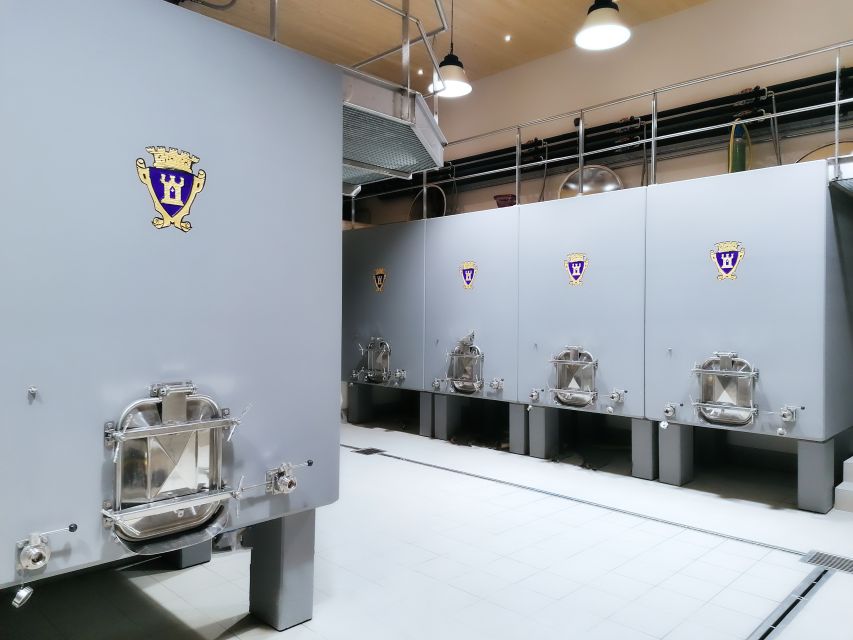
- Cellar walk and aging basics: barrels, aging, and how winemaking choices show up in the glass.
- 3-wine tasting: a simple flight that helps you compare styles and learn what to look for.
- Saint-Émilion village proximity: the château is easy to pair with a walk through the medieval streets.
Why a Côte Pavie tasting is a smart 1-hour Bordeaux plan
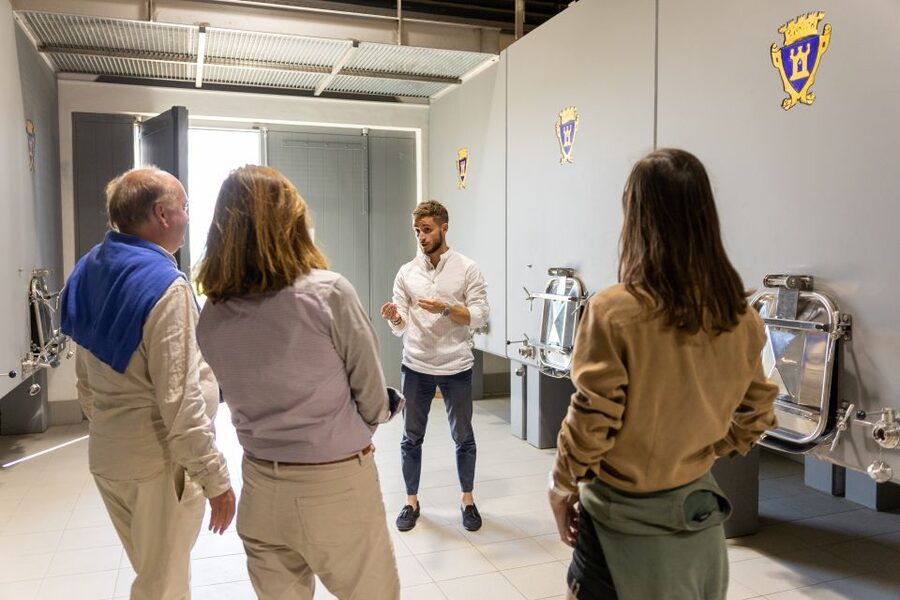
If your schedule is tight, this tour makes sense. At 1 hour, you get a compact Bordeaux education without turning your day into a long bus ride. I like experiences like this because they help you enjoy the rest of Saint-Émilion more. You’ll taste, then you’ll know what to ask when you’re looking at bottles later.
The pace is also realistic. You’re not trying to cram an entire wine degree into a single afternoon. You’ll tour the family-owned vineyard, hear how the estate works its soil and grapes, then step into the cellars where aging happens. That sequence matters: tasting lands harder when you’ve just seen where the grapes come from and where the wine spends its time.
Price is another reason this works. At about $21 per person, you’re not paying for a fancy vehicle or a long day. You’re paying for access to the property and a guided introduction that still includes three tastings. In other words, you get more than a quick sip-and-sprint stop.
You can also read our reviews of more tours and experiences in Saint Emilion.



A small drawback to plan around
Because it’s short, you won’t have time for deep, nerdy questions about every technique. If you care about something specific—like how different grapes behave in the same cellar—ask early. Guides usually have no problem answering, but you’ll get more value by leading with your top curiosity.
Château Saint-Georges Côte Pavie: family vineyard on Pavie Hill
The setting is one of the best parts. Château Saint-Georges is on Côte Pavie, and you’ll get a feel for why this part of Saint-Émilion matters. The tour focuses on the estate as an active farm run by a family still working the land after five generations. That detail is more than marketing. It changes how you listen. Instead of hearing a polished storyline, you hear how decisions get repeated, refined, and passed along.
You’ll also learn how the estate approaches grape selection and soil. The guide explains the different grape varieties used and the unique soil characteristics that support quality fruit. You don’t need to memorize names to get something out of it. What you’re really learning is the relationship between place and taste—why the same winemaking choices can lead to different results depending on the vineyard block.
This is also a good stop for people who aren’t sure where to begin with Bordeaux. Saint-Émilion can feel like a maze of châteaux, appellations, and classifications. Here, you get a straight-to-the-point introduction tied to a specific working property. The tour keeps pointing you back to what matters: vineyard inputs and aging choices, not wine-speak.
About the medieval Saint-Émilion feel
The château isn’t hidden away in some remote vineyard bubble. You’re positioned close enough to the village that you can pair this with the medieval experience. Saint-Émilion’s stone streets and architecture are part of the day’s payoff. Even if the tour is focused on the estate, the fact that you can walk into town before or after is a big practical win.
Inside the cellars: 5-generation know-how and barrel aging
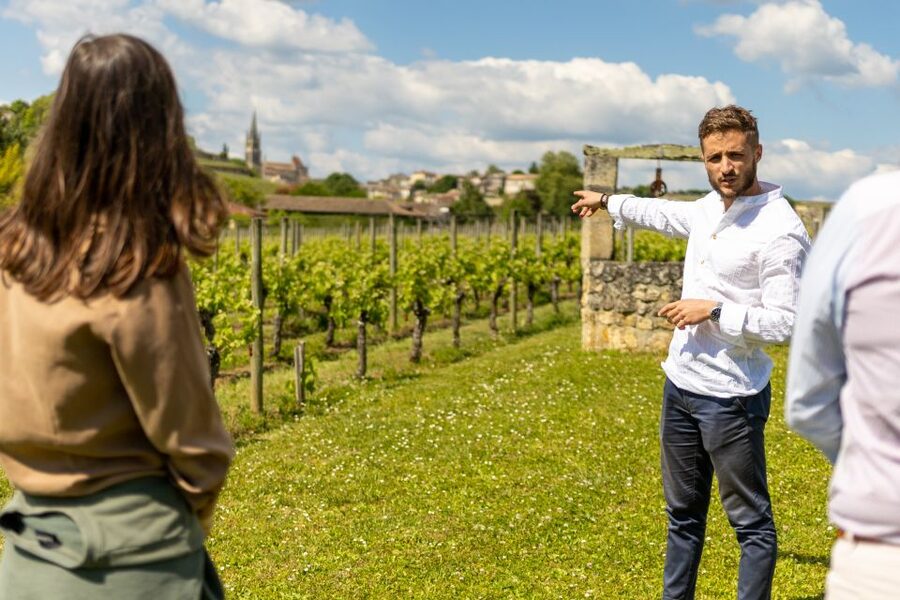
After the vineyard walk, you step into the cellars. This is where the tour becomes genuinely useful, not just pretty. You’ll learn about the winemaking process and the aging that takes place in barrels. That’s the bridge between what you saw outside and what you’ll taste.
Why this matters: when you know the wine has spent time aging in barrels, you start noticing how the wine behaves. Texture, warmth, and how flavors settle can make more sense. Even if you’re new to wine, this part gives you language to describe what you like.
You’ll hear the estate’s history through the lens of craft. The tour emphasizes that the family has been working the property for five generations, which means winemaking choices are tied to experience and continuity. It’s the difference between learning from a script and learning from a working cellar.
In a lot of wine tours, the cellar stops at photo ops. Here, the cellar time is structured around what happens to the wine as it ages. That’s why guides often score well for technical explanations. Some guides you might meet include people like Valentin, or Chloe, and they tend to keep their explanations clear and engaging, including English-language instruction that actually lands.


Cellar time isn’t long, so use it well
Because the tour is only 1 hour total, the cellar visit is a key moment. If you’re serious about tasting better, ask one question that connects to aging—something like what the barrels contribute to the final style. You’ll get a more satisfying tasting when you know what you’re looking for.
The 3-wine tasting: how to taste Saint-Émilion Grand Cru
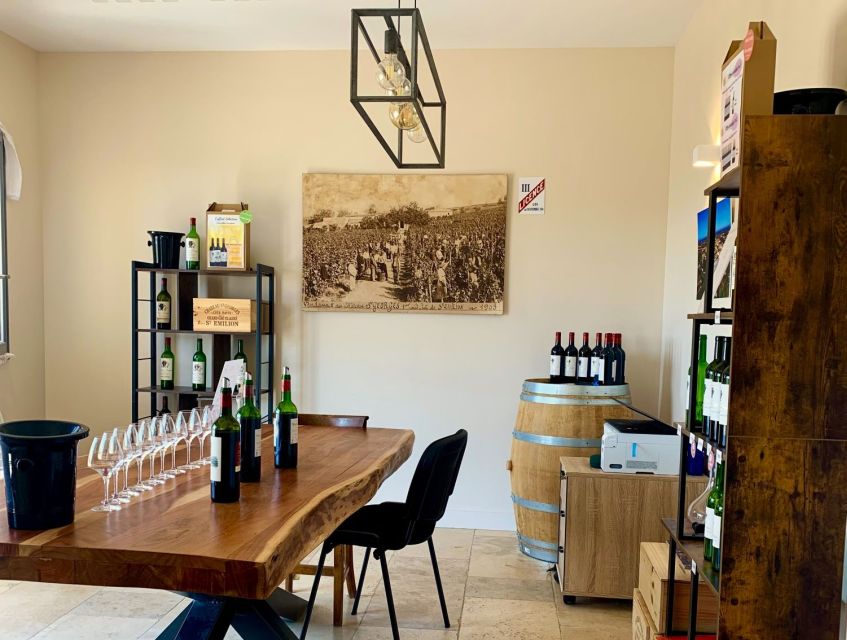
The tasting is the payoff, and it’s handled in a way that keeps it approachable. You’ll sample 3 high-quality wines, all from the Saint-Émilion Grand Cru world. That term matters here: it signals quality standards and expectations for the region’s best producers.
You’ll likely taste reds. Some tours include three reds in a flight, with one wine tied to the estate’s landmark expression. The point isn’t to hunt for insider labels. The point is to practice noticing how the wines compare after you’ve heard about vineyard choices and barrel aging.
Here’s what I’d do during your tasting:
- Take notes in your head on texture first (light, medium, structured).
- Then move to flavor focus: fruit character versus more mature, aged notes.
- Finally, pay attention to balance: does acidity keep it lively, and does alcohol feel integrated?
A tasting like this works best when you don’t force yourself to become a critic. Think of it as learning a few repeatable observations. After this, when you’re browsing bottles around Saint-Émilion, you’ll spot patterns faster.
Elegance is the theme to listen for
The wines are described as elegant, and that word is worth treating as a clue. Elegant wines often feel composed—flavors that don’t rush past each other. With barrel aging explained up front, you’ll have a better chance of recognizing what that elegance means in your glass.
Also: this is a tasting, not a marathon. You get enough to learn without feeling foggy by the end. And since it’s an adult-only experience (you must be over 18 to participate), the environment stays focused.
Finding the place: walkable from Saint-Émilion station and center
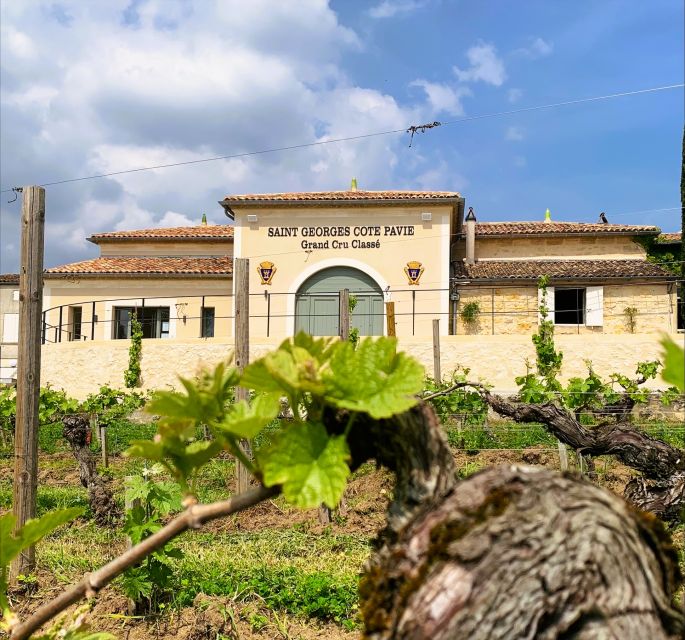
Good logistics make a tour enjoyable, and this one is easy to reach. Château Saint-Georges Côte Pavie sits close enough to the village to make walking practical. From Saint-Émilion, you’re looking at roughly a 15–20 minute walk depending on your route and pace, and it’s also walkable from the train area.
That matters if you’re doing a full day with trains or if you don’t want to lock yourself into a taxi timetable. It also means you can control your day. Arrive early, grab a coffee in town, then walk out to the château when it’s time.
Your ideal timing strategy
If you want maximum value, do Saint-Émilion before the tour. Walk the medieval streets, get your bearings, then come back to the estate ready to understand what you’re seeing. Or flip it: tour first, then walk through the village with better context and a calmer pace.
Either way, this location lets you combine both experiences without stress.
Price and group size: what $21 really buys you
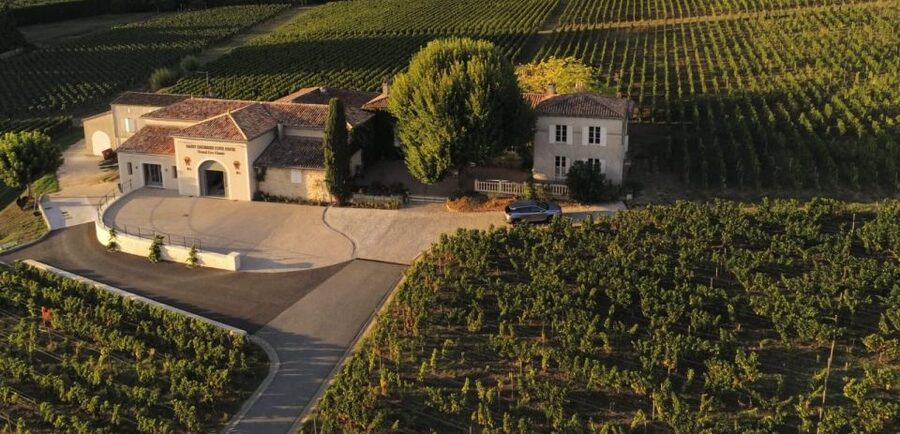
At about $21 per person for an hour, the value is mostly in the access and instruction. You’re paying for:
- a vineyard visit at a real working estate
- a cellar walk that explains aging and winemaking steps
- a guided three-wine tasting
- a small group size (max 8), so you can ask questions
That last point is underrated. In larger tours, you’re mostly watching. Here, you’re participating—question time and back-and-forth tends to be more possible in a smaller group.
Also, English and French guides are available. For non-French speakers, that matters because wine tours can turn painful if you don’t understand the guide’s pace. Multiple guide names show up in the experience’s history, including guides like Valentin and Chloe, and they’re typically described as friendly, professional, and willing to answer questions.
The short duration is a feature, not a bug
One hour can sound limiting, but it’s a smart fit for your day. You get a solid introduction and tasting without losing the afternoon. If you want a long, slow château experience with a bigger flight, this might not replace that. But as a first or mid-day wine stop, it performs.
Who this tour is best for (and who should skip it)
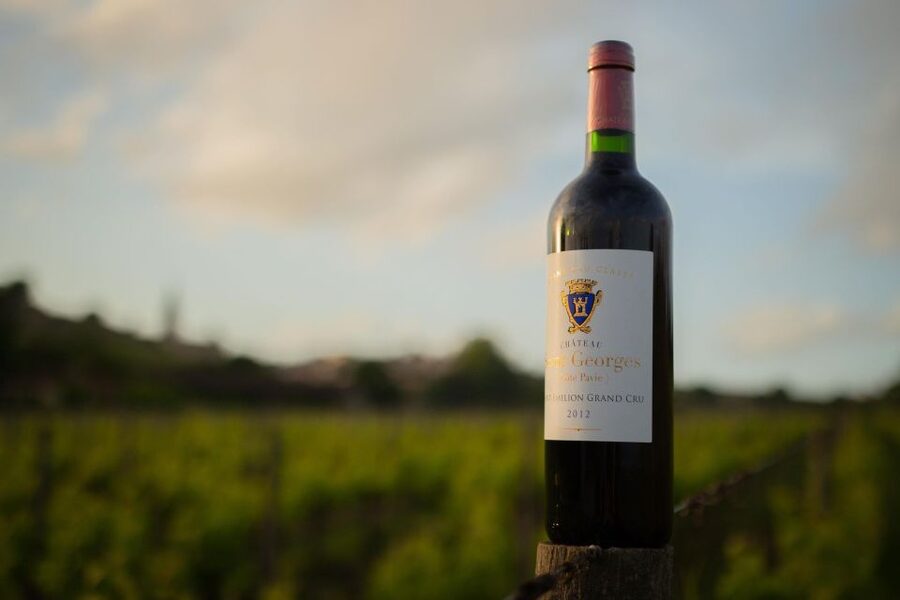
This is a great match if you want:
- a straightforward introduction to Saint-Émilion Grand Cru
- vineyard-to-cellar context (not just a tasting room)
- a small-group vibe with real chances to ask questions
It’s also ideal when you’re traveling solo or as a couple and want a guided experience that doesn’t feel like a production.
Who should consider skipping:
- If you’re traveling with children under 18, it’s not suitable.
- If you’re pregnant, it’s not suitable.
- If you’re under 18, you can’t take part in the wine tasting, even though you might still be able to join depending on the operator’s rules.
And bring a curious mindset. This kind of tour rewards you when you pay attention to details like how soil work, grape choice, and barrel aging show up together.
Should you book Château Saint-Georges Côte Pavie?
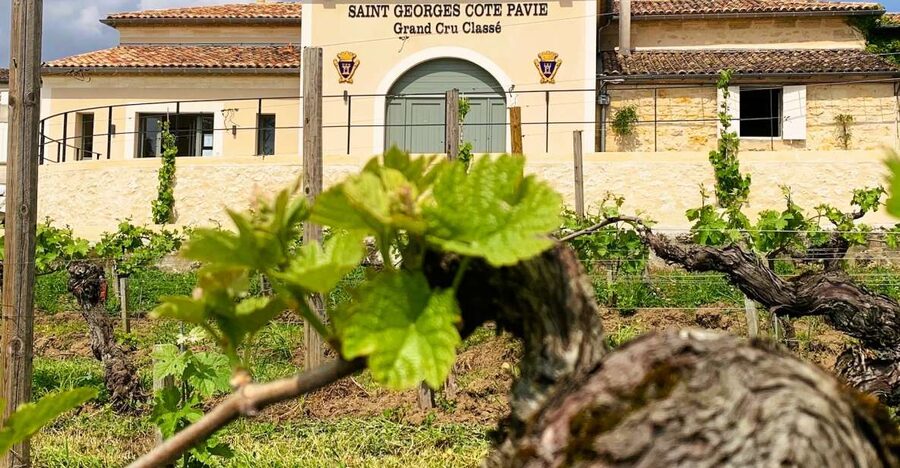
Yes, if you want a high-value Saint-Émilion wine experience that fits a tight schedule. The biggest reasons I’d book are simple: three tastings, a vineyard and cellar explanation that connects to what you drink, and a small group that keeps the experience personable.
I’d hesitate only if you’re looking for a long, full-scale château production tour. This is an efficient, well-guided hour. It’s meant to leave you informed and ready to enjoy the rest of Saint-Émilion—not to replace a multi-hour, deeper immersion.
FAQ
Where does the tour start?
The tour takes place at Château Saint-Georges Côte Pavie.
How long is the tour?
The experience lasts 1 hour.
How much does it cost?
The price is $21 per person.
What’s included in the tour?
You get a vineyard tour and a tasting of 3 high-quality wines.
How large is the group?
The group is small, limited to 8 participants.
What languages are available?
The live tour guide is available in English and French.
Do I need to be 18 to taste the wine?
Yes. You must be over 18 to take part in the wine tasting.
Is this tour suitable for children or pregnant travelers?
No. It is not suitable for children under 18 and not suitable for pregnant women.
Can I cancel and get a full refund?
Yes. You can cancel up to 24 hours in advance for a full refund.
Is there a reserve and pay later option?
Yes. You can reserve your spot and pay later.