REVIEW · SAINT EMILION
Saint-Émilion: Vineyard Walking Tour and Tasting
Book on GetYourGuide →Operated by Château Haute-Nauve · Bookable on GetYourGuide
If you like wine with a human face, go here. At Château Haute-Nauve, you walk the Saint-Émilion vineyards with owner-guides Marie-Anne or Florent, then see how grapes turn into wine in the cellar before finishing with a guided tasting of four wines. It’s a compact 2-hour loop that feels less like a lecture and more like watching a family craft its trade.
I love the vineyard portion with real seasonal context, not just pretty views. I love that the tour goes from vine to bottle, with fermentation and aging explained in plain language, then backed up by tasting four of the estate’s own wines.
A possible drawback: no food is included, and the property sits about 3 km from Saint-Émilion village, so plan your timing and transport accordingly.
In This Review
- Key Points Worth Noting
- Saint-Émilion in Two Hours: What This Tour Covers
- Meeting Château Haute-Nauve: Parking Near Solar Panels and the Purple Sign
- Vineyard Walk With Marie-Anne or Florent: Seasons, Plots, and Real Farming
- From Grapes to Fermentation: The Vinification Cellar Tour
- Barrel Cellar and Aging Methods: What Changes After Fermentation
- Guided Tasting of Four Saint-Émilion Wines, Including Grand Cru
- Browsing the Estate Collection and Bringing Bottles Home
- Price and Value: Why $29 for Two Hours Works
- Who Should Book This Tour, and Who Might Want Something Different
- Quick Booking Checklist (So You Don’t Lose Time)
- Should You Book Château Haute-Nauve?
- FAQ
- How long is the Saint-Émilion Vineyard Walking Tour and Tasting?
- What is the price per person?
- How many wines are included in the tasting?
- Are any of the tasting wines Grand Cru?
- Who guides the tour?
- Where do I meet the tour?
- Is food included?
- Do I need transport to reach the château?
- What should I bring?
- Can I cancel and get a refund?
Key Points Worth Noting
- Family-run guides (Marie-Anne or Florent) explain wine in a personal, lived-in way
- Vineyard walk plus cellar tour covers the full making process, not just the tasting room
- You’ll see working tech for fermentation, pumping, pressing, and wine aging
- Two of the four pours are Grand Cru from the Saint-Émilion appellation
- Interesting estate details include a wind turbine and a bottle 6 meters tall
- Small group size (max 10) keeps questions easy and the pace relaxed
Saint-Émilion in Two Hours: What This Tour Covers
This is the kind of tour that works when you want a proper wine experience without spending half the day on a bus. You get a guided walk through the vines, a visit to the production cellars, and a tasting that ends right where the wines are made. Total time is about 2 hours, so it fits nicely between a morning in Saint-Émilion town and an afternoon driving the wider Bordeaux region.
The real value is the structure. You don’t just hear about wine; you see the chain of steps: vineyard work, vinification (turning grapes into wine), then aging. By the time you taste, the flavors make more sense, because you’ve watched the decisions behind them.
Also, the group stays small, capped at 10 participants, which matters more than people think. In a large group, tasting notes turn into background noise. Here, you can actually ask why something tastes the way it does.
You can also read our reviews of more tours and experiences in Saint Emilion.


Meeting Château Haute-Nauve: Parking Near Solar Panels and the Purple Sign
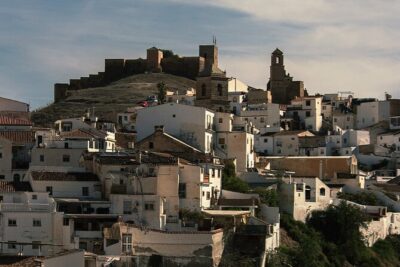
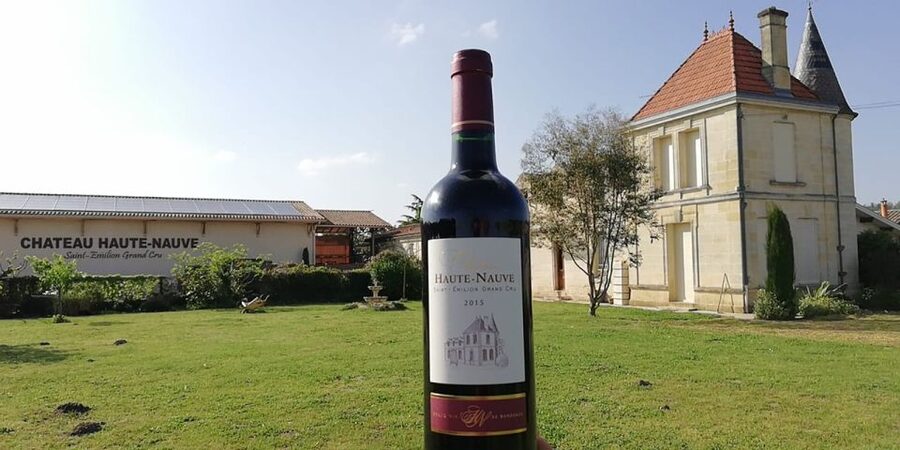
You meet inside Château Haute-Nauve. The property is set about 3 km from Saint-Émilion village, and the tour notes strongly suggest arriving by car. There’s a nearby car park close to the big building with solar panels, and you’ll look for the purple Château Haute-Nauve sign.
If you’re doing the day as a “Saint-Émilion plus wine” plan, give yourself a little buffer. The château is close enough for a quick outing, but not close enough to treat like a casual walk from town.
One practical tip: wear shoes you can walk in comfortably. The tour includes a vineyard walk, and the ground in vineyard areas can be uneven even when the weather is pleasant.
Vineyard Walk With Marie-Anne or Florent: Seasons, Plots, and Real Farming
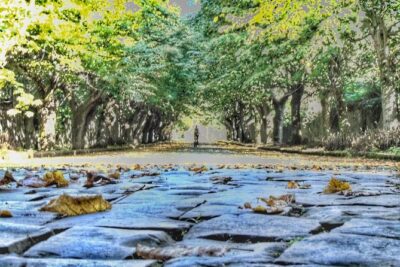
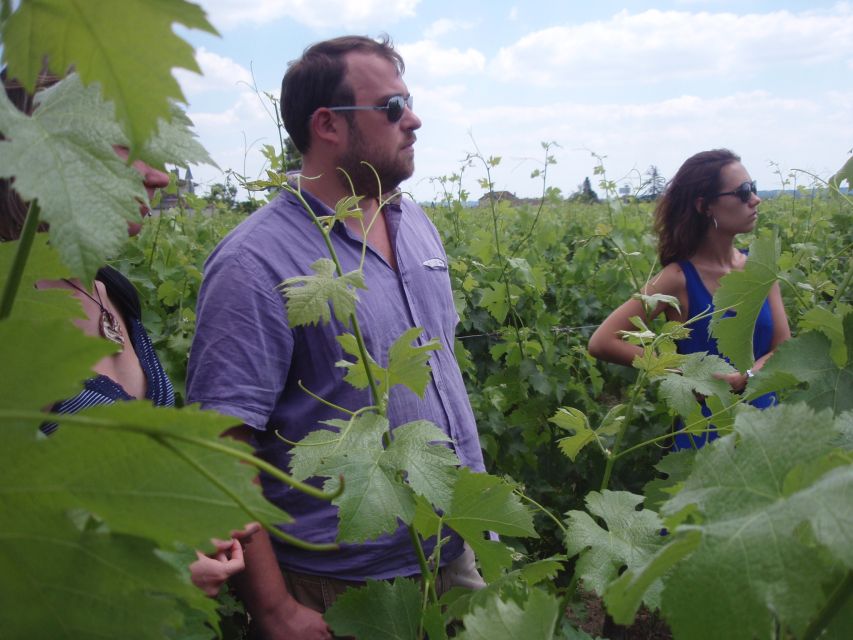
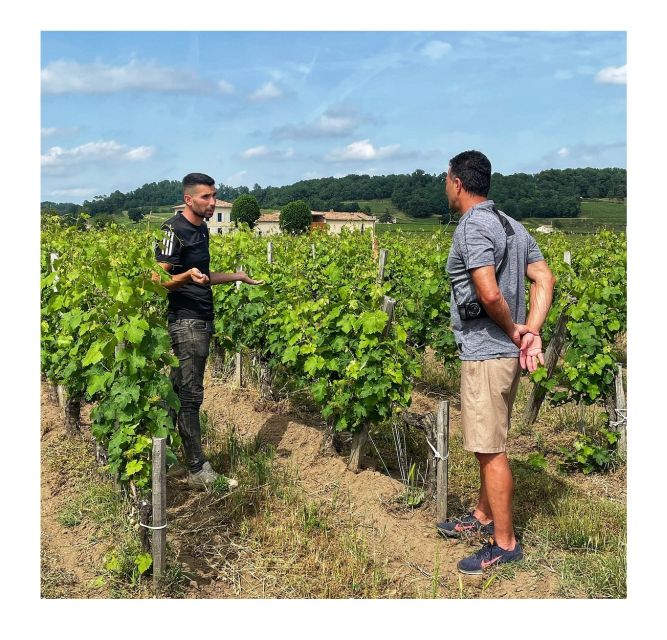
The first phase is outside, walking through the family-run vines. Your guide is either Marie-Anne or Florent, and both are connected to the estate as owners from the 4th generation. That matters because their explanations come from doing the work and living with the results, not repeating a script.
You’ll hear what makes Saint-Émilion wines what they are—then you’ll see how the estate applies that knowledge across different vine plots. The tour doesn’t freeze the vineyard in one postcard moment. Instead, you get an overview of how work changes through the year: what happens when, and why vineyard decisions shift with conditions.
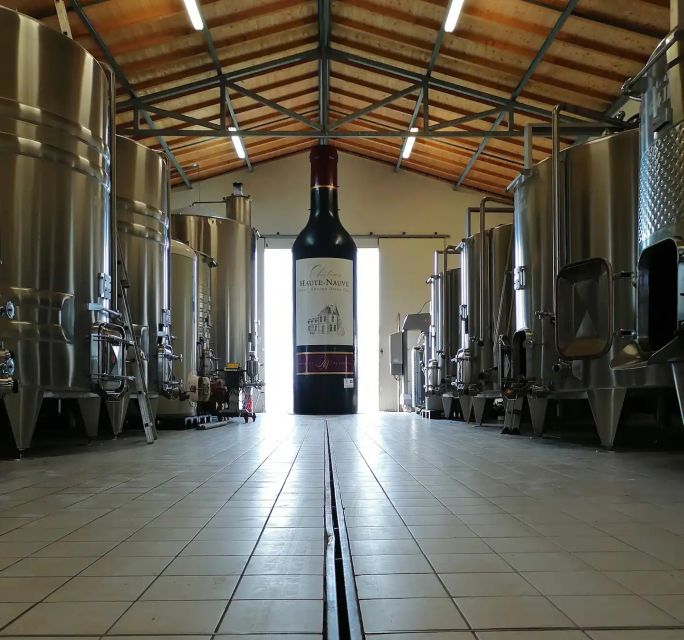
A couple of standout estate details make the walk more memorable. You’ll spot a wind turbine on the grounds and also a bottle that’s 6 meters tall. They’re the kind of quirky physical landmarks that help you remember the visit, and they add personality to the place beyond “rows of vines.”
You’ll also get the more realistic side of farming: challenges like crop frost and what the estate does to respond. The tour touches on sustainability and diversification, including the idea of developing new wine varieties. Even if you’re new to wine, it’s a helpful reminder that modern winemaking isn’t just tradition—it’s risk management and experimentation too.
From Grapes to Fermentation: The Vinification Cellar Tour
After the vineyard walk, you move indoors to the vinification cellar, where the tour shifts from growing to making.
This is where the experience earns its keep. You’re not just told that fermentation happens—you see the technology involved in fermentation, pumping, and pressing. That gives you a practical framework: where the juice goes, what gets controlled, and why timing and process matter.
If you’ve ever tasted two wines that seem similar at first sip but diverge as they open up, this part helps explain why. Winemaking controls can affect everything from texture to how aromas express themselves in the glass. The tour keeps it understandable, so you can connect the machinery to what you’ll taste later.
One more thing: the guides focus on the entire journey from vineyard to bottle, so the cellar doesn’t feel like a detour. It feels like the middle chapter that makes the final tasting hit harder.
Barrel Cellar and Aging Methods: What Changes After Fermentation
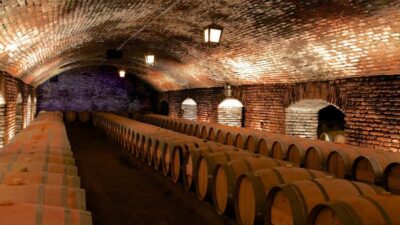
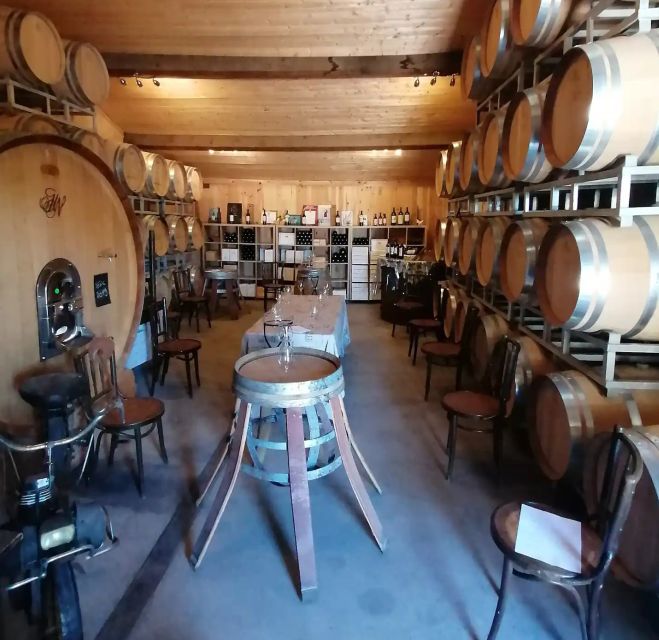
Next comes the barrel cellar, where you learn about aging. This is the stage that often gets hand-wavy on wine tours, but here it’s part of the planned route. You’ll see how the estate ages its wine and hear about the methods involved.
Aging is where wine gets its structure: the integration of flavors, the development of texture, and the way aromas settle down into something coherent. Even if you don’t pick up every technical term, you’ll understand the big idea: fermentation gets you to wine; aging shapes what that wine becomes.
And because you just saw the earlier stages, this section feels like continuity, not a separate show.
Guided Tasting of Four Saint-Émilion Wines, Including Grand Cru
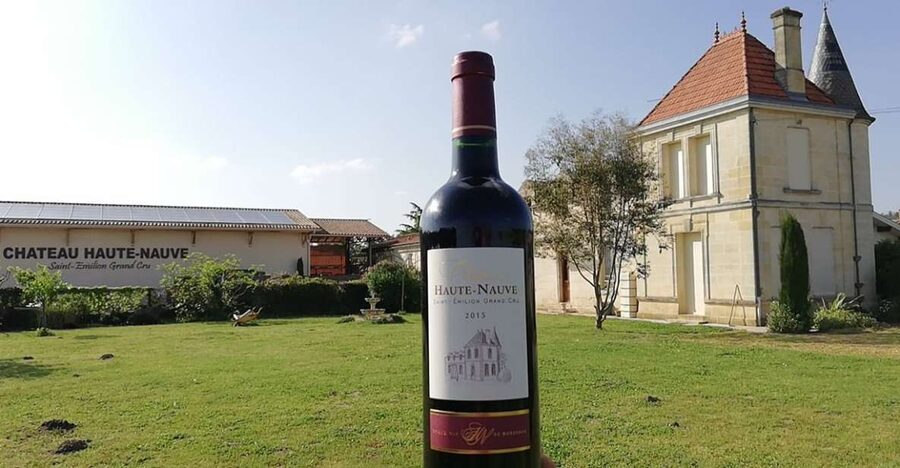
The tour ends with a guided tasting of four wines produced at the château. Among those four, two are Grand Cru from the Saint-Émilion appellation level.
This tasting format is one of the best ways to learn on a short trip. You can compare wines from the same estate framework, which is easier than trying to absorb a wide range of unrelated producers in one afternoon. Your guide helps connect the sensory experience to the process you just saw.
What I like about this tasting setup is the balance. It’s not only about identifying notes; it’s also about understanding why a wine might taste smoother, fuller-bodied, or more structured depending on how it was made and aged. When you can link a taste to a step you watched, the wine becomes more than something you sip—it becomes information.
If you’re the type who enjoys asking questions, this is the moment to use that energy. The small group size helps you get answers without the tour turning into a rush.
Browsing the Estate Collection and Bringing Bottles Home
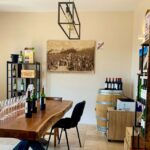
After tasting, you have the chance to browse the estate collection and buy wine to take home. Purchases aren’t included in the tour price, but the opportunity is there if something clicks.
I like that this doesn’t feel like a hard sell. Because you’ve seen where the wine comes from—vineyards, fermentation, pressing, aging—you’re in a better position to decide what you actually want to drink later. If you’re unsure, the practical move is to ask your guide what they’d buy if they were taking it to dinner that week. It turns the buying decision into something personal and grounded.
One consideration: the tour doesn’t include food. If you plan to buy bottles and carry them around the rest of the day, keep your timing realistic and make sure you can handle your day without rushing.
Price and Value: Why $29 for Two Hours Works
At $29 per person, you’re paying for three things that normally cost separate money on many wine days: a vineyard walk with an owner-guide, a cellar visit focused on winemaking, and a guided tasting of four wines (including two Grand Cru pours). You also get a small group cap that helps the experience stay interactive.
If you try to buy your way through the region with tastings at multiple stops, prices can add up fast. This tour stays focused: you get education and tasting in one smooth 2-hour block, with the added bonus that you’re on a working family-run estate, not a production line designed for mass tourism.
So the value is not only the price tag. It’s the efficiency: you walk away understanding what you tasted and where it came from.
Who Should Book This Tour, and Who Might Want Something Different
This experience suits you best if you want:
- a hands-on look at how wine is made, not just what it tastes like
- a small group setting where questions are welcome
- a reliable tasting finish with four wines and some Grand Cru level representation
- a short, well-paced stop in Saint-Émilion that doesn’t eat your whole day
You might choose a different format if you prefer a longer visit with a full meal, or if you’re looking for a big, scenic highlight ride where the main event is photos rather than production detail.
For most wine-curious visitors, though, this tour hits the sweet spot: practical, local, and compact.
Quick Booking Checklist (So You Don’t Lose Time)
Bring comfortable shoes. The tour includes a vineyard walk. Also wear weather-appropriate clothing, since the time outside depends on conditions.
If you’re driving, aim to arrive with enough time to find the solar-panel parking near the large building and the purple sign. And since food isn’t included, plan what you’ll eat before or after so you’re not making decisions on an empty stomach.
Should You Book Château Haute-Nauve?
I’d book this tour if your goal is a genuine Saint-Émilion wine day with real context. The strongest reason is the way it’s built: you walk the vineyard, then you see how fermentation and aging work, then you taste four wines from the estate, including two Grand Cru selections.
And if you’re trying to decide based on value, $29 makes sense here because you’re not paying just for a tasting glass. You’re paying for a guided, full-process look at winemaking, led by a family involved in the work.
If that’s your style, Château Haute-Nauve is an easy yes.
FAQ
How long is the Saint-Émilion Vineyard Walking Tour and Tasting?
It lasts about 2 hours.
What is the price per person?
The tour is priced at $29 per person.
How many wines are included in the tasting?
You’ll taste four wines from the château.
Are any of the tasting wines Grand Cru?
Yes. Two of the wines tasted are Grand Cru.
Who guides the tour?
The tour is led by members of the family, either Marie-Anne or Florent.
Where do I meet the tour?
Meet inside Château Haute-Nauve.
Is food included?
No. Food is not included.
Do I need transport to reach the château?
Transport isn’t included, and the tour notes recommend arriving by car. The château is about 3 km from Saint-Émilion village.
What should I bring?
Wear comfortable shoes and bring weather-appropriate clothing.
Can I cancel and get a refund?
Yes. You can cancel up to 24 hours in advance for a full refund.