REVIEW · SAINT EMILION
Saint-Émilion: Grand Cru Classé Winery Visit and Tasting
Book on GetYourGuide →Operated by Châteaux La Croizille & Tour Baladoz · Bookable on GetYourGuide
Red wine, twice styled, once hour. This Saint-Émilion Grand Cru Classé visit pairs two very different wineries with panoramic valley views, then wraps with a guided tasting of three Bordeaux wines. One thing to plan for: the meeting point can be a little tricky to spot if you rely on turn-by-turn directions without checking street corners.
The flow is tight and simple: you check in at Château Tour Baladoz, see the classic side of Saint-Émilion winemaking, then head to La Croizille for the modern, technology-driven approach. You’ll hear from a live guide in Spanish, English, or French, and guides such as Sarah, Isabella, Thomas, and Quentin have led these tours in past sessions. Just note: there’s no hotel pickup, so you’ll need to make your own way to the start.
In This Review
- Key things that make this Saint-Émilion Grand Cru visit worth your time
- Two estates in one hour: why this tour works
- Château Tour Baladoz check-in: finding the limestone start point
- The traditional winery stop: classic cellar architecture and classic Saint-Émilion style
- La Croizille modern winery: technology, refined methods, and fresh perspective
- Walking through winemaking: how the tour turns wine terms into real decisions
- Tasting three Bordeaux wines: how to compare in a guided, low-pressure way
- Value and price: why $23 can feel like a bargain here
- Logistics that can make or break your day
- Who this tour suits best (and who might want something else)
- Should you book Saint-Émilion Grand Cru Classé: two wineries and tasting?
- FAQ
- How long is the Saint-Émilion winery visit and tasting?
- How much does it cost?
- What wines do you taste?
- Where do I meet the guide?
- Is hotel pickup included?
- Are pets allowed?
Key things that make this Saint-Émilion Grand Cru visit worth your time
- Two wineries in one short session: one traditional cellar experience, one modern, tech-focused winery
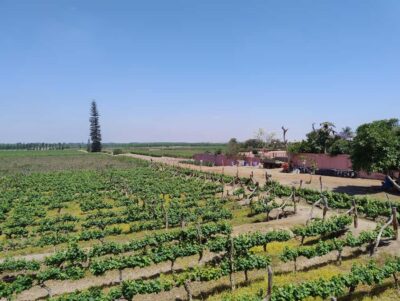
- Views that feel like a reward: you get time to look out across the vine-covered valley
- Three tasting pours, not just a sample sip: you taste Bordeaux wines including Saint-Émilion Grand Cru
- A practical tasting lesson: you get simple technique for tasting and comparing
- Architecture you can actually walk through: limestone buildings and modern cellar spaces both factor into the visit
- Small group energy: when the group is small, the questions tend to land faster and the pacing feels relaxed
Two estates in one hour: why this tour works
This is a great choice when you want a real winery experience without burning half a day. The big win here is that you see contrast on purpose: classic Saint-Émilion methods on one side, then the modern winery style on the other. It turns “wine tasting” into “wine thinking,” because you can compare how vineyard choices and cellar choices shape the glass.
At 1 hour, you won’t get a slow, rambling tour with stops every five minutes. But you do get the key ingredients: the viticulture and winemaking story from vine to aging, plus a guided tasting of three Bordeaux wines.
If your goal is to understand what makes Saint-Émilion different within Bordeaux, this format is efficient. And if you’re the type who likes to ask questions, the small group setup can make that easier because the guide can actually respond instead of rushing.
You can also read our reviews of more tours and experiences in Saint Emilion.


Château Tour Baladoz check-in: finding the limestone start point
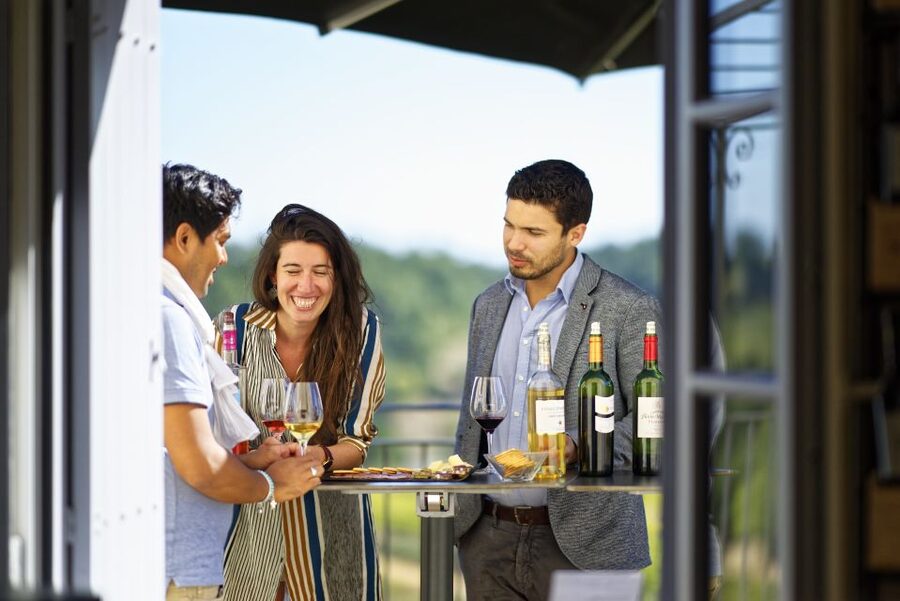
You’ll meet at the reception of Château Tour Baladoz, in a charming limestone building. The practical detail that matters most: this isn’t a random roadside winery entrance. It’s a specific reception area, so take a minute to confirm you’re at the right spot before you start worrying about timing.
From Saint-Émilion it’s about 3 km, roughly 4 minutes by car or about 11 minutes by bike. On foot, plan around 30 minutes through the vineyards, which turns the walk into part of the day instead of a chore. One review also noted easy parking outside the meeting point, which helps if you’re driving yourself.
Navigation tip: some people have needed extra patience finding the turn-off near the meeting streets. If your map app sends you past the correct corner, don’t keep assuming it’s right. I’d rather you arrive early and check your bearings than sprint for the tasting room.
The traditional winery stop: classic cellar architecture and classic Saint-Émilion style
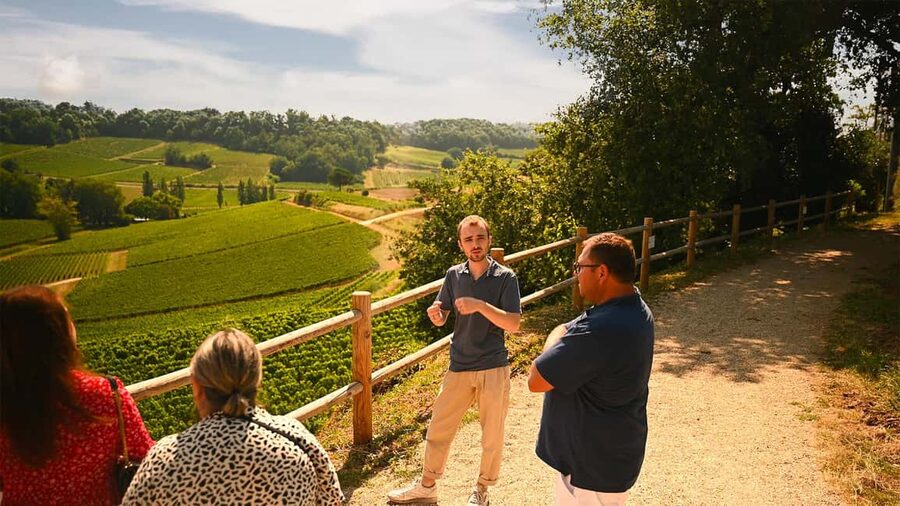
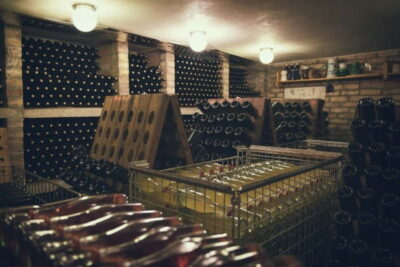
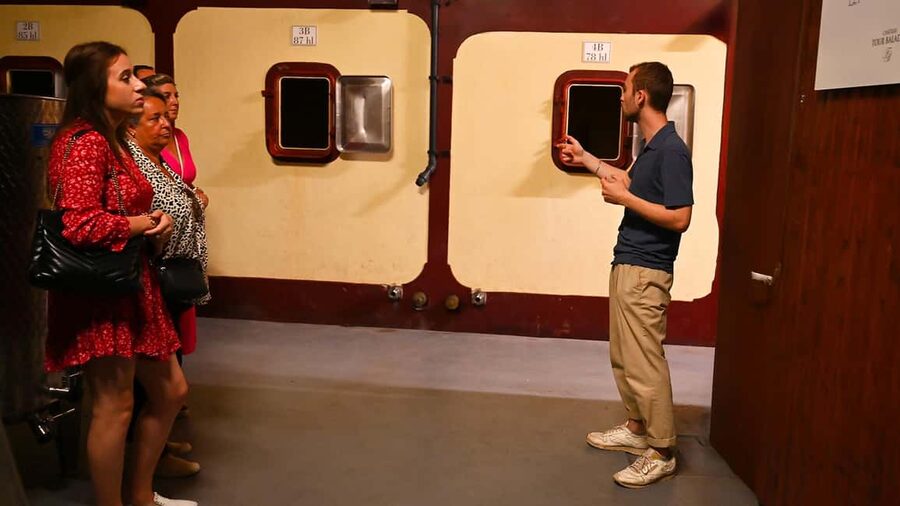
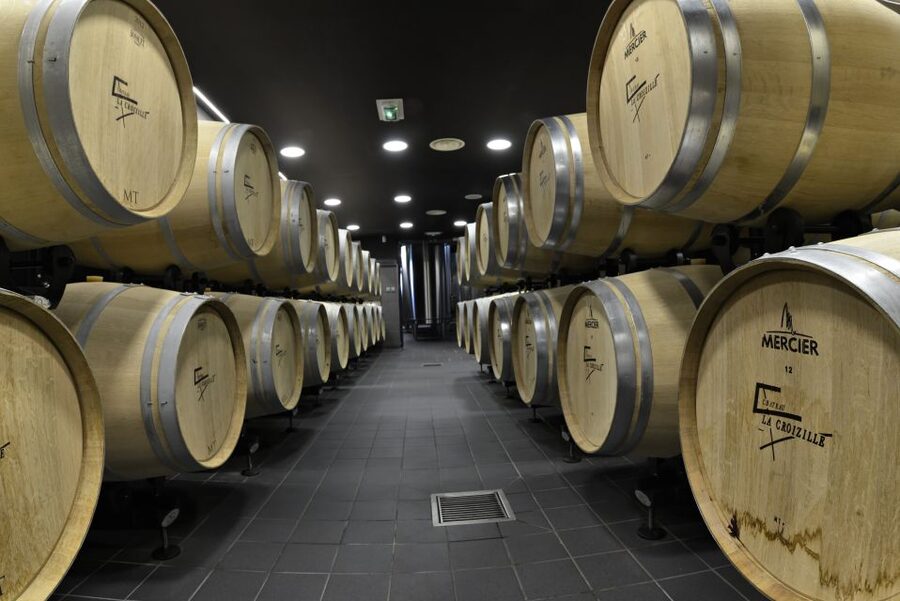
At the traditional estate, the goal is clarity. You’ll walk through areas that highlight an authentic Saint-Émilion feel, where the cellar setup and buildings reflect the region’s traditional winemaking identity.
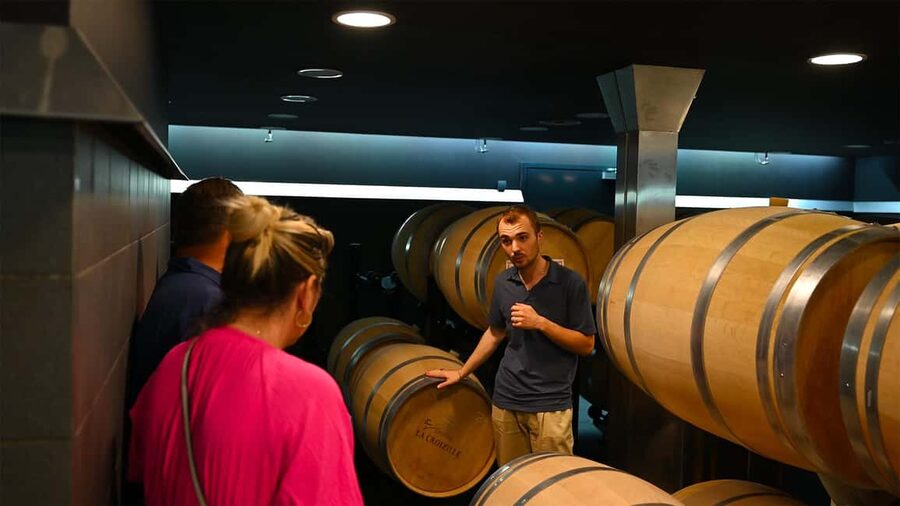
What I like about this part is that it’s not just pretty stone. The guide connects what you’re seeing to what’s happening with the wine. You’ll get explanations about the stages of winemaking, from the vines to the aging process, and you’ll learn about viticulture techniques in the context of how they affect the final bottle.
This stop is a good reality check if you’ve mostly heard wine described in vague terms. Seeing the cellar side of the process makes it easier to understand why a winemaker might choose certain steps, and why “traditional” isn’t just branding. It’s a way of thinking about craft and handling.
Also, the architecture does something useful here: it slows you down. When you can physically see the space where the wine lives, tasting at the end feels more grounded.
La Croizille modern winery: technology, refined methods, and fresh perspective
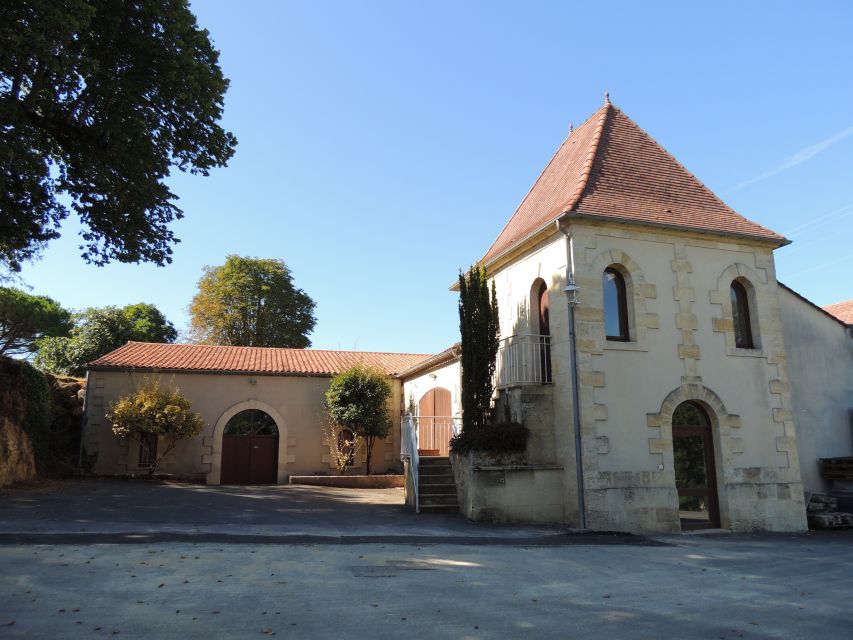
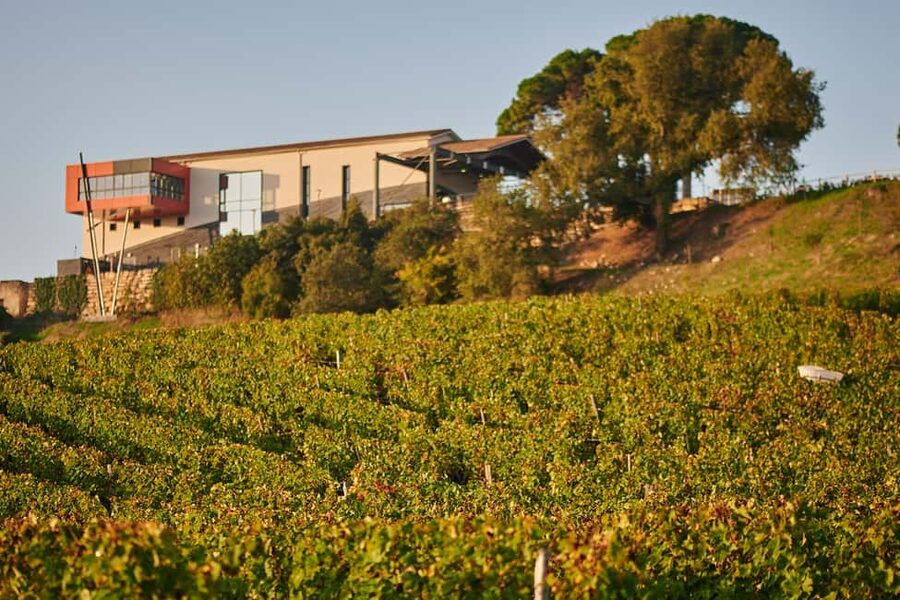
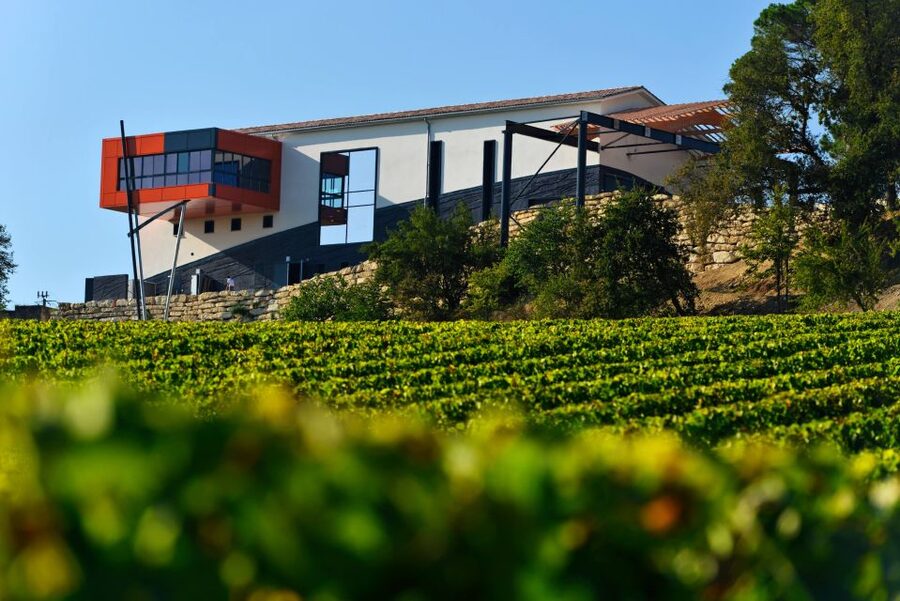
Then you move to La Croizille, the modern winery option distinguished by its orange, black, and white exterior. This is where the tour changes tone. Instead of a purely classic cellar story, you get a “how we improve and control the process” angle.
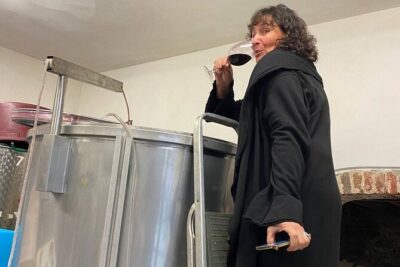
You’ll learn how cutting-edge technology is used to refine winemaking and create a more contemporary wine style. The tour frames this as innovation that supports quality, not innovation for novelty.
The most practical benefit of including a modern estate right after a traditional one is that you can compare without needing extra background. Same region, same general Bordeaux DNA—but different tools and different stylistic choices. That comparison makes the final tasting feel like evidence, not just a pleasant reward.
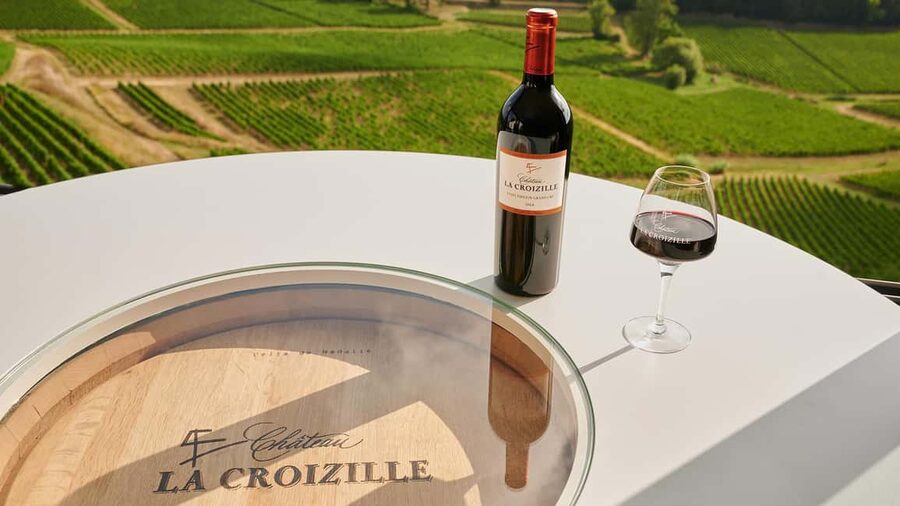
And yes, the views matter here. Past visitors have singled out the panoramas over the valley of vines, especially when the weather is cooperative. Even in cooler months, the outlook helps you connect the “vine-to-bottle” story to what’s around the winery.
Walking through winemaking: how the tour turns wine terms into real decisions
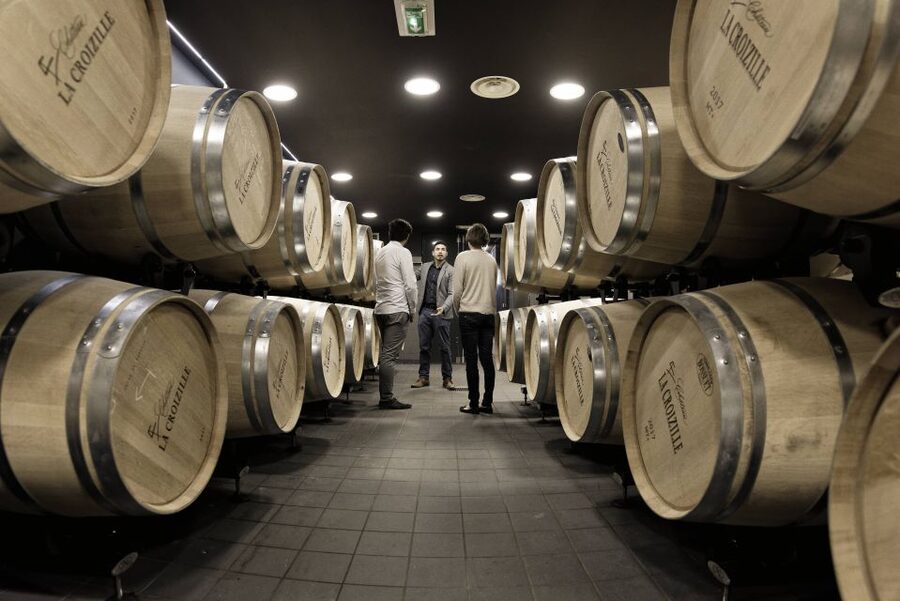
This experience spends real time on the story from vine to aging, with explanations built into your walk through both estates. That sounds abstract, but it becomes useful because the guide ties each step to a reason.
You’ll hear about viticulture techniques, then how winemaking decisions shape the finished wine. The tour also covers the tasting method, so you’re not just looking at the glass and hoping for the best.
For me, the best part of short tours like this is that they give you a baseline vocabulary. After an hour like this, you’ll be able to spot what people mean when they talk about balance, aging choices, and how grape and cellar work together.
And because the guide presents traditional and modern approaches back-to-back, you learn that winemaking is not a single straight line. It’s a set of choices. Those choices show up later in the glass.
Tasting three Bordeaux wines: how to compare in a guided, low-pressure way
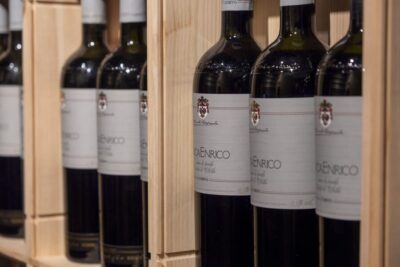
The tasting is built right into the tour, not tacked on as an afterthought. You’ll taste three Bordeaux wines, including Saint-Émilion Grand Cru. That specific inclusion matters, because it gives you a direct reference point for the region.
You’ll also get an introduction to tasting techniques, which is a big deal if wine tasting still feels a little intimidating. Instead of telling you to pretend you can smell everything under the sun, the tour approach makes tasting feel more systematic: look, smell, taste, and then compare.
Past experiences with this tour also suggest the tastings can feel fairly generous for the time. People have bought bottles on-site after the session, so the tasting likely hits the mark for quality and variety.
Here’s a practical way to get more out of the three pours: pick one word for each wine while you taste. For example, think in terms of fruit, structure, or finish. Then at the end, ask the guide which vineyard or cellar choices might explain those differences. You’ll learn more because you’re paying attention with purpose.
If you want to keep the day going, there’s often an on-site shop where you can browse labels and accessories, and some sessions include a chance to enjoy wine with the views after the tour. Even if you skip the extra glass, the shopping time can be a smart way to take home the names you liked, without trying to remember them later.
Value and price: why $23 can feel like a bargain here
At $23 per person for a 1-hour experience, the value comes from what you actually get. You’re not paying just for tasting. You’re paying for two winery visits, guided explanations that connect viticulture and winemaking to what you taste, plus a tasting of three Bordeaux wines.
In many wine regions, you pay for a “tasting-only” stop and then spend time arguing with your own memory later. Here, you get structure. The short duration also matters: you can fit this into a Saint-Émilion day without turning it into a logistics nightmare.
Small group availability adds another value layer. When the group is smaller, questions get answered clearly, and the pacing feels less like moving through a conveyor belt.
If you’re traveling as a couple, this can be especially good value, because the two-winery format is the kind of “double win” that turns a single booking into a fuller story.
Logistics that can make or break your day
This is a self-arrival tour. Hotel pickup and drop-off are not included, so you’ll want a plan from where you’re staying. If you’re based in the village, you can consider biking or walking, since the distance is short enough to turn the journey into scenery. If you’re coming from farther away, you’ll likely be arriving by car or train to the area, then using local transport for the final stretch.
The meeting point is Château Tour Baladoz reception, and the modern stop is La Croizille with that striking orange, black, and white exterior. That color clue helps when the rest of the streets start to blur.
Bring a little patience with navigation. One common complaint has been difficulty finding the place on the first try due to signage or street corner confusion. Your best defense is arriving a bit early, screenshotting the exact pin, and asking at the reception if you’re unsure.
Also, pets are not allowed, so plan accordingly if you’re traveling with a dog or other animal.
Who this tour suits best (and who might want something else)
This fits best if you want an overview that still feels hands-on. If you’re a beginner, the guided tasting techniques and the vine-to-bottle explanations can give you confidence fast. If you already know some wine basics, the traditional-versus-modern comparison gives you a fresh angle without needing a multi-hour educational program.
It’s also a strong pick for limited time in Saint-Émilion. When your schedule is tight, this is one of those experiences that delivers a lot of meaning per hour.
If you’re the type who wants food pairings, long cellar time, or deep technical masterclasses, you might later want an extended tour. But for a first look and a real tasting, this one hits the sweet spot.
Should you book Saint-Émilion Grand Cru Classé: two wineries and tasting?
Book it if you want a smart, time-efficient winery visit that teaches you something you’ll actually remember when you taste wine later. The combination of a traditional stop and a modern stop, plus a guided tasting of three Bordeaux wines including Saint-Émilion Grand Cru, makes the hour feel focused instead of rushed.
Skip it only if you’re uncomfortable navigating on your own to a specific meeting point or if you’re looking for a longer, more food-heavy experience. For most people doing a Saint-Émilion day, this is an easy yes: clear structure, helpful guidance in multiple languages, and a real sense of place.
FAQ
How long is the Saint-Émilion winery visit and tasting?
The tour lasts 1 hour.
How much does it cost?
It costs $23 per person.
What wines do you taste?
You taste 3 Bordeaux wines, including Saint-Émilion Grand Cru.
Where do I meet the guide?
Meet at the reception of Château Tour Baladoz. The modern winery stop is La Croizille, identifiable by its orange, black, and white exterior.
Is hotel pickup included?
No. Hotel pickup and drop-off are not included.
Are pets allowed?
No, pets are not allowed.