REVIEW · SAN GIMIGNANO
San Gimignano: Wine and Food Tasting in a Family Winery
Book on GetYourGuide →Operated by Casa Lucii · Bookable on GetYourGuide
Wine under the vines beats a busy tasting bar. What makes this visit work is the family-warm reception and the outdoor pergola tasting where you get more than sips. You also tour the estate step by step, from vegetable garden to historical cellar, tasting 8 organic wines paired with real Tuscan bites; the one real catch is the countryside location, since there’s no public transportation, so you’ll want to arrange your transfer in advance.
This is a focused 3-hour experience with a live guide in English or Italian and a small group capped at 8 people, so you’re not shout-hearing over the din of a big bus crowd. You’ll taste classic Tuscan styles, including Vernaccia, Chianti, rosé, a Tuscan red, and a finish of Vin Santo with cantuccini, plus olive oil and garden produce that actually show up in the food pairing.
If you care about how wine gets made (not just what it tastes like), you’ll like the way the tour connects vineyard work to bottling, and how organic and sustainable farming is explained in plain language while you’re walking the property.
In This Review
- Key things to know before you go
- Casa Lucii Start: Welcome Aperitivo and an Estate Walk
- From Vegetable Garden to Vineyards: What You See on the Tour
- Organic and Sustainable Farming, Explained While You Walk
- Eight Organic Wines Plus Tuscan Food: How the Tasting Flows
- Arturo With Chocolate Pralines: A Tuscan Twist That Makes Sense
- Finishing With Vin Santo del Chianti and Cantuccini
- What the Family-Run Feel Adds (Besides Good Wine)
- Price and Value: What $106 Buys in Three Hours
- Getting There from San Gimignano: Plan for the Countryside
- Who This Tour Suits Best (and Who Might Skip It)
- Should You Book Casa Lucii?
- FAQ
- How long is the Casa Lucii wine and food tasting?
- How many wines are included?
- What food is included with the wines?
- What wines will I taste?
- Are the tours available in English?
- Where do I meet for the tour?
- Is pick-up or drop-off included?
- Is public transportation available to reach the winery?
- Is the experience wheelchair accessible?
- Can I cancel for a full refund?
Key things to know before you go
- Small group (max 8) means you get time to ask questions during the walk and tasting.
- Organic estate tour first, then tasting, so flavors make sense after you see the process.
- Eight wines plus multiple food pairings, not just a single cheese plate.
- Garden-to-table ingredients show up alongside cold cuts and cheeses from local farms.
- Arturo Sangiovese with chocolate pralines is a standout pairing moment.
- Vin Santo with Tuscan cantuccini ends the tasting in a sweet, classic way.
Casa Lucii Start: Welcome Aperitivo and an Estate Walk
The experience begins at Casa Lucii (Località Santa Maria, 49/C, 53037 San Gimignano, Italy). You’re meeting in the countryside of San Gimignano, not in the hill-town center, which matters because you can’t rely on public transport. Plan your timing with a transfer that gets you there smoothly, and you’ll avoid the kind of last-minute stress that ruins tastings.
Right off the bat, you get a welcome aperitivo. It sets the mood: you’re not rushed through a tasting counter. Instead, you ease into the day while the guide frames what you’ll see and taste—vineyard, garden, cellar, olive grove, and the vinsantaia (the space connected to Vin Santo aging).
Then the estate tour starts in earnest. Since the group stays small and the guide works live, the walk feels like being shown around by people who actually farm the place—not like following a script. The guide language options are English and Italian, so you’ll understand the why behind each stop rather than just collect facts.
You can also read our reviews of more tours and experiences in San Gimignano.

From Vegetable Garden to Vineyards: What You See on the Tour
The itinerary is built around one simple idea: if you want to understand Tuscan wine, walk the landscape where it’s made. The tour moves through the property in a logical rhythm, and each stop connects to what’s next in the tasting.
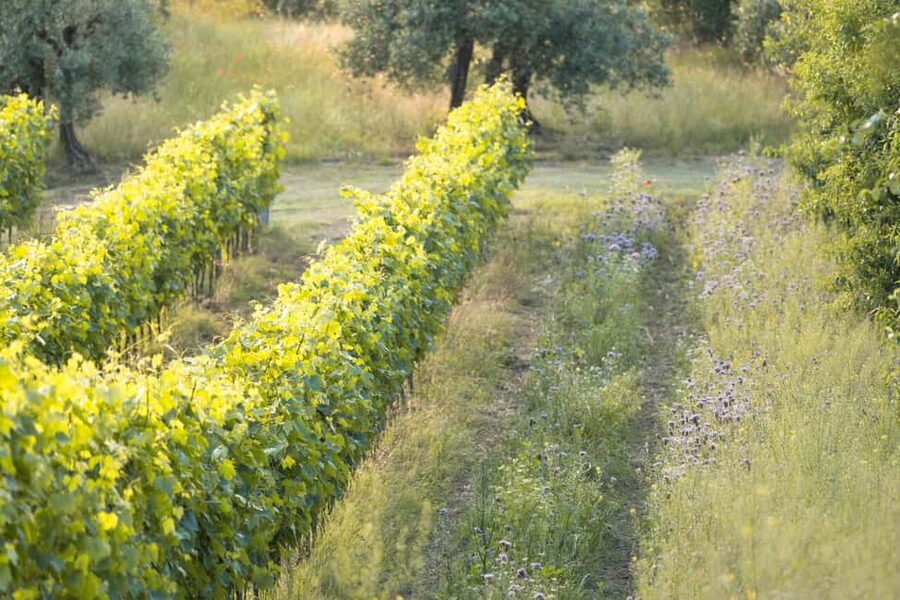
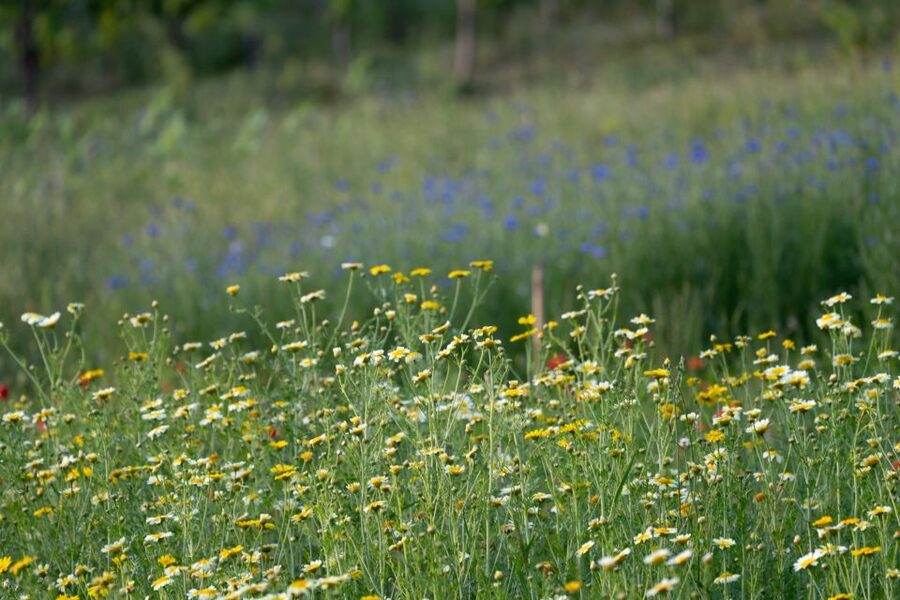
You begin with the vegetable garden and orchard, where you’ll see how the farm grows seasonal produce. This isn’t just scenery. It’s food that shows up later in the meal-style pairings, so you’ll taste something that has a direct link to the day’s tour.
Next comes the vineyards, which is where the conversation typically shifts toward the grape side of the story—how harvest and cultivation practices shape the wine in the bottle. After that, you move to the olive grove and the historical cellar, which is a key pivot from “growing” to “making.”
You also visit the vinsantaia, the place associated with Vin Santo. Vin Santo has a specific identity in Tuscany—slow, traditional, and tied to how time and technique work together. Seeing where it’s connected to the process helps you taste with more context.
Finally, you’ll pass by a collection of agricultural tools. That stop may sound like an extra, but it helps you understand that this isn’t a production line fantasy—it’s a working farm with long continuity. You get to see that the winery’s culture is tied to the practical reality of agriculture.
Organic and Sustainable Farming, Explained While You Walk
This tour is built around the winery’s organic and sustainable approach. Instead of treating organic farming like a buzzword, the guide connects it to the way the estate is run and how the wines are made—from grape harvesting through to bottling.
As you move from garden to vines to cellar, you get the sense that organic farming affects decisions at multiple levels: what’s grown, how it’s cared for, and how the winery’s process supports consistent quality. You’re not just told that it’s organic—you’re shown the farm systems that feed into the final bottle.
One practical benefit for you: understanding farming decisions makes the tasting easier to follow. When you taste Vernaccia, Chianti styles, a rosé, and a Tuscan red, you can better sense how the winery’s approach might influence the character of each wine—because you’ve already seen how their grapes and ingredients are handled.
Eight Organic Wines Plus Tuscan Food: How the Tasting Flows
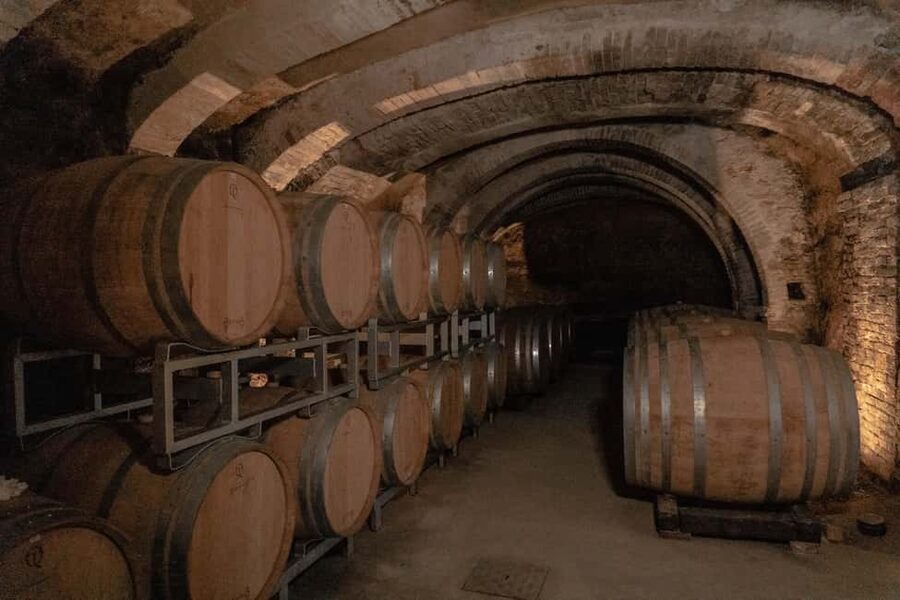
The tasting part comes after the walk, and it’s structured like a meal with wine pairings. You’ll taste 8 organic wines from the winery’s own production, paired with typical Tuscan specialties.
You’ll start with food pairings that include cold cuts and cheeses from local farms, plus ingredients from the winery’s own garden and orchard. This is a big deal because it moves beyond the usual “we’ll put out bread and call it pairing.” You get multiple bites that can stand up to different wine styles.
You’ll also taste extravirgin olive oil along with bakery products. That pairing matters because olive oil can shift how you perceive texture and acidity in wine. It also highlights how “food culture” here isn’t an afterthought—it’s part of the tasting architecture.
Then the wines arrive in a paced sequence:
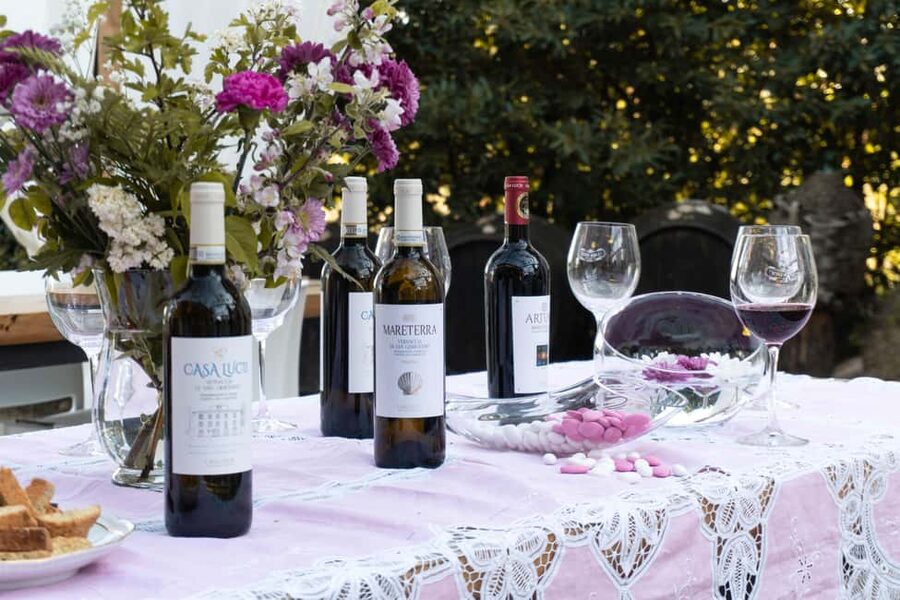
- Casa Lucii DOCG Vernaccia di San Gimignano
- Mareterra DOCG Vernaccia di San Gimignano reserve (two different vintages)
- Spicchio IGT Rosé Tuscan
- Fuscelli DOCG Chianti
- Senarum DOCG Chianti Colli Senesi
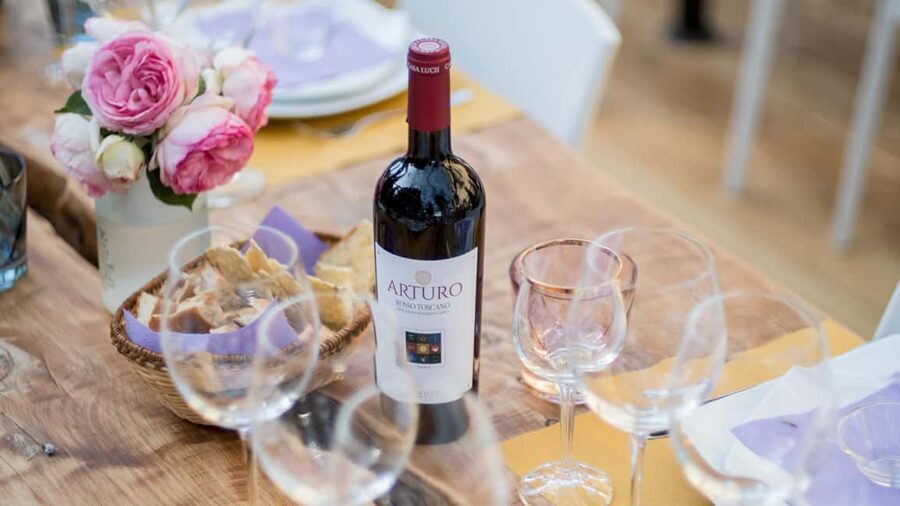
- Arturo IGT Tuscan Red paired with tailor-made artisanal chocolate pralines
- Curato DOC Vin Santo del Chianti paired with Tuscan cantuccini
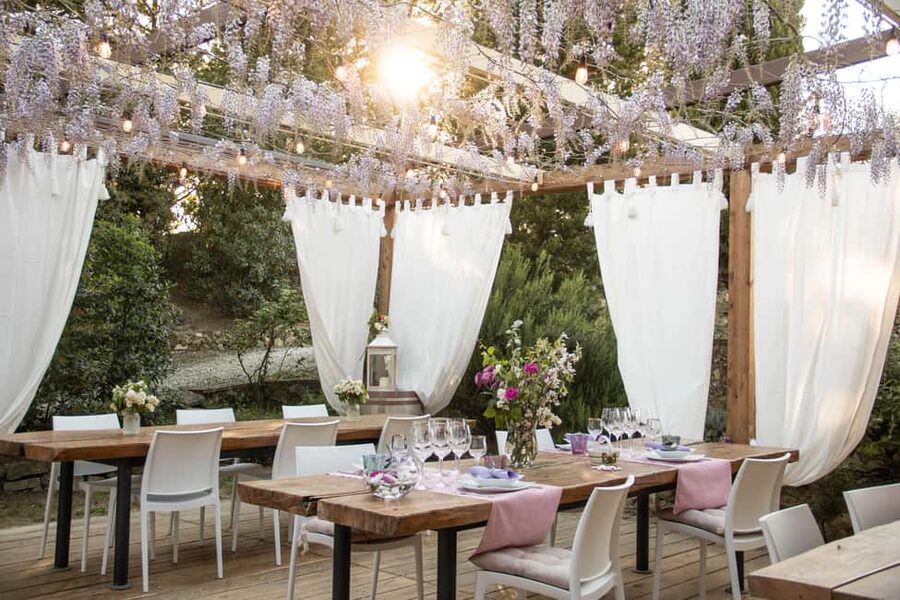
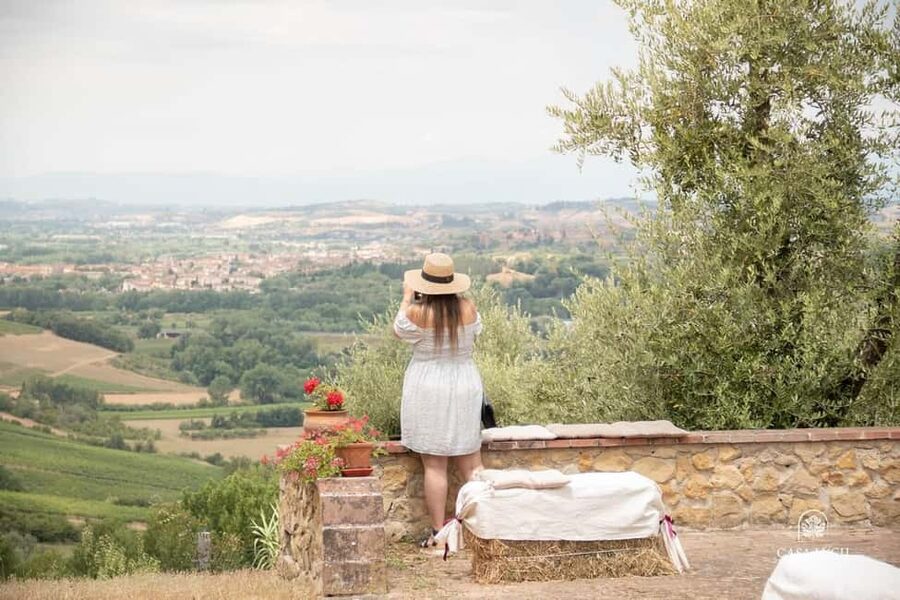
The setting is typically outdoors under a pergola vibe, surrounded by the kind of Tuscan scenery you can see even from a casual glance. And because the group is capped at 8, the pacing stays calm enough to actually enjoy each pour.
If you’re the type who likes to compare styles, the two vintages of Mareterra are a smart touch. One wine name, two years—so you get a real sense of variation without the tasting becoming chaotic.
Arturo With Chocolate Pralines: A Tuscan Twist That Makes Sense
One of the most memorable pairing points is Arturo, the IGT Tuscan Red, paired with tailor-made artisanal chocolate pralines. Chocolate with wine can easily feel random, but here it’s integrated into the tasting so you can taste how sweetness and cocoa notes interact with the wine’s profile.
This pairing is also a practical reminder for you: not every Tuscan pairing has to be cheese-only. If you’re curious how local wines can work with non-traditional flavors, this is the moment that gives you a clear answer.
The rest of the food pairings play their own supporting roles. Cold cuts and cheeses help you taste with salt and fat in the mix, olive oil adds a different kind of richness, and then you end with the sweet classic: Vin Santo.



Finishing With Vin Santo del Chianti and Cantuccini
You end with DOC Vin Santo del Chianti Curato and Tuscan cantuccini. That’s a very Tuscany move—classic sweet wine plus the cantuccini crunch that’s designed to work with it.
This finish is the kind of tasting ending that feels complete rather than abrupt. After tasting dry and semi-dry styles, the Vin Santo step gives you a satisfying close that also helps your palate reset for the walk back to town or your next plan.
In other words, you’re not left wondering what to do with the last few sips. The tasting has a clear arc, ending where Tuscany expects it to end.
What the Family-Run Feel Adds (Besides Good Wine)
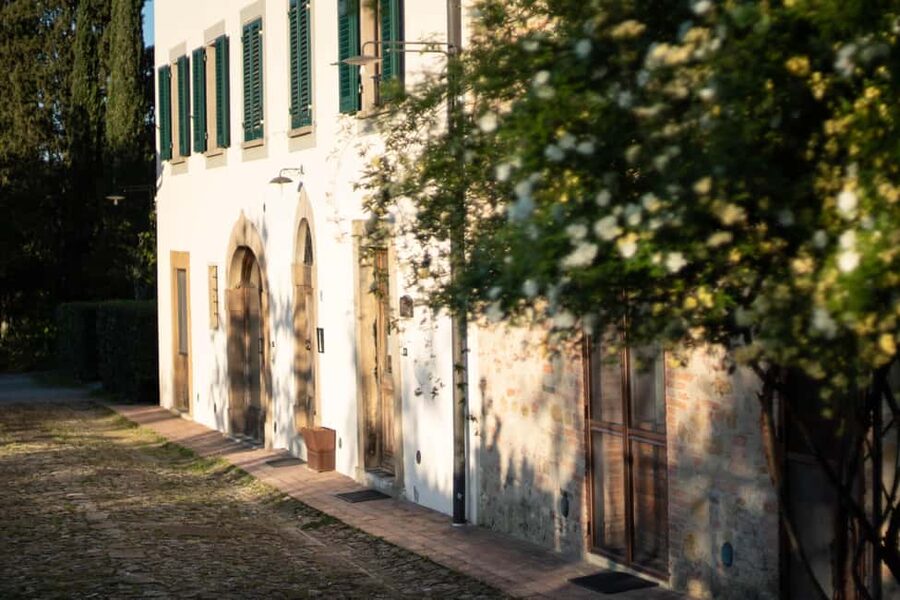
The biggest “human” part of the experience is the family-run tone. The warmth of the welcome comes through in how the day is paced and how the guide explains what you’re seeing. You’re treated less like a ticket number and more like someone who’s been invited onto a real working property.
This is also why the small group size matters. With fewer people, the guide can answer questions without rushing. And with wine, pacing is everything—no one wants to be stuck drinking while still processing the estate tour.
One extra detail from the vibe: the setting can get used for special moments. One visit included a very personal occasion, and it makes sense because the space feels intimate and outdoorsy, not staged like a commercial tasting room.
Price and Value: What $106 Buys in Three Hours
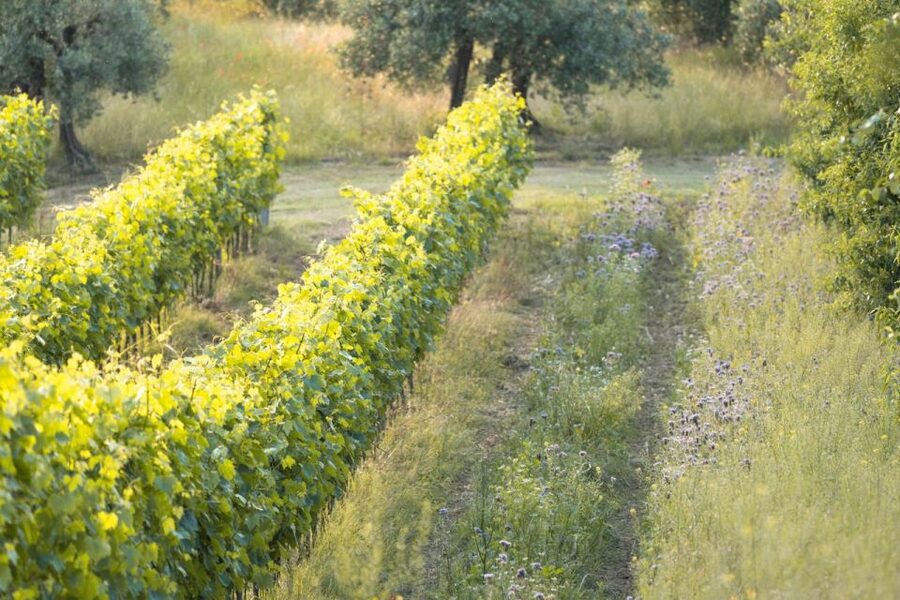
At about $106 per person for a 3-hour experience, you’re paying for far more than a quick tasting flight. You’re getting:
- a guided walk through the estate (garden, orchard, vineyard, olive grove, vinsantaia, historical cellar, agricultural tools)
- 8 organic wines
- cold cuts and cheeses from local farms
- foods from the winery’s garden and orchard
- extravirgin olive oil with bakery products
- the specific pairing moments like Arturo with chocolate pralines and Vin Santo with cantuccini
So the value isn’t only the wine count. It’s the fact that the food is integrated into the tasting flow and the tour makes those wine styles make more sense. If you’ve ever done a tasting where you leave with a few bottles names and no context, this is the opposite.
One consideration: you’ll want to be mindful of your overall day. Three hours plus multiple pours plus food pairings is a lot of pleasure, but it’s still a full sensory block. If you plan to drive afterward, make a sober plan for getting back.
Getting There from San Gimignano: Plan for the Countryside
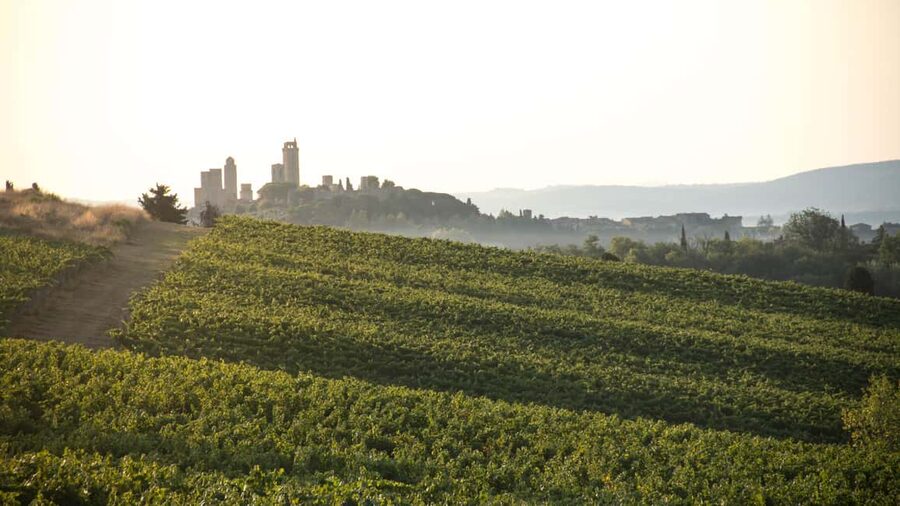
The winery is in the countryside and not served by public transportation, so you’ll need to arrange your transfer in advance. That’s the main logistics “tax” you should accept upfront when you book.
If you’re staying in or near San Gimignano, you’re basically choosing between convenience and comfort. A scheduled transfer keeps the day smooth; trying to wing it can create timing stress before you even get to the pergola.
Wheelchair accessibility is listed, and the tour includes a live guide in English or Italian. If you have specific mobility needs, it’s smart to contact the provider in advance so you know what the walking surfaces and pacing will look like.
Who This Tour Suits Best (and Who Might Skip It)
This is a great match if you want:
- an organic estate tour with real farm stops, not just a cellar tasting
- multiple wines and multiple food pairings in one sitting
- a calmer pace thanks to a small group (max 8)
It’s also a nice choice for couples or anyone who wants an experience that feels personal, since the setting is intimate and outdoors-focused.
It’s not suitable for pregnant women, based on the activity notes. If that affects you, look for a different type of wine experience.
Should You Book Casa Lucii?
I’d book it if you’re the kind of traveler who likes tasting wine with context—walking the garden, vineyard, and cellar system, then eating and drinking through pairings that actually change how you experience each pour. The combination of organic farming education, 8 wines, and a meal-like tasting flow makes the price feel grounded in what you receive.
Skip it only if the lack of public transportation would create major hassle for you or if you want a short, light sip-and-go tasting. This is a full 3-hour experience with food, so go in hungry and ready to pay attention.
FAQ
How long is the Casa Lucii wine and food tasting?
The experience lasts about 3 hours.
How many wines are included?
You’ll taste 8 organic wines as part of the tasting.
What food is included with the wines?
The tasting includes cold cuts and cheeses from local farms, products from the winery’s garden and orchard, extravirgin olive oil with bakery products, plus cantuccini served with the Vin Santo.
What wines will I taste?
The list includes Casa Lucii Vernaccia di San Gimignano, Mareterra Vernaccia di San Gimignano reserve from two vintages, Spicchio rosé, Fuscelli Chianti, Senarum Chianti Colli Senesi, Arturo IGT Tuscan Red, and Curato Vin Santo del Chianti.
Are the tours available in English?
Yes. The live tour guide offers English and Italian.
Where do I meet for the tour?
The meeting point is Casa Lucii, Località Santa Maria, 49/C, 53037 San Gimignano SI, Italy.
Is pick-up or drop-off included?
No. Pick up or drop-off is not included.
Is public transportation available to reach the winery?
The property is not served by public transportation, so you’ll need to arrange your transfer in advance.
Is the experience wheelchair accessible?
Yes, wheelchair accessibility is listed.
Can I cancel for a full refund?
Yes. Free cancellation is available up to 24 hours in advance for a full refund.